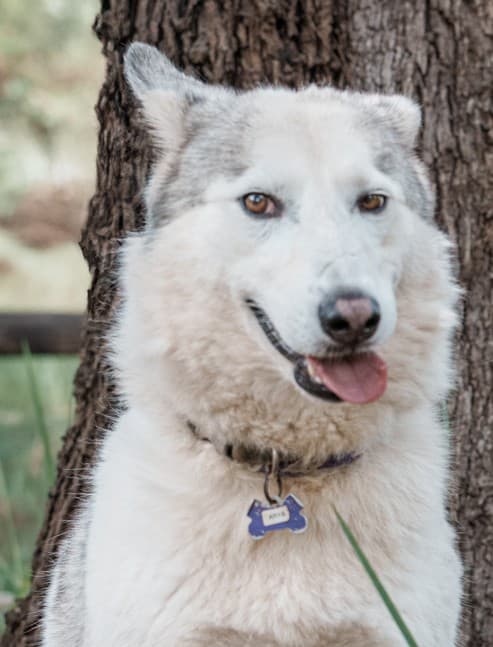
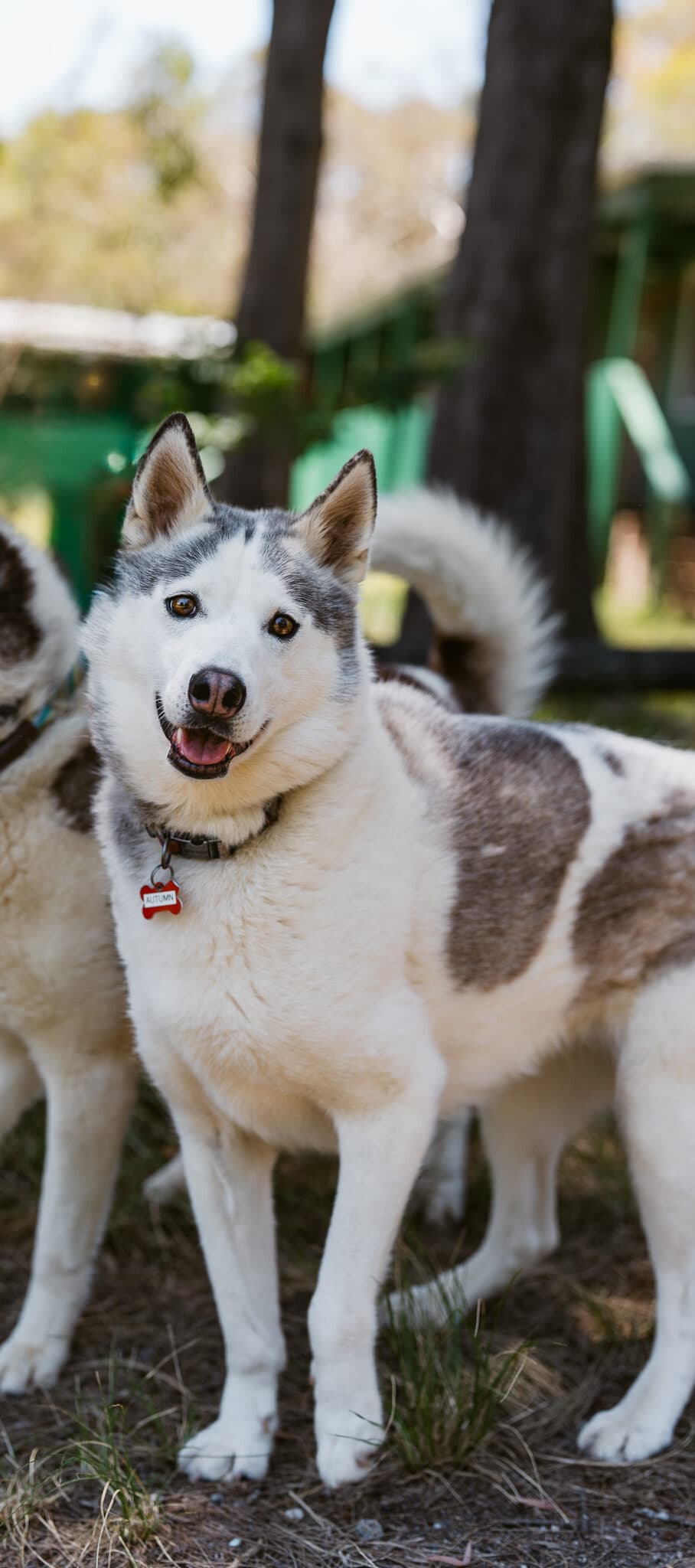
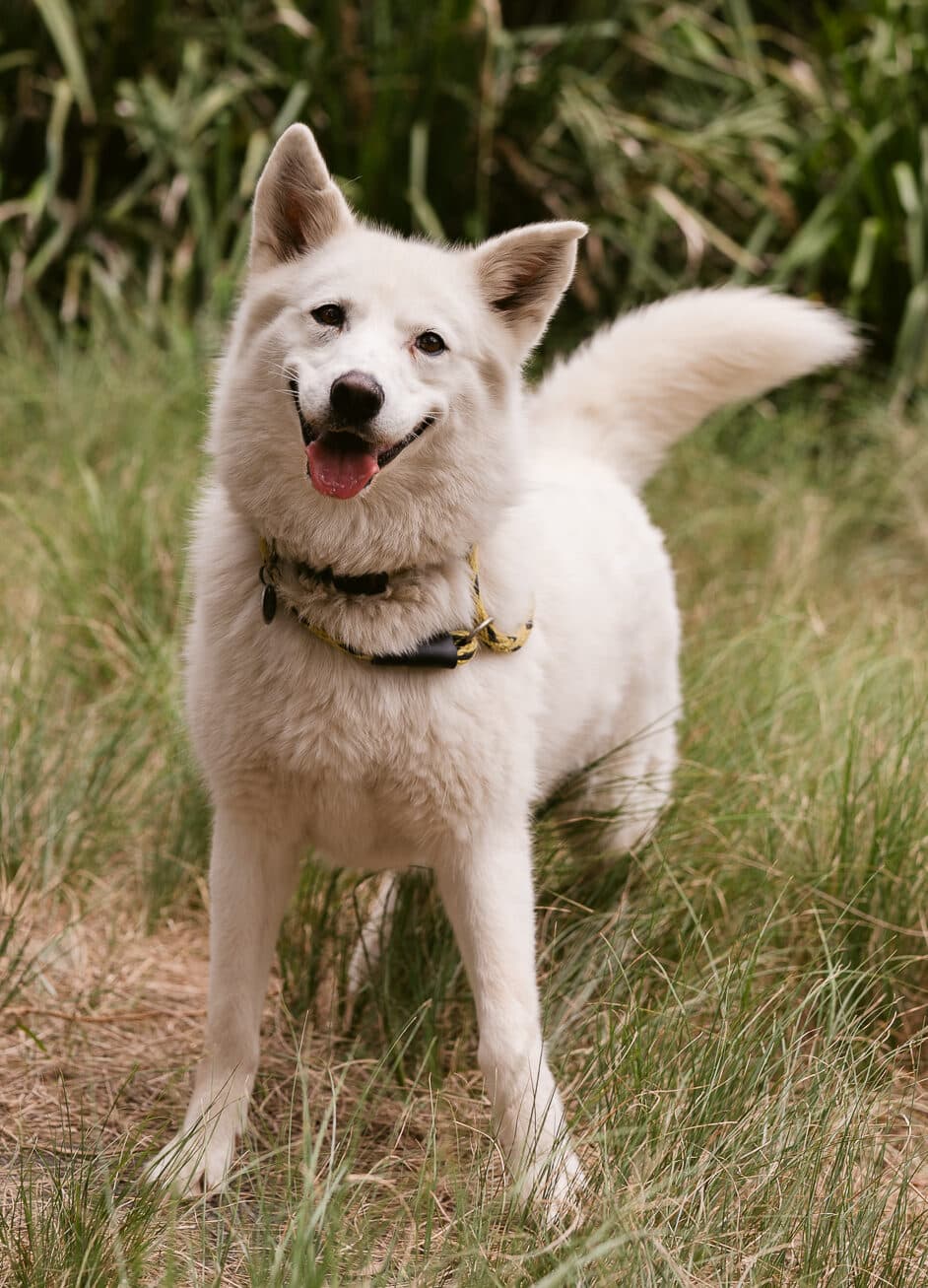
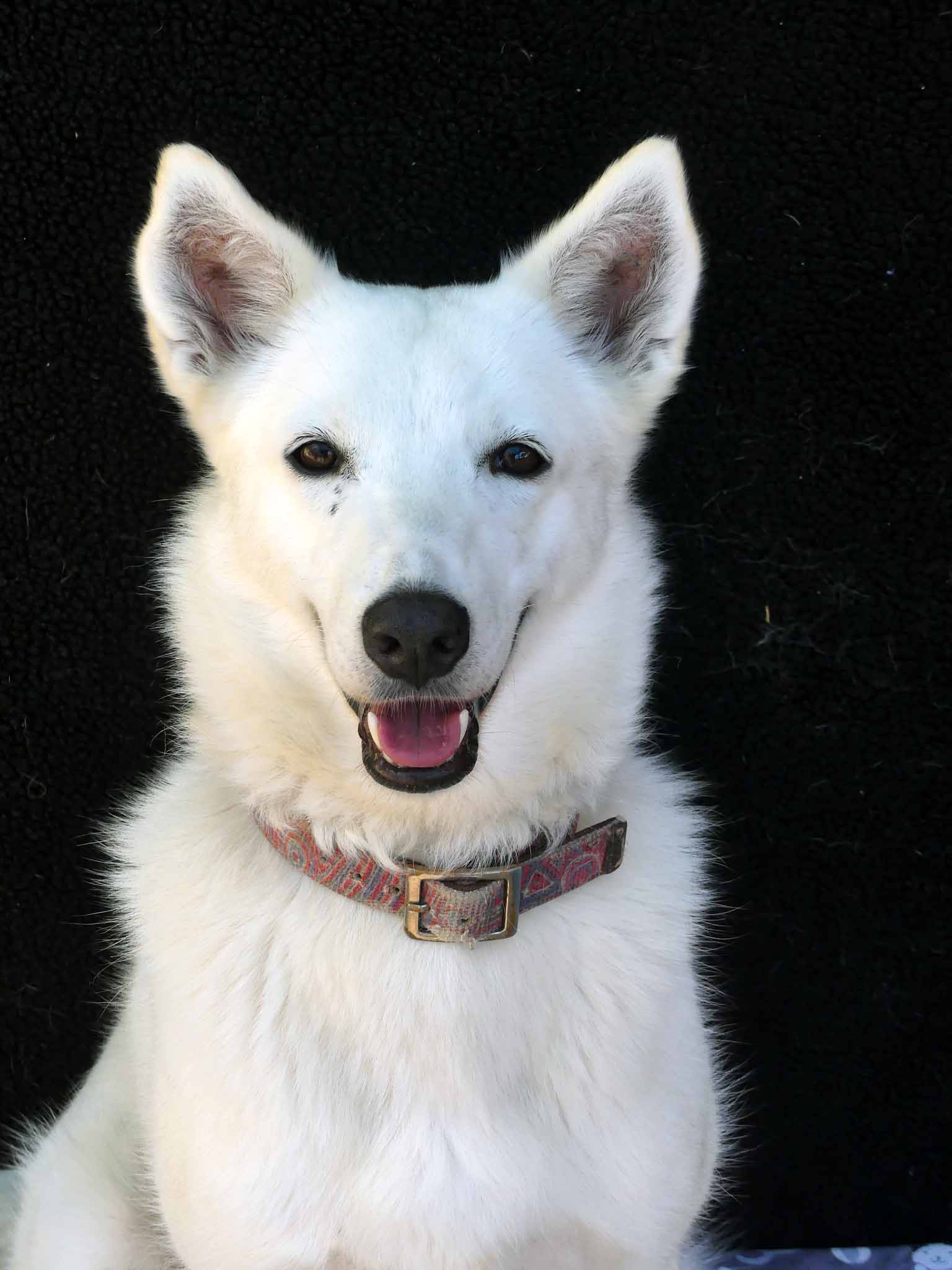
Blizzard
About 7 years old • Siberian Husky X
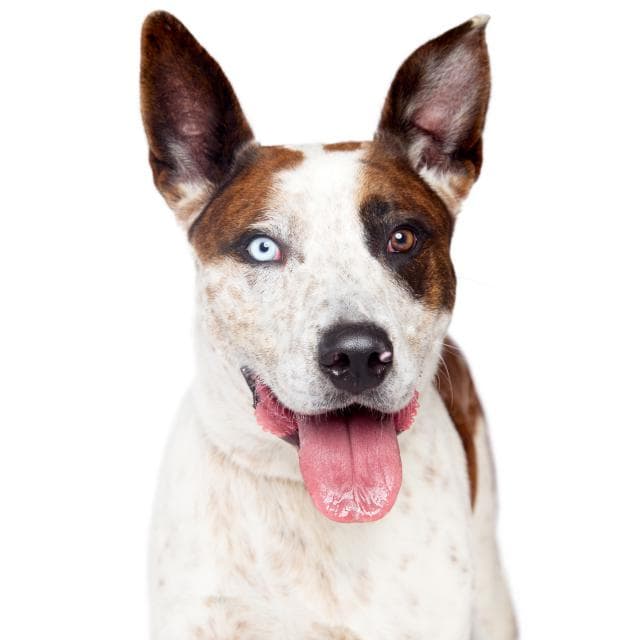
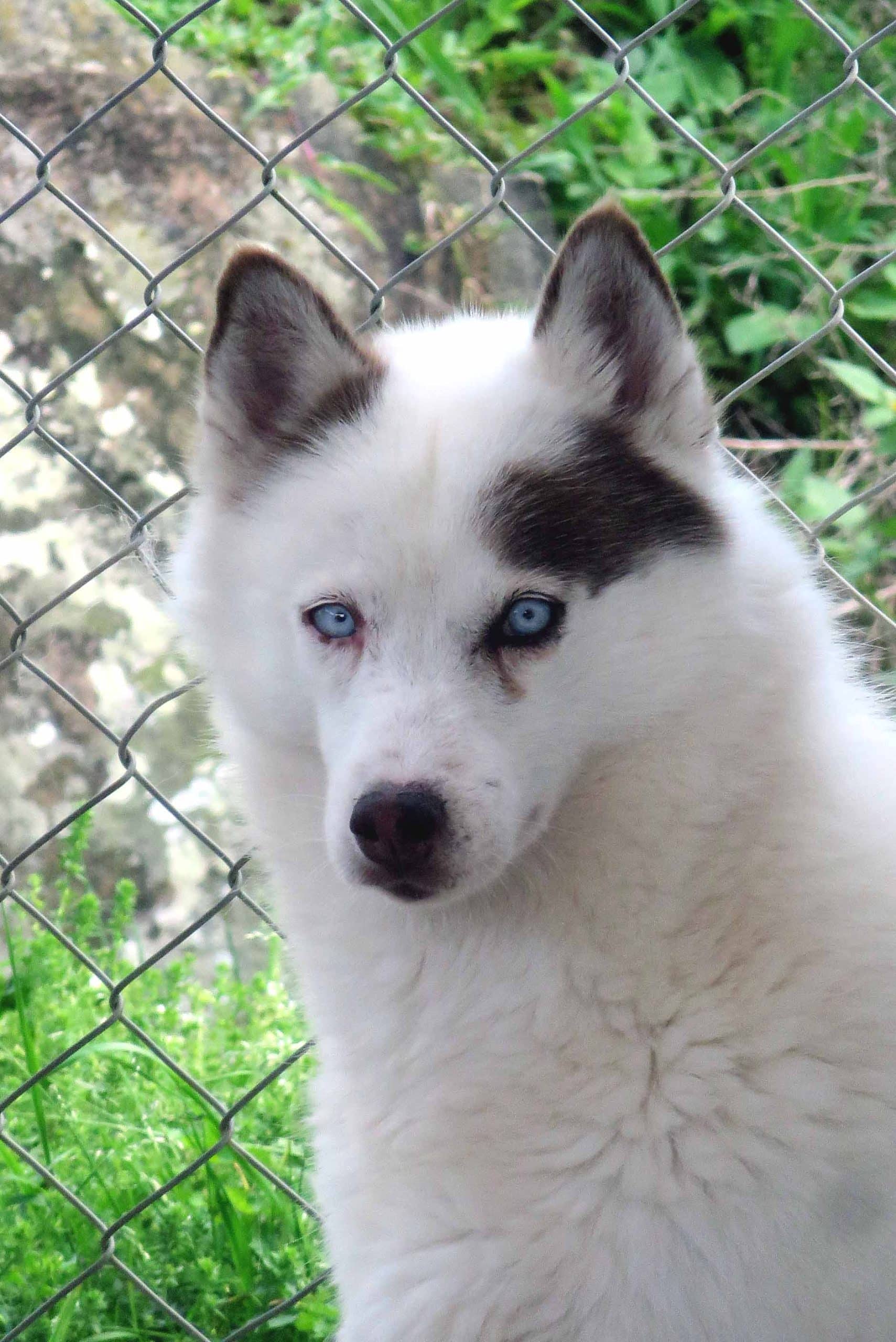
Breezy
About 8 years old • Cattle Dog X Siberian Husky
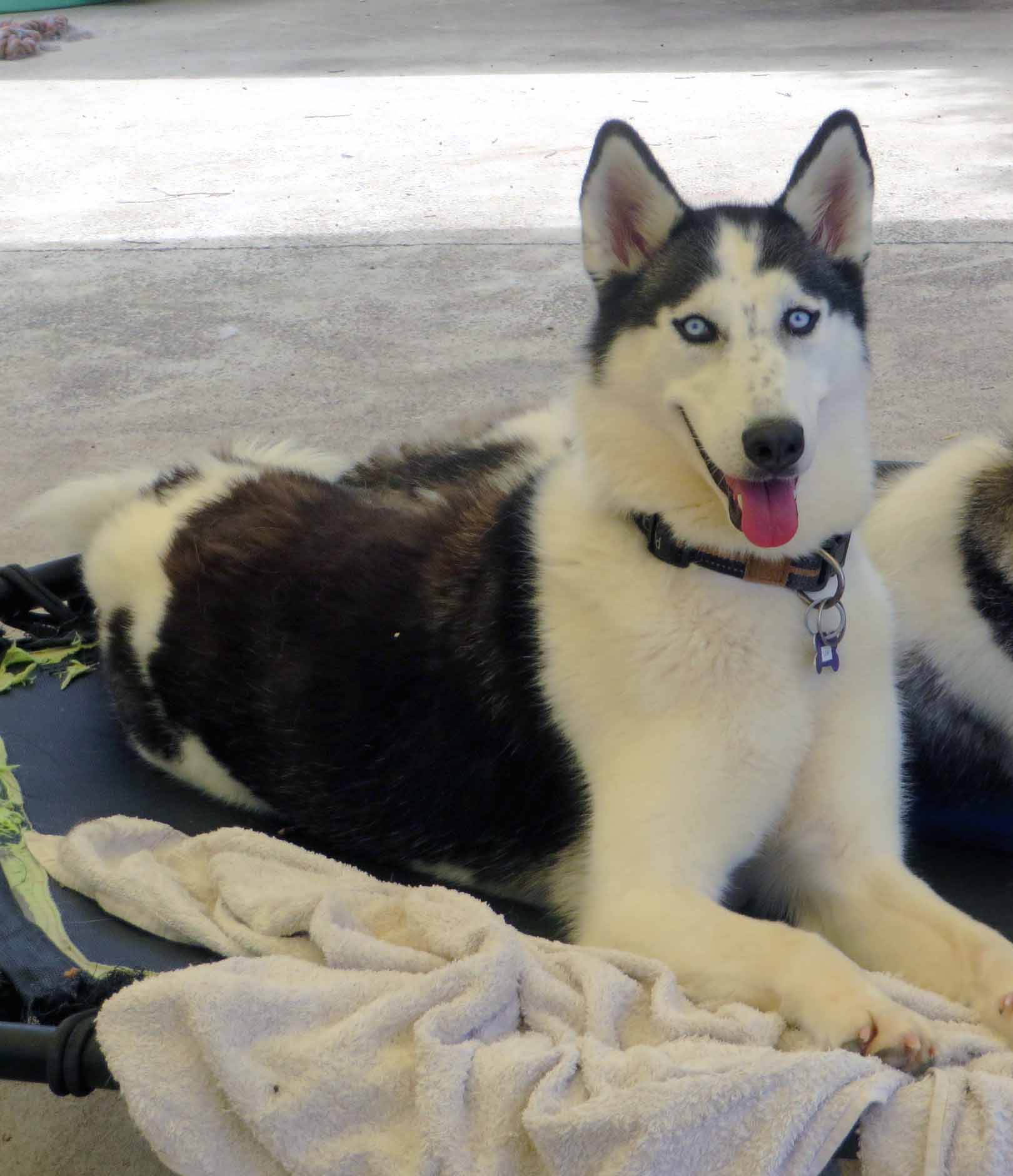
Coconut
About 10 years old • Siberian Husky X
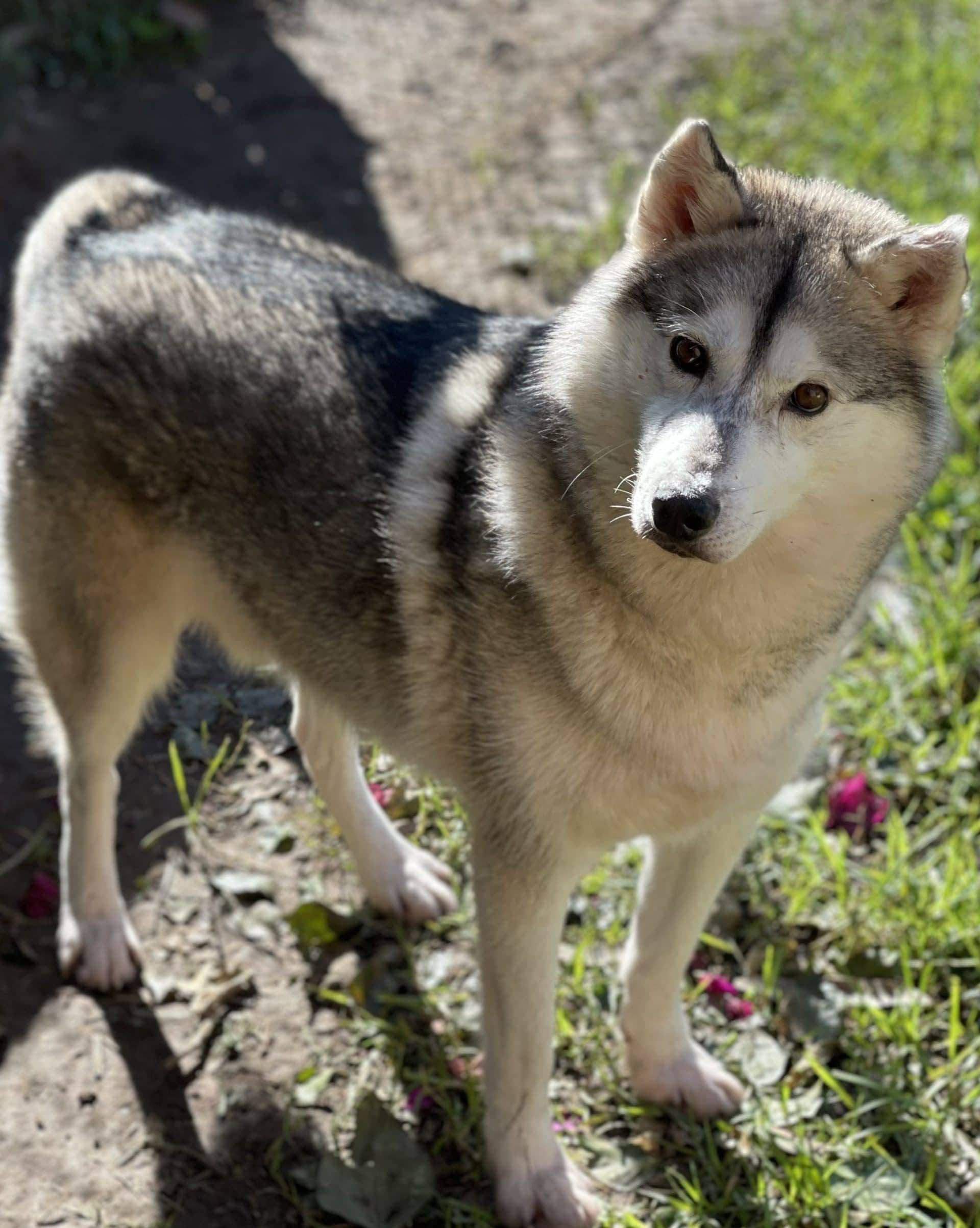
Echo
About 7 years old • Siberian Husky X
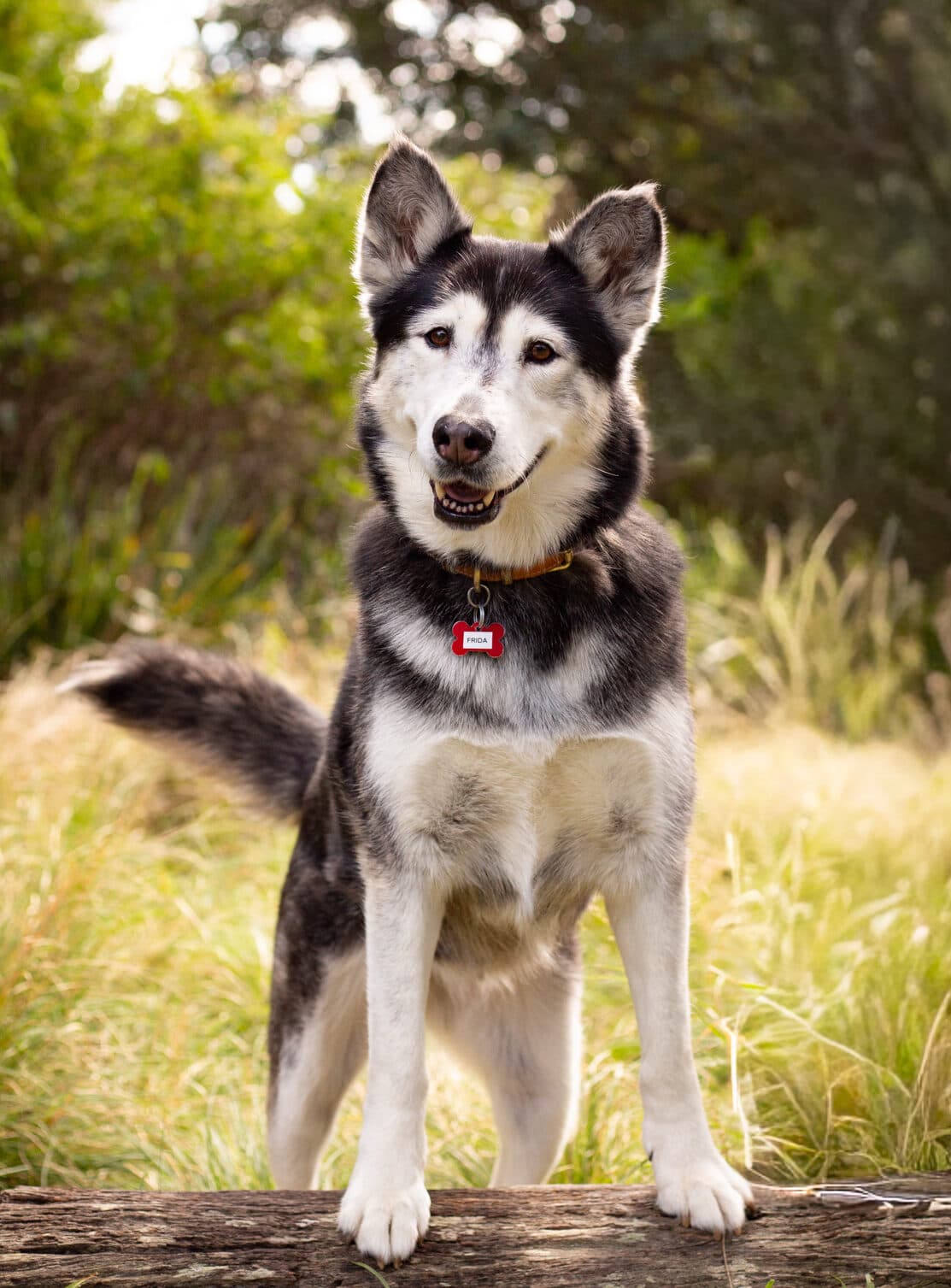
Showing 1-9 of 22 dogs
Siberian Huskies are among the most surrendered breeds in NSW, and the reason is almost always the same: people fall for the striking looks and underestimate the dog. A Husky is a high-energy working sled breed bred to run for hours, and without serious daily exercise and mental work it becomes destructive, vocal and a determined escape artist. Sydney rescues and pounds see a steady stream of them, often young adults given up when the novelty wears off.
Two things define living with a Husky here. First, containment: Huskies climb, dig and bolt, so a secure, high, dig-proof fence and a lead in any unfenced space are non-negotiable, because a loose Husky will run and not look back. Second, the Sydney climate: the thick double coat is built for the Arctic, so summer heat is a real risk and shade, water and cool-hour exercise matter. They also shed enormously.
A Husky in the right active home is a friendly, comical, people-loving dog, usually good with other dogs and children, though the strong prey drive means caution around cats and small animals. This is not a first-dog breed for most people. Browse the Huskies and Husky crosses listed below from rescues and shelters across Sydney and New South Wales.
Huskies in Sydney rescue
A Husky in rescue often has a familiar story: a striking puppy, then a teenage dog with far more energy, noise and escape skill than the household planned for.
That is why the rescue will ask hard questions about your fencing, your daily routine and your experience, and those questions are fair. Answer them honestly, because a Husky that goes back to rescue a second time is the outcome everyone is trying to avoid.
The fence, the lead and the noise
Huskies are bred to run, and many will leave through any gap they can find. A high fence that the dog cannot climb or dig under matters more than the size of the yard. Outside the yard, a Husky stays on lead except in a fully fenced off-leash area, because recall is rarely reliable once something interesting moves.
They are also talkative. Huskies howl and talk rather than bark, and a bored or lonely Husky can be loud for long stretches. In a home with close neighbours that is worth thinking about before you apply, not after.
- A high, dig-proof fence is the first thing a rescue will ask about.
- Keep on lead except in fully fenced off-leash areas.
- Expect howling and talking, especially when the dog is bored.
- Huskies are NOT a restricted breed in NSW.
Living with a Husky in Sydney
Summer heat and humidity on the NSW coast are the other big adjustment. Exercise at dawn or after dark through summer, provide shade, water and a cool floor to lie on, and never shave the double coat, which helps insulate the dog rather than trapping heat. Regular brushing through the shedding seasons does far more good than clippers.
The NSW health risk that catches new dog owners out is the paralysis tick, which lives along the NSW coast and in coastal bushland. RSPCA Australia says that "in the north, paralysis ticks may be found all year round, while in the more southern areas, the season generally begins in spring and finishes in late autumn", and that the season can start earlier after a mild winter (RSPCA Knowledgebase, kb.rspca.org.au, read 13 November 2026). Its toxin causes a paralysis that can be fatal without veterinary treatment, so ask your vet about a registered tick-prevention product and check your dog's coat after any bushwalk.
Under the NSW Companion Animals Act your dog must be microchipped by 12 weeks of age, or before it is sold or given away, and registered for life on the NSW Pet Registry "either by 12 weeks of age or immediately upon transfer (whichever happens first)" (NSW Office of Local Government, checked 13 November 2026). It is a single lifetime fee rather than an annual renewal, and lower for a desexed dog. A rescue dog comes to you already desexed and microchipped. Council leash and off-leash rules vary, so it is worth checking your own council's off-leash areas before you adopt.
Common Siberian Husky health concerns
Breed-associated conditions worth asking any rescue about before you adopt. A good rescue will already know whether a dog has been assessed for these.
Cataracts and progressive retinal atrophy
Hereditary eye conditions; the breed has elevated rates compared to most.
Ask your vet about this before you adopt.
Editorial summary for adopters, not medical advice. Ask the rescue about a specific dog's health, and consult your vet for individual guidance.
Breed and regulatory information cross-checked against NSW Office of Local Government (Dogs).
Get notified when a Siberian Husky is listed
We will email you when a Siberian Husky or Siberian Husky cross becomes available for adoption in Sydney, from a rescue or an owner rehoming.
Need to rehome a Siberian Husky?
If you can no longer keep your Siberian Husky, listing it for rehoming on LocalPetFinder connects it directly with adopters across Sydney and NSW, and keeps it out of a shelter. It is free.
List your dog for free →Siberian Husky Adoption Guides
The pre-adoption reading list specific to Siberian Huskies in Sydney and NSW.
Husky Adoption in Sydney
Where to adopt a Siberian Husky in Sydney, what it costs, why so many end up in rescue, and the escape-artist, high-energy, Arctic-coat reality.
Husky vs Malamute: Size, Coat and Temperament
Siberian Husky or Alaskan Malamute? A distance runner vs a freight hauler: size, coat, temperament and Australian heat, from the breed standards.
Husky Puppies: Adopt or Buy in Australia?
Siberian Husky puppy or a rescue? Australian heat, fences and why Huskies are surrendered, the hip and eye tests to ask for, and scam warning signs.
Wolf Dogs in Australia: Law and Wolf-Like Breeds
Wolf hybrids and wolfdog breeds such as the Czechoslovakian Wolfdog cannot be imported into Australia. The law, and legal breeds that look like wolves.
Siberian Husky Health Issues to Plan For
Hips, eyes, hypothyroidism, zinc-responsive skin problems and the heat question for a northern breed living in Australia.
Husky Escape and Exercise: Fencing, Running and Boredom
Why Huskies climb, dig and bolt, the fencing that actually holds them, how much running a Husky needs and how to deliver it safely in Australian heat.
Siberian Husky Adoption FAQ
Tap a question to expand.
How many Siberian Huskies are available for adoption in Sydney?
Siberian Huskies are listed in Sydney right now; the live count is at the top of this page. Listings are refreshed regularly as dogs are adopted and new ones arrive, so browse the current Siberian Huskies above and apply directly through the rescue.
Where can I adopt a Siberian Husky near me in Sydney?
LocalPetFinder lists Siberian Huskies available for adoption from rescues across Sydney and New South Wales. The Siberian Huskies on this page right now are listed by Blacktown Animal Rehoming Centre, DCH Animal Adoptions, Monika's Doggie Rescue. Places worth checking are the general shelters and foster-based rescues serving your part of Sydney; availability changes daily, so browse the listings above and apply directly through the rescue.
Are there Siberian Husky rescues near Sydney?
Yes. The Siberian Huskies on this page right now are listed by Blacktown Animal Rehoming Centre, DCH Animal Adoptions, Monika's Doggie Rescue. A dedicated single-breed rescue is not always active, so the most reliable path is to set an alert here and check the general shelters and foster-based rescues serving Sydney. Use LocalPetFinder to see which rescues currently have Siberian Huskies listed near you.
Where can I adopt a Siberian Husky puppy in Sydney?
Purebred Siberian Husky puppies are uncommon in Sydney rescue and are usually adopted very quickly, so the best strategy is to set an alert here and be ready to apply fast. Most Siberian Huskies in rescue are young adults, older dogs, or Siberian Husky crosses, and these make just as loving a pet as a purebred puppy while often being calmer and already part house-trained. Each rescue sets its own adoption fee and shows it on the listing; it usually covers desexing, vaccination and microchipping. If you searched "siberian husky puppies sydney", browse the Siberian Huskies above and set an alert for new arrivals.
Are these Siberian Huskies for sale in Sydney?
Not for sale, for adoption. Every Siberian Husky here comes from a Sydney or NSW rescue or shelter, not a breeder or pet shop. A rescue's adoption fee usually includes desexing, vaccination and microchipping, and each listing shows its own fee. If you searched "siberian husky for sale sydney", adopting gets you a dog a rescue has already vetted.
Where can I buy a Siberian Husky in Sydney, and should I?
You can buy from a breeder, but it is worth weighing against adoption first. A breeder sets its own price and may have a waitlist, so ask for the price and what it includes in writing, while a rescue Siberian Husky comes vetted and may be available now. Be cautious of cheap "for sale" ads on classified sites and marketplaces, which are a known hotspot for scams and backyard breeding. The ACCC Scamwatch has documented deposit scams for pets that do not exist.
Are Huskies good for first-time owners?
For most first-time owners, no. Huskies are high-energy, strong-willed escape artists that need experienced, active handling, hours of daily exercise and secure containment. A committed first-time owner who has researched the breed thoroughly and has the time, energy and yard for it can succeed, but the Husky is one of the most common breeds surrendered by owners who were not ready. Be honest about your lifestyle before you apply.
Can a Husky be left off-lead in Sydney?
Rarely, and never in an unfenced space. Huskies have a powerful drive to run and a weak recall, so a loose Husky will keep going and is a real risk near roads. Use a lead everywhere that is not fully fenced, and rely on securely fenced off-leash areas for free running. Check any home fence for gaps, climbing points and dig-outs, because Huskies are expert escapers.
How do Huskies cope with the Sydney heat?
The thick double coat is built for cold, so Sydney summers need managing. Never shave the coat, which protects against heat as well as cold; instead provide shade and constant water, walk only in the cool of the morning and evening, and keep the dog in a cool space on hot days. Watch for heavy panting and signs of heat stress, and treat overheating as an emergency.
How much exercise does a Husky need?
A lot, and this is the single biggest commitment of the breed. An adult Husky needs one to two hours of real activity a day, and a bored, under-exercised Husky becomes destructive, noisy and harder to contain. Running, hiking, secure off-lead play and mental enrichment all help. If you cannot commit to serious daily exercise, this is not the right breed.
Is a Husky a restricted breed in NSW?
No. Under the NSW Companion Animals Act the restricted breeds are the American Pit Bull Terrier, Dogo Argentino, Japanese Tosa, Fila Brasileiro and Perro de Presa Canario. Siberian Huskies are not on that list and can be adopted and registered like any other dog. Your council's general leash and off-leash rules still apply.
Why do Huskies end up in rescue?
Mostly because the dog turns out to be more than the household expected. Huskies are high-energy, vocal and skilled escape artists, and many are surrendered as young adults once the puppy stage is over. That is not a fault in the dog. In the right home, with secure fencing and real daily exercise, a rescue Husky is affectionate and great fun.