Looking for a kitten? See kittens for sale or adoption in Sydney.
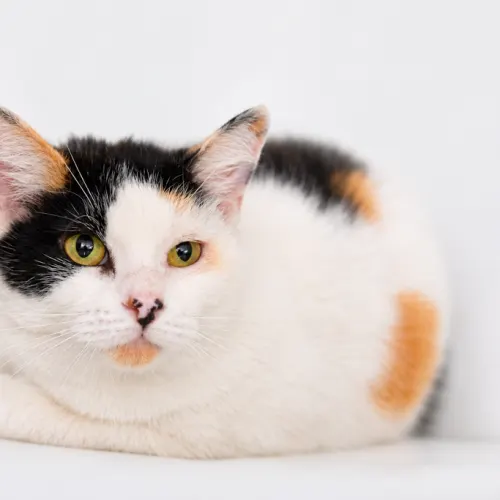
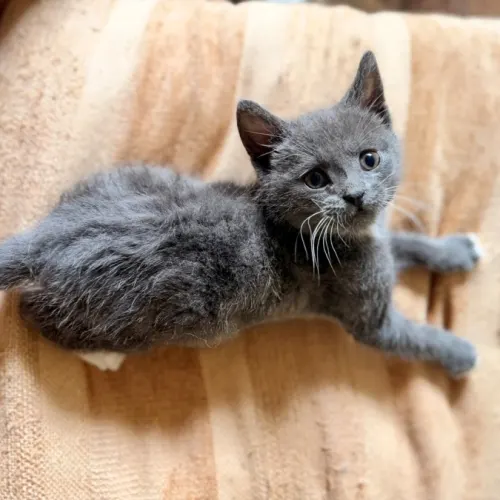
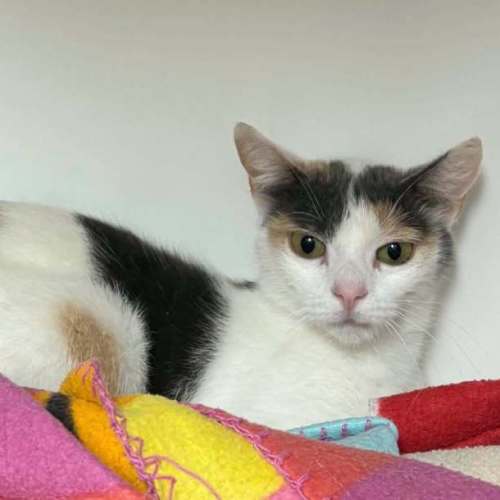

Never Miss a New Cat
Be the first to know when new rescue cats become available in your area.
Are you a local shelter or rescue?Shelter or rescue? List your pets free →
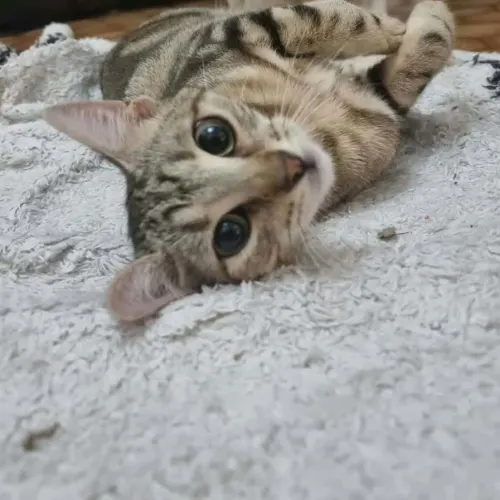
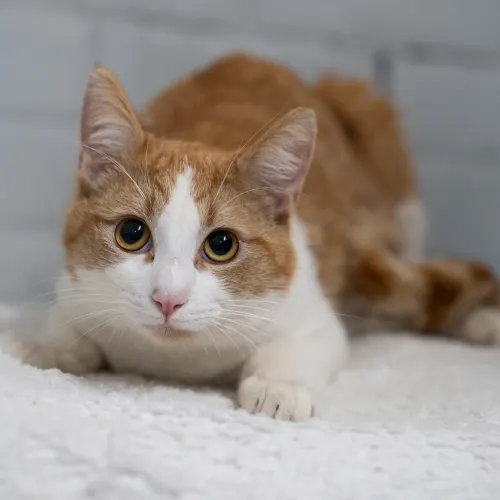
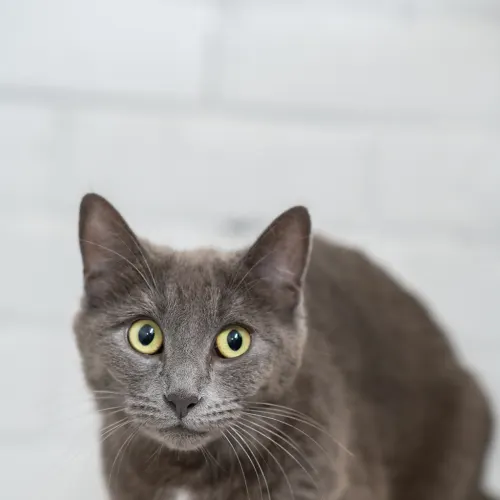
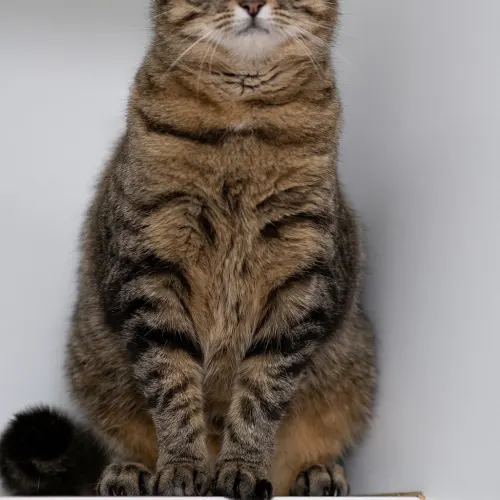
Adoptable cats in Sydney and the surrounding NSW area, from rescues and owners rehoming them, refreshed regularly.
Updated regularly from Sydney and New South Wales rescues. Compare, match, and adopt easier.
Looking for a kitten? See kittens for sale or adoption in Sydney.
Be the first to know when new rescue cats become available in your area.
Sydney cat rescues range from cat-only adoption centres, such as the Cat Protection Society of NSW in Newtown, to foster networks such as Maggie's Rescue in Marrickville and Brighter Future Cat Rescue in Western Sydney, whose cats live in volunteers' homes before adoption.
LocalPetFinder is not a shelter. We do not house cats or handle adoptions. We bring Sydney rescue cat listings together in one place, and each rescue listing links to the rescue, where you apply. Some cats are listed by owners rehoming them; those are marked, and you contact the owner through the listing. The site is free, and adoption fees are set by the rescue and paid to it.
RSPCA NSW says cats start breeding around August and that kittens arrive in big numbers from mid-October through spring, summer and most of autumn (RSPCA NSW, read November 2026).
Whether a kitten or an adult cat suits you depends on your home. Read the notes on each profile, and ask the rescue or foster carer how the cat behaves with children, other cats and dogs before you apply.
Each Sydney rescue sets its own cat fee and says what it includes. RSPCA NSW lists $220 for a cat over 6 months and $270 for a kitten under 6 months, and says the fee covers desexing, microchipping, vaccinations and health checks. Cat Protection Society of NSW lists $150 per cat or kitten, or $250 for two, and says its cats are vet health-checked, desexed, microchipped, flea- and worm-treated and have had at least their first vaccination; it also registers the cat for you at adoption. Animal Welfare League NSW sets each cat's fee individually and shows it on the cat's profile, and says the fee includes desexing, a health and dental check, microchipping and up-to-date vaccinations.
These figures were read on each rescue's own pages in November 2026. Fees change, so check with the rescue; they are reference only, not a quote.
NSW law does not require pet cats to be kept indoors. Inner West Council notes that "it is not unlawful for a cat to enter private property or roam public places" in NSW, but all cats are prohibited within 10 metres of a food preparation or consumption area and from wildlife protection areas (Inner West Council, read November 2026).
Some rescue cats are listed for indoor-only homes. Cat Protection Society of NSW says this can be because pale features make a cat prone to skin cancer or because the cat is very shy, and that "cats can live perfectly healthy and happy lives indoors". It also advises keeping a newly adopted cat completely indoors for at least its first month. Read more in our guide to indoor and outdoor cats in Sydney.
Each rescue runs its own process. In outline:
A rescue cat comes with vet work the rescue has already paid for: every fee above includes desexing and microchipping, alongside vaccinations and a health check.
Desexing also matters under NSW law. A cat 4 months or older that is not desexed needs an annual permit on top of its registration (NSW Office of Local Government), and RSPCA NSW says a female cat can breed from 4 months and have up to two litters a season.
Foster-based rescues such as Maggie's Rescue and Brighter Future Cat Rescue keep their cats in volunteers' homes, so the carer can describe how a cat behaves in a home before you meet it.
Browse cats from Animal Adoption Agency, Animal Welfare League NSW, Blacktown Animal Rehoming Centre, Blue Mountains Animal Care Centre, Brighter Future Cat Rescue, Campbelltown Animal Care Facility, Cat Protection Society of NSW, CatRescue 901, DCH Animal Adoptions, Furever After Rescue, Hawkesbury Companion Animal Shelter, Hills Cat Rescue, Maggie's Rescue, Pound Rescue Inc, RSPCA NSW, SAFE Rehoming, Sutherland Shire Council Animal Shelter, Sydney Dogs and Cats Home, Wollondilly Animal Shelter. Looking elsewhere in the state? See all New South Wales adoption options, or browse dogs for adoption in Sydney.
Under the NSW Companion Animals Act 1998 a cat must be microchipped by 12 weeks of age, or before it is sold or given away, and registered for life on the NSW Pet Registry. The NSW Office of Local Government says "all pet cats and dogs in NSW must be registered on the NSW Pet Registry either by 12 weeks of age or immediately upon transfer (whichever happens first)" (checked 13 November 2026), so an adopted cat is registered when it becomes yours, if it is not already.
A desexed cat adopted from an eligible council pound, shelter or approved rehoming organisation registers for $0 lifetime (NSW Office of Local Government fee table, checked 13 November 2026), and rescue cats almost always arrive desexed and microchipped already.
Paralysis ticks are found along the NSW coast and in bushland, and they affect cats as well as dogs. RSPCA Australia says that "in the north, paralysis ticks may be found all year round, while in the more southern areas, the season generally begins in spring and finishes in late autumn", and that the season can start earlier and end later, for example after a mild winter (RSPCA Knowledgebase, kb.rspca.org.au, read 13 November 2026). An indoor cat is far less exposed; if yours goes outside, ask your vet about a cat-safe tick product and never use a dog product on a cat.
Sources: NSW Office of Local Government (pet registration fees) · NSW Office of Local Government (registration and permit fees) · NSW Office of Local Government (microchipping) · Companion Animals Act 1998 (NSW legislation) · RSPCA Knowledgebase (tick paralysis)
Sydney guides on adoption costs, indoor and outdoor cats, your first week with a rescue cat and a new kitten, written for Sydney cat owners. Start with the Sydney cat adoption guide.
See cats being rehomed directly by their owners in Sydney, or list your own cat free.
A step-by-step guide to rehoming a cat for free: gathering its records, listing it, screening adopters and updating the microchip.
Browse adoptable cats by breed, starting with the breeds listed in Sydney right now. Each breed page shows what is available in Sydney now, plus how adoption fees work, the health to plan for and the local law.
Adoptable cats in towns near Sydney, with any pets based in that town listed first.
Common questions about adopting a cat in Sydney through LocalPetFinder.
Sydney and NSW have several cat rescues, including the Cat Protection Society of NSW, RSPCA NSW, Animal Welfare League NSW, Sydney Dogs and Cats Home, Maggie's Rescue and Brighter Future Cat Rescue. LocalPetFinder brings their adoptable cats together in one place. All applications are submitted directly to the rescue.
Cat adoption fees in Sydney vary by rescue. Read on the rescues' own pages in November 2026: RSPCA NSW lists $220 for a cat over 6 months and $270 for a kitten under 6 months, and says its animals are desexed, microchipped, vaccinated and health-checked. Cat Protection Society of NSW lists $150 per cat or kitten, or $250 for two, and says its cats are vet-checked, desexed, microchipped, flea- and worm-treated and have had at least their first vaccination. Animal Welfare League NSW shows each cat's fee on the cat's profile (checked 9 November 2026). Fees change, so check with the rescue; these figures are reference only, not a quote. Read our Sydney cat adoption costs guide.
Some rescue cats are listed for indoor-only homes; Cat Protection Society of NSW says this can be because pale features make a cat prone to skin cancer or because the cat is very shy, and that cats can live healthy, happy lives indoors. NSW law does not require pet cats to be kept in: Inner West Council notes that it is not unlawful for a cat to roam public places in NSW. Cats are, however, banned within 10 metres of public food preparation or eating areas and from wildlife protection areas a council has declared. Each cat profile notes its indoor or outdoor preference if known. Read our guide to indoor and outdoor cats in Sydney.
It depends on the cats and your home, so ask the rescue. Cat Protection Society of NSW says cats usually love a feline friend, and lists $250 for two cats against $150 for one (read November 2026; fees change, so check with them; reference only, not a quote). A bonded pair is two cats a rescue rehomes together because they already know each other.
Yes. NSW cats must be registered for life on the NSW Pet Registry by 12 weeks of age or immediately upon transfer to a new owner, whichever happens first (NSW Office of Local Government, checked 13 November 2026), and microchipped by 12 weeks or before being sold or given away. A desexed cat adopted from an eligible pound, shelter or approved rehoming organisation registers for $0.
Yes. The paralysis tick lives in coastal and bushland NSW and can paralyse cats as well as dogs. RSPCA Australia says it may be found all year round in the north, while further south the season generally runs from spring to late autumn (RSPCA Knowledgebase, read 13 November 2026). Keeping a cat indoors cuts the risk sharply; for a cat that goes outside, use a vet-recommended cat-safe product, never one made for dogs.
Cat listings are refreshed regularly. Since adoptions happen quickly, always confirm availability by clicking through to the rescue's official page before applying.
No. PetRescue.com.au is one of Australia's largest national adoption sites, listing animals from rescues right across the country. LocalPetFinder brings together adoptable cats from rescues serving Sydney and the surrounding area, plus any cats listed by their owners for rehoming, alongside the local rules on registration, desexing and microchipping in New South Wales. The two are separate platforms.
LocalPetFinder lists adoptable cats from rescues serving Sydney, refreshed regularly, plus any cats listed by their owners for rehoming, which are marked as owner listings. Adopt A Pet (adoptapet.com) describes itself as partnering with shelters and rescues across the U.S. and Canada (its own site, checked 13 November 2026), and PetRescue lists nationally. A rescue listing links straight to the rescue that has the animal, so you apply with them directly; for an owner listing you contact the owner through the listing.
Have a cat to rehome?
List your cat free on LocalPetFinder. You talk to adopters yourself and you choose the home.
List your cat free →Not found the one yet?
We will email you when new cats are listed in Sydney on LocalPetFinder.
No spam, unsubscribe anytime.
For rescues & shelters
A free account for rescues and shelters: your cats appear here and across LocalPetFinder.