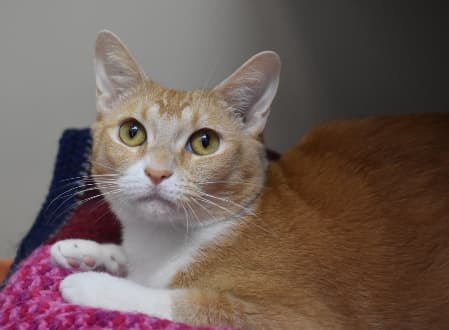
Cinnabon
2.5 years • Domestic Shorthair
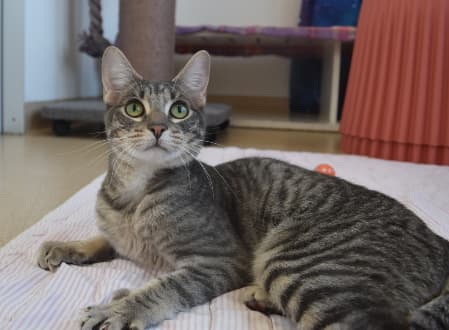
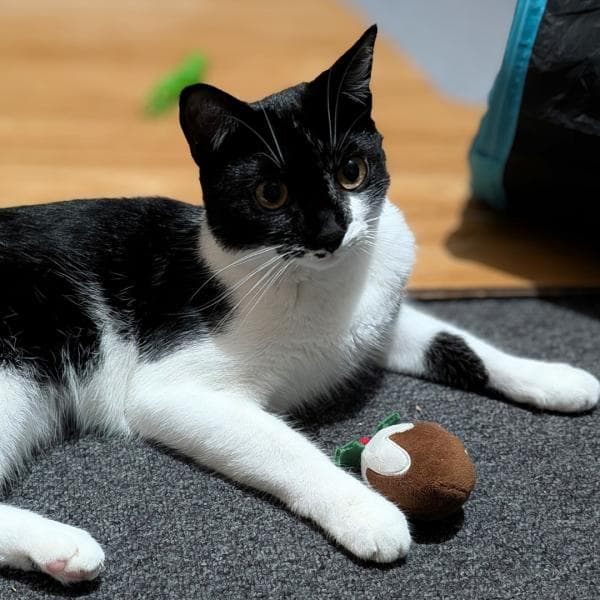
Dixon
1 year • Domestic Shorthair
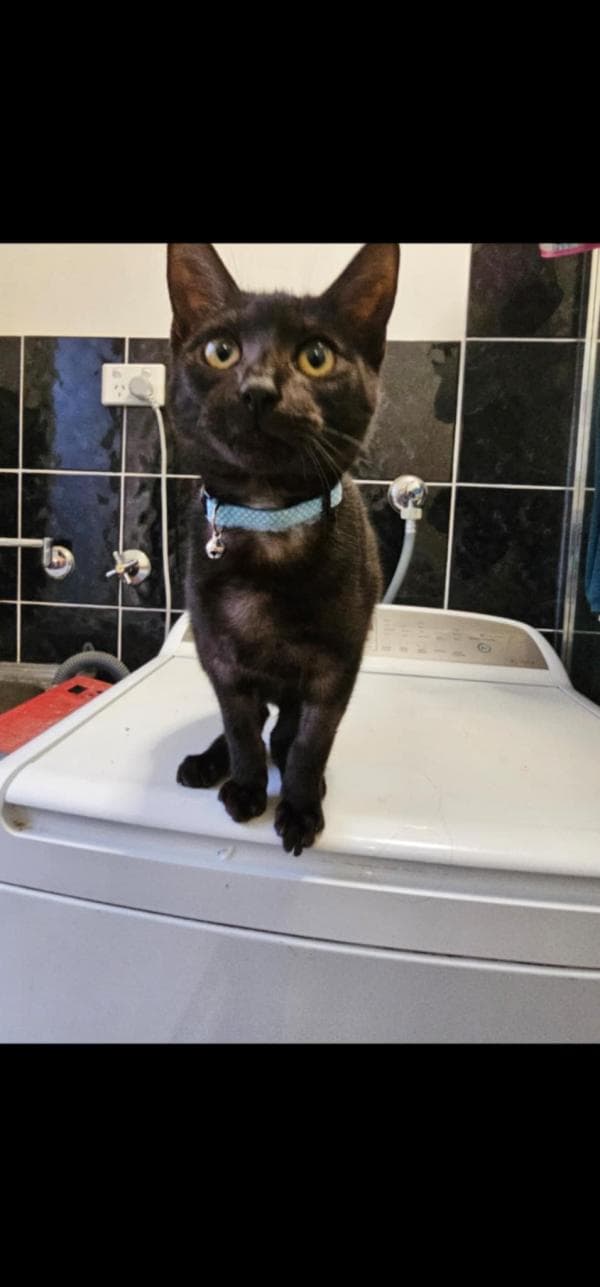
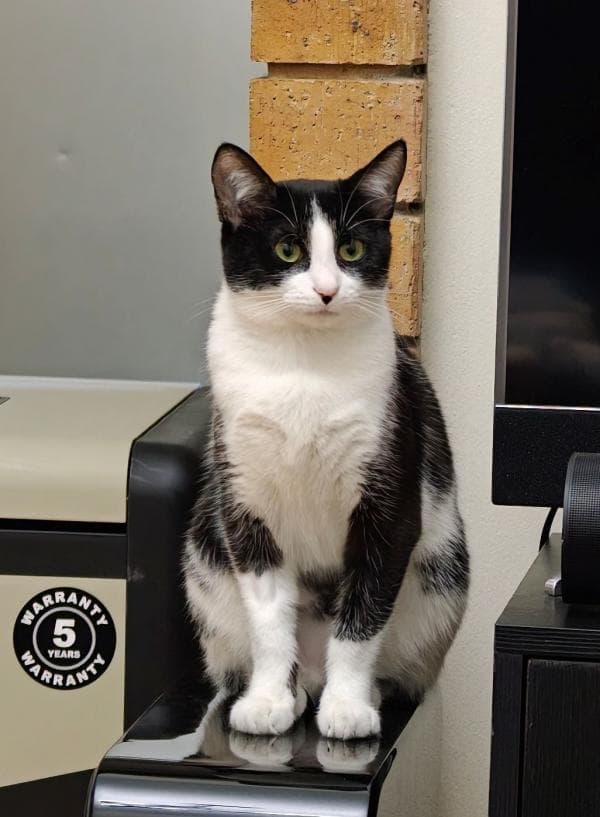
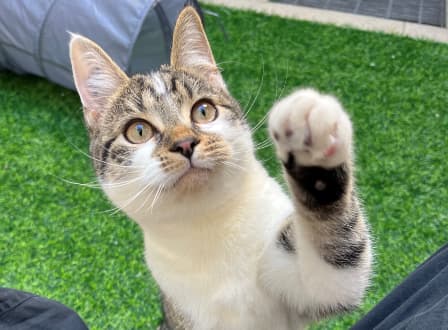
Lexi
1 year 3 months • Domestic Short Hair
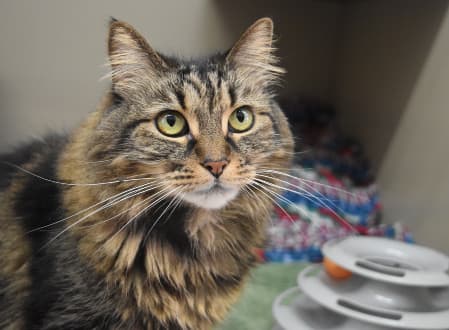
Marama
11 years • Domestic Medium Hair
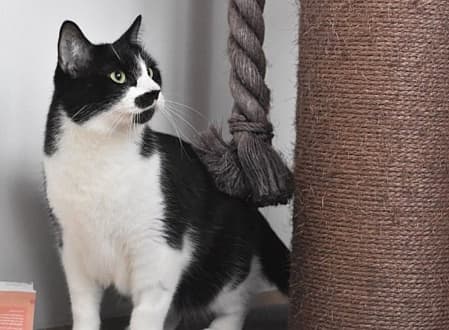
Monty
4 years • Domestic Shorthair
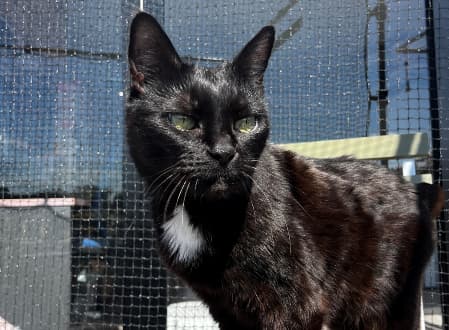
Polly
14.5 years • Domestic Shorthair
Most Sydney cat rescues require their cats to live indoors only, or in a contained outdoor space like a catio. Busy roads and vehicle traffic, protection of native birds and wildlife, disease and cat-fight injuries, and a growing number of NSW councils with cat-containment rules all make free-roaming outdoor life dangerous and short. The cats listed below are specifically flagged as indoor-only — they're used to indoor life, often previously lived in apartments or units, and don't have outdoor habits to unlearn.
Indoor cats live dramatically longer than outdoor cats — typically 15+ years vs 3 to 5 for outdoor. They also avoid the parasites, infections, fights, and accidents that cut outdoor cat lives short. The trade-off is they need more enrichment from their humans: cat trees, window perches, daily play sessions, and ideally a feline companion.
All cats below are in the LocalPetFinder database with their indoor-only status confirmed by their shelter. If you live in an apartment or condo, or simply want a cat that's safe at home, these are your matches.
Why Sydney rescues keep cats indoors
Almost every Sydney and NSW cat rescue requires its cats to be adopted into indoor-only or contained homes, and it is not an arbitrary rule. The biggest everyday danger to a Sydney cat is traffic. A roaming cat in a dense metropolitan area is far more likely to be hit by a car, and busy roads run through nearly every suburb. Free-roaming cats also fight, pick up infectious diseases like FIV, get injured, and go missing. Indoor cats simply live much longer, safer lives.
There is a second, uniquely Australian reason. Cats are natural hunters, and roaming pet cats take a heavy toll on native wildlife, including small mammals, reptiles and, especially, birds. Keeping a cat indoors or in a contained run protects the lizards, possums and native birds that share Sydney's backyards and bushland fringes. The RSPCA supports keeping cats safe at home for exactly these welfare and wildlife reasons.
NSW council cat containment rules
Cat ownership in NSW sits under the Companion Animals Act 1998, administered by the NSW Office of Local Government. On top of the statewide microchipping and registration rules, some NSW councils have introduced cat containment provisions that expect cats to be kept on their owner's property, particularly overnight or near environmentally sensitive areas. The specifics vary from council to council, so it is worth checking the current rules for your local government area.
Even where containment is not formally mandated, keeping a cat contained is the direction welfare bodies and most rescues strongly encourage. Adopting a cat that is already indoor-only means you meet these expectations from day one, with no outdoor habits to unlearn. You register your cat once for its lifetime through the NSW Pet Registry (free for a desexed cat from an eligible pound, shelter or approved rehoming organisation, otherwise $74), and a microchipped indoor cat that does slip out has a much better chance of getting home.
Catios and contained outdoor access
Indoor-only does not have to mean four walls forever. A catio, an enclosed outdoor cat run, lets a cat enjoy fresh air, sunshine and the sights and smells of the garden without any of the risks of roaming. Catios range from a simple window box or balcony enclosure in an apartment to a full backyard structure connected to the house by a cat door. Cat-proof fencing that curves inward is another option for a secure yard.
For most Sydney apartments, a securely screened balcony or a window perch gives a cat plenty of stimulation. Whatever the setup, the goal is the same: the cat gets enrichment and the wildlife stays safe. A contained outdoor space is a great compromise for owners who want their cat to experience the outdoors on their own terms.
Keeping an indoor cat enriched
The one real trade-off of indoor life is that the cat relies on you for stimulation. Cats are climbers, so vertical space matters: a tall cat tree, wall shelves or a perch by a sunny window gives them territory and a view. Short bursts of interactive play once or twice a day with a wand toy satisfy the hunting instinct, and puzzle feeders that make a cat work a little for food keep a clever cat busy.
Rotate a small set of toys rather than leaving everything out at once, provide a good scratching post to protect your furniture, and consider a second cat, since two cats often entertain each other far better than a single cat entertains itself. Get the enrichment right and an indoor cat is a calm, contented, long-lived companion, which is exactly what makes them so well suited to Sydney apartments and unit living.
Where these indoor cats come from
The indoor-only cats listed here are drawn from Sydney and NSW rescues that place their cats in contained homes as a matter of policy, including the cat-only Cat Protection Society of NSW in Newtown, RSPCA NSW, Sydney Dogs and Cats Home, the Animal Welfare League NSW, and Western Sydney foster network Brighter Future Cat Rescue. Many are fostered in volunteer homes, so the rescue can tell you how the cat copes with apartment living, noise and other pets before you apply.
Litter tray setup for indoor cats
Because an indoor cat does everything at home, the litter setup matters more than many first-time owners expect. The standard guidance is one tray per cat plus one spare, so even a single-cat home ideally has two, placed in separate quiet, low-traffic spots rather than side by side. Cats dislike doing their business next to the food bowl or in a busy hallway, so location genuinely affects whether they use the tray reliably.
Scoop daily and do a full litter change and wash on a regular cycle. Most cats prefer an unscented, fine-textured clumping litter and a large, open or generously sized tray. If a cat that was reliably clean suddenly starts avoiding the tray, treat it as a possible health sign, not naughtiness, and speak to your vet, since urinary problems and other conditions often show up first as litter tray changes.
Bringing a former outdoor cat inside
Some rescue cats arrive having lived part or all of their lives outdoors, and the transition to full indoor life is very doable with patience. Ramp up the enrichment to replace the stimulation they used to get outside: more play sessions, a tall cat tree with a window view, puzzle feeders, and rotating toys. A securely screened window or a catio bridges the gap nicely, letting the cat watch and smell the outdoors safely.
Expect some vocalising at doors early on and hold the line calmly; letting a cat out “just once” teaches it that persistence works. Keep meals and play on a predictable routine so the day has structure, and give it a few weeks. Most former outdoor cats settle into contented indoor life once they realise the food, warmth and company are all inside, and they are far safer for it.
Indoor multi-cat households
Two cats often make indoor life easier, not harder, because they keep each other company and burn energy through play while you are out. The key to a peaceful multi-cat home is enough resources so nobody has to compete: separate feeding stations, plenty of litter trays (one per cat plus one spare), and multiple resting spots and vertical perches so each cat can claim its own space.
Introduce cats gradually rather than face-to-face on day one, swapping scents and using a barrier before supervised meetings. If you are adopting your first cat and know you will be out a lot, ask the rescue about a bonded pair or a cat that is known to enjoy feline company. Rescues that foster their cats can tell you which individuals settle well with another cat and which prefer to be the only one.
Indoor Cat FAQ
Can indoor cats be happy without going outside?
Yes — with adequate enrichment. Indoor cats need vertical space (cat trees, shelves), interactive play 1-2 times daily, window perches for “cat TV,” and ideally a feline companion. With those, they live longer and healthier than outdoor cats.
Why are most Sydney rescue cats indoor only?
Several reasons: vehicle traffic on busy roads, protection of native birds and wildlife, disease and cat-fight injuries, and a growing number of NSW councils with cat-containment rules. Indoor or contained (catio) cats live longer and safer, so most rescues simply won't risk their cats roaming outdoors.
How do I keep an indoor cat from getting bored?
Daily interactive play with a wand toy (10-15 minutes is plenty), puzzle feeders that make them work for kibble, vertical climbing space, a tall cat tree by a window, and rotating toy supply weekly. Two cats keep each other entertained.
Are indoor cats good for apartments?
Yes — they're ideal. Indoor cats use vertical space rather than horizontal, are quiet (especially compared to dogs), don't need a yard, and most apartment buildings welcome cats without breed restrictions or extra fees.
Are these indoor cats for sale in Sydney?
Not for sale, for adoption, which is usually the better deal. Every cat here comes from a Sydney or NSW rescue, not a breeder or classified seller, and the adoption fee already includes desexing, vaccination, microchipping and a FIV check. That fee is generally $200 to $220 for an adult and $250 to $270 for a kitten, against far more from a breeder with none of the vet work done. If you searched “indoor cats for sale sydney”, adopting gets you a vetted cat for a fraction of the price.
Where can I find free indoor cats for adoption near me in Sydney?
Truly free cats are rare, and a “free cat near me” or “free kitten” advert is more often a warning sign than a bargain: unvetted, or a scam the ACCC Scamwatch has documented. A rescue cat is not free but it is inexpensive and safe. The adoption fee, usually $200 to $220, already covers desexing, vaccination, microchipping and a FIV check, which would cost far more separately, and some senior or long-waiting cats have reduced fees. Browse the indoor cats above from rescues across Sydney and NSW.
Where can I find indoor cats for adoption near me in Sydney?
LocalPetFinder lists indoor cats available for adoption from rescues across Sydney and New South Wales, including the Inner West, Eastern Suburbs, Northern Beaches and Western Sydney, with cat rescues like the Cat Protection Society of NSW, RSPCA NSW and Sydney Dogs and Cats Home. Listings update regularly, so browse the indoor cats above and apply directly through the rescue.