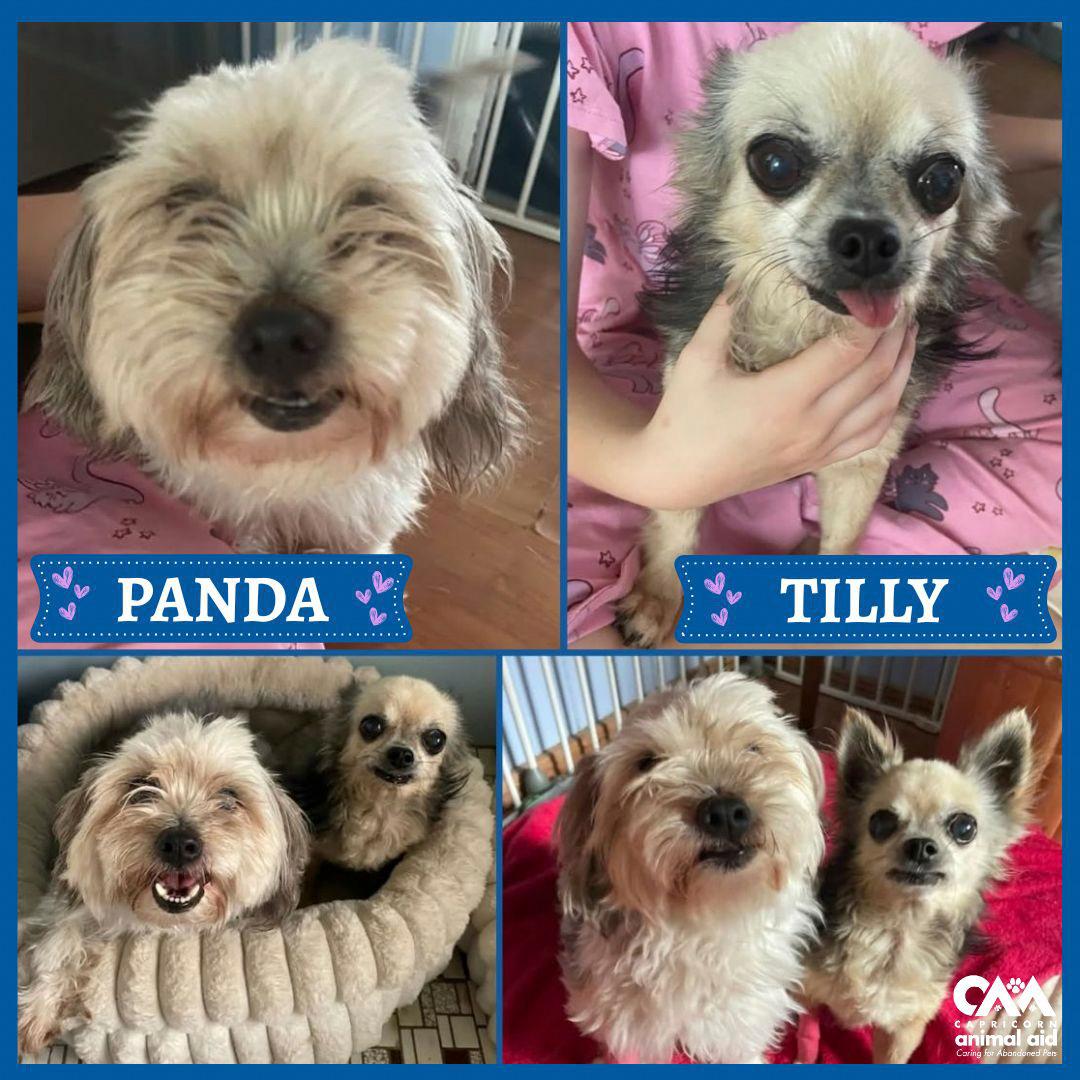
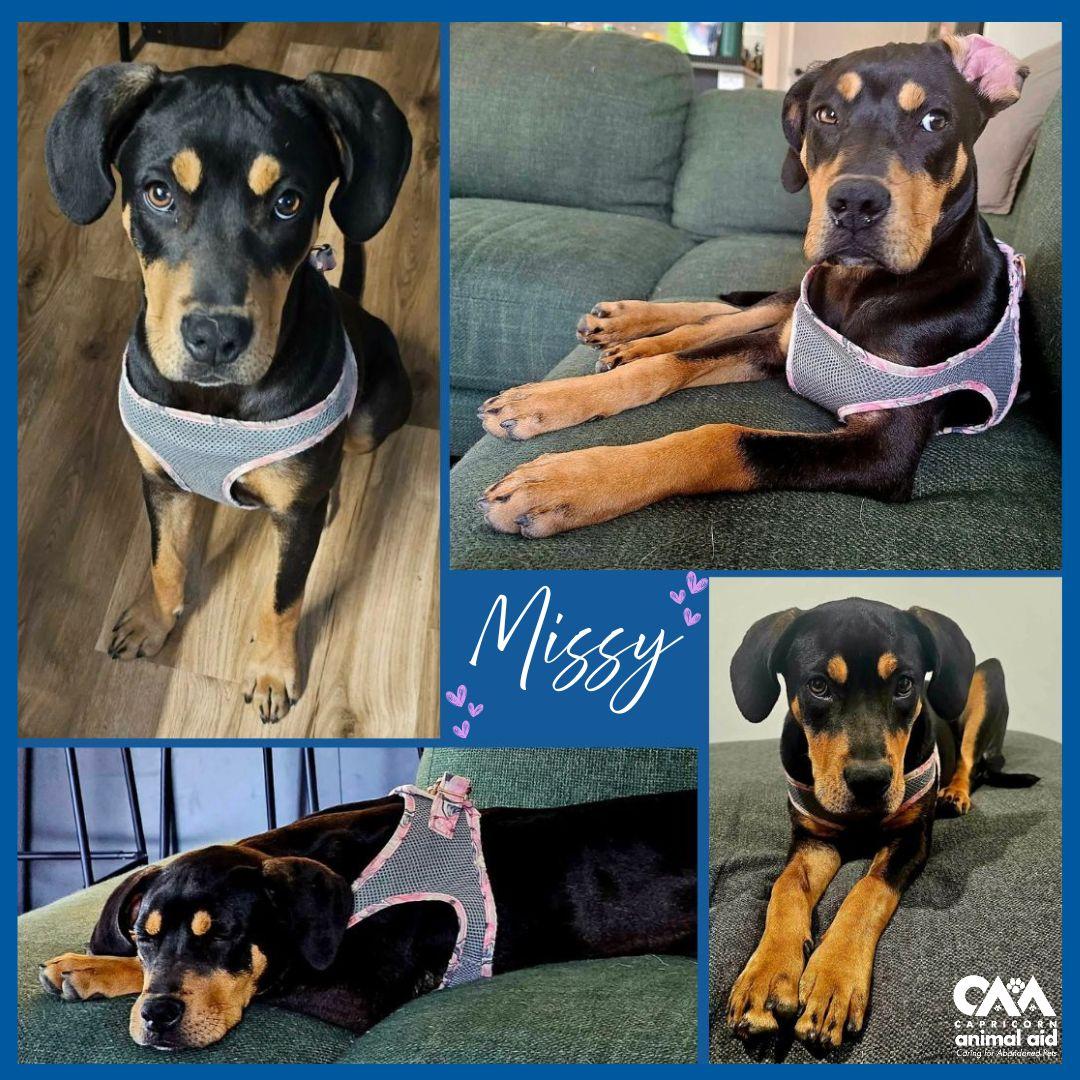
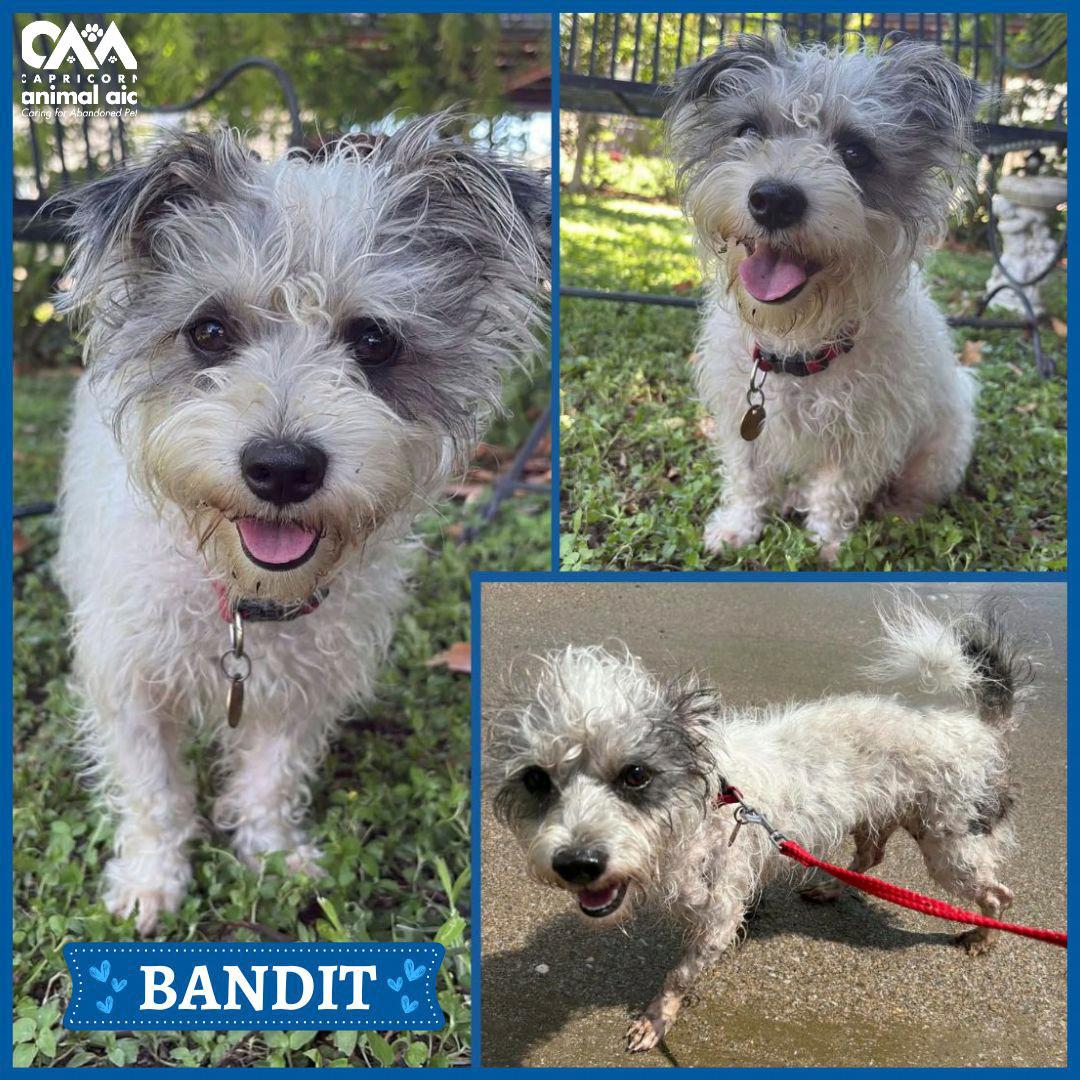
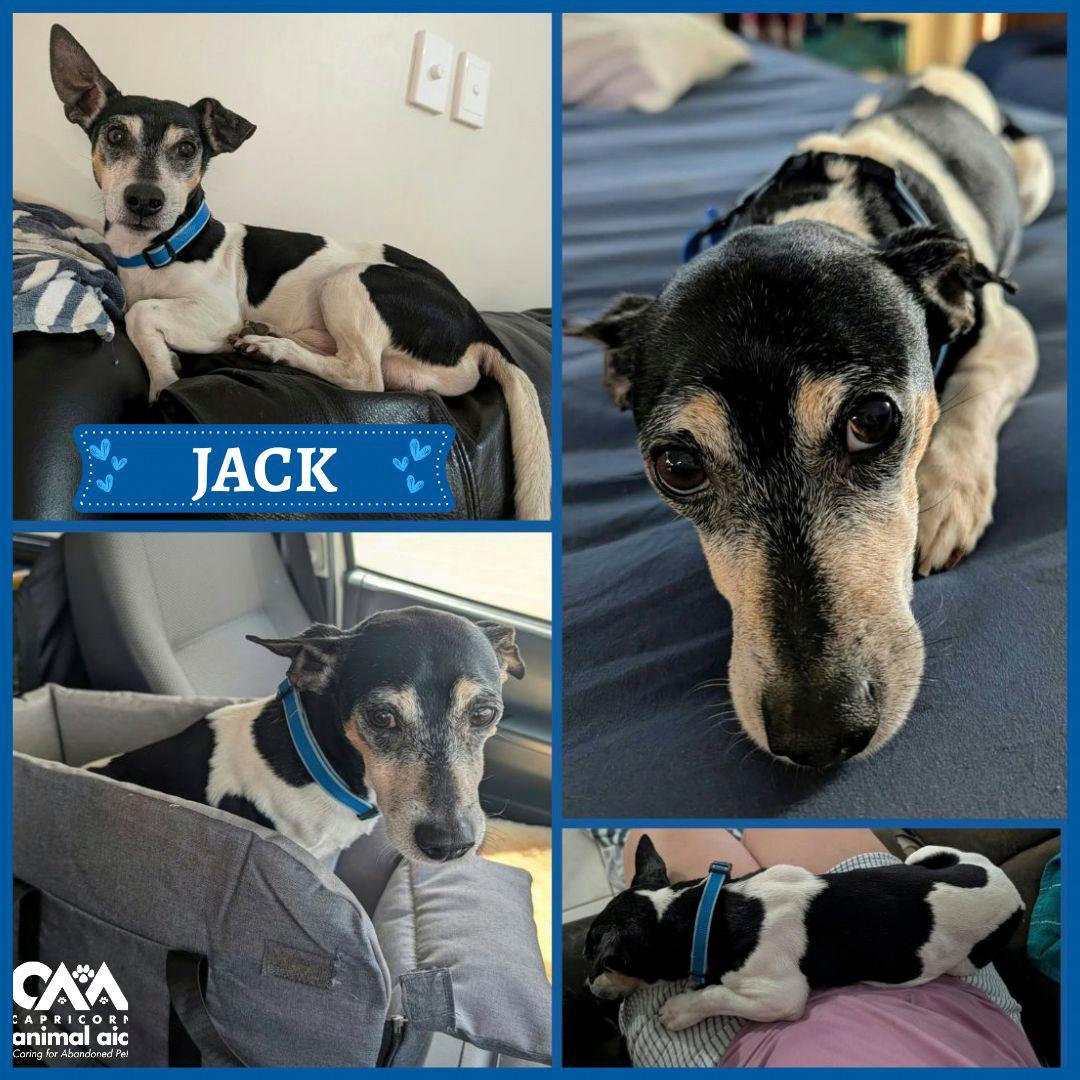
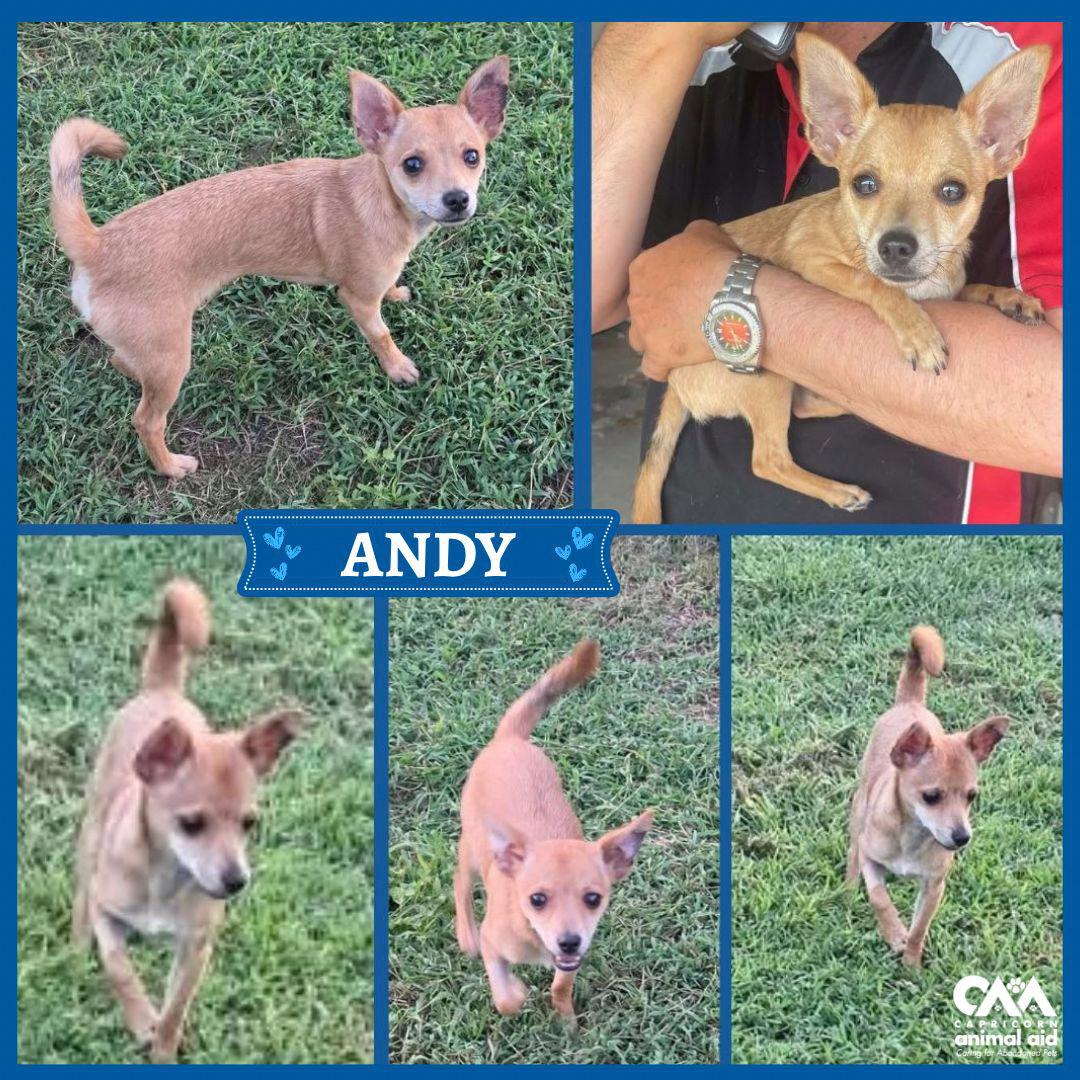
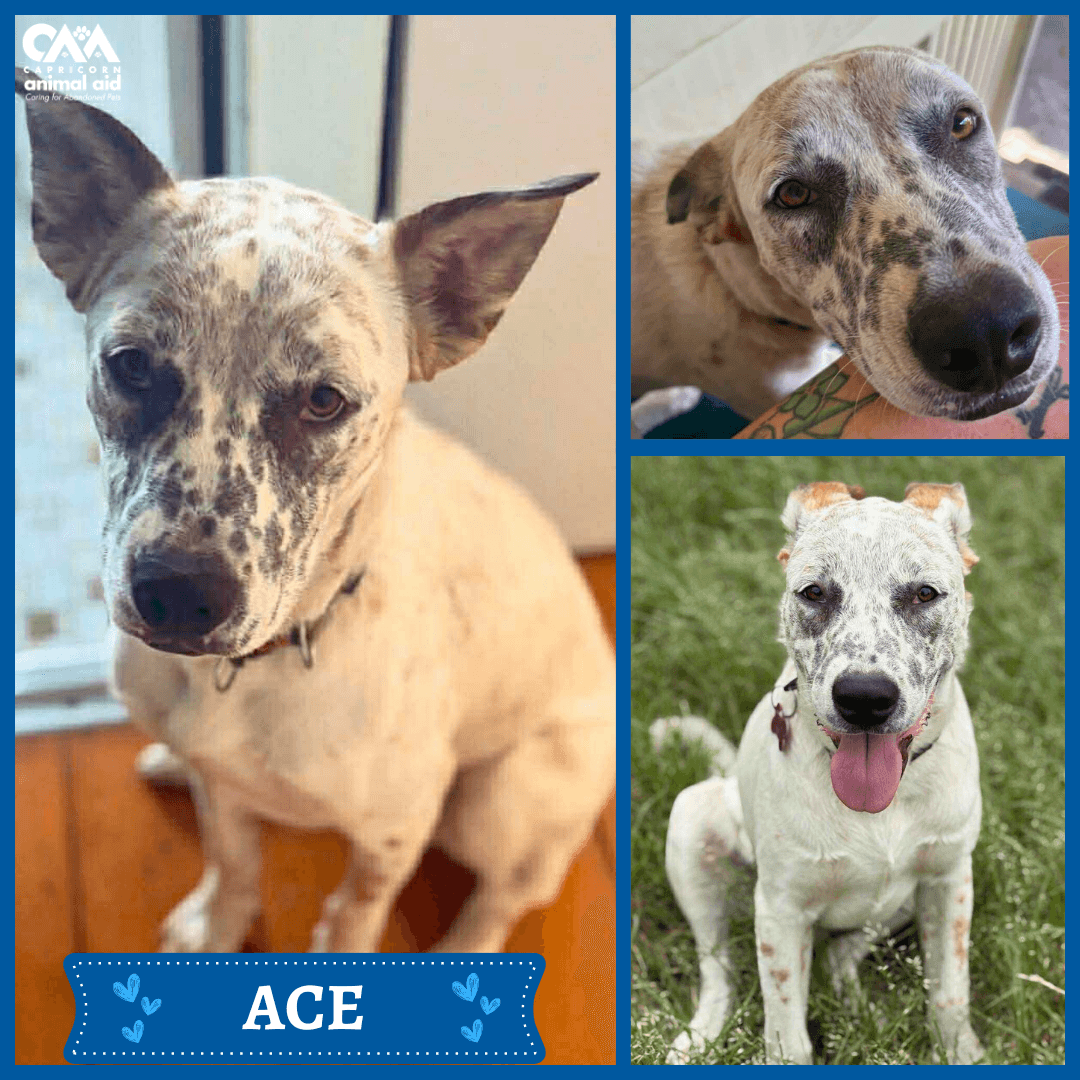
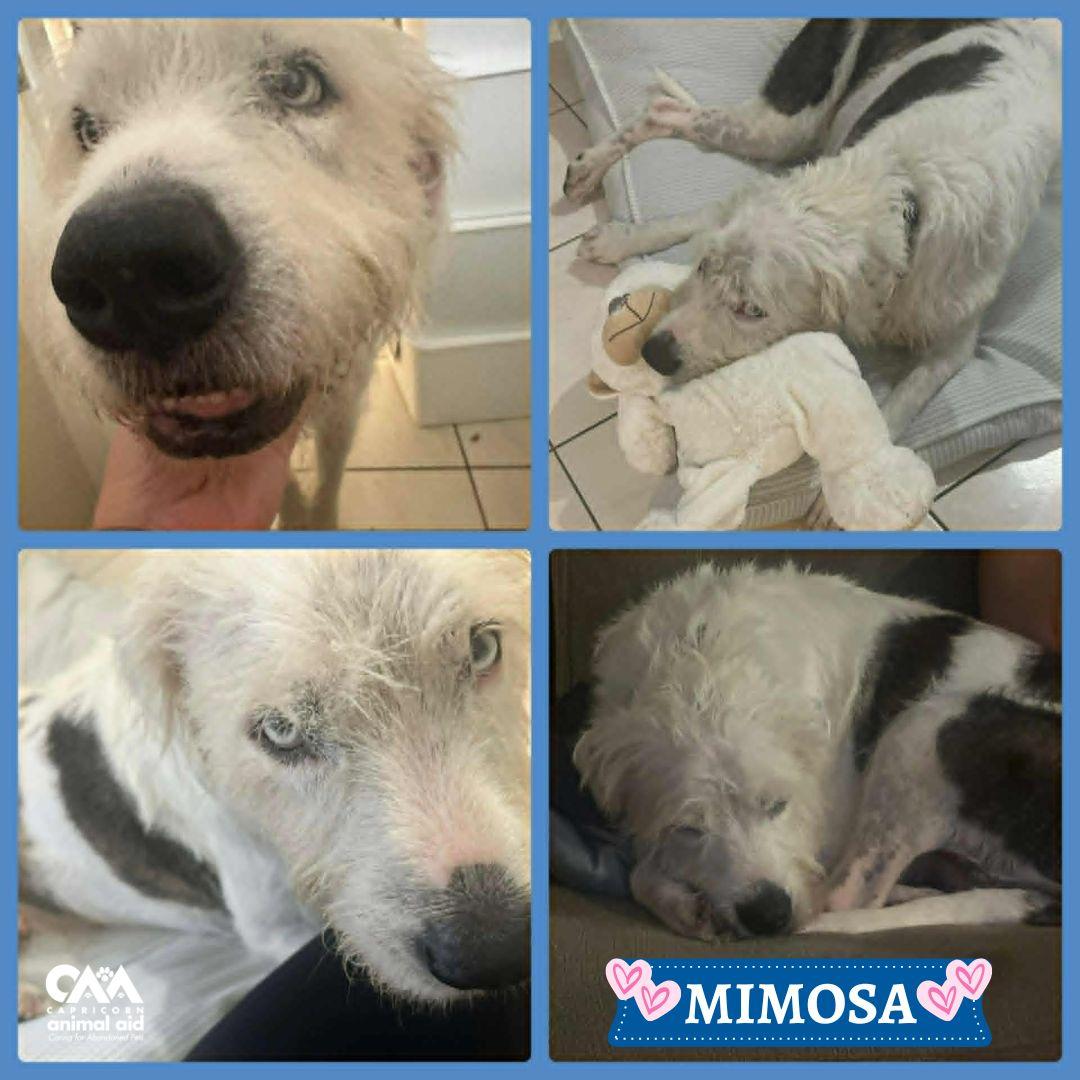
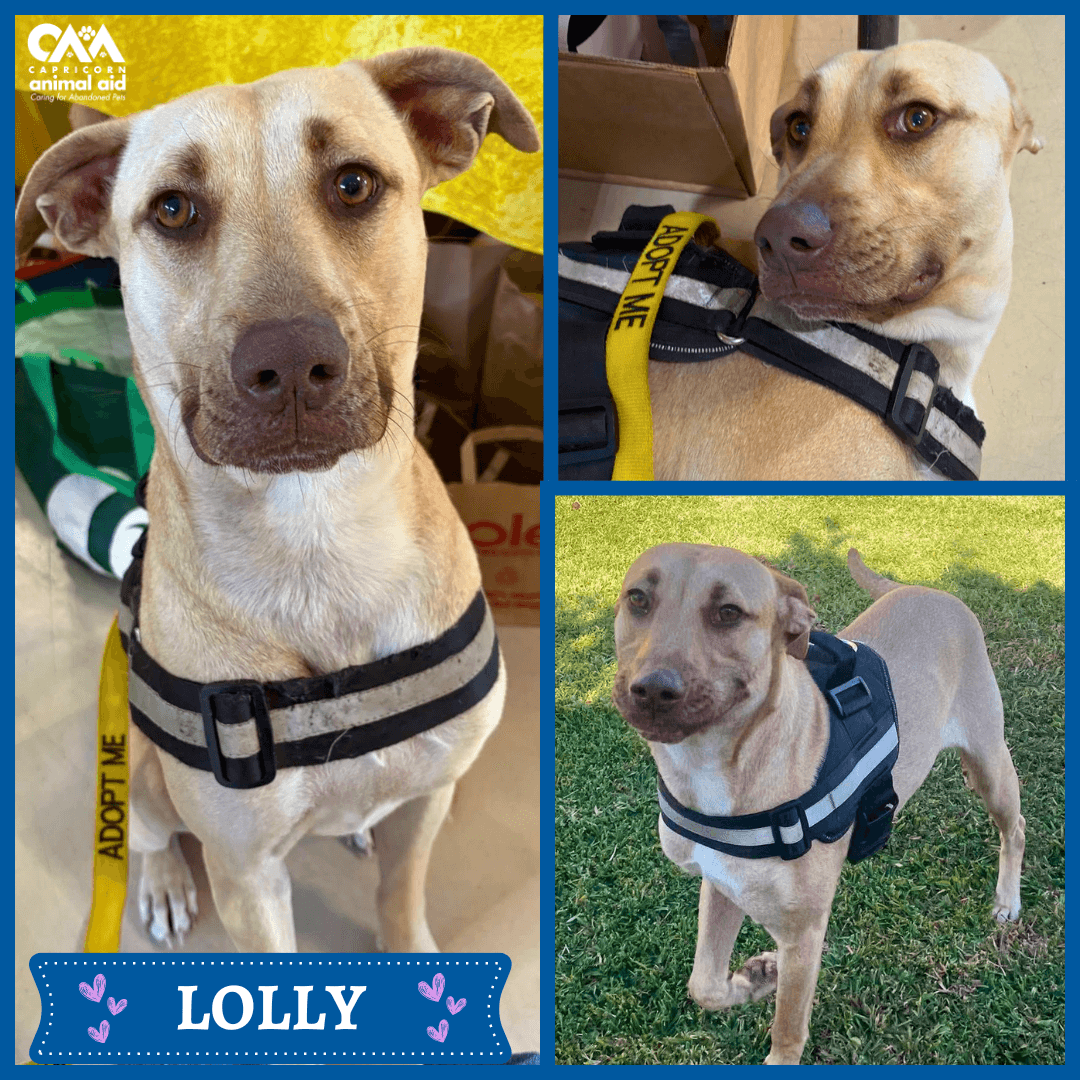
Looking to adopt a dog in Rockhampton? The dogs on this page are listed by rescues and shelters serving the Rockhampton area, so you can see what is available locally without checking each rescue's site one by one. Each profile links straight back to the rescue that has them.
New to adopting? Our Rockhampton dog adoption guides collect our practical guides for adopters in Rockhampton.
Not sure which rescue to contact first? Read our guide to the best dog rescues in Rockhampton.
Rockhampton: the council pound and the local rescues
Rockhampton Regional Council's Animal Management Centre in Gracemere is open Monday to Friday from 8am to 4.30pm and Saturday from 7am to 10am, and by appointment on Sundays and public holidays (Rockhampton Regional Council, read 14 November 2026). It does not adopt animals out itself: the council says it works with rescue groups across the region and interstate, and asks anyone interested in an impounded animal to contact one of the agencies on its list. Its 2026/2027 fees for registering a dog are in the FAQ below.
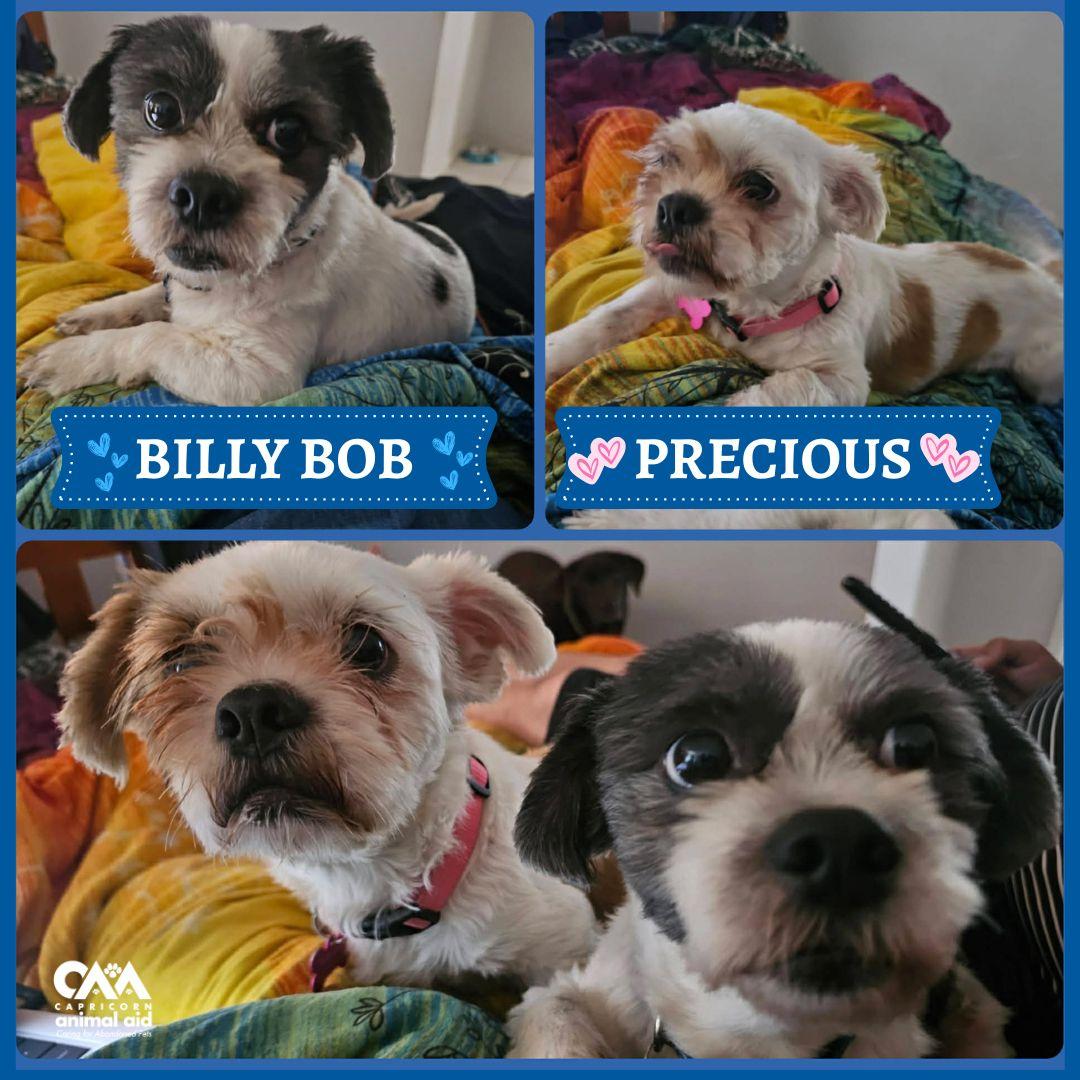
Two Rockhampton rescues on that council list have no shelter, so their animals live with volunteer foster carers. Capricorn Animal Aid, founded in 1998, lists a dog adoption fee of $400, which includes vaccinations, worming, microchipping and flea treatment, and asks you to start with its dog enquiry form. Central Queensland Animal Society (CQASI) says every animal it rehomes is desexed, vaccinated, microchipped and treated for worms and fleas, and that each adoption has a two-week trial, with the fee refunded if the animal does not settle (both read on their own sites, 14 November 2026; fees change, check with them; reference only, not a quote). Their animals are listed on their own websites rather than on this page, so check them directly.
Sources: Rockhampton Regional Council (Animal Management Centre) · Rockhampton Regional Council (adopting animals) · Rockhampton Regional Council (2026/2027 local laws fees, PDF) · Capricorn Animal Aid (adopt) · Central Queensland Animal Society (dogs for adoption)
Adopting a dog in Rockhampton: what Queensland law asks of you
Queensland dogs are covered by the Animal Management (Cats and Dogs) Act 2008. Under the Act a dog must be microchipped before it is 12 weeks old and must not be given or sold to anyone unless it is microchipped, and a dog of 12 weeks or older must be registered with your local council within 14 days of you starting to keep it. Desexed dogs usually pay a lower council fee, so check your council for the current amount.
Since 28 August 2024 five breeds are prohibited from being owned in Queensland. The Queensland Government lists them as "Dogo Argentino; Fila Brasileiro; Japanese Tosa; American pit bull terrier / pit bull terrier; Perro de Presa Canario / Presa Canari". A person must not own or be responsible for one without a reasonable excuse, or supply one to anyone else. Since 31 July 2024, not keeping a dog under effective control in a public place carries an on-the-spot fine of $863 (Queensland Government dog ownership laws page, updated 3 September 2026, read 13 November 2026). Under the Act a crossbreed is not a prohibited breed, and an American Staffordshire terrier is not an American pit bull terrier.
Anyone who gives away, supplies, sells or advertises a dog born after 26 May 2017 must quote a supply number. The Queensland Dog Breeder Register says that "pounds and shelters, including dog rescue groups, that rehome dogs born on or after 26 May 2017 also need to apply for a BIN" (a breeder identification number), so expect a rescue's dog listings to show one (qdbr.dpi.qld.gov.au, read 13 November 2026). The scheme covers dogs only. Queensland's nearest thing to Victoria's Pet Exchange Register is that public register: the Queensland Government says to verify a BIN or supply number by searching it. There is no cat equivalent.
RSPCA Australia says the paralysis tick "is generally found on the eastern seaboard, from North Queensland down to Victoria", and that it may be found on animals that live in or near bush or scrub land (RSPCA Knowledgebase, kb.rspca.org.au, read 13 November 2026). Ask your local vet how often they see paralysis ticks in your area. University of Queensland researchers say treatment for tick paralysis "is costly and not always successful" (UQ News, 3 August 2023, read 13 November 2026), so ask your vet about a registered tick-prevention product, search your dog daily after walks, and plan for summer heat.
Cane toads are a danger to dogs. The Queensland Government's environment department says "cane toads are poisonous to dogs", and that keeping your dog contained at night can help stop it meeting them (Department of the Environment, Tourism, Science and Innovation, 25 July 2024, read 13 November 2026). If your dog has mouthed, licked or bitten a cane toad, this is an emergency: go to your vet now.
Rockhampton is in crocodile country. The Queensland Government says crocodile habitat "starts near Gladstone and extends north to the Torres Strait", and that estuarine crocodiles "can be found in any waterways and the sea in this area" (Be Crocwise, where are crocodiles found, updated 23 September 2026). Its Be Crocwise advice for pet owners is to "keep pets on a lead and away from the water's edge" (Be Crocwise top tips, updated 1 June 2026; both read 13 November 2026).
Sources: Animal Management (Cats and Dogs) Act 2008 (Queensland legislation) · Queensland Government (dog laws) · Queensland Dog Breeder Register (dog breeders) · Queensland Government (responsible breeder) · RSPCA Knowledgebase (tick paralysis) · University of Queensland (tick paralysis study, 2023) · Queensland Government DETSI (responsible dog ownership) · Be Crocwise (where crocodiles are found) · Be Crocwise (top tips)