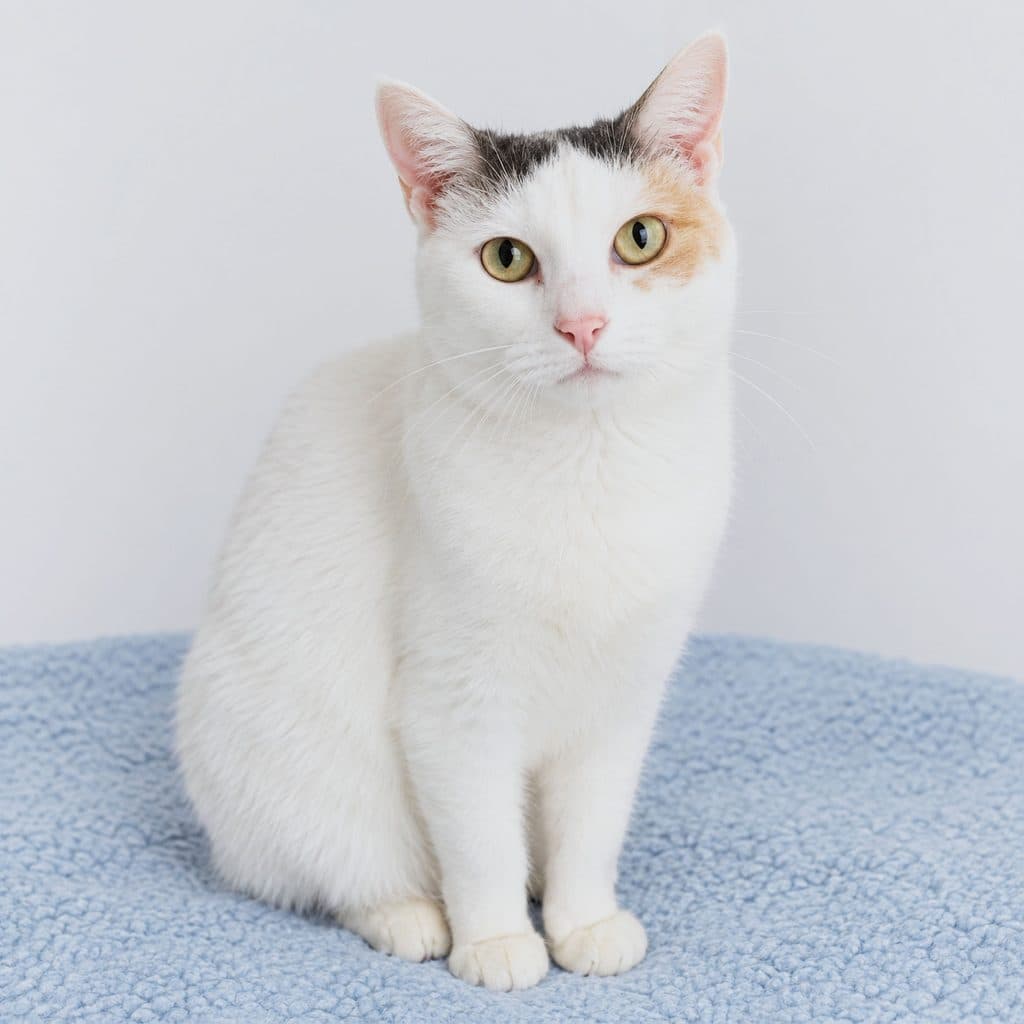
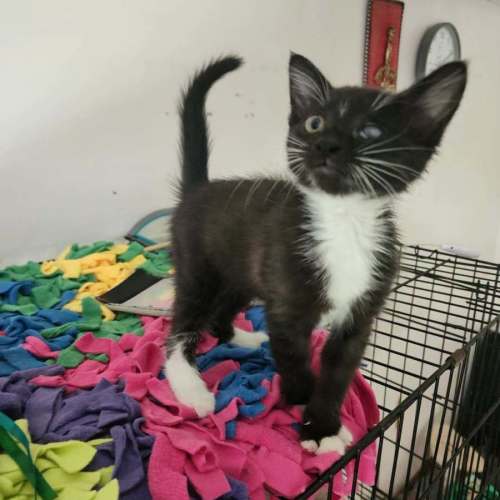
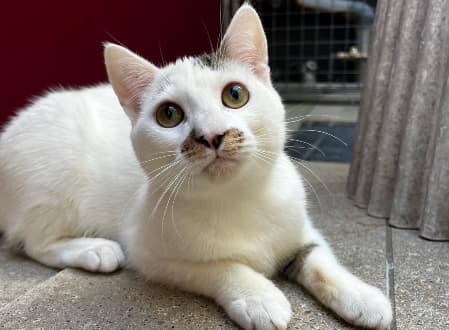
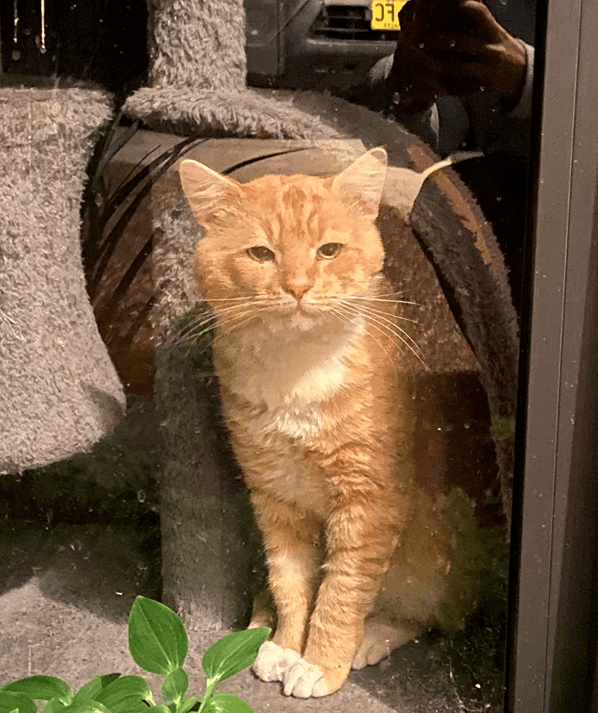
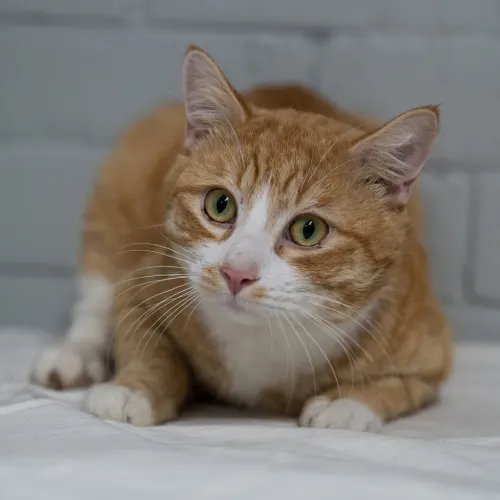
Arthur
Unknown • Domestic Shorthair
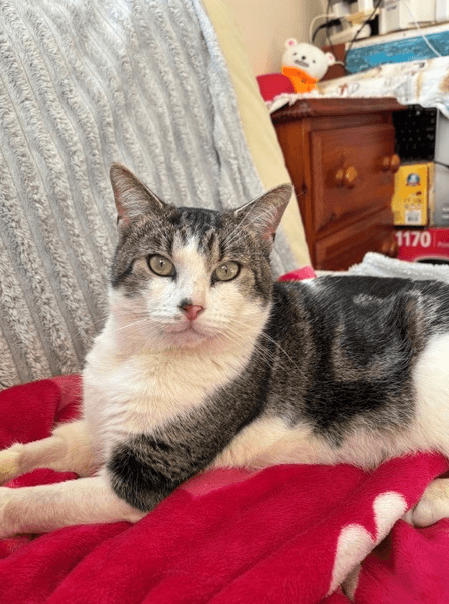
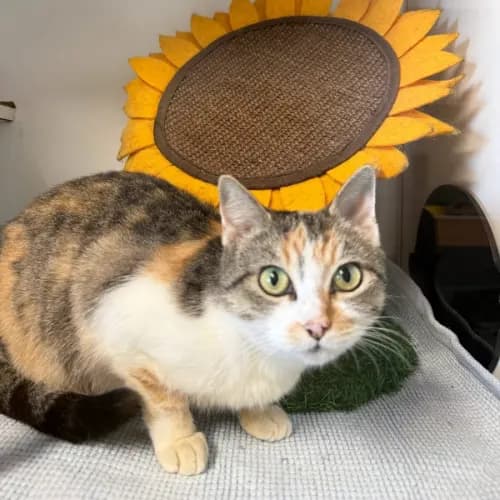
Asterid
Unknown • Domestic Shorthair

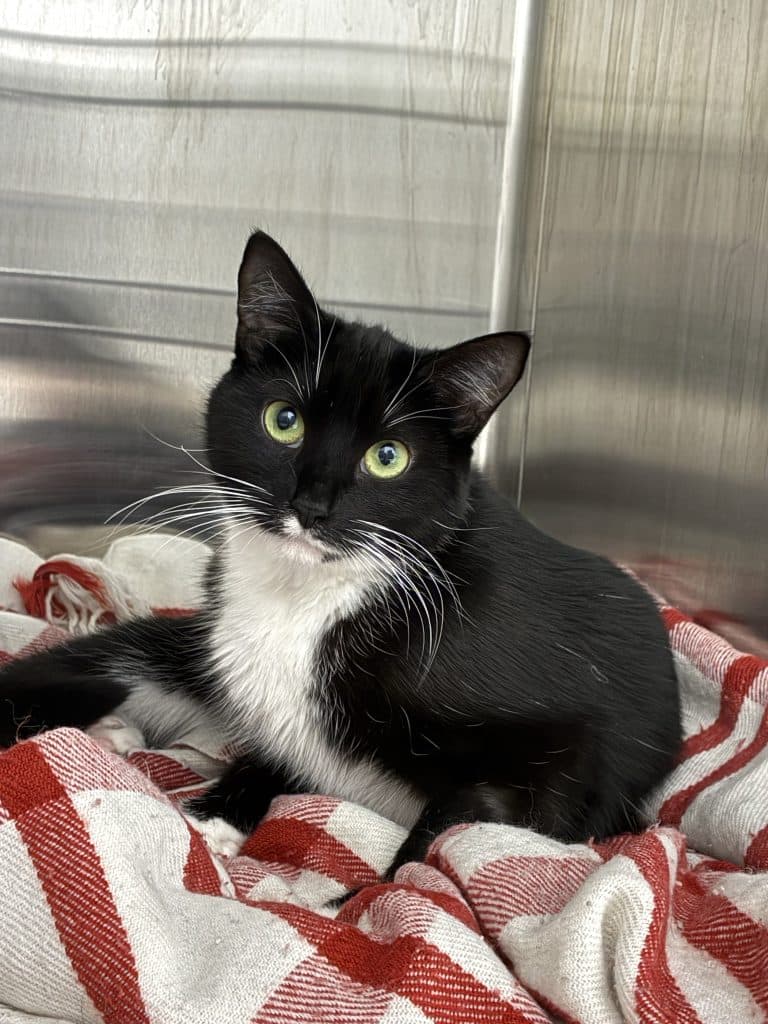
Domestic Shorthair (DSH) is not a breed. It is the catch-all term for any short-coated, mixed-breed cat, and the vast majority of cats in Sydney rescues are DSH. They come in every imaginable colour and pattern: tabby, tuxedo, calico, tortoiseshell, black, white, ginger, grey, and every combination. Personalities range across the entire cat spectrum.
DSH cats tend to be hardy, healthy, and longer-lived than purebreds thanks to genetic diversity (the cat equivalent of hybrid vigour). They typically live 15 to 20 years with good care. Adoption fees are usually the lowest of any cat type, often $100 to $200, because supply is high.
Because DSH covers such a wide range, the cat's individual personality matters more than the label. Read each cat's profile, ask the foster carer about temperament, and meet a few cats before deciding. The right DSH match is out there, usually faster than waiting for a specific purebred.
Domestic Shorthair cats in Sydney rescue
Domestic Shorthair is not a breed but a description: a mixed-breed cat with a short coat. It is by far the most common cat in NSW rescue. Across the rescues we track, Domestic Shorthairs make up most of the cats listed, in every colour, age and personality.
That makes it the easiest place to find a cat that suits you, because you can choose on temperament rather than a breed label. Ask the foster carer whether the cat is a lap cat, a confident explorer or a shy one that needs time, and how it is with children, dogs and other cats.
Choosing on personality, not pedigree
Because Domestic Shorthairs are mixed, there is no breed temperament to rely on. That is a strength rather than a drawback: a foster carer who has lived with the cat for weeks can describe it far more accurately than any breed guide. Adult cats are especially easy to match, because their personality is already settled.
The short coat is low-maintenance, needing little more than an occasional brush, and many Domestic Shorthairs are healthy, long-lived cats.
- The most common cat in NSW rescue, so you can choose by age and temperament.
- Ask the foster carer about personality and compatibility with children and pets.
- Short coat, minimal grooming.
- Adult cats are easiest to match, because their personality is already known.
Living with a cat in Sydney
The one NSW-specific health note that catches new adopters out is the paralysis tick, which is endemic along the east coast and around Sydney in a way it simply is not in inland or southern states. It is a serious, sometimes fatal risk to cats that go outside or live near bush, and year-round prevention is the answer, so make it one of the first things you talk to your vet about.
Under the NSW Companion Animals Act your cat must be microchipped by 12 weeks and registered once for life through the NSW Pet Registry. Unlike Victoria there is no annual renewal, so it is a single lifetime fee, lower for a desexed cat, and a rescue cat comes to you already desexed and microchipped. Since July 2020 an annual permit applies to cats not desexed by four months, which is another reason a desexed rescue cat is the simplest path. Some NSW councils also declare cat prohibited areas to protect wildlife, so check your own council before you adopt.
If you ever see a cat advertised for sale or free in NSW, the ad must legally display an identification number, either the cat's microchip number or a rehoming-organisation or breeder identification number. Its absence is the clearest sign of a backyard breeder or an outright scam trading on a popular breed, and a good reason to adopt through a rescue instead, where the cat arrives desexed, vaccinated, microchipped and vet-checked.
Common Domestic Shorthair health concerns
Breed-associated conditions worth asking any rescue about before you adopt. A good rescue will already know whether a cat has been assessed for these.
Dental disease
Periodontal disease is the most common feline health issue; annual cleanings recommended.
Source: VCA →Chronic kidney disease
Common in older cats regardless of breed; routine bloodwork after age 7.
Source: VCA →Editorial summary for adopters, not medical advice. Ask the rescue about a specific cat's health, and consult your vet for individual guidance.
Breed and regulatory information cross-checked against NSW Pet Registry.
Get notified when a Domestic Shorthair is listed
We will email you when a Domestic Shorthair or Domestic Shorthair cross becomes available for adoption from a rescue across Sydney and NSW.
Domestic Shorthair Adoption Guides
The pre-adoption reading list specific to Domestic Shorthair cats in Sydney and NSW.
Domestic Shorthair Adoption in Sydney
Where to adopt a DSH cat, what it costs, and why the most common cat in rescue is also the best first cat.
Domestic Shorthair Health & Lifespan
Why mixed-breed cats are hardy, how long DSH cats live, and the health signs every Sydney owner should watch.
DSH Colours & Personality Myths
Tabby, tuxedo, calico, tortie and ginger explained, and whether coat colour really predicts a cat's personality.
Domestic Shorthair Adoption FAQ
Tap a question to expand.
How many Domestic Shorthairs are available for adoption in Sydney?
As of October 2026, 141 Domestic Shorthairs are available for adoption in Sydney across 11 rescues on LocalPetFinder. Listings are refreshed regularly as cats are adopted and new ones arrive, browse the current Domestic Shorthairs above and apply directly through the rescue.
Where can I adopt a Domestic Shorthair near me in Sydney?
LocalPetFinder lists Domestic Shorthair cats available for adoption from rescues across Sydney and New South Wales, including the Inner West, Eastern Suburbs, Northern Beaches and Western Sydney. Cat-focused rescues include the Cat Protection Society of NSW in Newtown and Brighter Future Cat Rescue, alongside RSPCA NSW, Sydney Dogs and Cats Home and Animal Welfare League NSW. Listings update regularly, so browse the Domestic Shorthair cats above and apply through the rescue.
Are there Domestic Shorthair rescues near Sydney?
Yes. Sydney and NSW rescues regularly list Domestic Shorthair cats and Domestic Shorthair crosses, including the Cat Protection Society of NSW, Brighter Future Cat Rescue, RSPCA NSW, Sydney Dogs and Cats Home and Maggie's Rescue. A dedicated single-breed cat rescue is not always active, so setting an alert on the general rescues is the fastest path. Use LocalPetFinder to see which rescues currently have Domestic Shorthair cats available near you.
Where can I adopt a Domestic Shorthair kitten in Sydney?
Purebred Domestic Shorthair kittens are uncommon in Sydney rescue and are usually adopted very quickly, so setting an alert here and being ready to apply is the best approach. Most Domestic Shorthair cats in rescue are adults or Domestic Shorthair crosses, and an adult cat is often the easier choice, already litter-trained, desexed and with a known temperament. Kitten season over spring and summer brings far more kittens into rescue. A rescue kitten costs roughly $250 to $270 fully desexed, vaccinated, microchipped and FIV-checked, against more from a breeder. If you searched "domestic shorthair kittens sydney" or "domestic shorthair kittens for sale", browse the Domestic Shorthair cats above and set an alert for new arrivals.
Are these Domestic Shorthair cats for sale in Sydney?
Not for sale, for adoption, which is usually the better deal. Every cat here comes from a Sydney or NSW rescue, not a breeder or classified seller, and the adoption fee already includes desexing, vaccination, microchipping and a FIV check. That fee is generally $200 to $220 for an adult and $250 to $270 for a kitten, against far more from a breeder with none of the vet work done. If you searched "domestic shorthair for sale sydney", adopting gets you a vetted cat for a fraction of the price.
Where can I buy a Domestic Shorthair cat in Sydney, and should I?
You can buy from a registered breeder, but it is worth weighing against adoption first. A reputable breeder often charges well into four figures and may have a waitlist, while a rescue cat costs $100 to $300 fully vetted and may be available now. Be cautious of cheap "for sale" ads on classified sites and marketplaces, a known hotspot for deposit scams and backyard breeding. The ACCC Scamwatch has documented pet scams for animals that do not exist. For most Sydney homes, adopting is cheaper, safer and gives a cat in need a home.
Is "Domestic Shorthair" a real breed?
No, it is a category, not a breed. DSH means any cat with short fur and unknown or mixed parentage. Most rescue cats fall into this category. They have unique looks and personalities just like purebreds.
Are Domestic Shorthairs healthier than purebreds?
Generally yes. The genetic diversity of mixed-breed cats means fewer inherited health issues. They typically live 15 to 20 years with routine vet care. Purebreds often have breed-specific health problems, such as the flat-face breathing issues seen in Persians or the heart concerns seen in Maine Coons.
How much does a DSH cat cost to adopt in Sydney?
DSH adoption fees generally run $100 to $200 at Sydney rescues, and the fee includes desexing, vaccination, microchipping and a FIV check. Cat Protection Society of NSW, RSPCA NSW and Sydney Dogs and Cats Home often reduce or waive fees for senior cats and bonded pairs.
What is the difference between a tabby and a DSH?
Tabby is a coat pattern (the swirled or striped marking), not a breed. Most tabbies are DSH cats. Other DSH coat patterns include tuxedo (black and white), calico (ginger, black and white), tortoiseshell (mottled black and ginger), and solid colours.
What is a Domestic Shorthair cat?
It is a mixed-breed cat with a short coat, not a pedigree breed. Shelters use the label to describe the coat, so two Domestic Shorthairs can look and behave completely differently. Choose on the individual cat's personality, which the foster carer can describe.
Are Domestic Shorthair cats good for first-time owners?
Often yes. They come in every temperament, so a first-time owner can choose a calm, friendly adult cat whose personality the foster carer already knows. Their short coat needs very little grooming, and a rescue cat arrives desexed, vaccinated and microchipped.