
PomPom
3 years • Domestic Shorthair
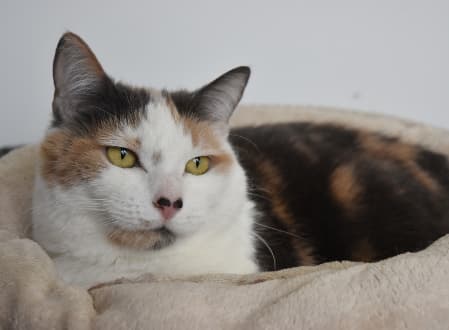
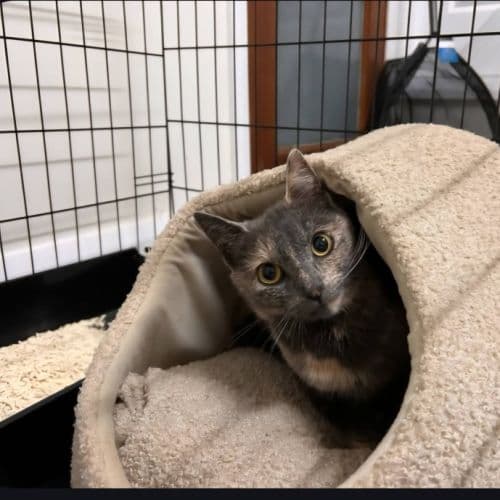
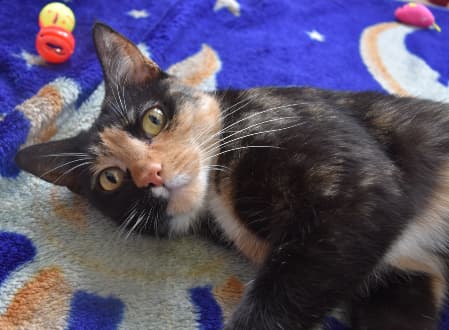
Tortoiseshell cats, or torties, wear a mottled mix of black and orange without the white patches of a calico. The pattern comes from having two X chromosomes carrying different colour genes, which is why almost every tortoiseshell is female. A male tortoiseshell is genuinely rare and usually the result of a chromosomal anomaly that often leaves him infertile.
Torties have a strong reputation for a feisty, spirited, opinionated personality that owners affectionately call tortitude. Like all colour-based personality claims it is folklore rather than science, but it is endorsed so widely that many tortie owners nod along. Tortoiseshell is a pattern rather than a breed, so torties in rescue are usually ordinary moggies, and the individual cat's temperament is the only reliable guide.
Get notified when a Tortoiseshell is listed
We will email you when a Tortoiseshell or Tortoiseshell cross becomes available for adoption from a rescue across Sydney and NSW.
Tortoiseshell Adoption FAQ
Tap a question to expand.
How many Tortoiseshells are available for adoption in Sydney?
As of October 2026, 5 Tortoiseshells are available for adoption in Sydney across 3 rescues on LocalPetFinder. Listings are refreshed regularly as cats are adopted and new ones arrive, browse the current Tortoiseshells above and apply directly through the rescue.
Where can I adopt a Tortoiseshell near me in Sydney?
LocalPetFinder lists Tortoiseshell cats available for adoption from rescues across Sydney and New South Wales, including the Inner West, Eastern Suburbs, Northern Beaches and Western Sydney. Cat-focused rescues include the Cat Protection Society of NSW in Newtown and Brighter Future Cat Rescue, alongside RSPCA NSW, Sydney Dogs and Cats Home and Animal Welfare League NSW. Listings update regularly, so browse the Tortoiseshell cats above and apply through the rescue.
Are there Tortoiseshell rescues near Sydney?
Yes. Sydney and NSW rescues regularly list Tortoiseshell cats and Tortoiseshell crosses, including the Cat Protection Society of NSW, Brighter Future Cat Rescue, RSPCA NSW, Sydney Dogs and Cats Home and Maggie's Rescue. A dedicated single-breed cat rescue is not always active, so setting an alert on the general rescues is the fastest path. Use LocalPetFinder to see which rescues currently have Tortoiseshell cats available near you.
Where can I adopt a Tortoiseshell kitten in Sydney?
Purebred Tortoiseshell kittens are uncommon in Sydney rescue and are usually adopted very quickly, so setting an alert here and being ready to apply is the best approach. Most Tortoiseshell cats in rescue are adults or Tortoiseshell crosses, and an adult cat is often the easier choice, already litter-trained, desexed and with a known temperament. Kitten season over spring and summer brings far more kittens into rescue. A rescue kitten costs roughly $250 to $270 fully desexed, vaccinated, microchipped and FIV-checked, against more from a breeder. If you searched "tortoiseshell kittens sydney" or "tortoiseshell kittens for sale", browse the Tortoiseshell cats above and set an alert for new arrivals.
Are these Tortoiseshell cats for sale in Sydney?
Not for sale, for adoption, which is usually the better deal. Every cat here comes from a Sydney or NSW rescue, not a breeder or classified seller, and the adoption fee already includes desexing, vaccination, microchipping and a FIV check. That fee is generally $200 to $220 for an adult and $250 to $270 for a kitten, against far more from a breeder with none of the vet work done. If you searched "tortoiseshell for sale sydney", adopting gets you a vetted cat for a fraction of the price.
Where can I buy a Tortoiseshell cat in Sydney, and should I?
You can buy from a registered breeder, but it is worth weighing against adoption first. A reputable breeder often charges well into four figures and may have a waitlist, while a rescue cat costs $100 to $300 fully vetted and may be available now. Be cautious of cheap "for sale" ads on classified sites and marketplaces, a known hotspot for deposit scams and backyard breeding. The ACCC Scamwatch has documented pet scams for animals that do not exist. For most Sydney homes, adopting is cheaper, safer and gives a cat in need a home.
Why are tortoiseshell cats almost always female?
The black and orange colours in a tortoiseshell coat are carried on the X chromosome, and a cat needs two different X chromosomes to show both colours. Females have two X chromosomes, so they can be tortoiseshell, while males normally have only one X and cannot. A male tortoiseshell does occasionally occur through a chromosomal anomaly, but he is rare and usually infertile. This is why nearly every tortie you meet is a girl.
What is tortitude?
Tortitude is the affectionate nickname for the feisty, spirited, strong-willed personality that tortoiseshell cats are famous for. It is folklore rather than proven science, since no study links coat pattern to temperament, but owners endorse it so consistently that it is worth knowing about. Plenty of torties are gentle lap cats too, so the individual cat matters more than the reputation. Ask the foster carer how this particular tortie behaves.
What is the difference between a tortoiseshell and a calico?
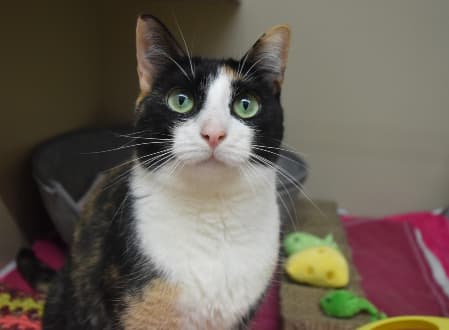
Both are mostly-female cats that mix black and orange, but a tortoiseshell blends the two colours in a mottled, brindled coat with little or no white, while a calico shows the black and orange in distinct patches alongside clear areas of white. Genetically they are close cousins. If you like the mottled tortie look specifically, browse the tortoiseshell cats here; if you prefer the patched, white-marked look, see the calico cats.