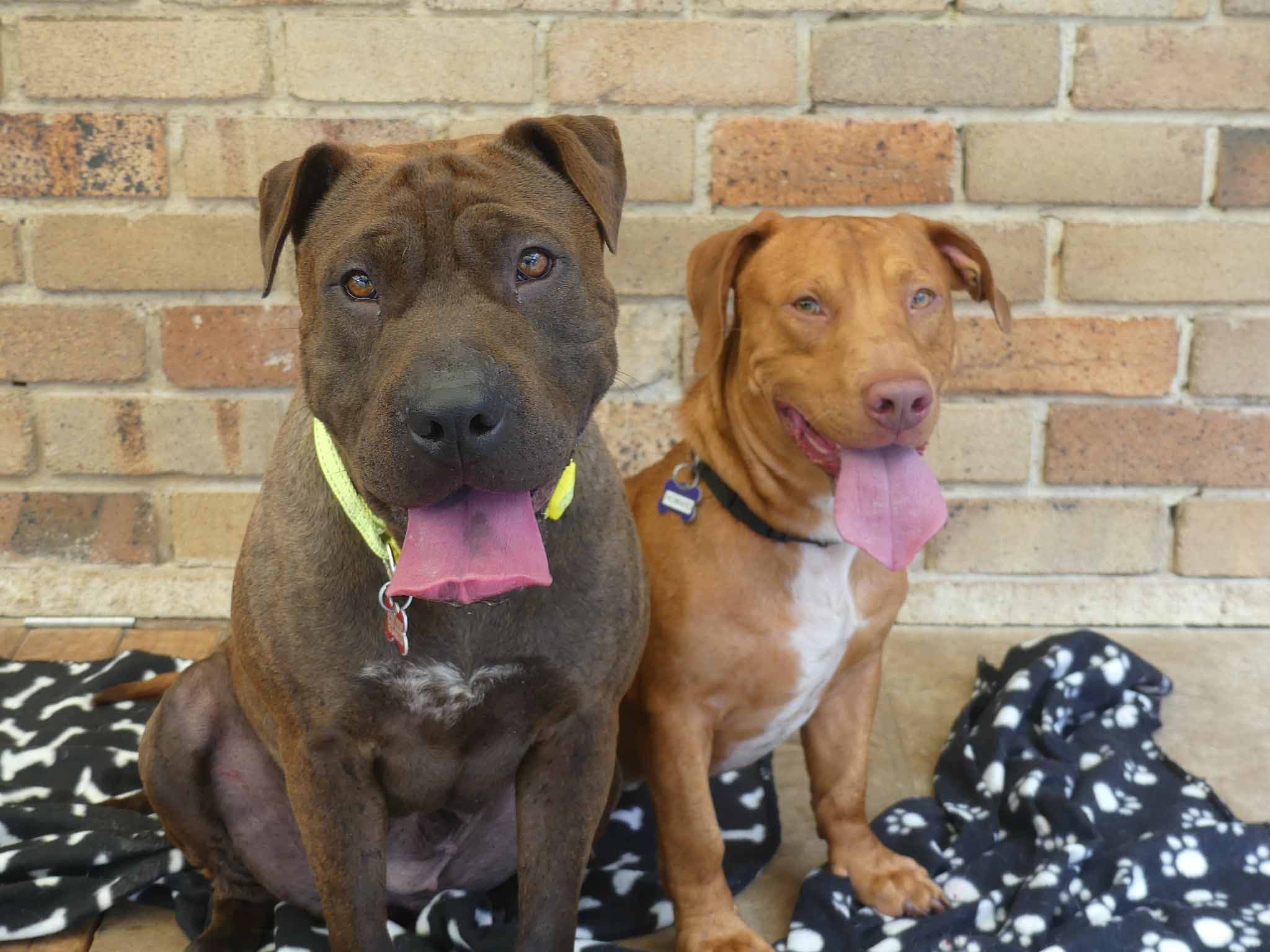
Bernadette
About 5 years old • English Staffy X Shar Pei
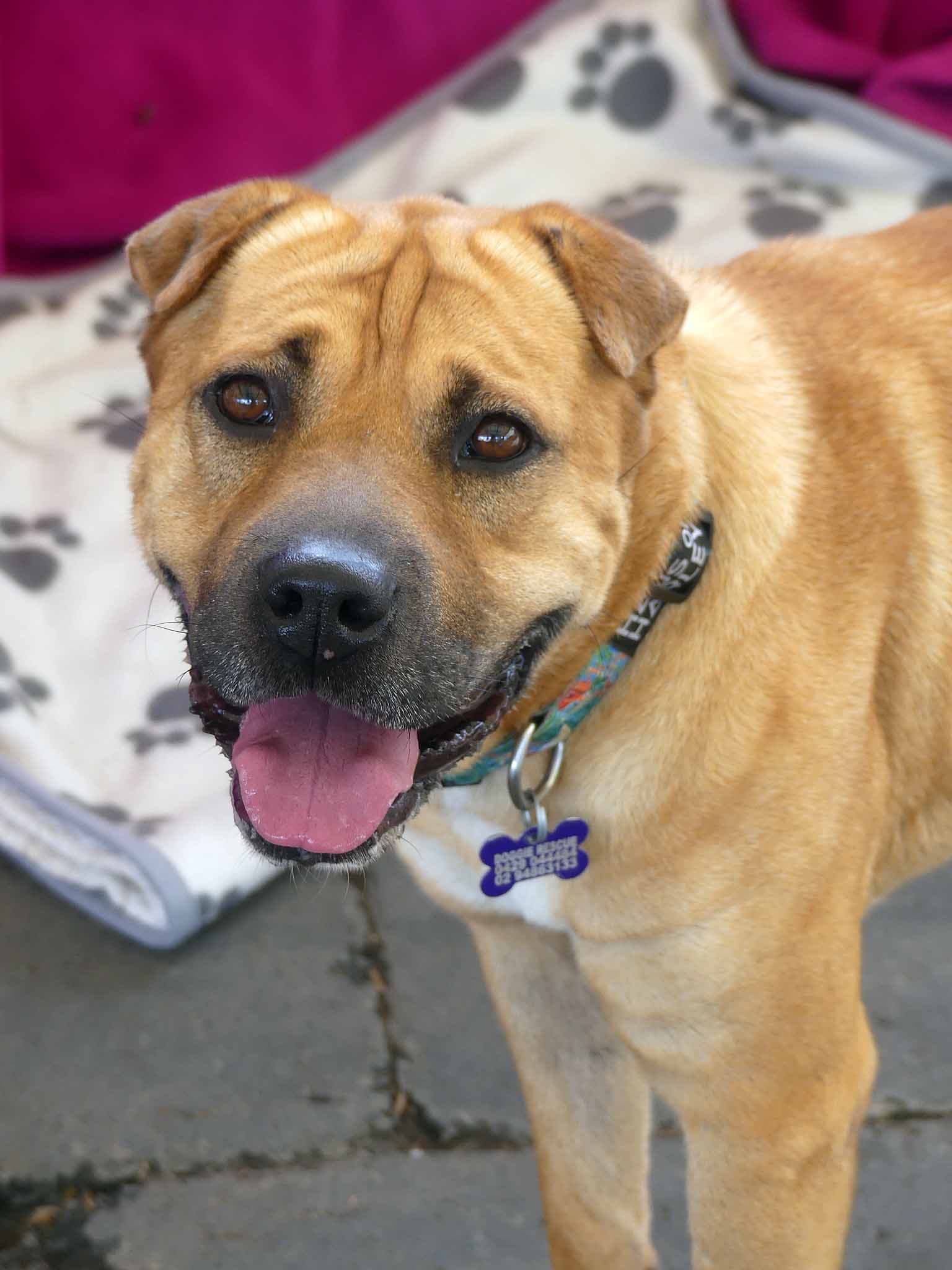
Gem
About 6 years old • Labrador X Shar Pei
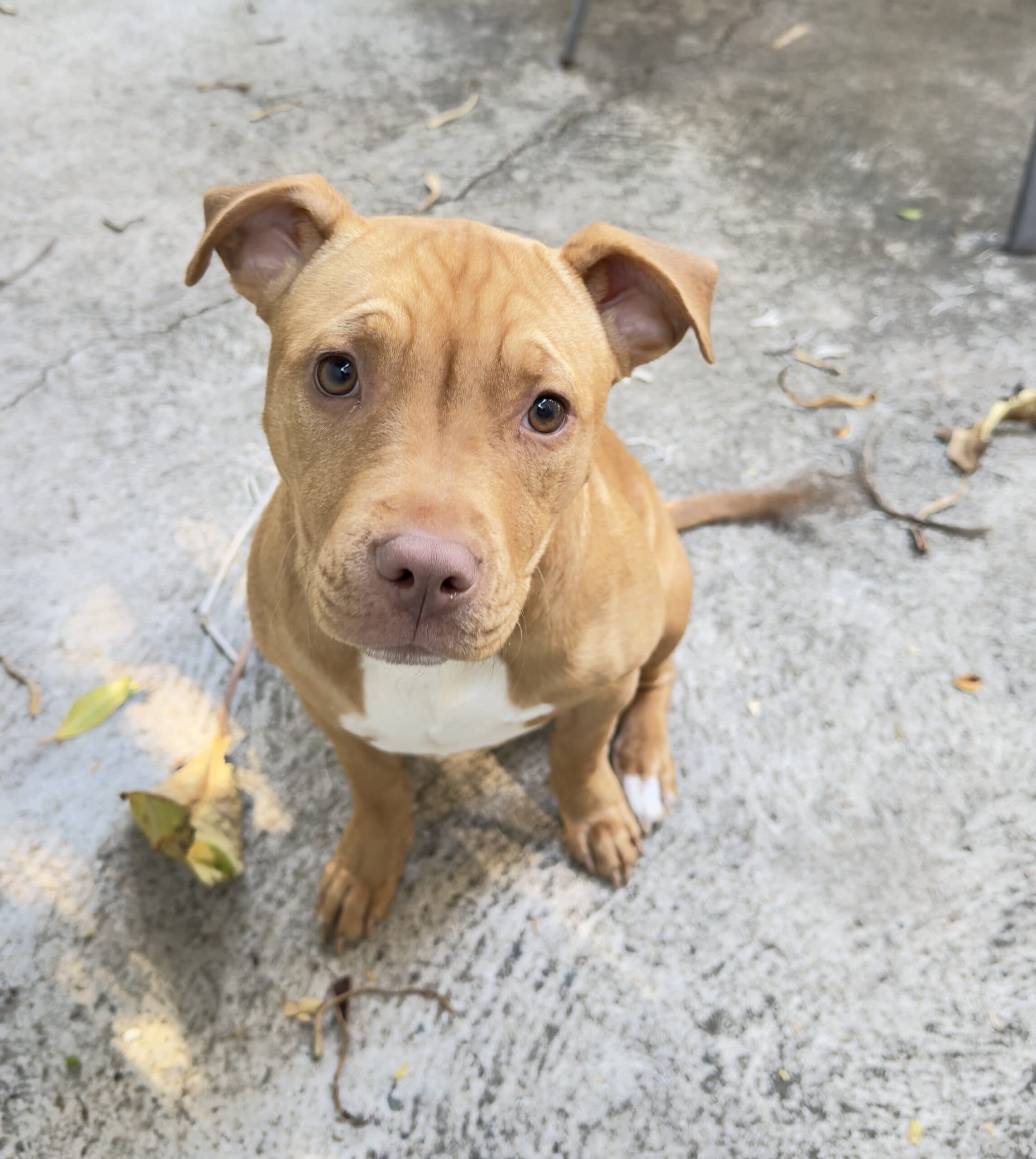
Judy Cinnamon
5 months • Sharpei x
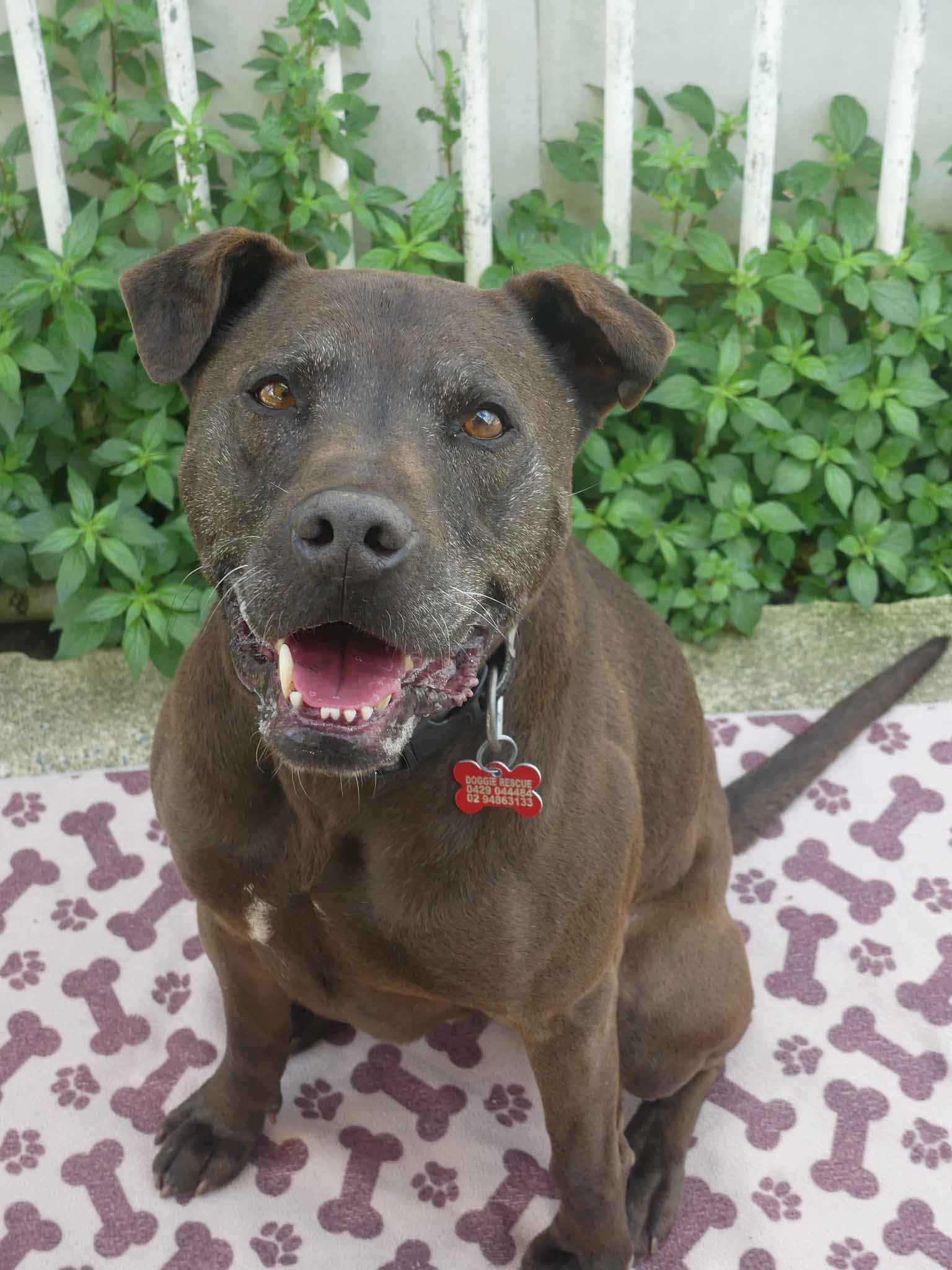
Kobe
About 7 years old • American Staffy X Shar Pei
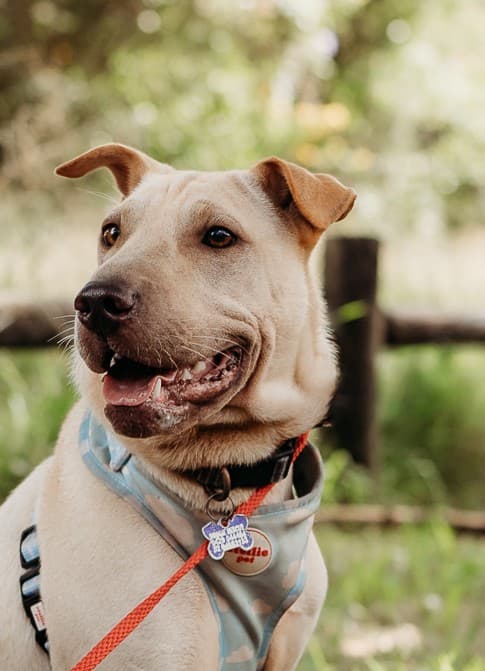
Sandy
About 1 year old • Shar Pei X
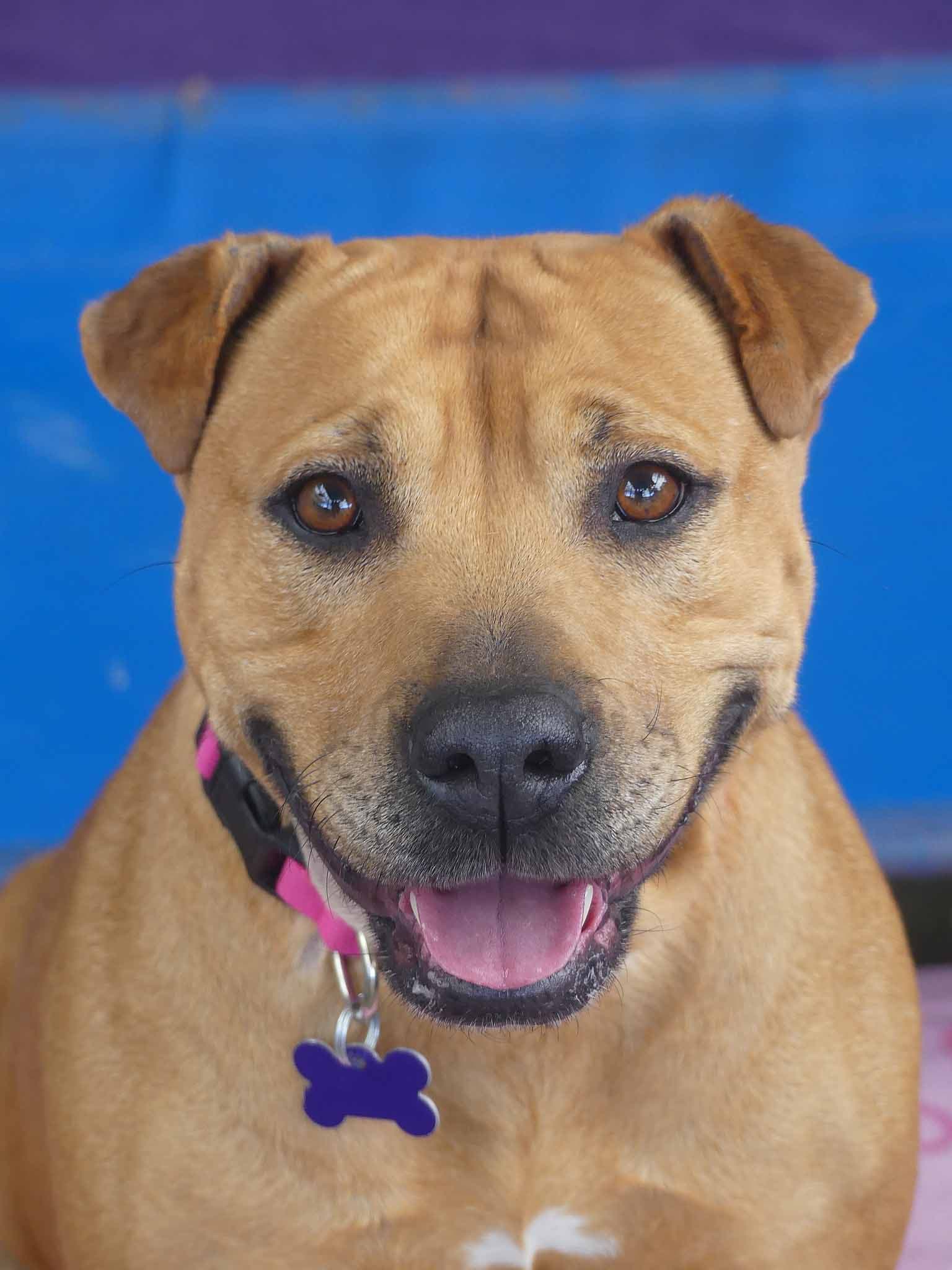
Shakira
About 3 years old • Shar Pei X Staffy
The Shar Pei is instantly recognisable: deep wrinkles, a broad hippo-like muzzle and a distinctive blue-black tongue. Under the folds is a calm, loyal, deeply devoted dog that bonds hard to its family and tends to be reserved or aloof with strangers. They are moderate in energy, more couch companion than tireless working dog, but they are independent-minded and need early, steady, reward-based socialisation to be confident and settled around new people and other dogs.
In Sydney and NSW rescue, purebred Shar Pei are uncommon, so most turn up as Shar Pei crosses, often mixed with Staffy, Bulldog or Mastiff types. A cross frequently has fewer of the skin and eye problems the purebred is prone to, which can make it an easier dog to own. As with any dog, the foster carer or shelter notes on temperament, health and how the dog is with people, kids and other animals matter far more than the breed label.
A Shar Pei suits an owner who wants a calm, loyal, low-to-moderate-energy companion and who understands the breed needs socialisation and some specific health care, especially for the skin folds and eyes. Browse the Shar Pei and Shar Pei crosses currently listed from rescues and shelters across Sydney and New South Wales.
Get notified when a Shar Pei is listed
We will email you when a Shar Pei or Shar Pei cross becomes available for adoption in Sydney, from a rescue or an owner rehoming.
Need to rehome a Shar Pei?
If you can no longer keep your Shar Pei, listing it for rehoming on LocalPetFinder connects it directly with adopters across Sydney and NSW, and keeps it out of a shelter. It is free.
List your dog for rehoming →Shar Pei Adoption Guides
The pre-adoption reading list specific to Shar Peis in Sydney and NSW.
Shar Pei Adoption in Sydney
Where to adopt a Shar Pei or Shar Pei cross in Sydney, the real costs, and the skin, eye and temperament needs people underestimate.
Shar Pei Health Issues to Plan For
Familial Shar Pei Fever, entropion, skin-fold infections, ear problems and the checks every Shar Pei owner should plan for.
Shar Pei Skin & Coat Care in Sydney
Cleaning and drying the wrinkles, preventing skin-fold dermatitis, the harsh coat, and managing folds in the Sydney humidity.
Shar Pei Adoption FAQ
Where can I adopt a Shar Pei near me in Sydney?
LocalPetFinder lists Shar Peis available for adoption from rescues across Sydney and New South Wales, including the Inner West, Eastern Suburbs, Northern Beaches, Western Sydney and the Sutherland Shire. Rescues that regularly take in dogs of this type include RSPCA NSW at Yagoona and Animal Welfare League NSW at Kemps Creek, alongside foster-based groups. Listings update regularly, so browse the Shar Peis above and apply directly through the rescue.
Are there Shar Pei rescues near Sydney?
Yes. Several Sydney and NSW rescues regularly have Shar Peis and Shar Pei crosses, including RSPCA NSW, Animal Welfare League NSW, Sydney Dogs and Cats Home, Monika's Doggie Rescue and Maggie's Rescue, plus breed-focused foster networks. A dedicated single-breed rescue is not always active, so the fastest path is to set an alert here and watch the general rescues. Use LocalPetFinder to see which rescues currently have Shar Peis available near you.
Where can I adopt a Shar Pei puppy in Sydney?
Purebred Shar Pei puppies are uncommon in Sydney rescue and are usually adopted very quickly, so the best strategy is to set an alert here and be ready to apply fast. Most Shar Peis in rescue are young adults, older dogs, or Shar Pei crosses, and these make just as loving a pet as a purebred puppy while often being calmer and already part house-trained. A rescue puppy or young dog costs a few hundred dollars fully desexed, vaccinated and microchipped, against several thousand from a breeder with a waitlist. If you searched "shar pei puppies sydney" or "shar pei puppies for sale", browse the Shar Peis above and set an alert for new arrivals.
Are these Shar Peis for sale in Sydney?
Not for sale, for adoption, which is usually the better deal. Every Shar Pei here comes from a Sydney or NSW rescue, not a breeder or classified seller, and the adoption fee already includes desexing, vaccination and microchipping. That fee is typically a few hundred dollars, against often several thousand from a breeder with none of the vet work done. If you searched "shar pei for sale sydney", adopting gets you a vetted dog for a fraction of the price.
Where can I buy a Shar Pei in Sydney, and should I?
You can buy from a registered breeder, but it is worth weighing against adoption first. A reputable breeder often charges several thousand dollars and may have a waitlist, while a rescue Shar Pei costs a few hundred dollars fully vetted and may be available now. Be cautious of cheap "for sale" ads on classified sites and marketplaces, which are a known hotspot for scams and backyard breeding. The ACCC Scamwatch has documented deposit scams for pets that do not exist. For most Sydney families, adopting a rescue Shar Pei is cheaper, faster and gives a dog in need a home.
Where can I adopt a Shar Pei near me in Sydney?
Start with the main NSW rescues and shelters: RSPCA NSW at Yagoona, Animal Welfare League NSW at Kemps Creek, Sydney Dogs and Cats Home at Strathfield South, plus foster-based groups. Purebred Shar Pei are uncommon in rescue, so Shar Pei crosses show up more often than full Shar Pei. Set listing alerts across the rescues you would consider, have your application ready, and stay open to a cross or an older dog. A dedicated single-breed Shar Pei rescue is not always active in NSW, so the general rescues are the reliable path.
Are Shar Pei restricted in NSW?
No. The Shar Pei is not on the NSW restricted-breed list and is legal to own and rehome normally. Only five breeds are restricted under the Companion Animals Act 1998: the American Pit Bull Terrier, Dogo Argentino, Japanese Tosa, Fila Brasileiro and Perro de Presa Canario. A Shar Pei simply needs to be microchipped and registered on the NSW Pet Registry, and desexing lowers the lifetime registration fee.
Do Shar Pei have health problems?
The breed has a few well-known predispositions worth understanding, and they are mostly linked to the wrinkles and the flat-ish face. The skin folds can trap moisture and develop infections, so they need regular cleaning and drying. The eyes are prone to entropion, where the eyelid rolls inward, which needs veterinary attention. The breed is also associated with a condition often called Shar Pei fever and related kidney and joint issues, and the ears have narrow canals prone to infection. A rescue Shar Pei should have a vet check, and Shar Pei crosses often have fewer of these issues. Ask your vet about skin, eye and ear care, and never treat these yourself.
Are Shar Pei good family dogs?
With the right owner, yes. A well-socialised Shar Pei is calm, loyal, clean and devoted, and often gentle with its own family. The cautions are the aloof, independent temperament and a guarding instinct, so they need early reward-based socialisation and supervision around unfamiliar children and dogs. They tend to suit a calmer, experienced home rather than a busy household with very young kids. As always, the foster or shelter assessment of each individual dog with kids and other pets is the best guide.