The short answer
This is an emergency: call or go to your nearest vet now if your dog may have been bitten by a snake, or shows sudden weakness or collapse (even if it seems to recover), shaking or twitching, dilated pupils, vomiting, bleeding from the nose, mouth or bite, difficult breathing or paralysis. The RSPCA says keep the dog calm and quiet, call ahead, and if possible apply a firm pressure bandage above, over and below the bite. Do not wash the wound, do not use a tourniquet and do not try to catch or kill the snake. Cats are bitten too.
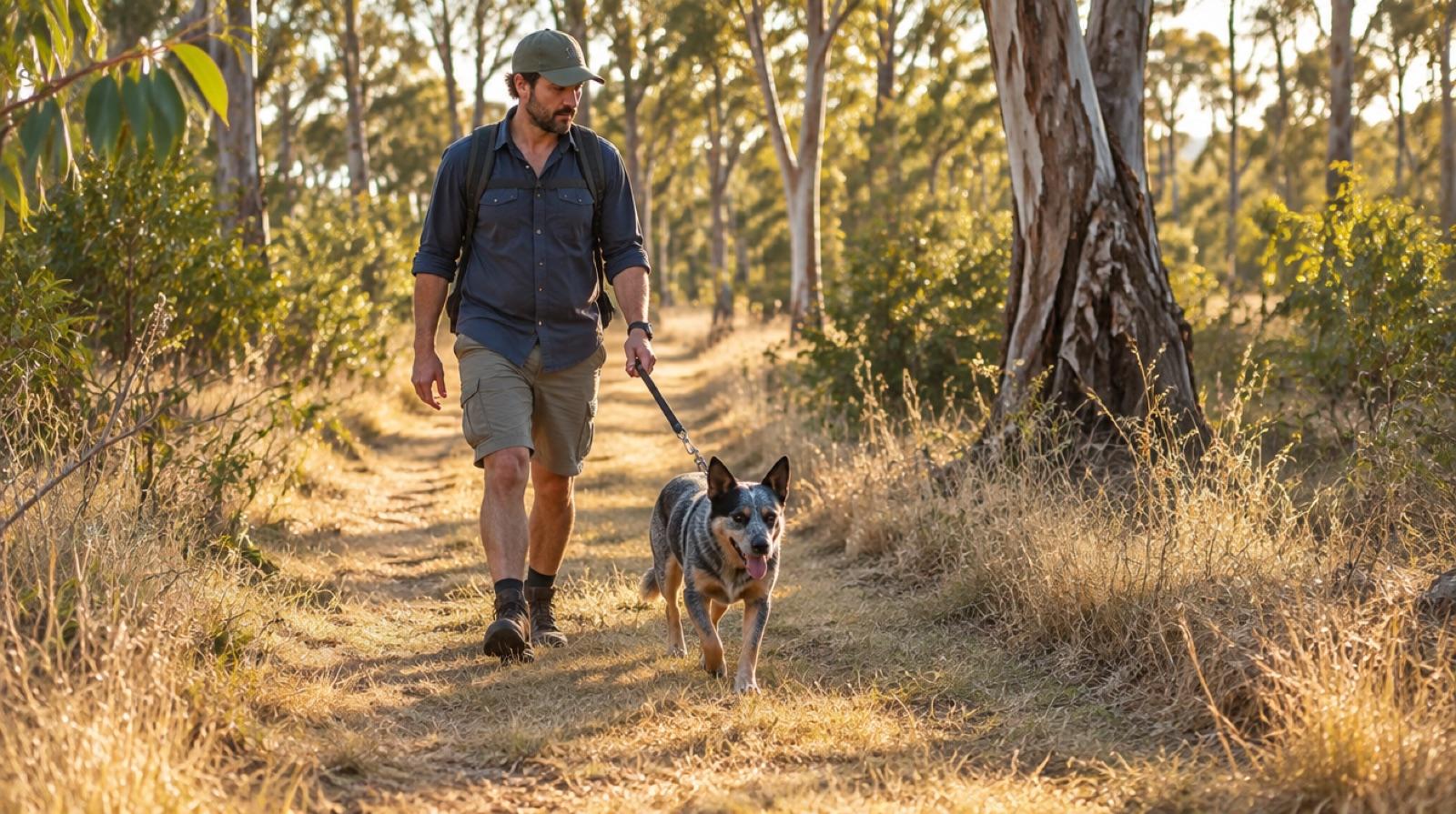
If you think your dog has been bitten
- Keep your dog calm and quiet.
- Call your vet or the nearest emergency vet and say you are coming with a suspected snake bite.
- If possible, apply a firm pressure bandage above, over and below the bite, if you know where it is.
- Bite on the face or neck? Take the collar off in case of swelling.
- Do not wash the wound. Do not apply a tourniquet. Do not chase, catch or touch the snake.
- Go now, even if your dog seems to have recovered.
Steps from the RSPCA Knowledgebase. 24-hour hospitals: Sydney, Melbourne, Brisbane, Perth, Adelaide, Darwin.
Why is a snake bite so dangerous for a dog?
The RSPCA says dogs and cats are the domestic animals that most often need vet treatment for venomous snake bite, and that tiger and brown snakes cause most of those bites. Red-bellied black snakes, death adders and taipans are also a serious risk, and the species vary a lot between regions.
Venom from tiger and brown snakes commonly causes paralysis or muscle weakness and stops the blood clotting properly, which can lead to prolonged or heavy bleeding. Whether a bitten dog gets sick, and how badly, depends on the snake, how much venom it injected and where it bit. That is why the RSPCA says to treat every suspected bite as an emergency, whatever the snake, and why even a bite from a non-venomous snake can need a vet.
LocalPetFinder is an adoption listings site, not a vet. Everything here comes from the RSPCA, state and territory governments and published Australian veterinary research, read in November 2026. It is general information, not veterinary advice.
What are the signs of a snake bite in a dog?
You often won't see the bite, so the RSPCA says to watch for these signs, which vary with the snake and the animal:
| Sign | What it can look like |
|---|---|
| Collapse | Sudden weakness followed by collapse, which may be followed by apparent recovery |
| Muscles and eyes | Shaking or twitching muscles, reduced blinking, dilated pupils |
| Stomach and bladder | Vomiting; loss of bladder and bowel control |
| Weakness | Paralysis |
| Breathing | Difficult and/or fast breathing |
| Bleeding | From the nose, mouth and/or the bite site; dark coloured, often bloody, urine |
| Appetite | Not eating, especially in cats |
Source: RSPCA Knowledgebase, read 10 November 2026.
The first row is the one that catches owners out. A dog that collapses and then gets up and seems normal has not necessarily escaped: the RSPCA lists that pattern as a sign in itself. If your dog was outside, near long grass, a wood pile or water, and collapses, shakes or vomits, assume a snake until a vet says otherwise.
What first aid does the RSPCA recommend?
The RSPCA Knowledgebase sets out these steps. They buy time on the way to the vet; they are not a treatment.
- Keep your pet calm and quiet and take it to a vet immediately. The chances of recovery are much greater if your pet is treated early.
- Call ahead, so the vet knows you are coming, can give you advice and can prepare.
- If possible, apply a pressure bandage: a firm bandage above, over and below the bite site, if you know where it is.
- If the bite is on the face or neck and your pet wears a collar, remove it, to avoid problems if the area swells.
- Do NOT wash the wound or apply a tourniquet.
- Leave the snake alone. Don't try to catch or kill it, and don't touch it even if it appears dead. If it is safe, take a photo from a distance and tell your vet what type of snake it was, if you know.
You do not need to know the snake for your dog to be treated. The RSPCA says your vet can perform a test to work out which antivenom should be given if it is needed. In the SnakeMap registry described below, a venom detection kit was used in 28% of cases.
What does the research say about snake bites in pets?
The best Australian picture comes from SnakeMap, a national registry led from the University of Melbourne's veterinary hospital, where participating vet hospitals enter the snake bite cases they treat. Its first four years (1 July 2015 to 30 June 2019) covered 624 cases from 28 hospitals in 6 states and territories (Boller et al, 2020):
| Finding | Dogs | Cats |
|---|---|---|
| Cases in the registry | 419 (67%) | 205 (33%) |
| Bitten in the owner's yard | 356 (85%) | 53 (26%) |
| Typical time from bite to vet (median) | 60 minutes | 95 minutes |
| Time of day | Of 216 bites with a known time, 90 (42%) were between 3:00pm and 5:59pm | |
| Given antivenom | 523 of all cases (85%) | |
| Survived to go home | 534 of all cases (88%), median hospital stay 25 hours | |
Source: SnakeMap, Australian Veterinary Journal, 2020. These are animals that reached a participating hospital; they do not tell you the odds for an untreated pet.
Two findings change how you protect a dog. Most bitten dogs were bitten at home, in their own yard, not on a bush walk. And the late afternoon was the busiest time. The survival figure is encouraging, but it describes pets that got to a vet and, in most cases, got antivenom. That is the whole argument for going straight away.
When are snakes most active?
The RSPCA puts it simply: as the weather warms up, snakes become more active, and pet owners need to be extra careful. State and territory governments publish their own local information. The ACT Government, for example, says snakes in the ACT are most active from October to March and that the eastern brown snake is the most common in ACT gardens. Tasmania has three land snakes, the tiger snake, lowland copperhead and white-lipped snake, and the Tasmanian Government says all three can inject venom and that low temperatures generally limit snake activity to the warmer months between October and March.
Check your own state, territory or council page for the local species and season, and treat any suspected bite as an emergency whatever the month.
How do I protect my dog from snakes at home and on walks?
Because most dogs in the registry were bitten in their own yard, the yard is where prevention pays off first. The RSPCA says snakes are drawn to food, water and quiet places to hide, and recommends:
- Keep the grass low.
- Clean up rubbish piles and clear away hiding spots such as wood piles and sheets of corrugated metal.
- Consider a snake-proof fence around all or part of the property if snakes are common where you live.
- On walks near bushland, especially near water in summer, keep your dog on a leash and avoid long grassy areas.
If you see a snake in the garden, the RSPCA says not to try to catch or kill it: walk away slowly, watch it from several metres away and keep your pets safely away, because it will usually move on in its own time. If it stays and you want it gone, call a licensed snake handler. Snakes are protected, and the RSPCA notes most people who get bitten are bitten trying to remove one. The late-afternoon peak in the registry is also a good reason to keep end-of-day garden time supervised in the warm months.
What about cats?
Cats are bitten too: they made up a third of the SnakeMap cases. In that registry, cats were far less likely than dogs to be bitten in the owner's yard (26% against 85%) and took longer to reach a vet, with a median of 95 minutes against 60 for dogs (Boller et al, 2020). A cat that roams may simply come home unwell, so the RSPCA's note that not eating is a sign especially in cats matters. Weakness, dilated pupils or bleeding in a cat that has been outside is a vet trip now.
The RSPCA says keeping cats indoors with access to a snake-proof outdoor enclosure is the best way to prevent snake encounters. Our adopting a cat guide covers indoor life and cat runs.
What happens at the vet, and what does it cost?
The vet may test to identify the venom, and the RSPCA says a bitten pet may need antivenom plus other life-saving care: oxygen or a breathing machine, blood transfusions and intensive care. In the SnakeMap registry the median hospital stay was 25 hours.
There is no standard price; vets set their own fees and the bill depends on what the pet needs. The RSPCA warns plainly that snake bite treatment can mean a large vet bill, which is one more reason to put the effort into the yard. Ask for an estimate when you arrive, and see our cheap vet care guide for charity clinics, concession discounts and hardship funds.
Adopting a dog in snake country
None of this is a reason not to adopt. It is a reason to check the yard before the dog arrives. When you meet a rescue dog, ask the rescue what the dog is like off lead, since the RSPCA advises keeping dogs on a leash near bushland anyway. The RSPCA's Adopt A Pet site says its dogs and cats are desexed, microchipped and vaccinated; ask any other rescue what is included. For snakes, the protection the RSPCA describes is the yard, the lead and getting to a vet fast.
Our adopting a dog guide covers the first weeks, and crate training a puppy helps if you need to keep a young dog safe while you are busy. Use the adoption readiness check if you are still deciding.
Find a rescue dog near you
Dogs listed right now by the rescues and shelters we aggregate.
Other health guides for new owners
- Paralysis ticks in dogs and cats: signs, tick removal and prevention.
- Cane toads and dogs: signs of poisoning and the government first-aid step.
- Bloat (GDV) in dogs: the deep-chested-dog emergency.
- Dachshund IVDD and health: back problems in long-backed dogs.
- Dog dental care and puppy and kitten vaccinations: everyday prevention.
- Dog separation anxiety: settling a rescue dog in.
Frequently asked questions
What are the signs of a snake bite in a dog?▼
The RSPCA lists sudden weakness and collapse that may be followed by an apparent recovery, shaking or twitching muscles, reduced blinking, vomiting, loss of bladder and bowel control, dilated pupils, paralysis, difficult or fast breathing, bleeding from the nose, mouth or bite site, and dark, often bloody urine. You may never see the bite itself. Any of these signs after time outdoors is a reason to go to a vet now.
What should I do if a snake bites my dog?▼
Keep your dog calm and quiet and take it to a vet immediately, calling ahead so the clinic can prepare. The RSPCA says that if possible you should apply a pressure bandage, a firm bandage above, over and below the bite site if you know where it is, and remove the collar if the bite is on the face or neck. Do not wash the wound and do not apply a tourniquet.
My dog collapsed and then seemed fine. Is it okay?▼
Not necessarily. The RSPCA lists sudden weakness followed by collapse that may be followed by apparent recovery as a sign of snake bite. A dog that collapses and gets up again after being outside, especially if you saw or suspect a snake, needs a vet straight away. Do not wait to see if other signs appear.
How long after a snake bite will a dog show symptoms?▼
It varies with the snake, how much venom was injected and where the bite was, which is why the RSPCA says to seek emergency veterinary treatment as soon as you know a bite has happened, whether or not there are signs yet. Do not wait for symptoms to decide. The RSPCA says the chances of recovery are much greater if a pet is treated early.
Can a dog survive a snake bite without treatment?▼
Do not plan on it. The RSPCA says a bite from a brown snake, tiger snake or other venomous species can be life-threatening, and that the sooner a pet is treated the better its chance of survival. In the national SnakeMap registry, 88% of the dogs and cats treated at participating hospitals survived to go home, and antivenom was given in 85% of cases.
Should I kill the snake or bring it to the vet?▼
No. The RSPCA says not to try to catch or kill the snake, and not to touch it even if it appears dead, because that puts you at risk. If it is safe, take a photo from a distance. The vet can run a test that helps identify which antivenom is needed, so you do not need the snake.
Which snakes bite dogs in Australia?▼
The RSPCA says tiger and brown snakes are responsible for most venomous snake bites in Australian cats and dogs, and that red-bellied black snakes, death adders and taipans are also a serious risk. Which species live near you varies a lot by region, so it is worth learning the venomous snakes in your area and anywhere you walk your dog.
When is snake season in Australia?▼
The RSPCA says that as the weather warms up, snakes become more active, and pet owners need to take extra care. The ACT Government says snakes in the ACT are most active from October to March. In the national SnakeMap registry, 42% of the bites with a known time happened between 3pm and 6pm.
Can cats be bitten by snakes?▼
Yes. The RSPCA says dogs and cats are the domestic species that most often need vet treatment for venomous snake bite, and lists not eating as a sign especially in cats. In the SnakeMap registry, a third of the cases were cats, and cats took longer than dogs to reach the vet (median 95 minutes against 60). The RSPCA says keeping cats indoors with a snake-proof outdoor enclosure is the best way to prevent encounters.
How do I keep snakes out of my yard?▼
The RSPCA advises keeping the grass low, cleaning up rubbish piles and clearing away places snakes can hide, such as wood piles and sheets of corrugated metal, and considering a snake-proof fence around all or part of the property if snakes are common where you live. It matters, because in the SnakeMap registry 85% of the bitten dogs were bitten in their owner's yard.
How much does snake bite treatment cost for a dog?▼
There is no standard price, because vets set their own fees and treatment varies. The RSPCA warns that treatment can mean a large vet bill, as a bitten pet may need antivenom, oxygen, a breathing machine, blood transfusions and intensive care. Ask for an estimate, and see our cheap vet care guide for charity clinics and hardship help.
Sources
- RSPCA Knowledgebase: My pet has been bitten by a snake, what should I do?
- RSPCA Knowledgebase: How can I help protect my pets from snakes?
- RSPCA Knowledgebase: There’s a snake in my backyard, what should I do?
- Boller et al (2020): SnakeMap, four years of a national small animal snake envenomation registry, Australian Veterinary Journal
- ACT Government: Snakes
- Tasmanian Government (NRE Tas): Tasmanian snakes
- RSPCA Adopt A Pet: How to adopt
Keep reading
Paralysis ticks in dogs and cats
The signs, the RSPCA tick removal steps, where and when ticks are found, and prevention.
Cane toads and dogs
Where cane toads live, the signs of poisoning and the government first-aid step.
Dog friendly camping in Australia
Where you can camp with a dog, state by state, from the official rules.
Cheap vet care in Australia
Charity clinic prices, concession discounts and help with an emergency bill.