The short answer
A German Spitz is an intelligent, active, alert companion that Dogs Australia recognises in two sizes under one standard: the Klein, 23 to 29 cm at the shoulder, and the Mittel, 30 to 38 cm. It is not a Pomeranian (a separate Toy breed set by weight) or a Keeshond (a larger grey and black spitz). If you buy, use a Dogs Australia registered breeder who can tell you what health testing both parents have had. We found no member breeder's own website publishing a price in November 2026, so ask each one. If you adopt, check the small dogs listed by rescues (numbers change daily) and set an alert. Any fee here is a reference, not a quote; check with the breeder or rescue.
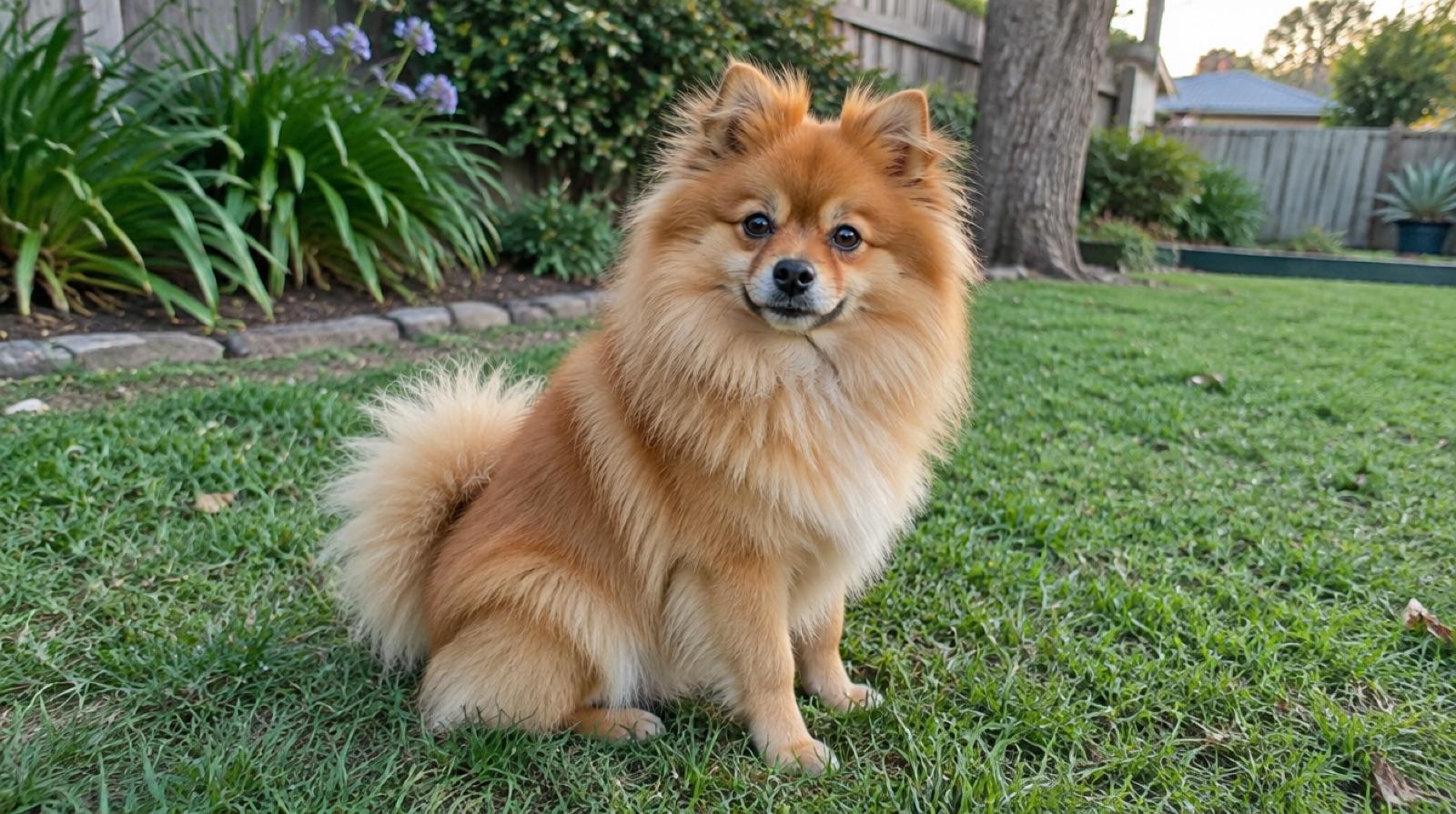
Should you adopt or buy a German Spitz?
Either route can work. The Dogs Australia breed standard describes a dog that is “compact, short coupled and well knit with an almost square outline”, whose profuse coat does not disguise any lack of substance. It says the German Spitz is “intelligent, active and alert”, that “its buoyancy, independence and devotion to the family are the breed characteristics”, and asks for a “happy, equable disposition, showing confidence, with no sign of nervousness or aggression”.
A registered breeder gives you a puppy of a known size, Klein or Mittel, with health-tested parents and pedigree papers. Rescue gives you a dog whose temperament you can see first, though it may be a spitz-type cross rather than a papered German Spitz; check the live listings, as numbers change daily. The route to avoid is an online ad for a cheap “German Spitz” with no papers, no size and no breeder you can check.
| Route | Reference cost | What you usually get | Main risk |
|---|---|---|---|
| Dogs Australia registered breeder | No member breeder's own website we found published a price (November 2026); ask each one | A pedigree Klein or Mittel puppy; ask about the register and the parents' health checks | Small registration numbers and waiting lists |
| General rescue or council pound | The standard fee, for example $500 to $1,000 at the RSPCA rows below | A German Spitz or spitz-type cross, desexed and microchipped | Availability changes daily; check the live listings |
| Online ad with no checkable breeder | Anything, from suspiciously cheap to full price | Unknown parents and size, no health results, or a puppy that does not exist | Untested parents and scams |
Reference figures: the RSPCA NSW and RSPCA Victoria fee pages, read 12 November 2026. They are not quotes. Breeders and rescues set their own prices and change them, so check with them.
What are the German Spitz Klein and Mittel?
Two sizes of one breed. Dogs Australia has a single German Spitz (Mittel & Klein) breed standard, a Kennel Club (London) standard revised in 1995 and effective in Australia from 1 January 1997, in Group 7, Non Sporting. It sets a height of 23 to 29 cm for the Klein and 30 to 38 cm for the Mittel, and no weight. Everything else in the standard, from coat to colour to temperament, applies to both.
Dogs Australia's March 2026 breed listing names them as German Spitz (Klein) and German Spitz (Mittel), and its registration figures count them separately: 9 Klein and 63 Mittel registered in 2025, against 11 and 126 in 2018. Those are small numbers, so expect to wait for a litter of the size you want.
| Trait | What the source says |
|---|---|
| Size | Klein 23 to 29 cm; Mittel 30 to 38 cm; no weight set (breed standard) |
| Colour | All colour varieties and markings except merle; no butterfly pigment (breed standard) |
| Coat | Double: a soft woolly undercoat under a long, harsh, perfectly straight top coat; not a trimmed breed (breed standard) |
| Grooming | Weekly brushing; more during the twice-yearly moult (Dogs Australia breed page) |
| Exercise | About 20 minutes a day (Dogs NSW quick guide); up to 1 hour a day (Royal Kennel Club) |
| Life span | Average 14 to 15 years (Dogs Victoria); usually 14 or 15 years (Dogs Australia breed page); over 12 years (Royal Kennel Club) |
Sources: Dogs Australia breed standard, Dogs Australia breed page, Dogs Victoria, Dogs NSW and the Royal Kennel Club (Klein, Mittel), read 12 November 2026.
How is a German Spitz different from a Pomeranian or a Keeshond?
On paper, by group, size measure and colour. All three are spitz breeds with a double coat and a tail carried over the back, and each has its own Dogs Australia standard. The table compares only what the three standards say; where one sets a weight and another a height, we do not convert one into the other.
| Standard says | German Spitz (Klein, Mittel) | Pomeranian | Keeshond |
|---|---|---|---|
| Group | Group 7, Non Sporting | Group 1, Toys | Group 7, Non Sporting |
| Size | Height: Klein 23 to 29 cm, Mittel 30 to 38 cm; no weight | Ideal weight: dogs 1.8 to 2 kg, bitches 2 to 2.5 kg; no height | Ideal height: dogs 46 cm, bitches 43 cm |
| Colour | All colours and markings except merle | All whole colours, free from black or white shadings; parti-colours and shaded sables described; merle not permissible | A mixture of grey and black; undercoat very pale grey or cream |
| Temperament | Happy, equable, confident; no nervousness or aggression | Extrovert, lively and intelligent | Bold, alert, friendly with marked guarding tendency |
Sources: Dogs Australia breed standards for the German Spitz, Pomeranian and Keeshond, read 12 November 2026.
In practice this means a German Spitz Mittel is well under the Keeshond's ideal height and can come in colours a Keeshond standard does not allow, and a Pomeranian is a separate Toy breed with its own standard. If a puppy is sold as “German Spitz or Pomeranian”, ask which breed the pedigree papers name. Our Pomeranian, Keeshond and Japanese Spitz guides cover those breeds.
What is a German Spitz like to live with?
Social, lively and vocal. The Dogs Australia breed page describes a happy dog that makes a loyal companion and effective watchdog, highly social, and active and agile, with long walks and runs the norm. It says the breed bonds very strongly with its people, so it is not appropriate to isolate one in the backyard or leave it alone for long periods, as this may result in excess vocalisation. Dogs Victoria says the German Spitz is extraordinarily attached to its owner, easy to train, naturally distrustful of strangers, and well suited to family life with an enclosed garden. It adds that what the small spitz lacks in bulk it makes up for in alertness and voice.
The coat is less work than it looks. The breed page says it repels water and dirt, that weekly brushing removes dead coat, and that the dog moults twice a year and needs more systematic brushing then, leaving little hair around the house the rest of the year. The standard says this is not a trimmed breed, beyond tidying the feet, anal area and legs below the hocks. If you live close to neighbours, read our guide to dog barking and complaint rules.
How healthy are German Spitz, and which checks should a breeder show you?
Generally healthy, with three conditions to ask about. The Dogs Australia breed page calls the breed remarkably healthy. Dogs Victoria says it is generally healthy but that epilepsy, patella luxation and PRA are possible health issues, and recommends asking breeders what health testing they do. PRA, progressive retinal atrophy, is an inherited eye disease; in patellar luxation the kneecap pops out of place, which the Orthopedic Foundation for Animals says occurs in toy and miniature breeds among others.
We found no Australian breed club health scheme published online. The UK Royal Kennel Club lists the same two items for both sizes; use them, with the Dogs Victoria list, to ask an Australian breeder questions, not as an Australian rule.
| Check to ask about | Who lists it |
|---|---|
| Eye examination (relevant to PRA) | Royal Kennel Club best practice for Klein and Mittel; Dogs Victoria names PRA |
| Kneecaps (patella) | Dogs Victoria names patella luxation |
| Epilepsy in the lines | Dogs Victoria names epilepsy; no test listed, so ask for an honest family history |
| Genetic diversity | Royal Kennel Club good practice for Klein and Mittel |
Sources: Dogs Victoria and the Royal Kennel Club (Klein, Mittel), read 12 November 2026.
How much is a German Spitz puppy from a registered breeder?
We quote no breeder price, because we found no member breeder's own website that published one. In November 2026 we looked for the own websites of German Spitz breeders who show membership of a Dogs Australia state body, leaving out listing and classified sites, and found no published price. We also found no guide price from Dogs Australia or the state bodies. We cannot speak for every breeder, so ask each one.
Ask for the price in writing and compare what it includes: whether the puppy is a Klein or a Mittel and how big the parents are, the parents' health checks, the vet check, vaccination and microchip, whether the puppy is on the Limited Register with a desexing agreement, and whether the breeder will take the dog back if your circumstances change. The dog cost calculator gives a first-year budget beyond the purchase.
Survey of member breeders' own websites, November 2026. Any price a breeder gives you is theirs to set; fees change, so check with them. Nothing here is a quote.
See the small dogs listed right now
Small dogs, including spitz-type dogs and crosses when rescues list them, from the rescues, shelters and council pounds we aggregate, each with its rescue, desexing and microchip details. Every listing links to the rescue, where you apply directly.
What do German Spitz in rescue look like?
It varies. Each rescue labels its dogs in its own words, so look beyond the breed name: check the small dogs listed in your city and the related spitz breed pages, as numbers change daily. A good rescue will tell you how the dog is with children, other dogs, strangers, barking and time alone.
Related breeds listed by rescues right now: Pomeranians, Japanese Spitz, Keeshonds.
What does a rescue German Spitz cost?
| Rescue | Fee as published | Read |
|---|---|---|
| RSPCA NSW | $620 puppy under 12 months; $500 dog over 12 months | 12 Nov 2026 |
| RSPCA Victoria | $650 to $1,000 puppy under 6 months; $500 to $1,000 adult dog | 12 Nov 2026 |
Reference only, not a quote. These are the fees each rescue published on the date shown; fees change and some dogs are priced individually, so check with the rescue. Both pages say adopted dogs are desexed, microchipped, vaccinated and health checked. Read our guides to adopting a dog in Australia and adopting a senior dog.
How do German Spitz puppy scams work?
Never send a deposit for a German Spitz puppy you have not seen with its mother, in person or at least on a live video call. A seller who asks for more money after the first payment, for shipping or transport, matches the scam pattern Dogs Victoria describes.
Scamwatch warns that scammers set up fake websites, and fake profiles on social media and online marketplaces, for pets that do not exist, and that if a pet is very cheap it is likely a scam. Dogs Victoria's puppy scam fact sheet adds that fake ads may display microchip, source or membership numbers lifted from legitimate breeders, and that scam sites often use puppy photos downloaded from other websites. Checks to make before you pay:
- Merle. The breed standard accepts every colour except merle. A merle puppy sold as a purebred German Spitz does not meet the standard; ask what it really is.
- Breed and size on the papers. Ask whether the puppy is registered as a German Spitz (Klein) or (Mittel), and see the papers. A puppy sold as “German Spitz or Pomeranian” should be one or the other on its pedigree.
- Borrowed numbers. Dogs Victoria says to contact the organisation a seller claims membership of and check the number is valid and matches the breeder's name, location and breed.
- Copied photos. Dogs Victoria passes on the ACCC's advice to use a reverse image search to check whether the photos appear on other websites.
Our guide to puppies for sale in Australia has the state-by-state table of breeder numbers, how to check each one, and what to do if you have already paid.
When is a registered breeder the better choice?
Rescue is not right for everyone, and if you want a German Spitz puppy of a particular size, waiting for a registered breeder is reasonable. Check these before you pay:
- Registration. Ask for the breeder's prefix and membership number and check them through Dogs Australia's breeder search or your state body.
- Klein or Mittel, and the size of both parents.
- Health checks on both parents, including eyes and kneecaps, and an honest history of epilepsy in the lines.
- The puppy's vet check, vaccination and microchip.
- A written contract covering health problems, register type, desexing and whether the breeder will take the dog back.
Is a German Spitz the right dog for you?
The appeal is real: a small to medium, long-lived companion that the breed bodies call happy, social and easy to train, with a coat that needs weekly brushing rather than clipping. Be honest about two things before you apply anywhere: it bonds closely and does not suit long days alone, and it is an alert, vocal watchdog. Not sure? Try the what dog breed is right for me quiz and the adoption readiness check, and compare with our guides to apartment dogs and toy dog breeds.
Find a German Spitz near you
Small dogs listed by rescues, by city:
- Small dogs for adoption in Sydney
- Small dogs for adoption in Melbourne
- Small dogs for adoption in Brisbane
- Small dogs for adoption in Perth
- Small dogs for adoption in Adelaide
More adopt-or-buy guides: Pomeranian, Keeshond, Japanese Spitz, Samoyed, Shiba Inu, Papillon.
Frequently asked questions
How much is a German Spitz puppy in Australia?▼
We have no current published figure to quote. In November 2026 we looked for the own websites of German Spitz breeders who show membership of a Dogs Australia state body and found none that published a price; the prices we saw were on listing sites, which we do not use, and we found no guide price from Dogs Australia or a state body. Ask each breeder for the price in writing and compare what is included.
What is the difference between a German Spitz Klein and Mittel?▼
Height. Both sizes share one Dogs Australia breed standard, the German Spitz (Mittel and Klein), which sets a height of 23 to 29 cm for the Klein and 30 to 38 cm for the Mittel and sets no weight. Dogs Australia lists German Spitz (Klein) and German Spitz (Mittel) as separate entries in its breed listing and its registration figures.
Is a German Spitz the same as a Pomeranian?▼
No. They have separate Dogs Australia standards in different groups: the Pomeranian is in Group 1, Toys, and the German Spitz in Group 7, Non Sporting. The Pomeranian standard sets an ideal weight (1.8 to 2 kg for dogs, 2 to 2.5 kg for bitches) and no height, while the German Spitz standard sets heights and no weight, so the two cannot be compared figure for figure. The Pomeranian standard permits all whole colours free from black or white shadings, also describes parti-coloured and shaded sable dogs (preferring whole colours when dogs are otherwise equal) and does not permit merle; the German Spitz standard accepts all colours and markings except merle.
Is a German Spitz the same as a Keeshond?▼
No. Both are in Dogs Australia's Group 7, Non Sporting, but the Keeshond standard gives an ideal height of 46 cm for dogs and 43 cm for bitches, above the German Spitz Mittel's 30 to 38 cm, and allows one colour scheme: a mixture of grey and black with a pale grey or cream undercoat. The German Spitz standard accepts all colours except merle.
What colours do German Spitz come in?▼
The breed standard says all colour varieties and markings are acceptable, with the exception of merle, and that butterfly pigment is not permitted with any colour. Dogs Victoria says the most common colours are black, chocolate, orange, cream, black and tan, white and parti colours.
What health problems do German Spitz have?▼
The Dogs Australia breed page calls the German Spitz a remarkably healthy breed. Dogs Victoria says it is generally healthy but that epilepsy, patella luxation and PRA (progressive retinal atrophy, an inherited eye disease) are possible health issues. Ask a breeder what health testing the parents have had.
How long do German Spitz live?▼
Dogs Victoria gives an average life span of 14 to 15 years, and the Dogs Australia breed page says they usually live to 14 or 15 years. The UK Royal Kennel Club lists over 12 years for both sizes.
Do German Spitz bark a lot?▼
They are alert watchdogs. Dogs Victoria says the small spitz makes up in alertness and voice what it lacks in bulk, and the Dogs Australia breed page warns that isolating one in the backyard or leaving it alone for long periods may result in excess vocalisation.
How much grooming does a German Spitz need?▼
Weekly brushing for most of the year. The Dogs Australia breed page says weekly brushing removes dead coat, mud and dirt fall off after a run in the park rather than sticking to the coat, and the dog moults twice a year and needs more systematic brushing then. The breed standard says it is not a trimmed breed.
Can I adopt a German Spitz in Australia?▼
Rescues list dogs by their own descriptions, so you may also see spitz-type crosses. Numbers change daily, so check the small dogs listed by rescues in your city, set an alert, and look at the Pomeranian, Japanese Spitz and Keeshond listings too.
How much does it cost to adopt a German Spitz?▼
You pay the rescue's standard fee. RSPCA NSW listed $620 for a puppy under 12 months and $500 for a dog over 12 months, and RSPCA Victoria listed $650 to $1,000 for a puppy under 6 months and $500 to $1,000 for an adult dog. These were the fees published when we read them on 12 November 2026; they are a reference, not a quote, and fees change, so check with the rescue.
How do I avoid German Spitz puppy scams?▼
Only pay for a puppy you have seen with its mother, in person or at least on a live video call. Scamwatch says a very cheap pet is likely a scam, and Dogs Victoria warns that fake ads may show microchip, source or membership numbers lifted from real breeders. The standard excludes merle, so ask questions about a merle puppy sold as a purebred German Spitz.
Sources
- Dogs Australia: German Spitz (Mittel & Klein) breed standard (last updated 22 February 2017; standard effective in Australia 1 January 1997)
- Dogs Australia: German Spitz breed page (words by Brian Crump)
- Dogs Australia: Breed listing (March 2026)
- Dogs Australia: National Animal Registration Analysis 2018 to 2025
- Dogs Australia: Pomeranian breed standard (last updated 1 April 2017)
- Dogs Australia: Keeshond breed standard (last updated 24 February 2015)
- Dogs Australia: Find a breeder
- Dogs Victoria: German Spitz (Klein) (Mittel) breed profile
- Dogs NSW: German Spitz (Klein) (Mittel) breed page
- Royal Kennel Club (UK): German Spitz (Klein) breed page and health tests
- Royal Kennel Club (UK): German Spitz (Mittel) breed page and health tests
- Orthopedic Foundation for Animals: Patellar luxation
- Scamwatch: Buying and selling scams (pet scams)
- Dogs Victoria: A7 Identifying puppy scams and puppy farms (fact sheet, copyright 2023)
- RSPCA NSW: Adoption fees
- RSPCA Victoria: The adoption process
Keep reading
Pomeranian puppies: adopt or buy?
The Toy group spitz set by weight, its health checks and the teacup sales pitch.
Keeshond puppies: adopt or buy?
The grey and black Dutch spitz, the PHPT DNA test and the checks to ask for.
Puppies for sale: adopt or buy?
The breeder number each state requires, how to check it, and rescue puppy fees.
Small dogs listed by Sydney rescues
Small dogs and spitz-type crosses listed right now by the rescues and shelters we aggregate.