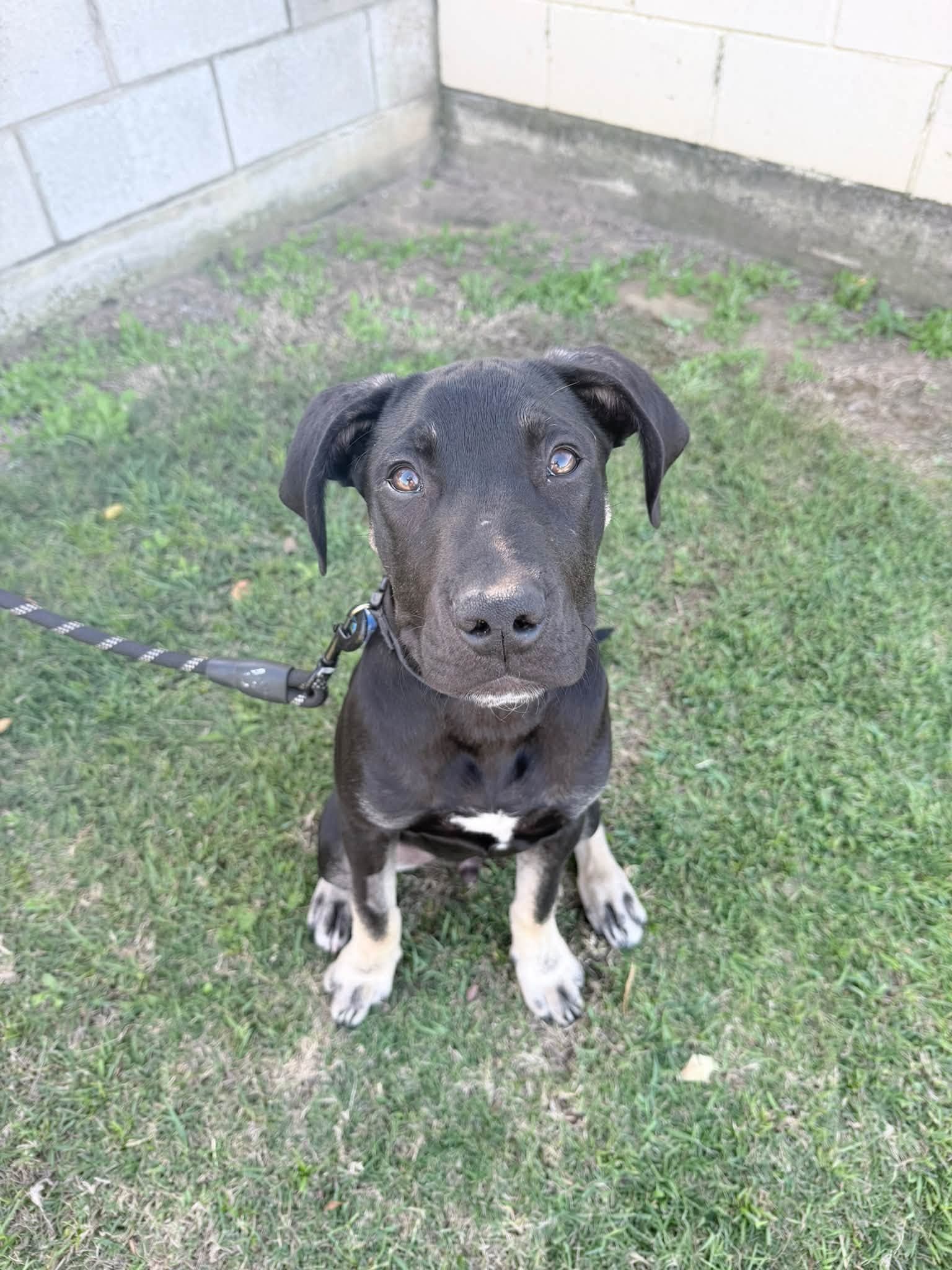
Baxter
3 months • Dachshund x Jack Russell Terrier
Billy
3 months • Dachshund x Jack Russell Terrier
Bindi
3 months • Dachshund x Jack Russell Terrier
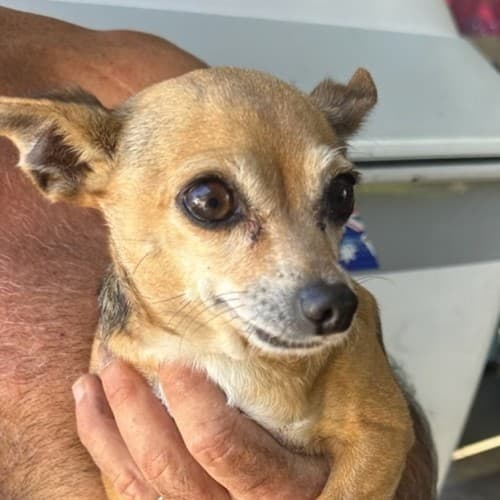
Bonny (Bon Bon)
5 years • Mixed Breed
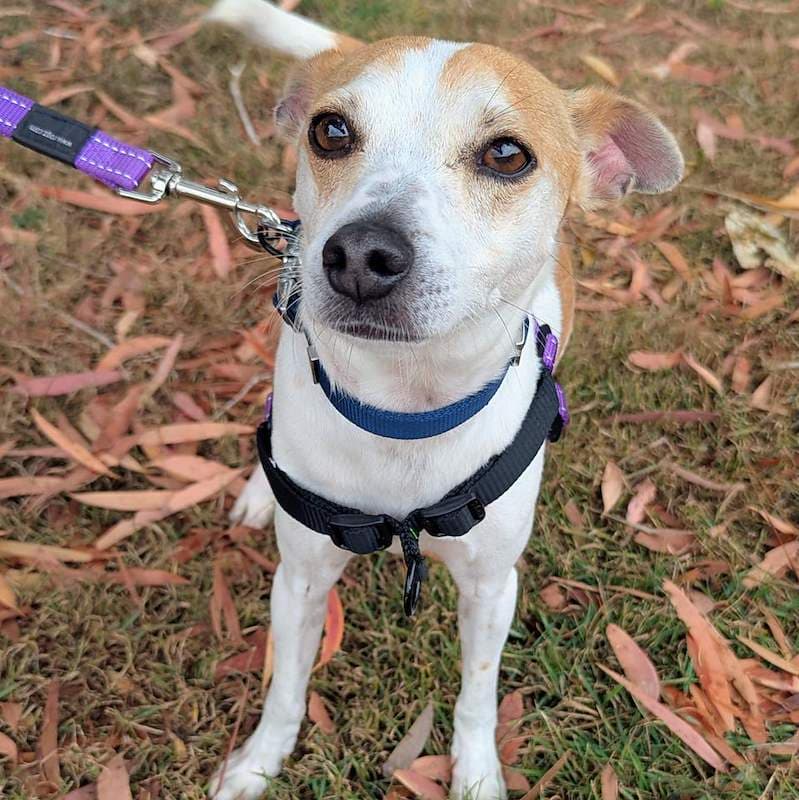
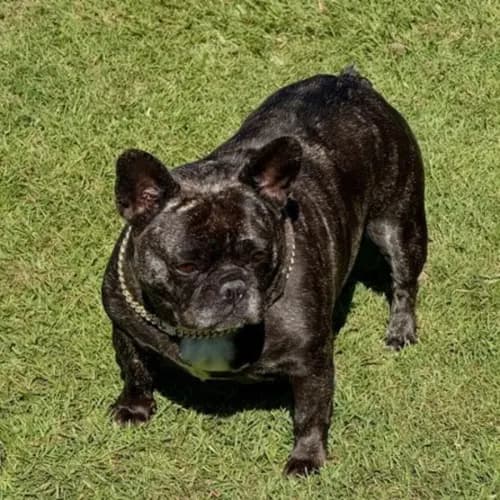
Frankie
Unknown • Mixed Breed
Hank
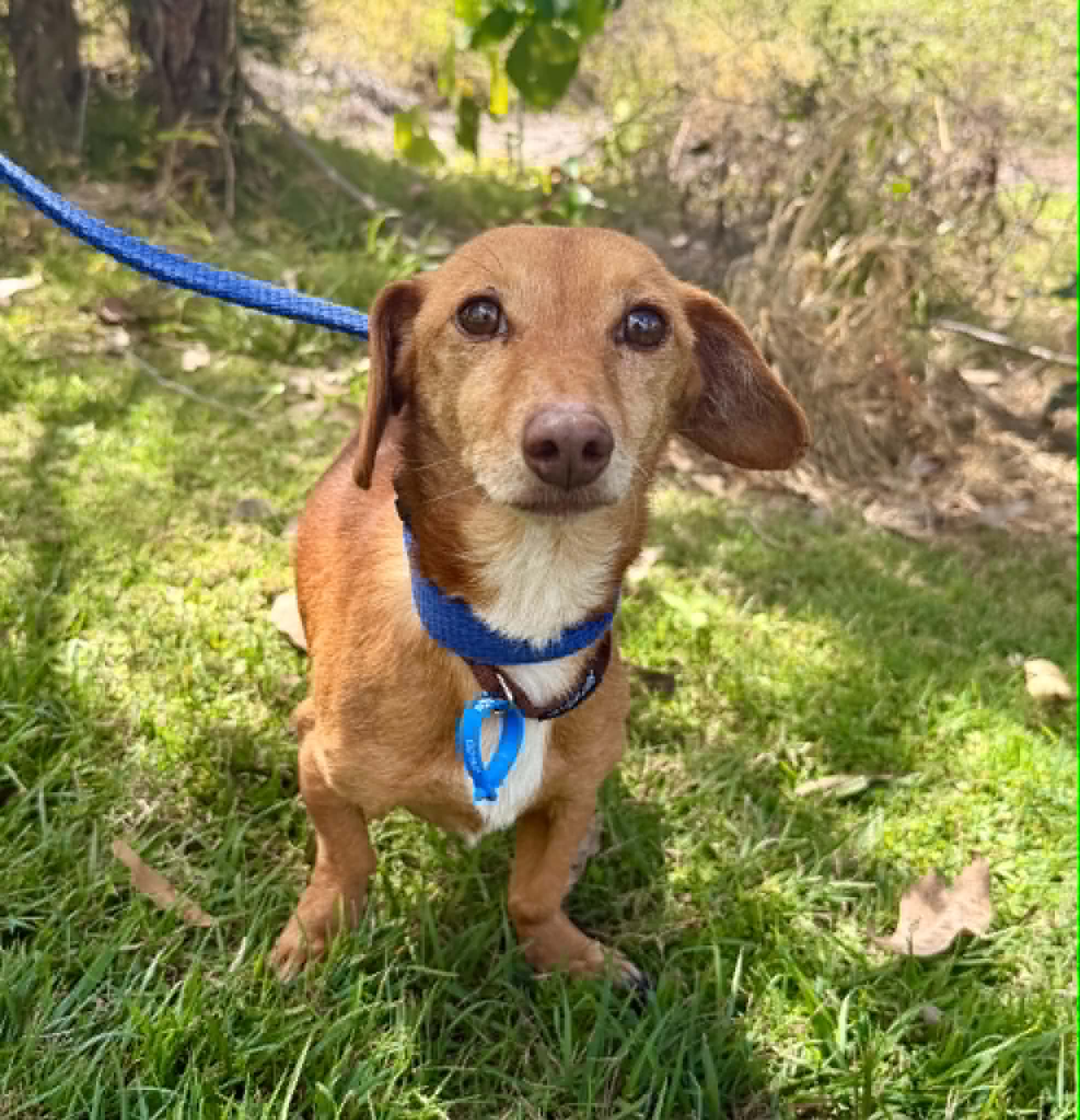
2 years 11 months • Dachshund Cross
Showing 1-9 of 21 dogs
Get notified about new dogs in Brisbane
We will email you when new rescue dogs become available in Brisbane, so you can be among the first to meet them.
Small dogs are ideal for Brisbane apartment living, units, and smaller homes. Breeds under around 12 kilograms, like Maltese, Shih Tzus, Pugs, and Cavoodles, tend to need less space and are often quieter neighbours. Many are also lower energy, making them a great fit for first-time owners or seniors.
All dogs listed below are sourced from Brisbane and Queensland rescues. Listings are updated regularly, so check back often. Small dogs tend to get adopted fast.
Popular Small Dog Breeds in Brisbane Rescues
Small dogs, generally those under around 12 kilograms, are consistently among the most sought-after in Brisbane rescue. You will regularly see Maltese, Shih Tzus, Chihuahuas and their crosses, Cavoodles and other Poodle crosses, Jack Russell and other small terriers, Pugs, and small Foxie types. Many are crosses rather than purebreds, and a mixed-breed small dog often brings the same portable size with a bit more health resilience.
Because they suit so many living situations, small dogs move fast. A cute small cross can attract multiple applications within hours of being listed, so if you see one that fits your life, apply straight away rather than waiting to think it over. Setting up an alert is the best way to hear about a new small dog the moment it appears.
Temperament varies far more between individuals than the breed label suggests, which is why a foster carer's assessment matters. Some small dogs are bold and busy, others are happy lap dogs, and a good rescue will match the dog's personality to your household rather than leaving you to guess from a breed name.
Small Dogs for Brisbane Apartments and Units
Small dogs are a natural fit for apartments, units and smaller homes. They take up little space, many have modest exercise needs, and their size makes them easy to manage in shared buildings and on public transport. For renters and first-time owners in particular, a small dog is often the most practical way to bring a dog into your life.
Size is not the whole story, though. Some small breeds are surprisingly vocal, and barking is the fastest way to fall out with neighbours in a unit. Look for a dog described as quiet and settled, give it enough exercise and mental stimulation, and address any barking early with reward-based training rather than letting it become a habit.
Before you apply, check your lease and any strata or body-corporate by-laws, since pet rules vary between buildings and some limit the number or size of pets. Even the smallest, best-behaved dog needs the building to allow it, so confirm the policy in writing first.
Small Dogs and Children: What Actually Works
Small dogs and children can be a wonderful combination, but it takes the right dog and the right supervision. A very small dog is fragile, and rough or clumsy handling from a young child can hurt it or frighten it into snapping defensively. This is about matching the individual dog to your children's ages, not about any one breed being good or bad with kids.
Ask the rescue directly how a particular dog has been around children in foster care. A dog assessed as comfortable and patient with kids is a far safer bet than a guess based on how a breed looks. Some small dogs adore children; others are better suited to a calmer, adult household, and the rescue will tell you honestly which is which.
Whatever dog you choose, teach children to be gentle, to let the dog rest undisturbed, and never to pick a small dog up roughly. Supervise all interactions in the early weeks, and give the dog a safe space it can retreat to. With the right match and sensible rules, a small family dog becomes a cherished part of the household.
Grooming and Coat Care for Small Dogs
Grooming needs vary enormously among small dogs, and it is worth understanding before you adopt. Short, smooth-coated small dogs such as Chihuahuas and many terriers need little more than a weekly brush. Longer or curly coats, like those on Maltese, Shih Tzus and Poodle crosses, grow continuously, need brushing every day or two to prevent matting, and require professional clipping every six to eight weeks.
Those grooming appointments are a real ongoing cost, commonly in the range of 80 to 150 dollars a session depending on the dog and the groomer, so factor them into your budget for a coated breed. Between visits, keeping on top of brushing saves money and keeps your dog comfortable, since a matted coat is painful and can hide skin problems.
The lowest-maintenance choice is a short-coated adult small dog, because the coat you meet is the coat you keep. If easy care matters to you, mention that to the rescue and they can point you to dogs whose grooming needs are simple.
Health Considerations in Small Breeds
Small dogs are generally long-lived, and many reach their mid to late teens, which is one of their great attractions. Like every type of dog they can have breed-related tendencies, such as dental issues in very small mouths or knee and joint quirks in some breeds, and a rescue will disclose anything known from the vet check. Mixed-breed small dogs often sidestep some of the concentrated problems of purebred lines.
Dental care deserves particular attention in small dogs, whose teeth are crowded into small jaws. Ask about the dog's dental health at adoption, keep up whatever routine your vet recommends, and treat a dental check as part of ongoing care. Keeping your small dog at a healthy weight also protects its joints and adds years to its life.
None of this should worry you unduly. Small dogs are robust companions that live long, happy lives with routine care, a good diet and regular vet checkups. Going in informed simply means you can budget properly and catch any issue early.
Small Dogs for Senior Adopters
Small dogs are a popular and sensible choice for older adopters, and for good reason. They are easy to lift, easy to walk, and their modest exercise needs suit a gentler pace of life. A calm small dog offers all the companionship of a larger one without the physical demands, which matters if strength or mobility is a consideration.
A senior small dog can be an especially good match for a senior person. Both are past the demanding early years, both appreciate a quiet routine, and many rescues reduce the adoption fee for older dogs. The dog gets a loving home for its later years and the adopter gets an undemanding, devoted companion.
If you are adopting later in life, it is worth thinking about a plan for the dog should your circumstances change, and some rescues can help with that conversation. It is a responsible thing to consider, and it need not stop you giving a small dog a wonderful home.
Small dogs and inner-Brisbane life
Small dogs suit the flats, townhouses and compact courtyards common across inner Brisbane, but they still need proper exercise and stimulation. A tired small dog is a well-behaved small dog, and short legs are no excuse to skip walks. Perrin Park at Toowong is one council-listed off-leash option, and the Brisbane City Council off-leash index lists smaller local areas near you, some fenced in a way that suits little dogs.
Many small breeds carry longer or fuller coats that need regular brushing and a professional clip every couple of months, and Brisbane's humidity makes coat and skin care matter more, not less. When you meet a small dog through a Brisbane rescue, ask about its coat care, its confidence around bigger dogs and whether it has any barking habits that a neighbour in a shared building might notice.
Council registration for small dogs
Small does not mean exempt. Every dog must be registered with Brisbane City Council from 12 weeks of age, and desexed, microchipped dogs pay the reduced fee, which covers essentially every rescue dog. Confirm the exact figure with the council. Little dogs are not exempt from the paralysis tick either, so keep up a registered preventive and check the coat after park visits, since the tick is a year-round risk across South East Queensland.
Small Dog Adoption FAQ
Tap a question to expand