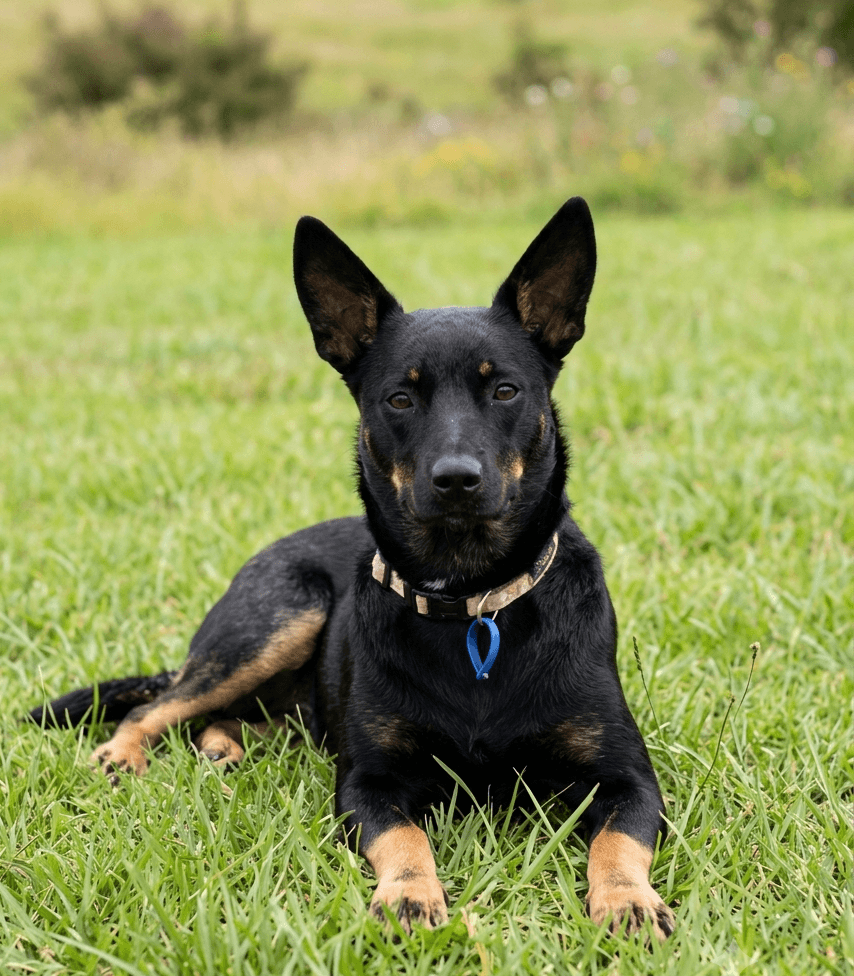
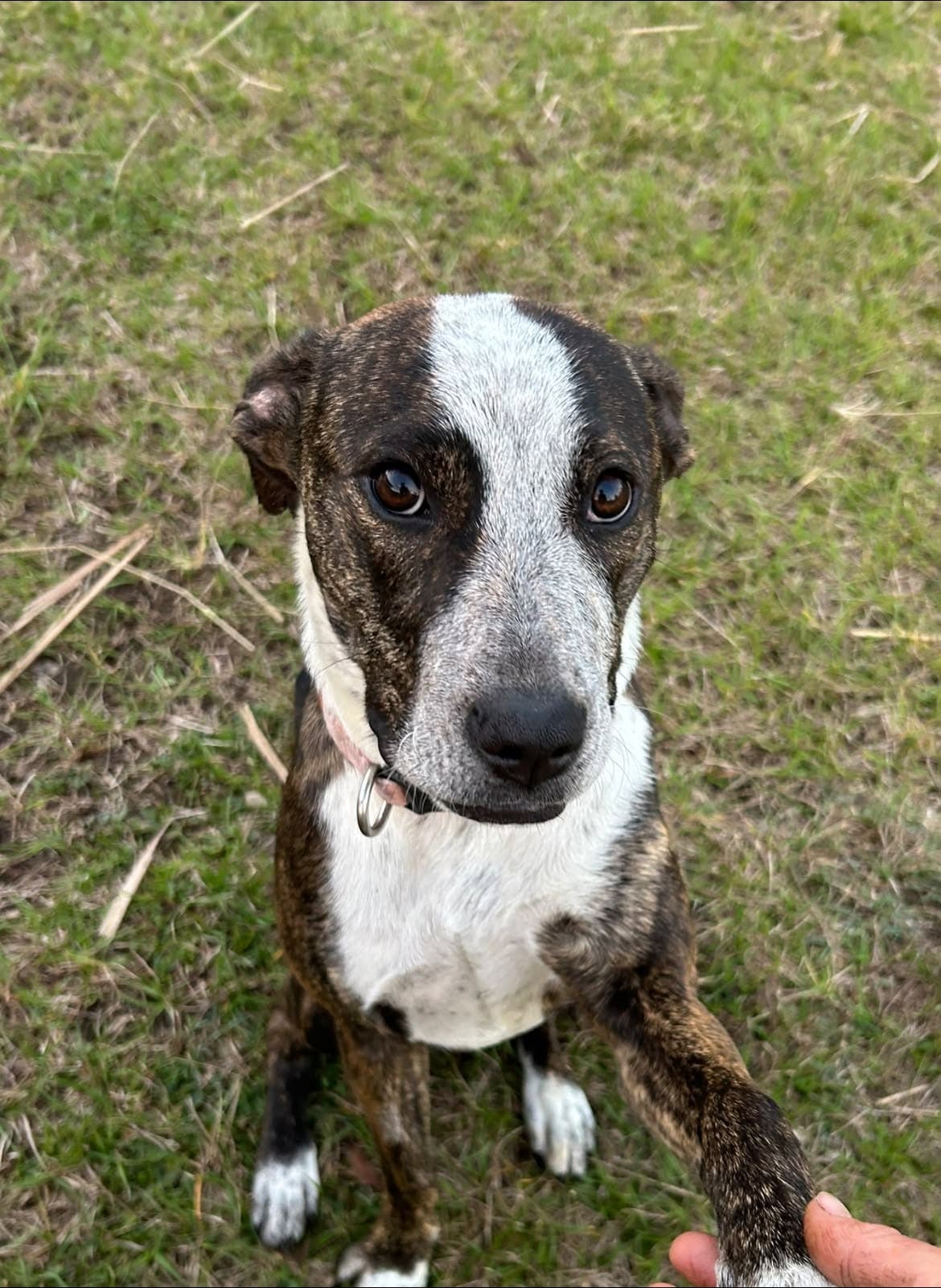
Almond
8 months • Staffordshire Bull Terrier x Australian Cattle Dog
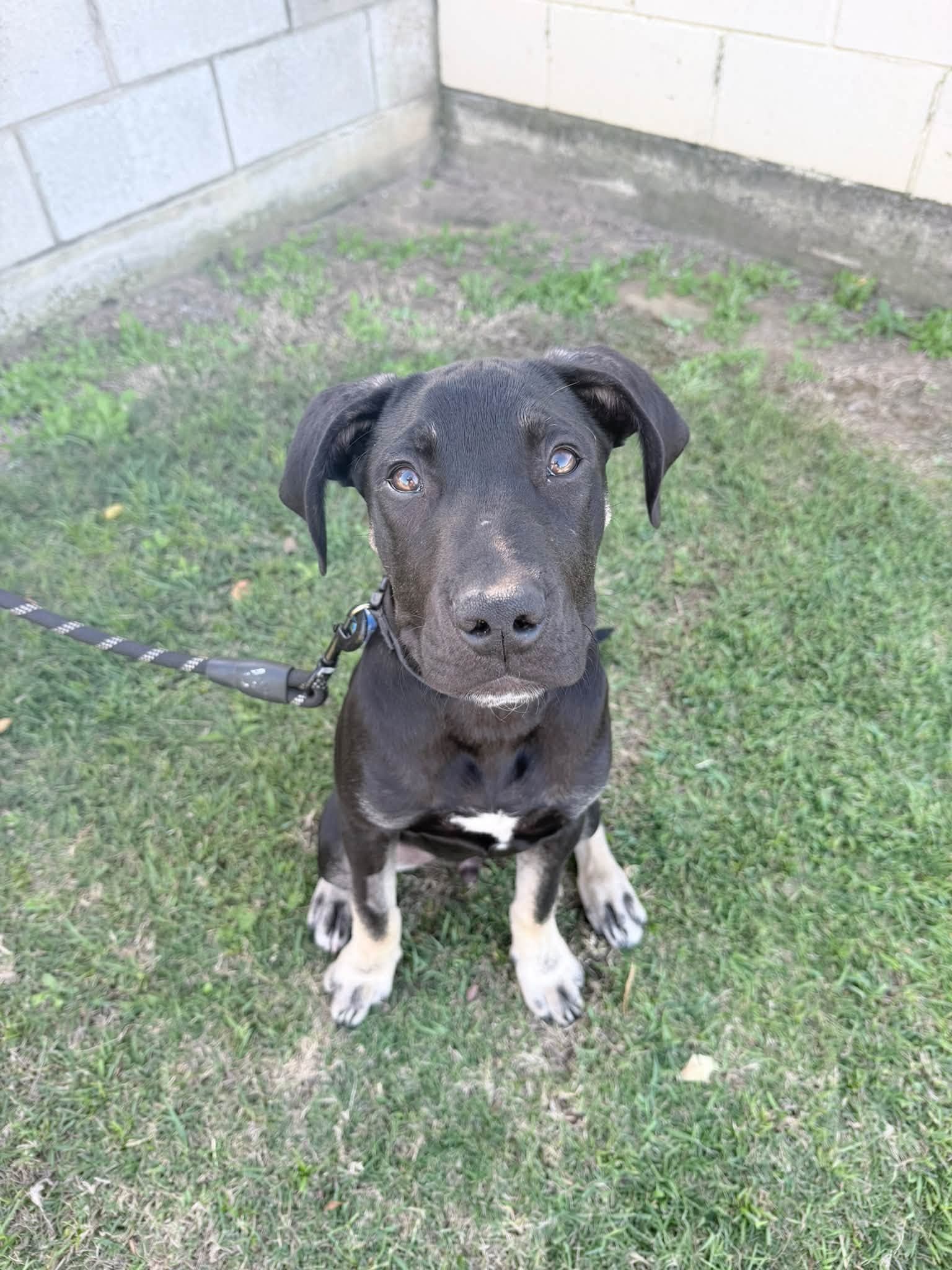
Baxter
3 months • Dachshund x Jack Russell Terrier
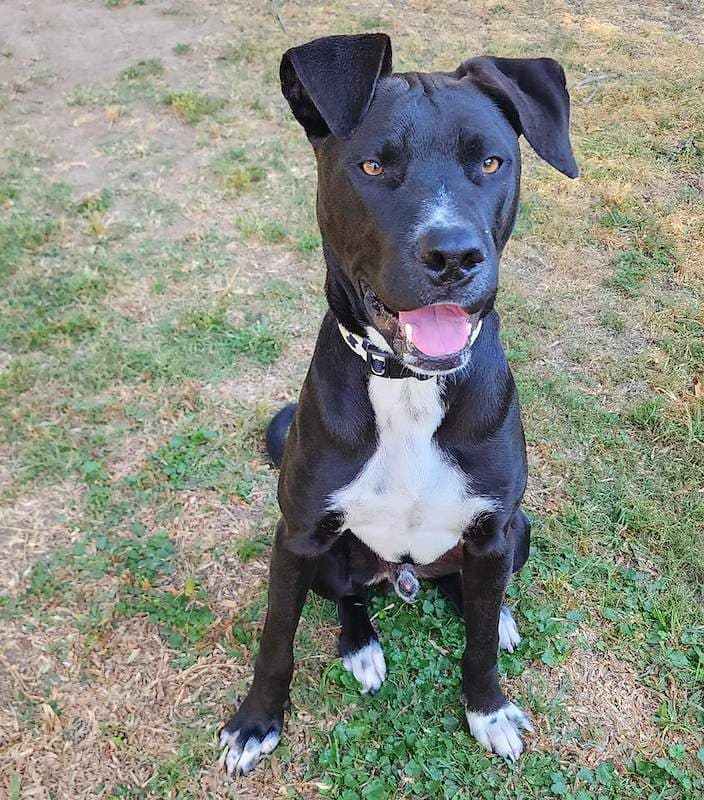
Billy
3 months • Dachshund x Jack Russell Terrier
Bindi
3 months • Dachshund x Jack Russell Terrier
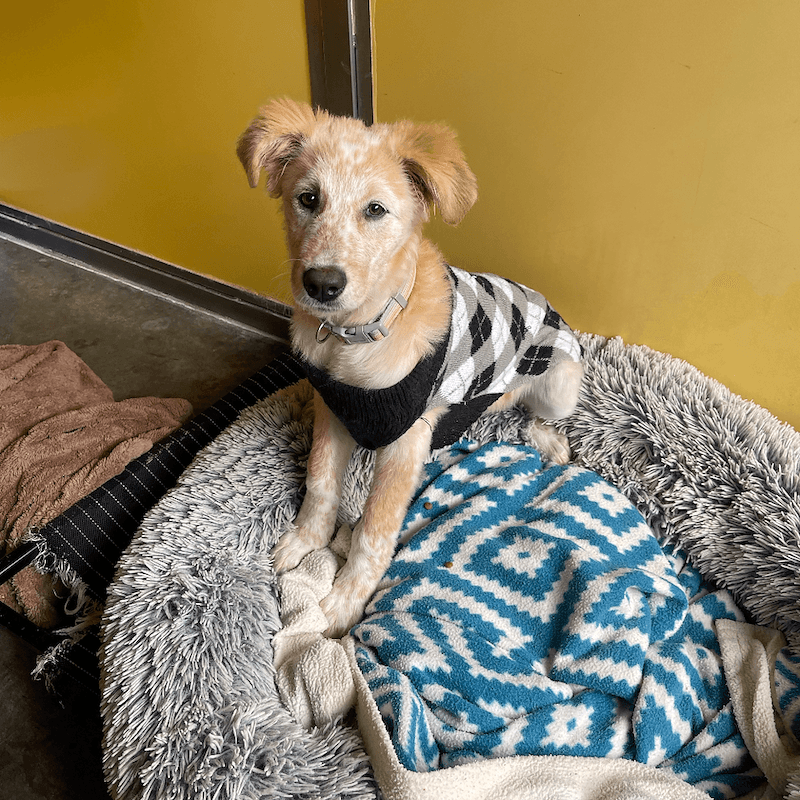
Bowie
6 months • Maremma Sheepdog x Border Collie
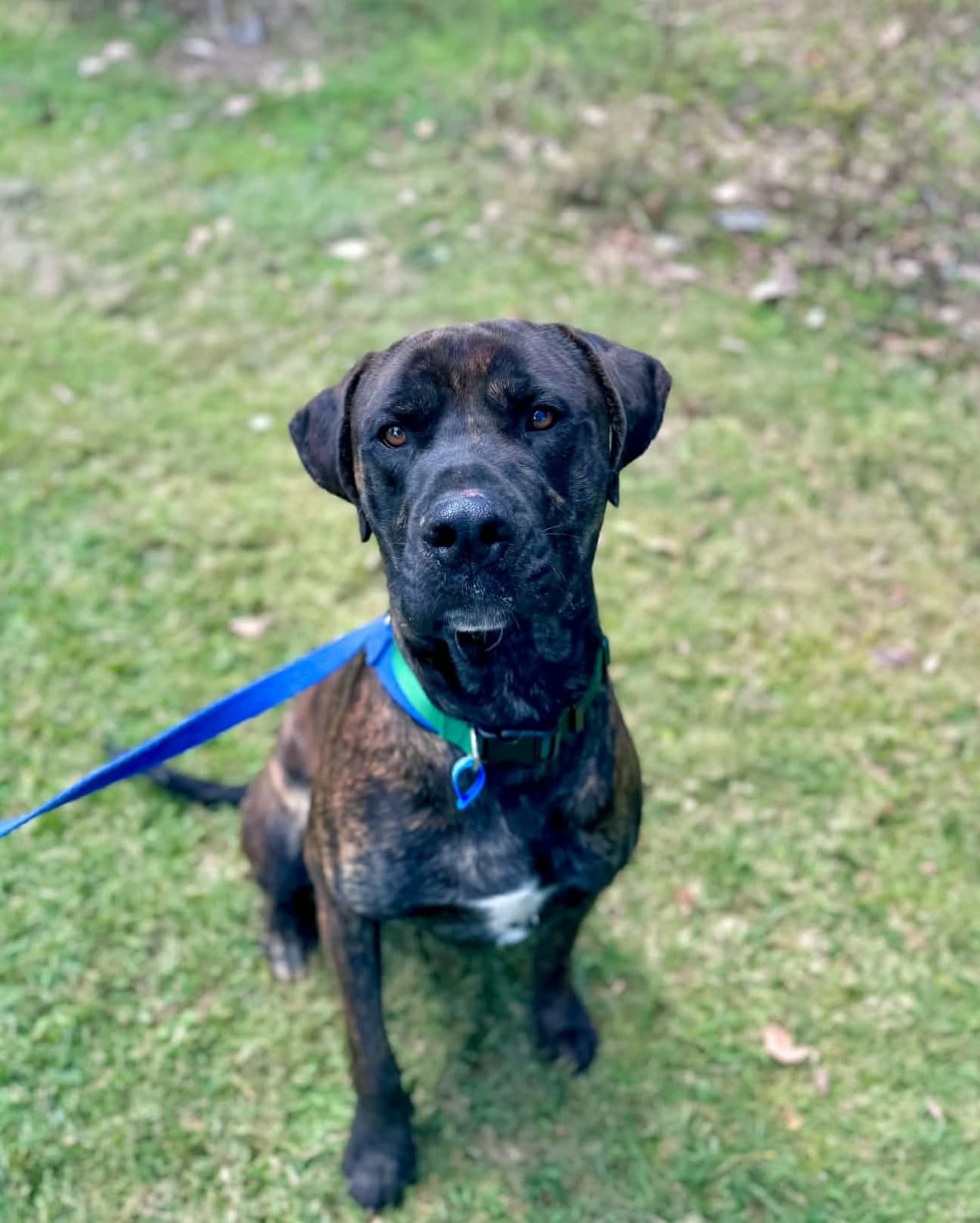
Showing 1-9 of 43 dogs
Get notified about new dogs in Brisbane
We will email you when new rescue dogs become available in Brisbane, so you can be among the first to meet them.
Adopting a puppy from a Brisbane rescue is one of the best decisions you can make, both for the puppy and for your family. Unlike buying from a breeder, rescue adoption gives a young dog a second chance while freeing up shelter space for other animals in need. Every puppy listed here comes from a Brisbane or Queensland rescue organisation that has already started veterinary care, vaccination, and often desexing.
That said, puppies are a serious time commitment. They need consistent house training, socialisation during their critical first months, and obedience work to become well-adjusted adult dogs. Expect to invest several hours a day in the first few weeks. Puppies also need more frequent vet visits and may chew furniture, shoes, and anything else they can reach.
Listings below are updated regularly directly from rescue websites. Puppies are in high demand and often receive multiple applications within hours of being posted, so if you see one that matches your lifestyle, apply right away through the rescue.
Popular Puppy Breeds and Types in Brisbane Rescues
Rescue puppies in Brisbane are overwhelmingly mixed breeds, and that is a good thing. Cross-bred litters draw on more than one breed, which tends to spread out the inherited health problems that concentrate in tightly bred pedigrees. You will regularly see Staffy and bull-breed crosses, Kelpie and cattle-dog types, Border Collie mixes, and the occasional Labrador or Retriever cross. Smaller crosses such as Cavoodle and Maltese types appear too, though they tend to be claimed within hours.
Purebred puppies do turn up in Brisbane and Queensland rescue, but far less often than people expect and never for long. If your heart is set on one specific breed, patience and a saved alert will serve you better than refreshing listings all day. Foster carers assess each puppy as an individual, so the honest description of temperament and likely adult size matters far more than a breed label guessed from a photo.
Adult size is the single hardest thing to predict in a rescue puppy, especially a mixed-breed one from an unknown litter. A good rescue will give you a considered estimate based on the puppy's paws, its parents where known, and the vet's assessment, but treat it as a range rather than a promise. If a strict size limit matters for your home or your lease, an older puppy or a young adult removes the guesswork.
Raising a Puppy in a Brisbane Apartment or Unit
A puppy can thrive in an apartment or unit, but it changes how you manage the first few months. Toilet training is slower without a back door to a yard, so you will be carrying your puppy to a designated outdoor spot on a frequent schedule, including overnight at first. A consistent routine and plenty of calm praise for going in the right place shortens the process more than any product ever will.
Noise is the other apartment consideration. Puppies cry when left alone, and thin walls make that everyone's problem. Build up alone-time gradually from very short absences, give your puppy a comfortable crate or pen as a safe den, and tire them out before you leave. Most apartment puppy troubles trace back to a young dog that is under-exercised, under-stimulated and left alone too long too soon.
Before you commit, check your lease and any strata or body-corporate by-laws for pet rules, since these vary between buildings and some cap the number or size of pets you may keep. Confirm the policy in writing before you apply for a puppy, not after you have fallen for one.
Puppy Health, Vaccination and the First Vet Visit
Every puppy listed here leaves its rescue vaccinated appropriately for its age, microchipped, and started on parasite prevention, with desexing either done or arranged as part of the adoption. You should still book your own vet within the first week so your puppy gets a baseline health check and you can set up the ongoing vaccination and parasite schedule your vet recommends for where you live.
Puppies need a course of vaccinations over their first months rather than a single shot, and their immunity is not complete until that course is finished. Ask your vet when it is safe for your puppy to socialise on the ground in public places, because the timing balances protecting them from disease against the equally important job of socialising them during a short, critical window.
Parasite prevention is year-round across most of Australia and is not optional. Fleas, intestinal worms and heartworm affect dogs everywhere, and in tick regions paralysis ticks are a serious seasonal risk your vet will advise on. Do not improvise products or doses for a small puppy; your vet will match the prevention to your puppy's weight and your local risks.
Puppy Training and Socialisation in the First Months
The first few months shape the adult dog more than any other period. Socialisation means calm, positive exposure to as many everyday sights, sounds, surfaces and friendly people and dogs as you can manage while your puppy is young. The goal is a confident dog that takes the world in its stride, and the window for building that easily is short, so start gently from day one.
Keep training sessions short, frequent and rewarding. Five to ten minutes a few times a day beats one long, frustrating session. Focus on toilet training, a reliable name response, sit, and coming when called, and reward the behaviour you want rather than punishing mistakes. Reward-based methods are what modern trainers and animal welfare bodies recommend, and they build a dog that wants to work with you.
A structured puppy class is one of the best early investments you can make. Beyond the basics, it gives your puppy safe, supervised socialisation with other dogs and people, and gives you a professional to answer the small questions before they become habits. Ask your vet or your rescue to point you to a reward-based puppy class near you.
The Honest Truth About Rescue Puppy Availability
Puppies are the most in-demand animals in rescue, and popular ones receive multiple applications within hours of being listed. That is worth knowing before you set your heart on one particular pup. Being ready to apply the moment a puppy appears, with your household in agreement and your questions prepared, matters far more than luck.
Because puppies move so fast, the single best strategy is to widen your criteria and set up an alert. A slightly older puppy, a young adult, or a cross rather than a purebred will all give you the same years of companionship, often with a known temperament and adult size into the bargain. Rigid criteria simply mean a longer wait.
It is also worth being realistic about the workload. A puppy is months of broken sleep, toilet training, chewing and constant supervision before it becomes the easy adult dog you pictured. If that season of life does not suit you right now, an adult rescue dog gives you the companionship without the intensive early stage, and adult dogs wait far longer for homes.
Costs, Registration and Bringing Your Puppy Home
A rescue puppy's adoption fee is typically around $550 to $850, and it already bundles in desexing or a desexing plan, vaccination to date, microchipping and a vet check. Bought from a breeder, the same puppy commonly runs into the thousands with none of that vet work included, so adoption is both the kinder and the cheaper path to a well-started puppy.
Registration is a legal requirement across Australia. Councils in Queensland require dogs to be microchipped and registered, and a desexed dog usually attracts a lower registration fee, so keep your desexing paperwork. Your rescue will transfer the microchip into your name, and you should make sure your details on the microchip registry stay current, because that chip is how a lost dog finds its way home.
Budget for the ongoing costs before you adopt, not after. Quality food, year-round parasite prevention, the remaining vaccination course, training and routine vet care all add up, and a puppy will also cost you a crate, bedding, a lead and safe chew toys up front. Planning for the real cost of the first year is part of being ready for a puppy.
Adopting a puppy in Brisbane: the paperwork that protects you
Puppies are the easiest listings for scammers to fake, so Queensland's rules give you a way to check. There is no Pet Exchange Register here, but two safeguards apply: under the Animal Management (Cats and Dogs) Act 2008 every puppy must be microchipped before 12 weeks or before it is sold or given away, and anyone who sells or advertises a dog born on or after 26 May 2017 must display a Queensland Dog Breeder Register supply number. Before you pay anything, confirm the puppy is chipped and ask for the supply number, and if a deal feels rushed or a deposit is demanded before you meet the puppy, cross-check it against Scamwatch.
A rescue puppy in Brisbane typically costs around $650, with the fee covering vaccination, microchipping, a vet check and desexing where the puppy is old enough. That upfront transparency is one of the clearest signs you are dealing with a legitimate source rather than a backyard seller.
Registration, socialisation and a subtropical start
Once your puppy reaches 12 weeks of age it must be registered with Brisbane City Council, where desexed dogs pay a reduced fee. Complete the vaccination course on your vet's schedule before letting the puppy mix widely, and start gentle, positive socialisation early so your puppy learns that its new Brisbane home is a safe place.
Brisbane's heat and humidity are hard on a young dog, so keep play short and timed for the cool of the day and never leave a puppy in a hot car or enclosed space. The paralysis tick is a year-round danger across South East Queensland, and puppies are especially at risk, so ask your vet from the first visit about a registered, puppy-safe tick preventive and check the coat after any time outdoors.
Puppy Adoption FAQ
Tap a question to expand