The short answer
An older rescue dog is the lowest-surprise adoption there is. You can see its adult size, coat, energy level and temperament, and you skip the puppy and adolescent stages. Fees are often lower: on 9 November 2026 RSPCA Victoria listed no fee for senior animals and RSPCA ACT charged $195 for dogs 8 and over (dated references, not quotes). The costs come later, at the vet: dental disease and arthritis are common in older dogs, and insurance can be harder to get. RSPCA NSW gives Seniors Card holders 50% off the fee for pets over eight. If the trade suits you, the city listing pages below show the older dogs rescues have right now.
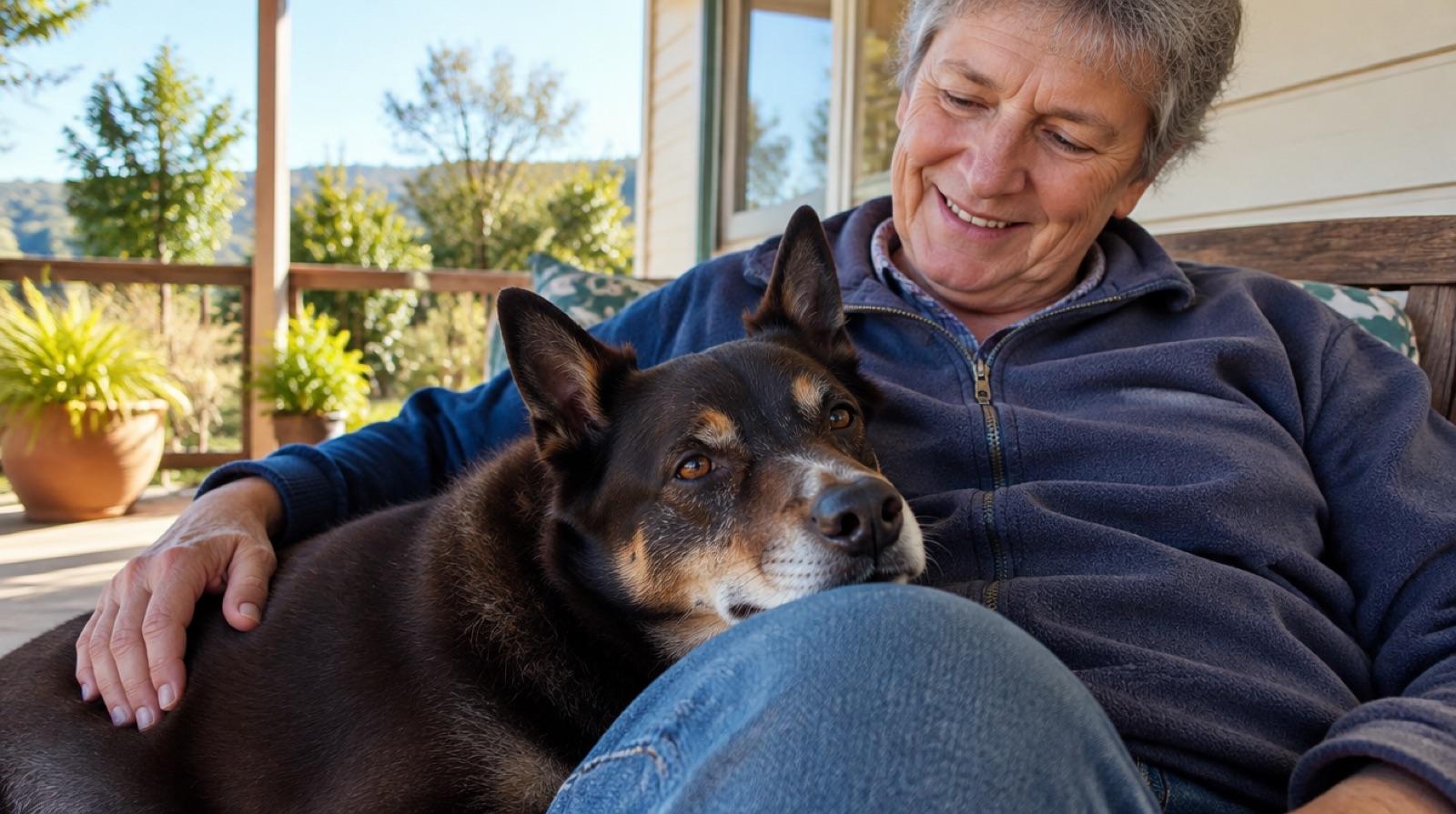
Why adopt a senior dog?
Older dogs are often the most overlooked animals in a rescue. They are frequently the calmest and the easiest to live with, yet adopters scroll past them looking for puppies. The hesitation is usually about the ending, not the dog, and it is worth looking at both sides plainly.
- You know what you are getting. With a puppy, especially a mixed breed, adult size, coat, energy and temperament are guesses. An older dog has already answered all of them.
- You skip adolescence. Adolescence is when many young dogs test their owners hardest. A senior dog is long past it.
- Many are house-trained. Plenty of older dogs come from homes and already know the household routine.
- Lower fees. Rescues often reduce or waive the fee for older dogs. The table below shows real examples.
- They settle well. RSPCA NSW says senior pets generally adjust easily to new homes.
Not sure an older dog fits your life? The what dog breed am I quiz and the adoption readiness check are quick ways to test it.
What age counts as a senior dog?
It depends on the dog. The University of Sydney Veterinary Teaching Hospital says ageing varies with breed and size: small dogs tend to live longer and may be considered senior later, while large and giant breeds age earlier. A nine-year-old terrier and a nine-year-old Great Dane are at very different stages of life.
Rescues set their own lines for fees. In the fee bands we checked, “senior” starts at 6 years at Cairns Animal Rescue, 7 at Hunter Animal Rescue, 8 at RSPCA ACT and Animal Aid, and 10 at Logan City Council's Animal Management Centre. Treat the word as a rough band, not a diagnosis.
How much does it cost to adopt a senior dog?
Older dogs usually cost less to adopt than younger ones, and at some shelters nothing at all. These are the fees published by each organisation on the date shown. They are references, not quotes, and fees change.
| Organisation | State | Senior dog fee | Adult dog fee, for comparison | Checked |
|---|---|---|---|---|
| RSPCA Victoria | VIC | No fee (senior animals) | $500 to $1,000 | 9 Nov 2026 |
| Animal Aid | VIC | $380 (8 years and over) | From $560 (6 months to 8 years) | 9 Nov 2026 |
| RSPCA NSW | NSW | $500, or 50% off for Seniors Card holders adopting a pet over eight | $500 | 9 Nov 2026 |
| Hunter Animal Rescue | NSW | $200 (7 and over) | $380 (1 to 6 years) | 9 Nov 2026 |
| RSPCA ACT | ACT | $195 (8 and over) | $395, or $650 for popular high-demand breeds | 9 Nov 2026 |
| Logan City Council Animal Management Centre | QLD | $103 (10 and over) | $406.85 (1 to 5 years) | 9 Nov 2026 |
| Cairns Animal Rescue | QLD | $310 (6 and over) | $410 (6 months to 6 years) | 9 Nov 2026 |
Published fees on the date shown; not a quote. Fees usually include desexing, a microchip, vaccination and parasite treatment, but check what each one covers.
A lower adoption fee is not a cheaper dog. It is a lower entry price on an animal more likely to need vet care. Being clear about that before you adopt is what makes a senior adoption work.
What does an older dog cost after adoption?
Vet bills rise with age. The University of Sydney Veterinary Teaching Hospital lists the problems common in older dogs: periodontal disease and mouth pain, osteoarthritis, obesity, cognitive dysfunction, heart disease (most often valve disease), hormonal disease and cancer. None is certain, and many are managed for years, but together they add up in a way a young dog's first year does not. It also says more frequent check-ups may be recommended as a dog ages.
Insurance can be harder. RSPCA Pet Insurance says eligibility depends on factors like age, breed and overall health, and that pre-existing symptoms or conditions generally are not covered. Look into cover before you adopt, not after. If cost is a worry, our cheap vet care guide lists charity clinics and pension card discounts, and the dog cost calculator helps you budget.
Fewer years. This is the honest one. How many depends on size and health far more than on the number on the paperwork, which is why the size guidance above matters.
Mobility. Stairs, slippery floors and getting into the car can become hard. Rugs on hard floors, a low bed and a ramp solve most of it.
Are there Seniors for Seniors adoption programs in Australia?
Yes, two that we could confirm on the organisation's own page. Both are for older people adopting an older pet.
| Program | Who qualifies | What you get |
|---|---|---|
| RSPCA NSW Seniors for Seniors | Seniors Card holders adopting a dog or cat over eight | 50% off the adoption fee, 10% off vet services at RSPCA NSW Veterinary Hospitals, and access to the Home Ever After future care program |
| Animal Aid Seniors for Seniors (VIC) | Seniors Pension Card holders adopting a pet aged 8 or over | 25% off the adoption fee, 25% off shop items, grooming and boarding, and one free yearly health check and vaccination |
Checked 9 November 2026 on each organisation's own page. Bring your card when you adopt, and confirm which locations take part.
If your nearest rescue is not listed, ask anyway. Many rescues reduce fees for older dogs without calling it a program, as the fee table above shows. RSPCA NSW's Home Ever After is worth knowing about for any older adopter: it is a plan for who cares for the pet if something happens to the owner.
What to expect when you bring an older dog home
- Book a vet visit early. Not because something is wrong, but to set a baseline: weight, teeth, joints and any blood tests the vet suggests. Pain is easy to miss in older dogs and can look like grumpiness or stiffness. Watch for the signs the University of Sydney lists, such as limping, reluctance to exercise, bad breath or trouble eating.
- Sort the floors. Runners and rugs on the routes the dog uses most help a dog with weak back legs more than almost anything else.
- Keep walks regular and moderate. Two shorter walks often suit an older dog better than one long one. Sniffing games and food puzzles still matter.
- Expect a quiet first week. Older dogs often sleep a lot when they arrive. That is settling in. If it lasts beyond a week or comes with poor appetite, see a vet.
Why do older dogs end up in rescue?
Some older dogs in rescue were someone's pet for years. Owners die, move into aged care, or move somewhere that will not take a dog, and the dog comes in through no fault of its own. That is why programs like RSPCA NSW's Home Ever After exist. Others come in when a medical diagnosis arrives and the cost becomes too much for the owner.
So the single most useful question to ask about an older dog is why it came in. The answer usually tells you more about the dog you are meeting than its age does.
Adopting a rescue dog: the steps
The process is much the same for a senior dog as for any rescue dog.
- Find a dog. Browse the city pages below, which list older dogs from the rescues we track, refreshed regularly.
- Enquire. Contact the rescue named on the listing. Foster-based rescues will put you in touch with the dog's foster carer, who knows the dog best.
- Meet the dog. Bring everyone who lives with you, and ask about the dog's health, history and habits.
- Apply. Expect an application form and sometimes a phone interview or home check. Renters should have the landlord's written approval ready; our renting with pets guide explains the rules in each state.
- Pay the fee and take the dog home. RSPCA Victoria, for example, says its dogs go home vet and behaviour checked, desexed, microchipped, vaccinated and treated for worms and fleas. Register the dog with your council; the rules differ by state.
Not ready to commit? Fostering an older dog is a strong option: the rescue pays the vet bills, and RSPCA Darwin names older, hard-to-adopt animals among those it most needs carers for. Our fostering guide lists foster programs in every state.
Senior dogs for adoption near you
Each page lists the older dogs currently with the rescues we track in that area, refreshed regularly.
- Senior dogs in Sydney
- Senior dogs in Melbourne
- Senior dogs in Brisbane
- Senior dogs in Perth
- Senior dogs in Adelaide
- Senior dogs on the Gold Coast
- Senior dogs in Canberra
- Senior dogs in Newcastle
- Senior dogs on the Sunshine Coast
- Senior dogs in Wollongong
- Senior dogs in Geelong
- Senior dogs in Hobart
- Senior dogs in Darwin
- Senior dogs in Townsville
- Senior dogs across NSW
- Senior dogs across Victoria
- Senior dogs across Queensland
Thinking about an older cat instead? See senior cats in Sydney or Melbourne.
Frequently asked questions
What age is a senior dog?▼
There is no single age, and size matters most. The University of Sydney Veterinary Teaching Hospital says small dogs tend to live longer and may be considered senior later, while large and giant breeds age earlier. Rescues draw the line in different places too: fee bands we checked start at 6, 7, 8 or 10 years depending on the rescue.
Why adopt a senior dog?▼
Because you know what you are getting. An older dog's adult size, coat, energy level and temperament are already there to see, it is past the adolescent stage that trips up many new owners, and many are already house-trained. Fees for older dogs are often lower. The trade is fewer years together and a higher chance of vet costs.
How much does it cost to adopt a senior dog in Australia?▼
Usually less than a younger dog, and sometimes nothing. When we checked on 9 November 2026, RSPCA Victoria listed no fee for senior animals, RSPCA ACT charged $195 for dogs 8 and over, Animal Aid in Victoria $380 for dogs 8 and over, and Logan City Council $103 for dogs 10 and over. These are dated references, not quotes: check the rescue's current fee.
What is the Seniors for Seniors program?▼
It is a discount for older people who adopt an older pet. RSPCA NSW gives Seniors Card holders 50% off the adoption fee for dogs and cats over eight, plus a 10% discount at RSPCA NSW vet hospitals and access to its Home Ever After future care program. Animal Aid in Victoria runs a program of the same name for Seniors Pension Card holders adopting a pet aged 8 or over, with 25% off the fee.
Are senior dogs expensive to keep?▼
They can cost more at the vet than a young adult dog. The University of Sydney Veterinary Teaching Hospital lists dental disease, osteoarthritis, obesity, heart disease, hormonal disease and cancer among the problems common in older dogs. A lower adoption fee does not make a cheaper dog, so ask the rescue what is already known and budget for a vet check soon after adoption.
Can I get pet insurance for an older dog?▼
Sometimes, but it can be harder. RSPCA Pet Insurance says eligibility depends on factors like age, breed and overall health, and that pre-existing symptoms or conditions generally are not covered. Check what cover is available before you adopt, because it changes your real budget.
Do senior dogs settle into a new home?▼
Most do, and many settle more easily than a young dog. RSPCA NSW says senior pets generally adjust easily to new homes. Expect a quiet first week with plenty of sleep. If low energy or a poor appetite lasts beyond that, see a vet rather than assuming it is homesickness.
Are older dogs already trained?▼
Often house-trained and used to living with people, but ask rather than assume. Older dogs can still learn new things. What may change is their hearing, sight or mobility, so you might use hand signals for a dog that does not hear well, or keep training sessions short for a stiff one.
Is a senior dog good for an older person?▼
Often, yes. A calm older dog with modest exercise needs can suit an older adopter better than a young, strong dog, and RSPCA NSW describes senior pets as ideal companions for older Australians. Plan for what happens to the dog if you can no longer care for it. RSPCA NSW's Home Ever After program exists for exactly that.
Is a senior dog good with children?▼
It can be, with care. Many older dogs are calmer around children than an adolescent dog that jumps and knocks toddlers over. But an older dog with sore joints or poor hearing may snap if it is startled or handled roughly while resting. Ask the rescue how the dog has been with children, and supervise every visit.
What should I ask a rescue about an older dog?▼
Ask for the full health picture: any diagnosed conditions, current medication, when the teeth were last checked and whether the dog shows signs of pain such as stiffness or reluctance to walk. Ask why the dog came into rescue and how it behaves in its foster home or kennel. Ask what the fee includes and what happens if the adoption does not work.
How do I adopt a rescue dog?▼
Find a dog you like, enquire with the rescue, meet the dog, then fill in an application. Some rescues do a phone interview or home check before they say yes. The fee normally covers desexing, a microchip, vaccination and parasite treatment. Renters should get the landlord's written approval first, because many rescues ask for it.
Sources
- University of Sydney Veterinary Teaching Hospital: Senior dog health
- RSPCA NSW: Seniors for Seniors program
- RSPCA NSW: Adoption fees
- RSPCA Victoria: The adoption process and fees
- Animal Aid: Adoption prices 2026 (PDF)
- Hunter Animal Rescue: Adoption fees
- RSPCA ACT: Adoption process and fees
- Logan City Council: Adoption terms and fees
- Cairns Animal Rescue: Adopt
- RSPCA Pet Insurance: FAQs
- RSPCA Darwin Regional Branch: Foster
Keep reading
Foster a dog or cat in Australia
The rescue pays the vet bills and you give an older dog a break from the kennel. Foster programs in every state.
Cheap vet care in Australia
Charity clinics, pension card discounts and payment plans, useful when an older dog needs regular care.
Renting with pets in Australia
Most rescues ask renters for landlord approval. The rules in every state.
Dog cost calculator
Estimate the yearly cost of a dog before you adopt, including vet care.