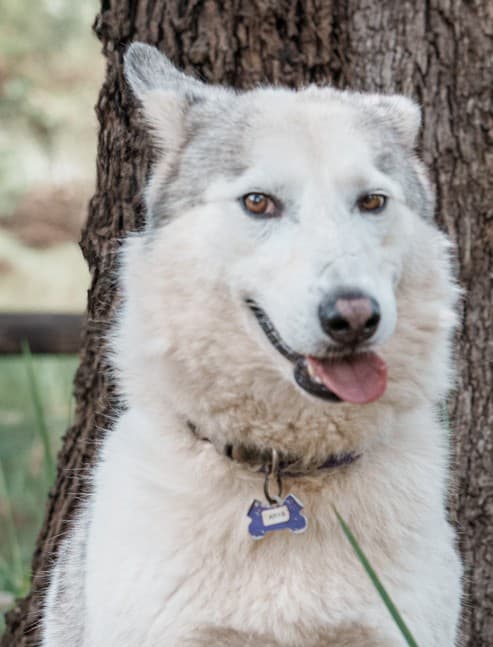
Arya
About 7 years old • Siberian Husky X
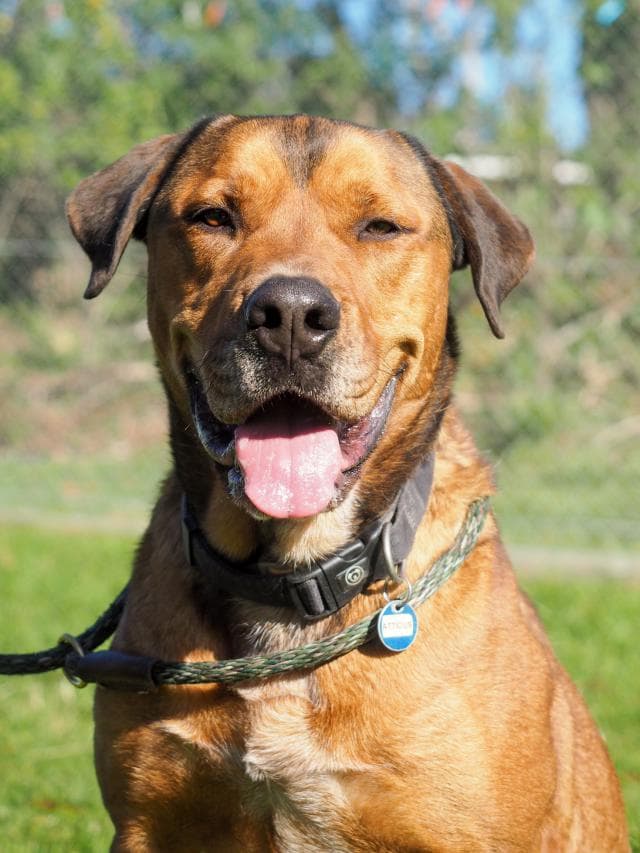
Atticus
About 8 years old • Labrador X Mastiff
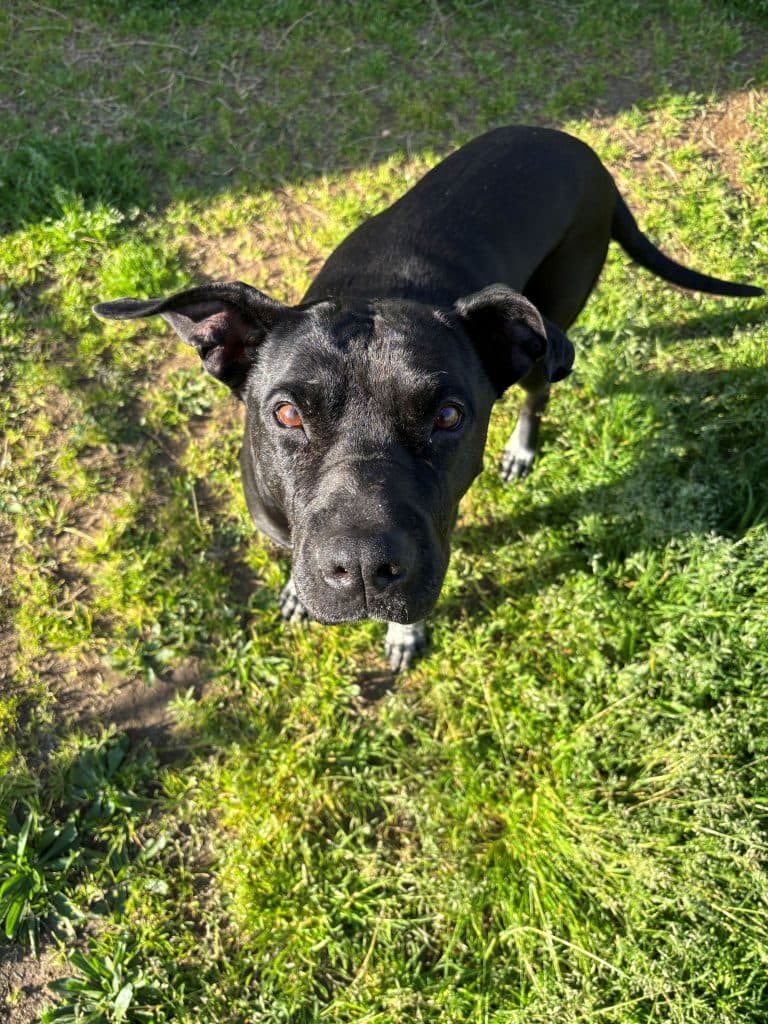
Baby
8 years 9 months • Shar Pei / Labrador Retriever

Bella aka Wilma
12 years 2 months • Mini Fox Terrier
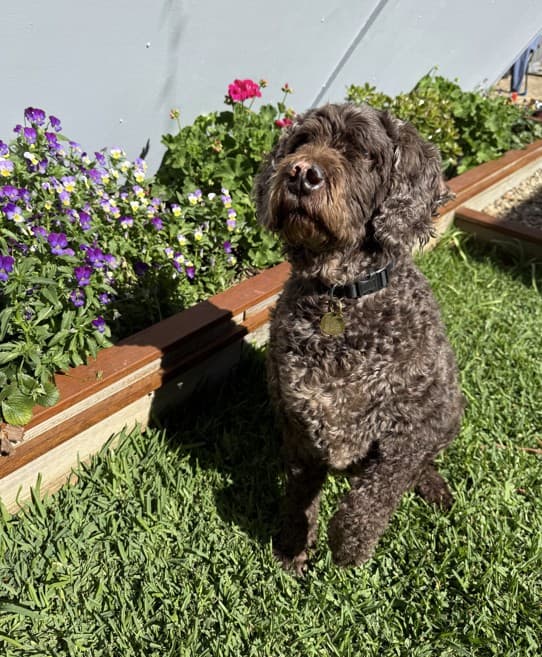
Bently
12 years 11 months • Labrador Retriever / Poodle (Standard)
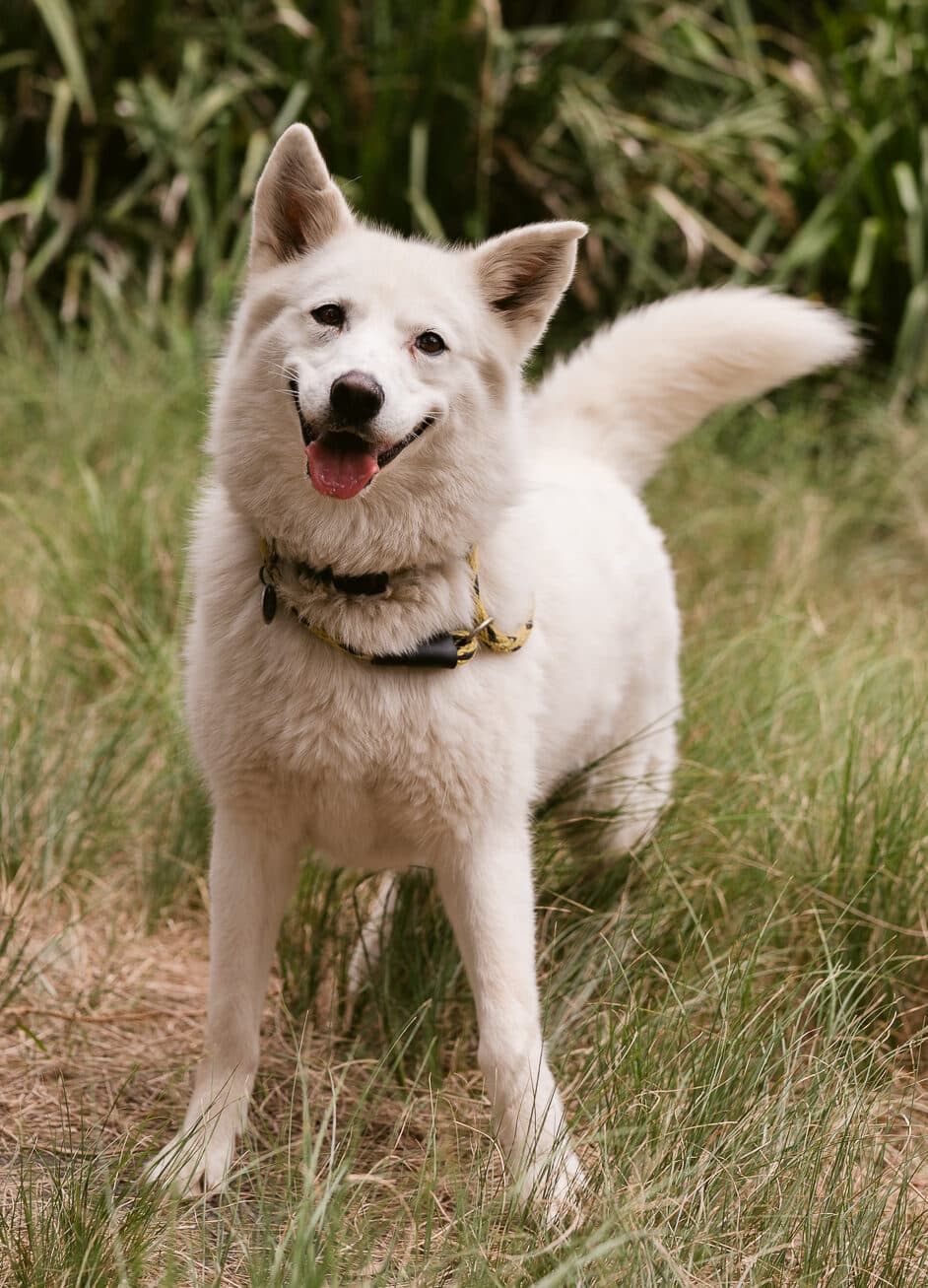
Blizzard
About 7 years old • Siberian Husky X

Bobby
12 years • Maltese x Shih Tzu
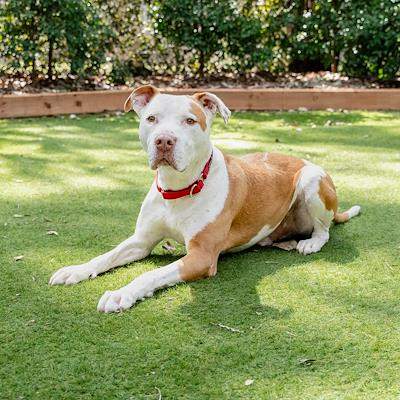

Breezy
About 8 years old • Cattle Dog X Siberian Husky
Showing 1-9 of 70 dogs
Get notified about new dogs in New South Wales
We will email you when new rescue dogs become available across New South Wales, so you can be among the first to meet them.
Senior dogs are among the most overlooked animals in New South Wales rescues, yet they often make the best companions. Dogs aged 7 years and older are typically calmer, already house-trained, and past the destructive chewing phase. Their personalities are fully developed, so what you see during a meet-and-greet is exactly what you get at home, with no surprises.
Older dogs need less intensive exercise than puppies or young adults, making them an excellent match for seniors, people with limited mobility, or families who prefer a more relaxed lifestyle. Many senior dogs are surrendered through no fault of their own, often due to an owner's health changes, housing situations, or family circumstances, and they adjust quickly to new homes because they already understand household routines.
All senior dogs listed below come from New South Wales and New South Wales rescues. Many rescues offer reduced adoption fees for senior dogs, and some include initial veterinary support. Listings are updated regularly so you can see current availability.
What to Expect From a Senior Rescue Dog
A dog is generally considered senior from around seven years of age, though large and giant breeds age faster and small breeds slower. The great advantage of adopting an older dog is that there are no surprises. Their size, coat, energy level and temperament are all fully settled, so the calm, gentle dog you meet at the rescue is the same dog you take home. For anyone who wants to know exactly what they are getting, that certainty is worth a great deal.
Senior dogs are usually well past the chewing, mouthing and boundless energy of youth. Many are already house-trained and understand how to live in a home, which means far less work in the settling-in period. They tend to want companionship, a comfortable bed and a couple of gentle walks a day rather than hours of vigorous exercise, and that suits a lot of households beautifully.
Most senior dogs end up in rescue through no fault of their own. Common reasons include an owner's illness or death, a move into housing that does not allow pets, or a change in family circumstances. These are dogs that have known a home and simply need another one, and they adjust quickly because they already understand household routines.
Senior Dog Health Considerations
Older dogs are more likely to have age-related conditions, and the most common are arthritis and other joint stiffness, dental disease, and some loss of vision or hearing. The good news is that a rescue will have had the dog vet-checked and will disclose any known condition upfront, so you can make an informed choice rather than discovering problems later. Many of these conditions are manageable with the right routine and your vet's guidance.
Arthritis in particular is very common in senior dogs and very manageable. Keeping your dog at a healthy weight, providing soft bedding, and maintaining gentle regular exercise all help, and your vet can advise on anything further. Dental disease is worth taking seriously too, because sore teeth and gums affect a dog's comfort and appetite, and a dental check should be part of that first vet visit.
Do not let a list of possible conditions put you off. Plenty of senior dogs are in excellent health for their age, and even those managing a condition live happy, comfortable lives with a little support. What matters is going in with your eyes open, budgeting for care, and building a relationship with a vet who knows your dog.
Senior Dog Vet Care and What It Costs
Senior dogs benefit from twice-yearly vet checkups rather than annual ones, because catching age-related changes early keeps them comfortable and keeps costs down. Your vet may recommend routine blood tests to monitor organ function and a dental assessment, and will tailor a vaccination and parasite-prevention schedule to your dog's age and health.
Budget realistically for an older dog. Routine care, dental work and the occasional treatment for an age-related condition all cost more than they do for a healthy young adult. Pet insurance is worth investigating, though it is important to read the fine print, since some policies exclude pre-existing conditions or limit cover for older dogs. Ask your vet and the insurer directly what is covered before you rely on it.
The adoption fee itself works in your favour. Many New South Wales and New South Wales rescues reduce their fee for senior dogs, and some include a period of ongoing veterinary support, precisely because they want these deserving dogs in homes. That means the upfront cost of a senior dog is often lower than for a younger one, even before you count the vet work already done.
Adopting a Senior Dog on Medication
It is common for a senior rescue dog to be on daily medication for a manageable condition, and this should not scare you off. The rescue will tell you exactly what the dog takes, why, and roughly what it costs, so there are no surprises. Many dogs on medication live full, comfortable lives, and giving a tablet in a treat or with food quickly becomes a simple part of the daily routine.
Before you commit, ask the rescue for the specifics: the condition, the current medication and dose, how often it is reviewed, and the ballpark ongoing cost. Then have your own vet take over management early so they know the dog and can adjust care as needed. Never change or stop a medication without your vet's advice.
The honest question to ask yourself is whether the routine and the cost fit your life. For a lot of adopters they do, easily, and the reward is a devoted older dog who might otherwise have waited months for a home. Going in informed is what makes it work.
Senior Dogs in New South Wales Apartments and Units
Senior dogs are often the ideal apartment companions. Their lower exercise needs and settled, quiet temperament suit unit living far better than a bouncy young dog, and being already house-trained makes the transition to a smaller space much smoother. A couple of short daily walks and a comfortable bed by the window is a good life for many older dogs.
Do factor in accessibility. An arthritic senior may struggle with many flights of stairs, so a lift or ground-floor access is a genuine kindness, and a ramp or a step can help them onto a couch or into a car. These are small adjustments, and a rescue can tell you how mobile a particular dog is before you apply.
As with any dog in a unit, check your lease and any strata or body-corporate by-laws for pet rules before you apply. Keep your dog on lead in shared areas and be a considerate neighbour, and a calm senior dog will rarely give you a moment's trouble in a shared building.
How Long Senior Dogs Live After Adoption
This is the question that stops many people, and it deserves an honest answer. Many senior dogs live three to five or more years after adoption, and smaller breeds often longer still. The time is shorter than with a puppy, there is no pretending otherwise, but adopters consistently describe the bond with a senior dog as the most rewarding they have known.
There is a particular satisfaction in giving a dog a comfortable, loved final chapter. Senior dogs seem to understand that they have been chosen, and they tend to settle fast and love hard. For a lot of people, a few good years with a grateful older dog is a richer experience than a decade with a dog they had to raise from scratch.
If the thought of a shorter time together is still hard, that is completely understandable, and a younger dog may suit you better. But do not let it rule out a senior dog automatically. Every year you give an older rescue dog is a year they would not otherwise have had, and the love runs both ways.
Senior Dog Adoption FAQ
Tap a question to expand