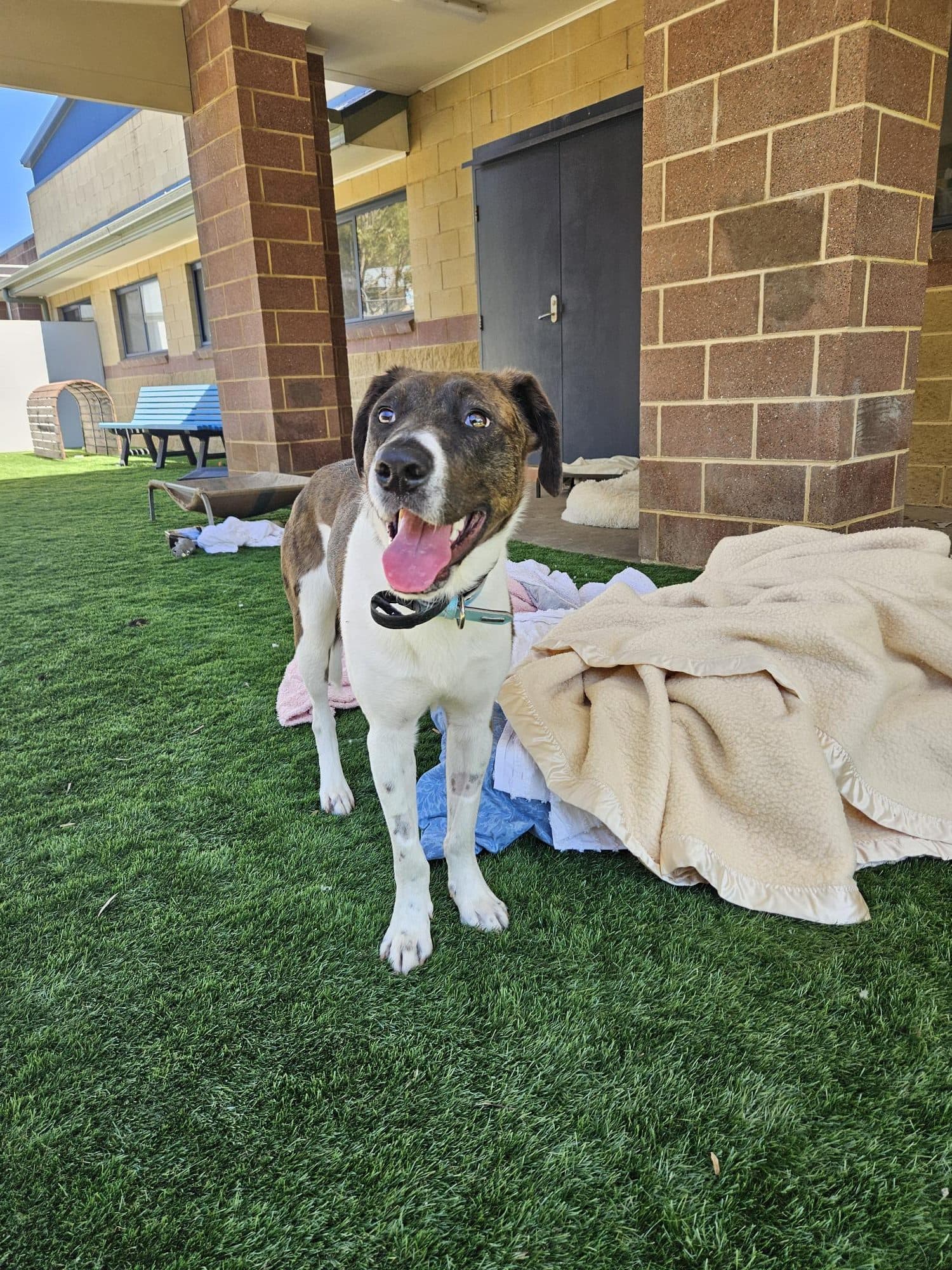
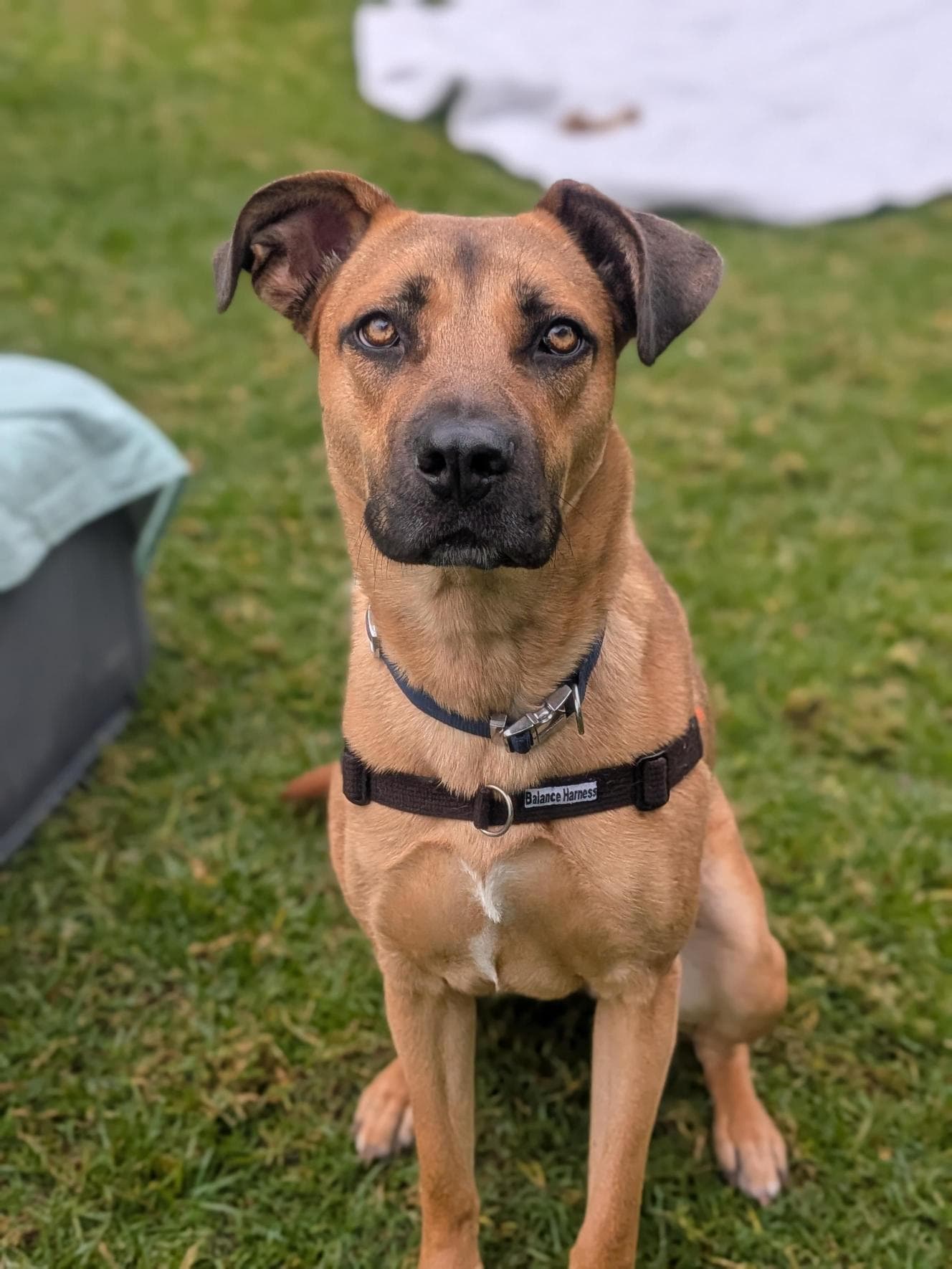
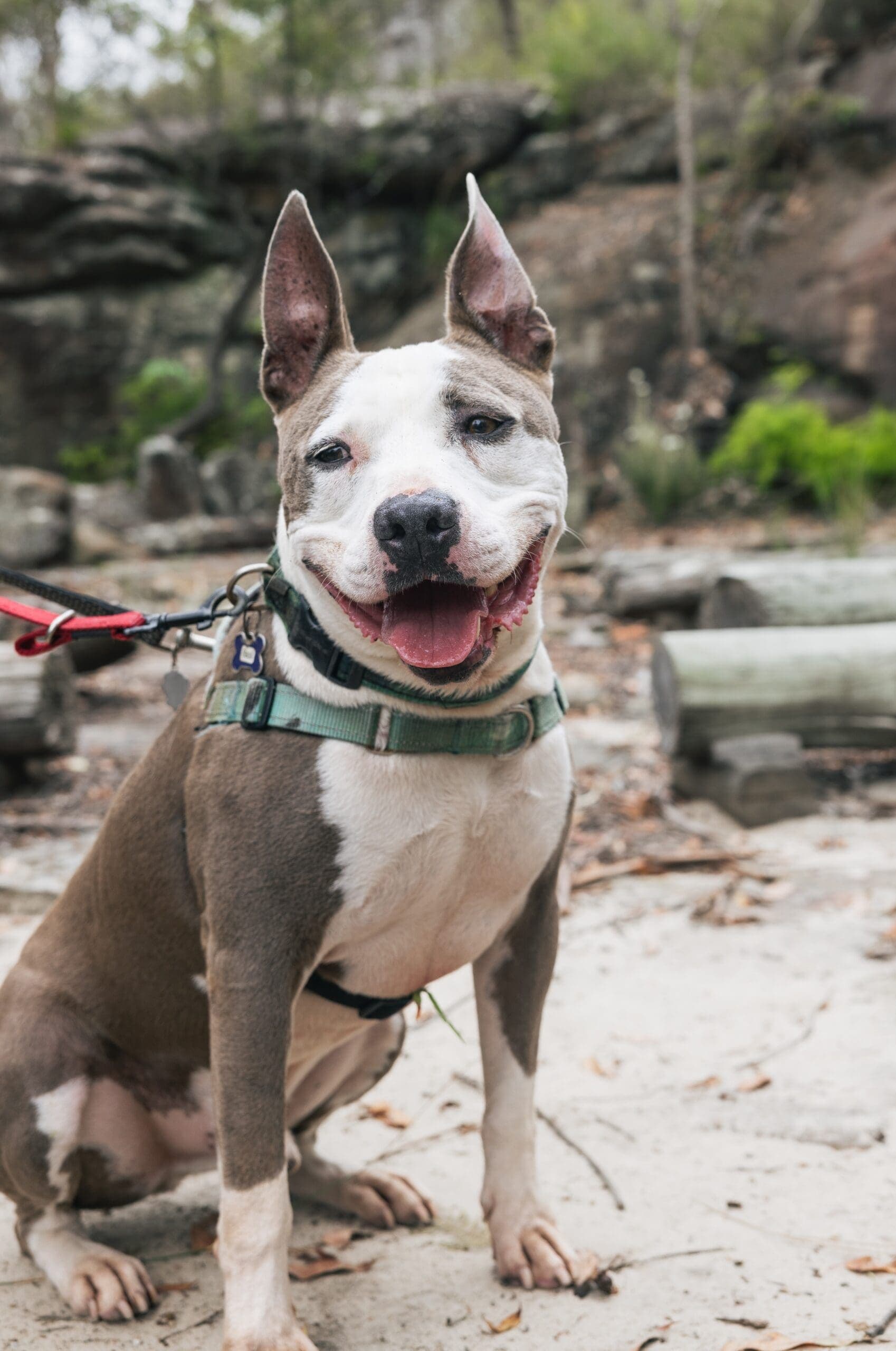
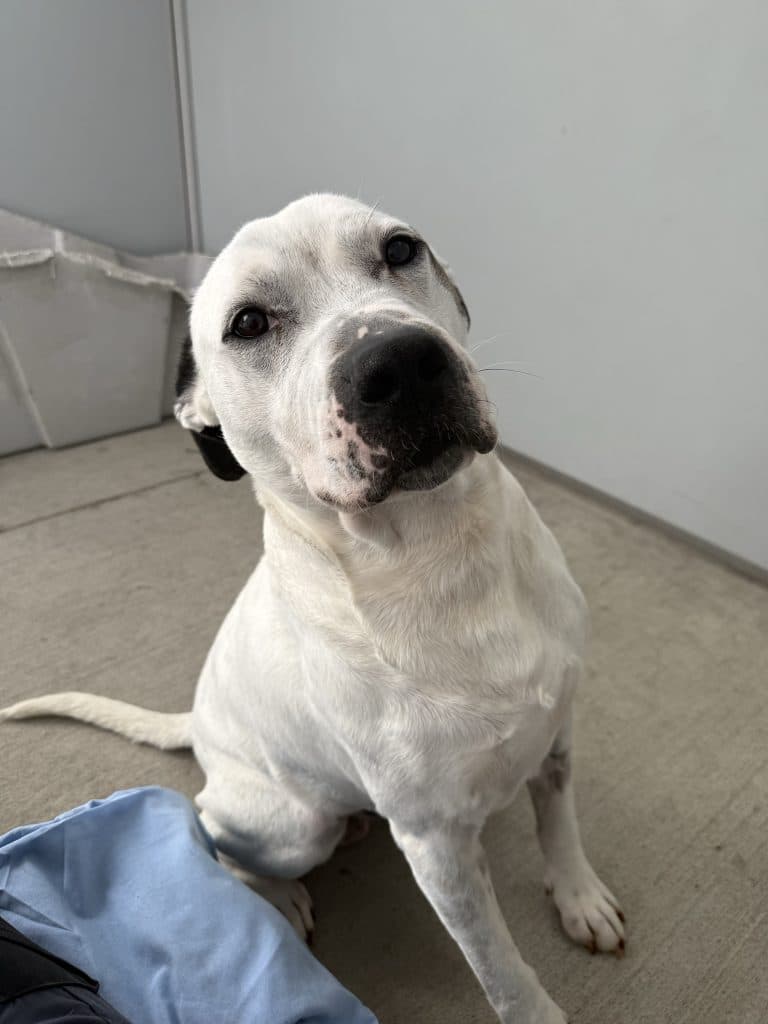
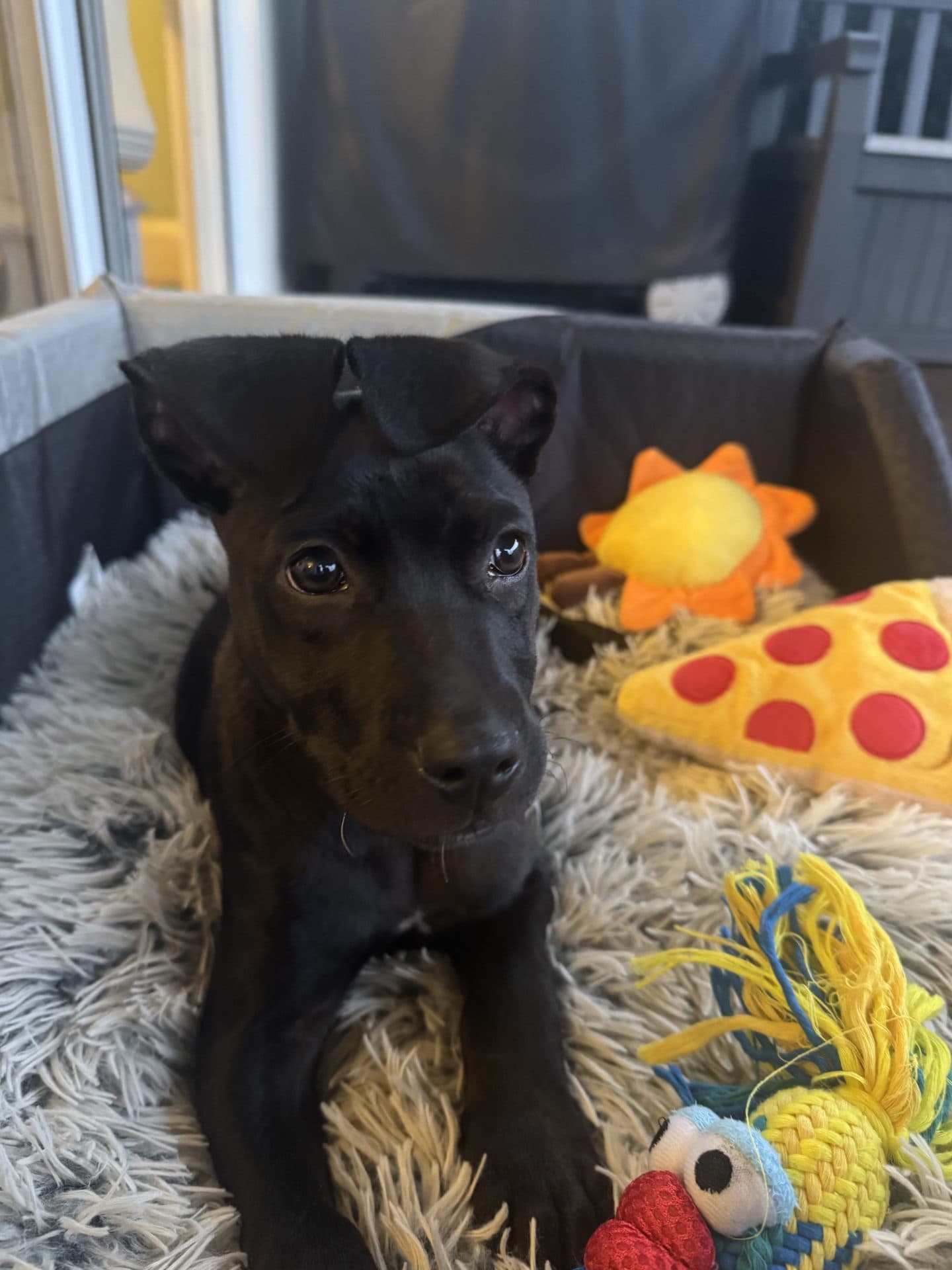
Bonnie
2 years 7 months • Large Cross Breed
Showing 1-9 of 91 dogs
Get notified about new dogs in New South Wales
We will email you when new rescue dogs become available across New South Wales, so you can be among the first to meet them.
Bringing a dog into a home with children is one of the most rewarding decisions a family can make, but it takes careful consideration. Not every dog is suited to the unpredictable energy and noise that come with kids, which is why finding a dog that has been specifically assessed as good with children is so important. The dogs listed on this page have been evaluated by New South Wales and New South Wales rescue organisations and confirmed to be comfortable, patient, and safe around kids.
Rescue organisations use a variety of methods to assess a dog's compatibility with children. Many dogs spend time in foster homes where they interact with kids of different ages, giving the rescue first-hand knowledge of how the dog responds to loud noises, sudden movements, and the general chaos of family life. Some shelters also conduct formal behaviour assessments that test a dog's reaction to handling, resource guarding, and startling stimuli.
When introducing a new dog to your children, take things slowly. Let the dog approach the child on its own terms, and teach your children to be gentle, avoid pulling ears or tails, and give the dog space when it retreats to its bed or crate. Supervision is essential during the first few weeks, no matter how confident you are in the dog's temperament. With patience and proper introductions, your new rescue dog can become your child's best friend for years to come.
Best Family Dog Types in New South Wales Rescues
The best family dogs are less about breed and more about temperament, but some types come up again and again in New South Wales rescue for good reason. Labrador and Retriever crosses are famously patient and forgiving. Staffy and bull-breed crosses, despite an unfair reputation, are often devoted, sturdy family dogs that adore children. Many gentle mixed breeds make superb family pets too, without any pedigree at all.
What matters far more than the label is how the individual dog has been assessed. A rescue that has watched a dog live with children in a foster home knows something no breed guide can tell you, namely how this particular dog copes with noise, sudden movement and the general chaos of family life. That first-hand knowledge is the single most useful thing you can draw on.
Be a little cautious with very high-energy working breeds and with dogs whose history is unknown, especially around toddlers. This is not about ruling them out, but about matching honestly. A calm, sociable dog with a known track record around kids is a safer starting point for a busy family than a project dog, however lovable.
What Good With Kids Actually Means
A good-with-kids assessment means a dog has shown calm, tolerant, safe behaviour around children, usually in a foster home. It does not mean the dog is bombproof in every situation, and it does not remove your responsibility to supervise. Think of it as a well-informed green light rather than a guarantee, because every dog has limits and every child needs teaching.
Rescues gather this picture in a few ways. The most reliable is a foster home with children of various ages, where carers see day after day how the dog reacts to loud play, being handled, and having its space invaded. Some rescues also run structured behaviour assessments that gently test reactions to handling, to being approached while eating, and to being startled.
It is just as valuable when a rescue is honest that a dog is not suited to young children. A dog that finds toddlers overwhelming can be a perfect companion for a household with older, calmer kids or no children at all. Trust these assessments in both directions; they are there to set every dog and every family up to succeed.
Matching the Dog to Your Child's Age
The right dog depends a great deal on the age of your children. Toddlers are unpredictable, grab, and move suddenly, which even a tolerant dog can find stressful, so a very calm, sturdy, patient dog and constant supervision are essential. Many adoption counsellors gently suggest that families with very young children look hardest at settled adult dogs with a known temperament.
Once children reach school age and can understand and follow rules, the range of suitable dogs widens considerably. A five or six-year-old can learn to be gentle, to leave a resting dog alone, and to help with care, which makes for a healthier relationship on both sides. Older children can take on real responsibility and build a genuine bond with a dog.
Adult dogs aged roughly two to six are often the sweet spot for families. They are past the nippy, mouthing puppy stage, their temperament is known and stable, and many are already house-trained. A puppy is appealing but demands intensive training and supervision that can be very hard to sustain alongside young children.
Safe Introductions and the First Few Weeks
Take the introduction slowly and let the dog set the pace. Keep the first meeting calm, have children sit quietly, and let the dog approach them rather than the other way around. Avoid hugging, grabbing and loud excitement, and use treats to build positive associations. First impressions matter, and a rushed, overwhelming introduction can set the relationship back.
Give the new dog time to decompress. A useful rule of thumb is three days to settle, three weeks to learn the household routine, and three months to feel truly at home, and children need to understand that the dog may be quiet or unsure at first. Set up a safe space, such as a crate or a gated area, where the dog can retreat and not be followed.
Supervise every interaction between the dog and young children for the first several weeks, no matter how confident you feel. Never leave a young child alone with any dog, even one assessed as excellent with kids. Consistent supervision and calm routines in these early weeks are what turn a promising match into a lasting friendship.
Teaching Kids and Dogs to Coexist Safely
A safe family dog is only half the equation; children need teaching too. Show your children to be gentle, never to pull ears or tails, and never to disturb the dog while it is eating or sleeping. Teach them to read the simple signals that a dog wants space, such as moving away, yawning or licking its lips, and to respect them.
Establish clear household rules that everyone follows. The dog's bed or crate is off-limits to children, food and toys are left alone while the dog has them, and rough play, chasing and cornering are not allowed. Consistency from the adults is what makes these rules stick, and it protects both the child and the dog.
Involve older children in the dog's care in age-appropriate ways, such as helping with feeding, gentle brushing or short walks with an adult. Shared care builds a real bond and teaches responsibility and empathy. A dog that feels safe and a child who understands it is the recipe for years of happy companionship.
Costs, Registration and Bringing Your Family Dog Home
A family dog from a New South Wales or New South Wales rescue typically costs a few hundred dollars to adopt, and that fee already covers desexing, vaccination, microchipping and a vet check. The same dog from a breeder would run into the thousands with none of that done, so adoption is by far the more affordable way to bring a well-started dog into a family.
Registration is a legal requirement across Australia. Councils in New South Wales require dogs to be microchipped and registered, and a desexed dog usually pays a lower registration fee, so keep the paperwork the rescue gives you and update your contact details on the microchip registry. That chip is how a lost family dog finds its way back to your children.
Budget for the ongoing costs of a family dog: quality food, year-round parasite prevention, training, and routine vet care. Setting up before the dog arrives, with a bed, a crate or safe space, a lead and a few toys, helps the whole family, dog and children alike, start on the right foot.
Frequently Asked Questions
Tap a question to expand