The short answer
For most people, rescue is the better start: papered Manx kittens are very scarce in Australia, and the gene for taillessness is linked to Manx syndrome, problems with the back legs, bladder and bowel that the Cat Fanciers' Association says usually show before four months. If it must be a pedigree Manx, buy from a council-registered breeder who never mates two tailless cats (the CCCA and ACF rules forbid it), shows you both parents' tail types and tests, and keeps kittens long enough to check their toileting and mobility. No council or member breeder we found publishes a Manx price, so we cannot give one. Rescue cats cost a few hundred dollars, desexed and vaccinated (fees read 11 November 2026; reference only, not a quote).
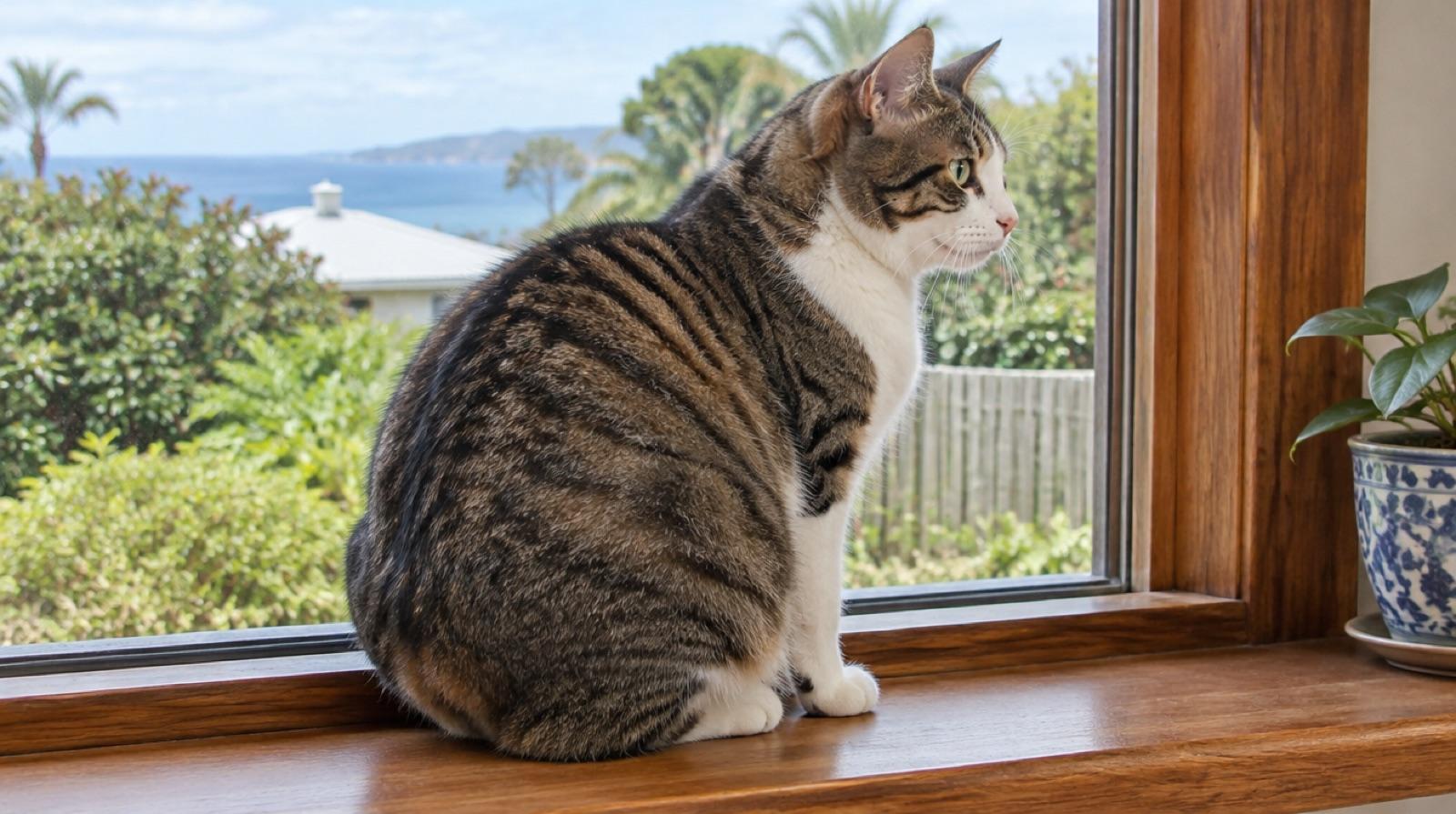
Should you adopt or buy a Manx?
It depends on whether the papers matter to you, and on how you weigh the health question. Papered Manx are scarce in Australia, so the breeder route usually means a long search. Rescue does not offer many true Manx either, but it does turn up tailless and stumpy-tailed cats, and adult cats whose toileting and mobility are already known, which is the single most useful thing to know about a tailless cat.
A registered breeder makes sense if you want a pedigree Manx and are prepared to ask hard questions about tail types, matings and health checks. A cheap, unpapered “Manx kitten” online is the riskiest route of all, because nobody may have checked the things that matter most.
| Route | Reference cost | What you usually get | Main risk |
|---|---|---|---|
| Registered breeder | No published council or member-breeder price; ask each breeder | A papered kitten from a council-approved mating, a chance to meet the mother | Very few breeders and long waits; Manx syndrome risk still needs asking about |
| Rescue | A rescue fee, often a few hundred dollars | Occasionally a tailless or stumpy-tailed cat, desexed, microchipped and vaccinated | Unknown parents; true Manx are rare |
| Online ad or social media | Anything | Anything from a real litter to a kitten that does not exist | Scams, two tailless parents, no health checks |
Rescue fees read 11 November 2026 on the pages linked below. A reference, not a quote: breeders and rescues set and change their own prices, so check with them.
What is Manx syndrome?
The health cost of the gene that removes the tail. The Cat Fanciers' Association describes the taillessness as an incomplete dominant gene, and Manx syndrome as an array of problems with the hind legs, urinary bladder and colon of a tailless cat. It says the syndrome is typically found before kittens reach four months of age, so breeders may wait to place kittens until their health can be assured.
- International Cat Care lists Manx syndrome (spina bifida) among the more common inherited disorders of cats, and names the Manx as a breed where a trait that is detrimental to health is bred for.
- RSPCA Australia calls the short or absent tail sacrocaudal dysgenesis and lists possible problems including constipation and faecal incontinence, rectal prolapse, urinary tract defects, urinary incontinence and spina bifida.
- A 2025 review in Animal Welfare says cats bred to have no tail or a very short tail carry a higher risk of spina bifida, that much of the Manx research dates from the 1970s and did not look at pain levels, and that pain in tailless cats should be studied further.
- The UK's GCCF, in its welfare statement, says further research is needed, that it now requires a veterinary health check for all breeding Manx, and that some past problems may have come from breeding Manx for very short backs.
None of this means every Manx is unwell. It means the questions in the breeder section below are not optional, and that any toileting or back-leg problem in a tailless cat is a reason to see a vet promptly.
What are the Manx tail types?
Four, and the names matter when you talk to a breeder.
| Tail type | What it means | Shown? |
|---|---|---|
| Rumpy (rumpie) | No tail | Yes, judged with rumpy risers |
| Rumpy riser | A rise of bone at the end of the spine that does not stop the hand | Yes |
| Stumpy (stumpie) | A short tail, at most 3 cm | Yes, in its own classes (ACF) |
| Tailed | A full, medium length tail | Not as an adult; CCCA allows tailed Manx in a litter only |
From the ACF breeding rules (June 2026) and the CCCA Manx standard (February 2025), read 11 November 2026.
The CCCA standard also tells judges that probing the “tail” end must not be done as it can cause pain, and asks for the rear of a Manx to be supported when it is carried. Tailed and stumpy kittens are a normal part of Manx litters, and they matter to the breed: the CFA says the regular use of tailed Manx in breeding programmes has helped maintain a healthy gene pool.
What breeding rules do Australian councils set for the Manx?
Strict ones, and they are your best checklist.
- No tailless to tailless. The CCCA standard says “The mating of Rumpie/Riser to Rumpie/Riser is NOT permitted.” The ACF rules allow matings within the breed group except rumpy to rumpy.
- Limited outcrosses. The ACF allows British Shorthair and Longhair only every alternate generation and never domestic non-pedigree cats; the CCCA allows indigenous Isle of Man Manx and British Shorthair as part of an approved breeding protocol.
- A health warning in the rules themselves. The ACF says the Manx taillessness gene can have serious health and welfare complications, and highly recommends that new breeders read its Manx and Cymric breeding policy, have an experienced mentor and work closely with their vet.
The ACT's cat welfare code, listed as in force, says “The deliberate breeding of malformed animals is unacceptable” and names the Manx and Cymric among breeds that may have genetic health problems associated with such breeding. The Australian Veterinary Association says animals with known genetic defects that could harm their welfare must not be bred, other than in exceptional circumstances. Victoria's heritable defects breeding code does not list the Manx.
What does a Manx kitten cost from a registered breeder?
There is no published figure. No Australian cat council or club publishes a Manx price, and Cats Victoria (GCCFV) says kitten pricing is up to individual breeders.
In November 2026 we looked for Manx and Cymric catteries listed with Australian cat councils. We found no member cattery with its own website that published a price, and most of the few we found had no website at all. On 11 November 2026 the GCCFV Manx breeder page said it had no breeder listings for the breed. Ask any breeder you find what the price includes; the figure is theirs, not a reference.
| Route | Reference cost | Read |
|---|---|---|
| Member breeders (own websites) | None published a price | 11 Nov 2026 |
| Cat councils and clubs | No Manx price published | 11 Nov 2026 |
| RSPCA NSW, kitten under 6 months | $270 | 11 Nov 2026 |
| RSPCA NSW, cat over 6 months | $220 | 11 Nov 2026 |
| Cat Protection Society of NSW | $150 per cat or kitten; $250 for two | 11 Nov 2026 |
Reference figures only, not quotes. Fees change, so check with the rescue. Rescue fees usually include desexing, microchipping and vaccination. For ongoing costs, see our cost of owning a cat guide and the cat cost calculator.
What should you ask a Manx breeder?
- Which council are you registered with? Check with the CCCA, the ACF or ANCATS yourself, not through a link the seller sends.
- What are the parents' tail types? Neither the CCCA nor the ACF permits rumpy to rumpy, and the CCCA standard also rules out rumpy riser to rumpy or riser.
- How has the kitten's health been checked? Ask about its back legs, how it uses the litter tray, its bowel motions, and whether a vet has examined it. The CFA says Manx syndrome usually shows before four months, which is why some breeders keep kittens longer.
- DNA results for both parents against the ACF list: PKD and PRA (rdAc), plus tests relevant to the British Shorthair if it is in the pedigree.
- The mother, in person or on a live video call, before any deposit.
- Age and paperwork. At least 10 weeks old (ANCATS rules recommend 12), vaccinated, microchipped and desexed or with desexing agreed in writing. Rules on breeder numbers differ by state: see our kittens for sale guide.
See the Manx listed right now
Manx and tailless or stumpy-tailed cats from the rescues and shelters we aggregate, with each rescue's notes on health and personality. Every listing links to the rescue, where you apply directly.
What do Manx in rescue look like?
Mostly tailless or stumpy-tailed cats with unknown parents, and only now and then. Across the rescues we aggregate, a papered Manx is rare, so an alert on the Manx breed page matters more than checking once.
The upside of an adult rescue cat is that the big question has an answer. A cat that has been in foster care for weeks comes with notes on whether it uses the tray normally and moves well. Ask the rescue directly, and ask what any vet check found. Cats with ongoing needs are sometimes listed under special needs: see Sydney, Melbourne, Brisbane, Perth, Adelaide.
Want the Cymric's longer coat? Browse long-haired cats in Sydney, Melbourne, Brisbane, Perth, Adelaide.
What do Manx kitten scams look like?
Never pay for a Manx kitten you have not seen with its mother, in person or at least on a live video call. A seller who asks for more money after the first payment, for transport, a carrier or insurance, is following the standard scam script.
Scamwatch says scammers set up fake websites and social media profiles for popular breeds, including pets that do not exist. Its advice: view the pet in person, ask for a video call if you cannot visit, check the breeder is legitimate, and compare prices, because a very cheap pet is likely a scam. It warns about being asked to pay by money order, pre-loaded card or to several different PayIDs or accounts.
Manx-specific versions of the pattern:
- Plenty of “Manx kittens” when councils list almost none. With so few registered breeders here, a seller with litter after litter deserves extra checking.
- “Both parents are tailless” offered as a selling point. The CCCA and ACF rules do not permit that mating.
- A kitten under 10 weeks, or a seller who cannot say how the kitten toilets and moves.
- “Registered” with nobody in particular. Ask which council and check its directory yourself.
Is a Manx the right cat for you?
The CFA describes a quiet, gentle, devoted cat that often plays fetch, bonds strongly with one or two people, and does well with children and other pets. The CCCA standard describes a medium-sized, muscular cat with a dense double coat. A home that is ready to watch for toileting or mobility changes, and to see a vet about them, suits a Manx best.
Not sure what fits? Try the what cat breed is right for me quiz and read our guide to adopting a cat in Australia. Browse kittens in Sydney, Melbourne, Brisbane, Perth, Adelaide. Weighing another breed with a welfare question? See Munchkin kittens, or for a calm long-haired lap cat, RagaMuffin kittens.
Find a Manx near you
Manx and tailless or stumpy-tailed cats listed by rescues, by city:
Frequently asked questions
Should I adopt or buy a Manx kitten?▼
Adopt if you want a cat with a Manx-like nature, because papered Manx are very scarce in Australia and the taillessness carries a real health caveat. Buy only if it must be a pedigree Manx, from a breeder registered with a cat council who follows the council's mating rules and will tell you how the kitten's back legs, bladder and bowels have been checked.
What is Manx syndrome?▼
A set of problems linked to the gene that causes taillessness. The Cat Fanciers' Association describes it as problems with the hind legs, urinary bladder and colon of a tailless cat, usually found before kittens reach four months of age. International Cat Care lists Manx syndrome (spina bifida) among inherited disorders of cats, and RSPCA Australia adds constipation, faecal and urinary incontinence and rectal prolapse to the possible problems.
Are Manx cats healthy?▼
The breed's defining trait is a known health risk. International Cat Care names the Manx as a breed in which a trait harmful to health is bred for, and a 2025 review in Animal Welfare said much of the Manx research dates from the 1970s, did not look at pain, and that pain in tailless cats needs more study. Ask a breeder what checks were done and involve your vet.
What are rumpy, rumpy riser, stumpy and tailed Manx?▼
They are the tail types. The Australian Cat Federation's rules list rumpy (no tail), rumpy riser (a rise of bone at the end of the spine that does not stop the hand), stumpy (a tail of at most 3 cm) and tailed. The Coordinating Cat Council of Australia standard uses rumpie, rumpie riser, stumpie and tailed, and says tailed Manx may only be shown in a litter.
Why can't two tailless Manx be bred together?▼
The two national councils' rules forbid it. The Coordinating Cat Council of Australia standard says the mating of rumpie or riser to rumpie or riser is not permitted, and the Australian Cat Federation allows matings within the breed group except rumpy to rumpy. The ACF also warns that the Manx taillessness gene can have serious health and welfare complications. Ask a breeder for the tail types of both parents.
How much is a Manx kitten in Australia?▼
There is no published figure. No Australian cat council or club publishes a Manx price, and in November 2026 we found no member cattery with its own website that published one. Cats Victoria (GCCFV) says kitten pricing is up to individual breeders. Ask each breeder what the price includes.
Are there Manx breeders in Australia?▼
Very few. When we checked on 11 November 2026, Cats Victoria (GCCFV) said it had no breeder listings for the Manx, and the handful of Australian catteries we found mostly had no website of their own. Expect to ask councils directly and to wait.
What is a Cymric?▼
A longhaired Manx. The Australian Cat Federation treats the Manx (shorthair) and Cymric (longhair) as one breed group for breeding, and the Coordinating Cat Council of Australia publishes one standard for Manx longhair and shorthair. The Cat Fanciers' Association describes the longhair coat as a double coat of medium length.
What is a Manx like to live with?▼
The Cat Fanciers' Association calls the Manx quiet and gentle, often doglike, fond of games of fetch, and strongly attached to one or two people. It says Manx do very well with children and tend to get along with dogs and other cats. Ask a foster carer or breeder how the individual cat behaves.
What health checks should a Manx breeder do?▼
Ask about the parents' tail types and the DNA tests the Australian Cat Federation lists for the breed: PKD (polycystic kidney disease) and PRA (rdAc). The ACF notes that because Manx are interbred with Cymric and British Shorthair and Longhair, testing for diseases relevant to those breeds is recommended. Ask too how the kitten's back legs, toileting and bowel habits have been checked, and whether a vet has seen it.
Can you adopt a Manx in Australia?▼
Sometimes. Tailless and stumpy-tailed cats do come through rescue, though papered Manx are rare across the rescues we aggregate. Set an alert on the Manx breed page for your city, and ask the rescue what it knows about the cat's toileting and mobility before you adopt.
How much does it cost to adopt a cat instead?▼
A few hundred dollars at most rescues. On 11 November 2026 RSPCA NSW listed $270 for a kitten under 6 months and $220 for a cat over 6 months, and the Cat Protection Society of NSW listed $150 per cat or kitten, with desexing, microchipping and vaccination included. Fees change, so check with the rescue; these are reference figures, not quotes.
Sources
- International Cat Care: Inherited disorders in cats (updated 18 Dec 2025)
- Cat Fanciers’ Association: Manx breed page and standard
- RSPCA Australia Knowledgebase: Health and welfare issues of exaggerated physical features in cats
- Roberts et al. 2025, Animal Welfare: welfare of purebred cats with extreme conformation
- Coordinating Cat Council of Australia: Manx longhair and shorthair standard (February 2025)
- Australian Cat Federation: By-laws Part 2, Breeding and Registration Rules (June 2026)
- Australian Cat Federation: DNA tests by breed (Oct 2025)
- GCCF: Welfare statement
- ACT Legislation Register: Animal Welfare (Welfare of Cats in the ACT) Code of Practice 2007
- Australian Veterinary Association: Genetic defects in domestic animals (policy)
- Cats Victoria (GCCFV): Breeders and buying a kitten
- Scamwatch: Buying and selling scams (pet scams)
- RSPCA NSW: Adoption fees
- Cat Protection Society of NSW: Cats for adoption
Keep reading
Manx listed by rescues
Manx and tailless or stumpy-tailed cats listed right now by the rescues and shelters we aggregate.
Munchkin kittens: adopt or buy?
The short-leg mutation, the registry split, and the Victoria and ACT breeding rules.
British Shorthair kittens: adopt or buy?
The breed Australian councils allow Manx to be mated with: standard, tests and rescue.
Kittens for sale: adopt or buy?
State breeder rules, how to check a seller, and what rescue kittens cost.