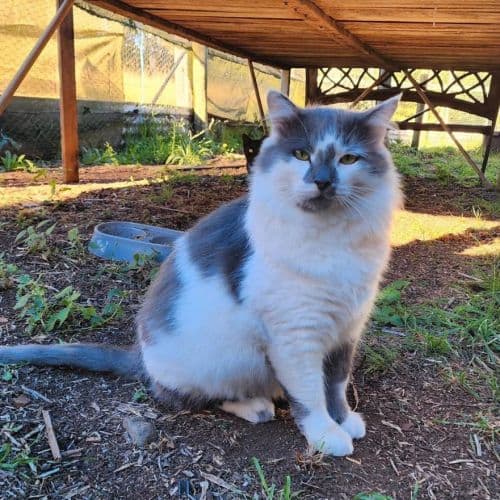
Bolt
Unknown • Domestic Shorthair
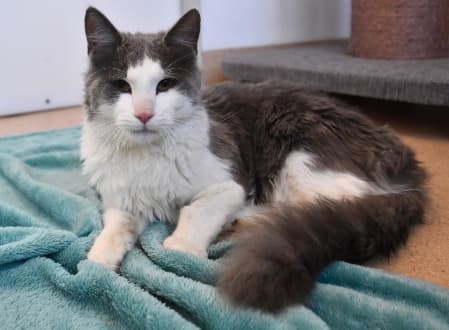
Callisto
9 months • Domestic Medium Hair

Dolly
Unknown • Domestic Medium Hair
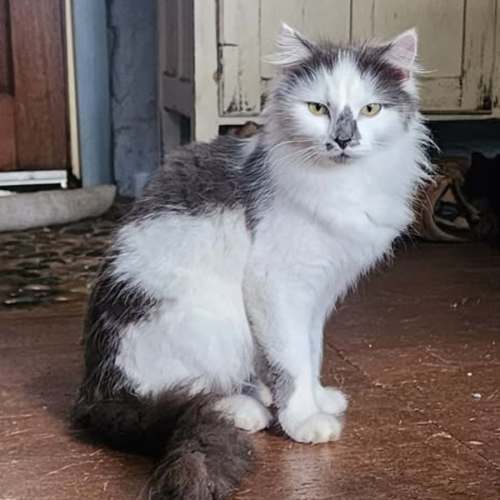
Freya
Unknown • Domestic Shorthair

Halloumi
Unknown • Domestic Shorthair

Latte
13 years • Seal Point Ragdoll
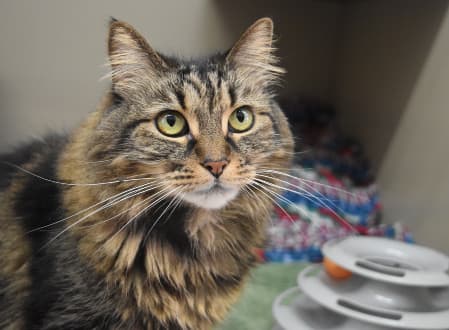
Marama
11 years • Domestic Medium Hair
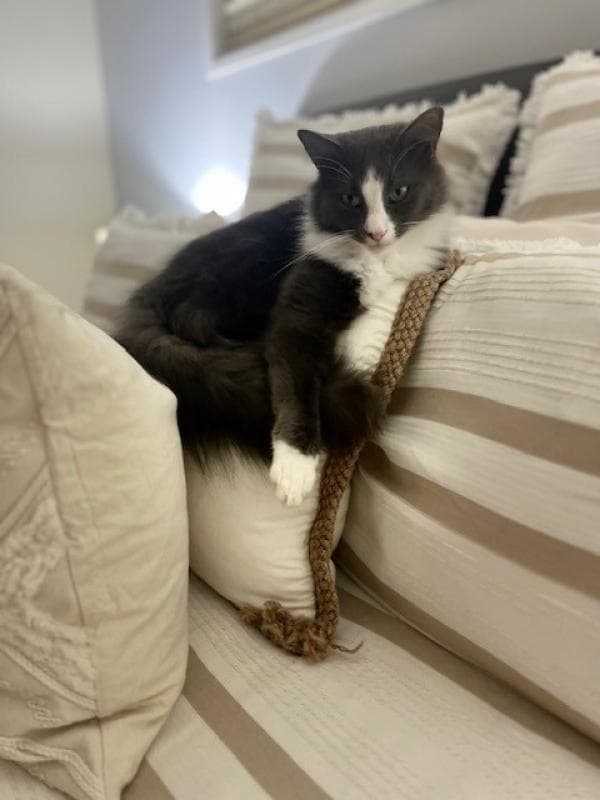
Muffin
4 years 9 months • Domestic Long Hair

Nancy
7 years • Domestic Medium Hair
Long-haired cats — Maine Coons, Ragdolls, Persians, Norwegian Forest Cats, Siberians, Birmans, and Domestic Longhairs (DLH) — are well suited to Sydney's climate. Their dense double coats keep them warm through winters and shed seasonally as the weather warms. They're generally calmer and more lap-oriented than short-haired breeds, though personalities vary.
The trade-off is grooming. Long-haired cats need brushing 2 to 3 times per week to prevent matting, with daily brushing during seasonal sheds in spring and fall. Cats with extreme coats (Persians especially) may need professional grooming every 6 to 8 weeks, or you can keep them in a “lion cut” — shaved body, fluffy head and tail — to reduce maintenance.
All cats listed below are long-haired or have heavy long-coat ancestry, sourced from Sydney and NSW cat rescues including the Cat Protection Society of NSW, RSPCA NSW, and Sydney Dogs and Cats Home.
Grooming a long-coated cat
The defining commitment with a long-haired cat is coat care. Plan to brush two to three times a week as a baseline, moving to daily during a seasonal shed, to lift out loose undercoat before it tangles. A slicker brush plus a metal comb is the standard kit, and a comb is the tool that finds developing knots your hand misses. Pay special attention to the friction areas where mats form fastest: behind the ears, under the front legs (the “armpits”), the belly, and the pantaloons at the back legs.
Once a mat forms tight against the skin it is uncomfortable and usually needs careful clipping rather than brushing out, so prevention beats cure. Cats with heavy coats, Persians in particular, often benefit from a professional groom every six to eight weeks, or a shorter “lion clip” through the warmer months to cut down maintenance. Never take scissors to a mat yourself; cat skin is thin and tears easily, and this is a job for a groomer or your vet.
Long coats and the Sydney climate
Sydney's real challenge for a long-coated cat is heat, not cold. Summers here average around 26°C in January with humid days that can push past 35°C in a heatwave, and there is no cold winter to speak of. A dense double coat holds warmth, so an indoor long-haired cat appreciates cool, shaded spots, constant access to fresh water, and good airflow or air-conditioning on the hottest days.
Keeping the coat well groomed genuinely helps in summer, because matted fur traps heat and stops air reaching the skin. Watch for signs of heat stress such as heavy panting or lethargy on very hot days, and never leave any cat in a parked car. A tidy coat and a cool indoor spot keep a fluffy cat comfortable through a Sydney summer.
The cost of a long-haired cat
Adopting a long-haired cat from a Sydney rescue costs the same as any adult, roughly $200 to $220, with desexing, vaccination, microchipping and an FIV check included. The extra spend comes later and it is modest: brushes and combs, a de-shedding tool, the occasional professional groom, and a little more litter because long fur tracks it further. Long-haired cats are also more prone to hairballs, which regular brushing keeps in check.
As with any cat, you also register once for life through the NSW Pet Registry: free for a desexed cat from an eligible pound, shelter or approved rehoming organisation, otherwise $74. Overall a long-haired cat is not dramatically more expensive to keep, provided you are happy to put in the grooming time each week rather than paying a groomer to do all of it.
Long-haired breeds and where they come from
Most long-haired cats in rescue are Domestic Longhairs, wonderful moggies with no pedigree but plenty of coat, alongside the occasional Maine Coon, Ragdoll, Persian, Norwegian Forest Cat, Siberian or Birman surrendered or found as a stray. Temperament varies cat to cat, so judge the individual rather than the breed label, and ask the rescue what they have seen of the cat's nature in foster care.
The long-haired cats here are sourced from Sydney and NSW rescues including the cat-only Cat Protection Society of NSW in Newtown, RSPCA NSW, and Sydney Dogs and Cats Home. Apply directly through the rescue that lists the cat you like.
Common long-coat health points
A long coat brings a few specific things to stay on top of, none of them serious with a little routine. Hairballs are the most common: long-haired cats swallow more fur when grooming, so regular brushing that removes loose hair before they ingest it is the simplest prevention, and your vet can advise if a cat brings up hairballs often. Matting is the other recurring issue, and beyond being unsightly, a tight mat pulls on the skin and can hide irritation or infection underneath.
Long-haired cats can also get faeces or litter caught in the fur around the back end, which is uncomfortable and unhygienic. A small “sanitary trim” of the fur under the tail, done by a groomer or your vet, solves this neatly. As with any cat, keep up with dental care and routine check-ups; coat length has no bearing on those, but a grooming session is a good moment to notice lumps, skin changes or sore spots early.
Bathing, nails and grooming tolerance
Most cats keep themselves clean and rarely need bathing, but the occasional bath helps a heavily coated cat that has got into something or is struggling with grease at the base of the tail. Introduce it gently, use a cat-specific product, and keep sessions short and calm. Regular nail checks and trims matter for every indoor cat, and a scratching post lets them maintain their own claws between times.
The real secret with a long-haired cat is building grooming tolerance early and keeping sessions positive. Short, frequent, reward-based brushing from the start teaches a cat to accept and even enjoy the routine, which is far easier than wrestling with a matted, unwilling cat later. If a rescue cat arrives already comfortable being handled and brushed, that is a genuine bonus worth asking the foster carer about.
Long-haired cats with children and other pets
Long-haired cats are often stereotyped as placid lap-cats, and while breeds like the Ragdoll and many Domestic Longhairs are famously easy-going, temperament is an individual trait rather than a coat length. Some are relaxed and tolerant of children and other pets, others are more reserved, so judge the cat in front of you and ask the rescue what they have observed in foster care.
In a busy family home, a long coat does add a grooming and cleaning consideration on top of temperament: more visible shed hair, occasional hairballs, and the brushing routine itself. None of that is a barrier, but it is worth factoring in if the household is already full-on. A calm, well-socialised long-haired cat that enjoys being handled can be a wonderful, affectionate family companion.
Long Haired Cat FAQ
How much grooming does a long-haired cat need?
Plan for 2 to 3 brushings per week minimum, daily during spring/fall sheds. Persians need daily brushing. A slicker brush and metal comb are essential. Mats develop fast on long coats — once formed, they often need professional removal.
How do long-haired cats cope with Sydney summers?
Many long-haired breeds (Siberian, Norwegian Forest, Maine Coon) originated in cold climates, so Sydney heat can be harder on them. Keep them cool with regular brushing to remove dense undercoat, fresh water, and shade and air flow indoors, and never shave the coat without veterinary advice. Indoor or contained living also keeps them safe from traffic and protects native wildlife.
Do long-haired cats shed more than short-haired?
Not necessarily — they shed about the same amount, but longer hairs are more visible. Regular brushing dramatically reduces loose-hair buildup around the house. A Furminator or similar de-shedding tool is essential.
Are long-haired cats more expensive to maintain?
Slightly. Add $300-600/year for grooming supplies, occasional professional grooms ($60-120 per visit if needed), and slightly more litter due to fur tracking. Long-haired cats are also more prone to hairballs — daily brushing minimizes this.
Are these long-haired cats for sale in Sydney?
Not for sale, for adoption, which is usually the better deal. Every cat here comes from a Sydney or NSW rescue, not a breeder or classified seller, and the adoption fee already includes desexing, vaccination, microchipping and a FIV check. That fee is generally $200 to $220 for an adult and $250 to $270 for a kitten, against far more from a breeder with none of the vet work done. If you searched “long-haired cats for sale sydney”, adopting gets you a vetted cat for a fraction of the price.
Where can I find free long-haired cats for adoption near me in Sydney?
Truly free cats are rare, and a “free cat near me” or “free kitten” advert is more often a warning sign than a bargain: unvetted, or a scam the ACCC Scamwatch has documented. A rescue cat is not free but it is inexpensive and safe. The adoption fee, usually $200 to $220, already covers desexing, vaccination, microchipping and a FIV check, which would cost far more separately, and some senior or long-waiting cats have reduced fees. Browse the long-haired cats above from rescues across Sydney and NSW.
Where can I find long-haired cats for adoption near me in Sydney?
LocalPetFinder lists long-haired cats available for adoption from rescues across Sydney and New South Wales, including the Inner West, Eastern Suburbs, Northern Beaches and Western Sydney, with cat rescues like the Cat Protection Society of NSW, RSPCA NSW and Sydney Dogs and Cats Home. Listings update regularly, so browse the long-haired cats above and apply directly through the rescue.