The short answer
No cat breed is hypoallergenic. The Australasian Society of Clinical Immunology and Allergy (ASCIA) says that because all cats have sebaceous glands, all cat breeds can cause allergies, and that holds for the hairless Sphynx too. Breeds sold on the claim (Siberian, Sphynx, Devon and Cornish Rex, Russian Blue) are harder to find in Australian rescue. Choose the individual cat, and test it with repeated, long visits, because ASCIA says up to 50% of allergic people do not react straight away. A rescue cat costs a few hundred dollars with desexing and vaccination included, against four figures from a breeder (reference figures checked 9 November 2026, not quotes). If anyone at home has asthma, see a doctor first.
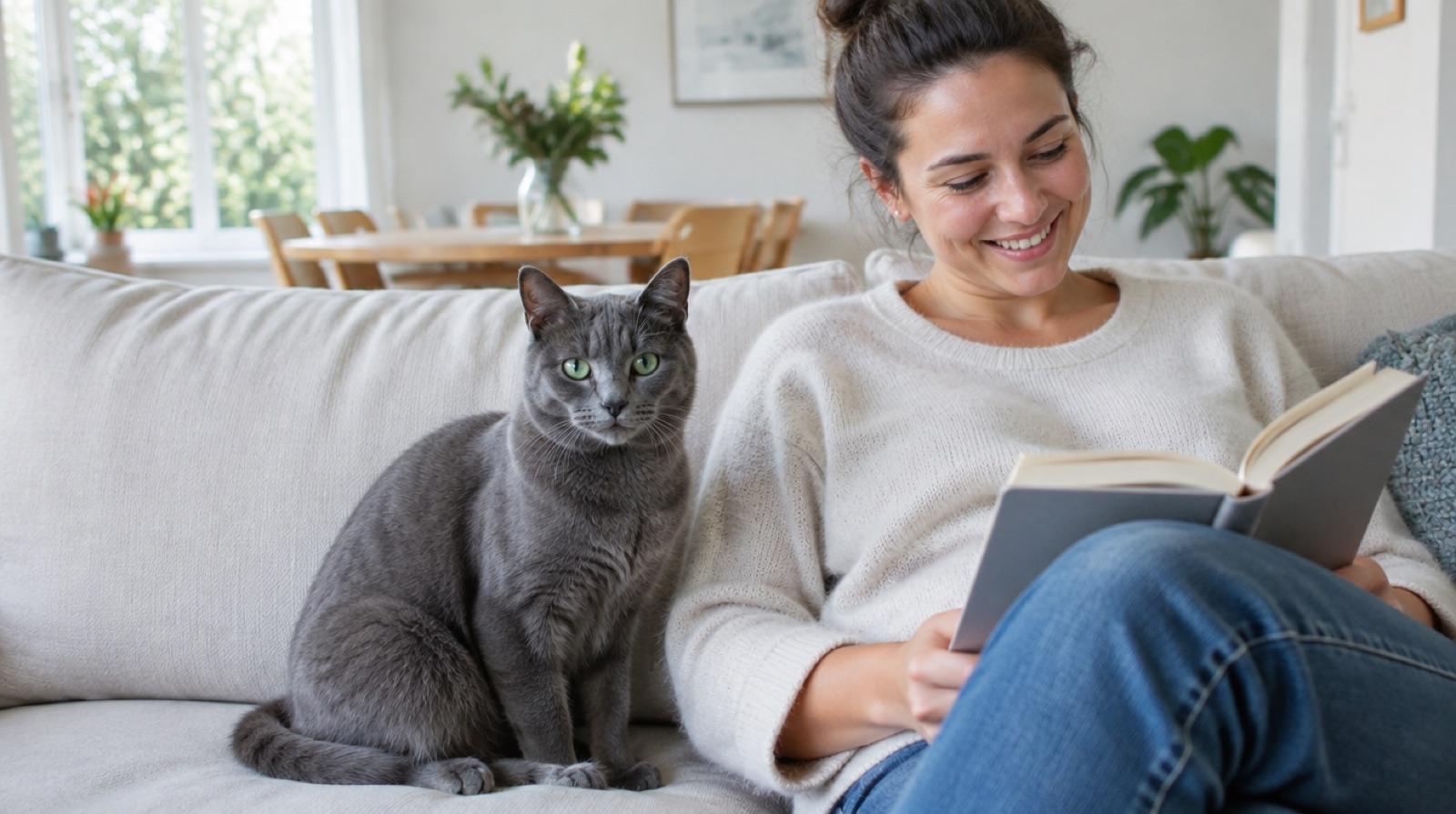
Is there such a thing as a hypoallergenic cat?
No. The Australasian Society of Clinical Immunology and Allergy (ASCIA), the peak body for allergy specialists in Australia and New Zealand, puts it in one line: “As all cats have sebaceous glands, all cat breeds can cause allergies.” Hypoallergenic is a sales word, not a medical category.
What is true is narrower. Allergic people do not react to every cat equally. RSPCA Pet Insurance says allergen levels can vary between individual cats, and that a cat which causes mild symptoms for one person may trigger a stronger reaction in someone else. So a person can live comfortably with one cat and struggle with another of the same breed. That is a fact about one cat and one person, and it is the only kind of fact that helps you choose.
This guide is general information, not medical advice. If anyone in your home has asthma or a diagnosed cat allergy, the first conversation is with a GP or an allergy specialist, not with a breeder or a rescue.
What are you actually allergic to?
Not the fur. ASCIA explains that the main cat allergen is a sticky substance made by sebaceous glands in the cat's skin. It glues itself to dander (tiny flecks of skin), dust and every surface in the home, and because cats lick themselves, grooming spreads it further. Fur is only one of the things it travels on.
Three details from ASCIA's pet allergy FAQ change how you should choose a cat:
- Reactions can be delayed. Up to 50% of people who are allergic to animals do not get symptoms straight away. A quick meet-and-greet with no sneezing proves very little.
- The allergen lingers. Cat allergen can stay in a home for up to six months and in a cat's bedding for up to four years. A rental or house where a cat lived before can set off symptoms with no cat in it.
- It travels. The allergen spreads into places where no cat lives, which is why some people react at a friend's house who has never owned a cat.
ASCIA also notes that a clinical immunology/allergy specialist can confirm a pet allergy with skin or blood tests. That is worth doing before you adopt, because people sometimes blame the cat for symptoms with a different cause.
Which cat breeds are called hypoallergenic, and what is the claim worth?
The same handful of breeds turn up on every list. RSPCA South Australia names the Russian Blue, Siberian, Sphynx, Balinese, Devon Rex and Cornish Rex as breeds considered hypoallergenic, while adding that no animal is 100% allergen free. The table sets out why each one gets the label and what ASCIA's position means for it.
| Breed | Why it is sold as hypoallergenic | What the allergy science says | In Australian rescue |
|---|---|---|---|
| Sphynx | Almost no hair to shed. | The allergen comes from skin glands, not hair, so a hairless cat still makes it. | Rare. |
| Siberian | Breeders often claim lower allergen output. | ASCIA: all cat breeds can cause allergies. No breed-level guarantee exists. | Rare. |
| Devon Rex and Cornish Rex | Short, curly coats that leave little hair around. | Less loose hair is not less allergen; the cat still grooms and spreads it. | Rare. |
| Russian Blue | Long-standing reputation as an allergy-friendly breed. | Same as every cat. Individual cats vary; the breed does not decide it. | Uncommon. |
| Balinese, Siamese and Oriental types | Often listed alongside the low-shedding breeds (RSPCA South Australia names the Balinese). | No different in principle. Test the individual cat. | Siamese turn up now and then; Balinese rarely. |
| Domestic shorthair | Never marketed as hypoallergenic. | As likely as any pedigree to be the one cat you tolerate. Nobody can tell in advance. | Most of the cats available. |
The rescue column is a general guide to what is common and what is rare in Australian rescue, not a count. Listings change daily; the breed pages linked below show the cats listed right now.
What do Australian rescues actually have?
Mostly cats that were never sold as hypoallergenic. Domestic shorthairs, followed by domestic medium and long hairs, make up most of the cats Australian rescues list. Pedigree types such as the Siamese, Russian Blue, Burmese and Bengal turn up far less often, and Siberians, Sphynx and Rex cats are rarer still.
So the breeds people search for on the allergy claim are exactly the ones rescue rarely has. RSPCA South Australia says the same about its own shelters: these breeds are harder to come across when you adopt, though they do come into care from time to time.
The practical upshot is good news for adopters. Because no breed is a guarantee, a domestic shorthair you have spent time with is as sound a choice as a pedigree you have not. Start with the cats that are actually listed near you, meet several, and judge each one on how you feel after a long visit. If you are set on one breed, use the breed pages for Siamese cats in Sydney or Russian Blues in Sydney and set an alert, since a rare breed can be adopted quickly.
Meet the cat, not the breed name
Rescue cats from breeds often suggested for allergy sufferers, listed by Sydney and NSW rescues and refreshed regularly. Every listing links straight to the rescue so you can ask about extended visits.
See cats in Sydney →How do you test whether you react to a particular cat?
By spending real time with that cat, more than once. Because ASCIA says up to half of allergic people do not react straight away, one short visit in a shelter room is the weakest possible test. A better plan:
- See your GP first. Ask whether an allergy test makes sense, and what to do if symptoms start. ASCIA's specialist finder lists clinical immunology/allergy specialists if you need a referral.
- Visit more than once, for longer. An hour or more, on different days, handling and patting the cat. Note how you feel that evening and the next morning, not just in the room.
- Ask about the cat's current home. A cat in foster care lives in a house, so the foster carer can tell you about grooming, shedding and how much time the cat spends on beds and couches. Ask whether anyone allergic has spent time with it.
- Ask about a trial. Some rescues offer foster-to-adopt or a trial period. Ask before you sign, and ask what happens if the adoption does not work out.
- Remember the allergen stays. If a trial fails, cat allergen can stay in the home for months and in bedding for years, according to ASCIA. Keep the cat off your bed during any trial.
If the honest result is that you react to every cat you meet, that is an answer too. ASCIA's first advice for people who are sensitised and get symptoms is not to bring a pet into the home. A cat that has to be returned goes back through the shelter system, so it is kinder to the cat to find this out before the adoption, not after.
Can you live with a cat if you have mild allergies?
Some people do, with their doctor's help. ASCIA lists changes that may help but have not been proven:
- Keep the cat out of the allergic person's bedroom.
- Remove carpet from the bedroom, if possible.
- Keep the cat to one area of the home.
- Use a high efficiency vacuum cleaner.
- Wash pets weekly.
ASCIA adds that treatments exist for people who cannot avoid animals, and that allergen immunotherapy (desensitisation) should only be started by a clinical immunology/allergy specialist. Which option suits you is a medical decision, so raise it with your GP before the cat comes home. RSPCA Pet Insurance suggests similar household steps, including better ventilation, washing bedding often and washing your hands after patting the cat, and says they reduce allergen levels without removing them.
What does a cat cost, rescue against breeder?
A rescue cat costs the same whether or not it belongs to a breed people call hypoallergenic, and the fee includes the vet work. A breeder kitten sold on the claim costs several times more, and the extra money buys a label rather than a tested result.
| Where from | Published price | What it includes | Source |
|---|---|---|---|
| RSPCA NSW | $220 adult cat, $270 kitten under 6 months | Desexing, microchipping, vaccinations, health checks | Fee page, checked 9 November 2026 |
| Cat Protection Society of NSW | $150 per cat or kitten | Vet check, desexing, microchip, first vaccination, flea and worm treatment | Adoption page, checked 9 November 2026 |
| Russian Blue kitten from a breeder | Generally $1,000 to $1,600 | The council says a kitten should be fully vaccinated and microchipped before it goes home, with desexing arranged by 6 months | Russian Cat Council of Australia, checked 9 November 2026 |
These are reference figures from the organisations named, not quotes. Fees change and vary by cat, age and promotion; confirm with the rescue or breeder. We could not find a published Australian breed-club price range for Siberian, Sphynx or Rex kittens, so we do not quote one.
For more on how pedigree kitten prices compare with rescue, see our guides to Ragdoll prices and Bengal prices in Australia.
Should you buy from a breeder instead?
Rescue is not the right fit for everyone. If you have tested yourself against several cats of one breed (at a friend's home, a cat show or a cattery) and you want that breed specifically, a registered breeder is a reasonable choice. The RSPCA Knowledgebase encourages people to consider adoption first and sets out what to look for in a responsible breeder if you buy.
What separates a good breeder visit from a sales pitch, for an allergic buyer:
- Check registration. ANCATS has a public member lookup, and other Australian cat councils keep their own registers. A breeder should tell you which body they are registered with.
- Ask for repeat visits. A breeder who lets you spend real time with the kitten, and with its parents, more than once, is giving you the only test that counts.
- Be wary of guarantees. Nobody can promise you will not react to a kitten. A seller who does, or who charges more purely for the hypoallergenic claim, is selling marketing.
- Ask about returns. Find out in writing what happens if you do react after the kitten comes home.
- Watch for scams. Scamwatch warns against unbelievably low prices, unusual payment requests and paying before you have seen what you are buying in person. The Russian Cat Council of Australia warns that scammers advertise supposedly registered kittens for around $300 and then ask for transport costs.
Find a cat near you
Each page below lists rescue cats from breeds often suggested for allergy sufferers in that city, refreshed regularly, with every listing linking through to the rescue.
Not sure a cat is the right pet at all? Try the dog or cat quiz and the adoption readiness check. If a dog is on the table, our guide to hypoallergenic dog breeds in Australia covers the same science for dogs, and dogs that don't shed covers coats and grooming. For one breed in depth, read Russian Blues and allergies.
Frequently asked questions
Are there any hypoallergenic cats?▼
No. The Australasian Society of Clinical Immunology and Allergy (ASCIA) says that because all cats have sebaceous glands, all cat breeds can cause allergies. The label hypoallergenic is a marketing term, not a medical or registry category. Some allergic people react less to one particular cat than another, which is why the individual cat matters far more than its breed.
What are the best cats for people with allergies?▼
The best cat is the individual one you have spent real time with and not reacted to, whatever its breed. Siberian, Sphynx, Devon Rex, Cornish Rex, Russian Blue and Balinese are the breeds most often sold as hypoallergenic, but ASCIA says every cat breed can cause allergies, and RSPCA Pet Insurance says allergen levels vary between individual cats. Test the cat, not the breed name.
Is a Sphynx cat hypoallergenic?▼
No. A Sphynx has almost no hair, but ASCIA explains that the main cat allergen is a sticky substance made by sebaceous glands in the skin, not the fur itself. A hairless cat still has those glands and still licks itself, so it still produces and spreads the allergen. Some allergic people cope with a particular Sphynx and some do not.
Are Siberian cats hypoallergenic?▼
No breed is, Siberians included. Siberians are often sold on claims that they produce less allergen, but ASCIA, the peak body for allergy specialists in Australia and New Zealand, says all cat breeds can cause allergies. If a seller guarantees you will not react to a kitten, treat that as marketing rather than evidence.
Is a Russian Blue good for allergies?▼
A Russian Blue is no safer than any other cat on paper. It appears on hypoallergenic lists, including RSPCA South Australia's, but ASCIA says every cat breed can cause allergies. Some allergic owners do well with a particular Russian Blue, which is a fact about that cat and that person, not the breed. Spend time with the individual cat before you commit.
Do short-haired cats cause fewer allergies?▼
Not reliably. The allergen comes from glands in the skin and is spread by licking and grooming, then sticks to dander, dust and furniture, according to ASCIA. Coat length changes how much hair you find on the couch more than it changes how much allergen a cat makes. A short-haired cat can still trigger strong symptoms.
How do I test whether I am allergic to a particular cat?▼
Spend time with that cat more than once, for long stretches, somewhere close to how you would live with it. ASCIA says up to 50% of people who are allergic to animals do not get symptoms straight away, so a short meet-and-greet can give a false all clear. See your GP first, and ask the rescue whether a foster trial or extended visits are possible.
Can I adopt a cat if I have asthma?▼
Talk to your doctor before you do anything else. ASCIA says pet allergy is a common cause of asthma and hay fever, and its first advice for people who are sensitised and get symptoms is not to bring a pet into the home. Only your doctor or an allergy specialist can tell you whether living with a cat is safe for you.
How long does cat allergen stay in a house?▼
Up to six months in the home and up to four years in a cat's bedding, according to ASCIA. That matters twice over for adopters: a house where a cat lived before can trigger symptoms even with no cat present, and if an adoption does not work out, the allergen does not leave when the cat does.
How much does a hypoallergenic cat cost in Australia?▼
From a rescue, the same as any other cat: RSPCA NSW lists $220 for an adult cat and $270 for a kitten, and the Cat Protection Society of NSW lists $150, with desexing, microchip and vaccination included (fee pages checked 9 November 2026). The Russian Cat Council of Australia says Russian kittens are generally priced between $1,000 and $1,600. We found no breed-club price for Siberian, Sphynx or Rex kittens. These are reference figures, not quotes.
Can I find a Siberian or Sphynx cat in rescue?▼
Rarely. RSPCA South Australia says the breeds sold as hypoallergenic are harder to come across when you adopt, though they do come into care from time to time. Most rescue cats are domestic shorthairs and other mixed-breed cats. If you want a specific breed, see the cats listed right now on the breed pages for your city, set an alert and check often.
Can I keep a cat if someone in my home has mild allergies?▼
Some households manage, with medical advice. ASCIA lists steps that may help but have not been proven: keep the cat out of the allergic person's bedroom, remove bedroom carpet, keep the cat to one area of the home, use a high efficiency vacuum cleaner and wash pets weekly. Ask your GP about treatment options before the cat comes home, not after.
Sources
- ASCIA: Pet allergy FAQ (2024)
- ASCIA: Locate a clinical immunology/allergy specialist
- RSPCA South Australia: Pets for people with allergies
- RSPCA Pet Insurance: Hypoallergenic cats, do they really exist?
- RSPCA Knowledgebase: Choosing a pet
- RSPCA NSW: Adoption fees
- Cat Protection Society of NSW: Cats for adoption
- Russian Cat Council of Australia: Buying a Russian
- Australian National Cats Inc (ANCATS)
- Scamwatch: Buying and selling scams
Keep reading
Hypoallergenic dog breeds in Australia
The same allergy science for dogs, what Cavoodles and other oodle coats really do, and how to test a dog first.
Cats for allergy-conscious homes in Sydney
Rescue cats from breeds often suggested for allergy sufferers, listed by Sydney and NSW rescues.
What cat breed am I?
A short quiz that matches your home and routine to cat types, before you start meeting cats.
Dog or cat?
If allergies are only one part of the question, this quiz weighs time, space and budget too.