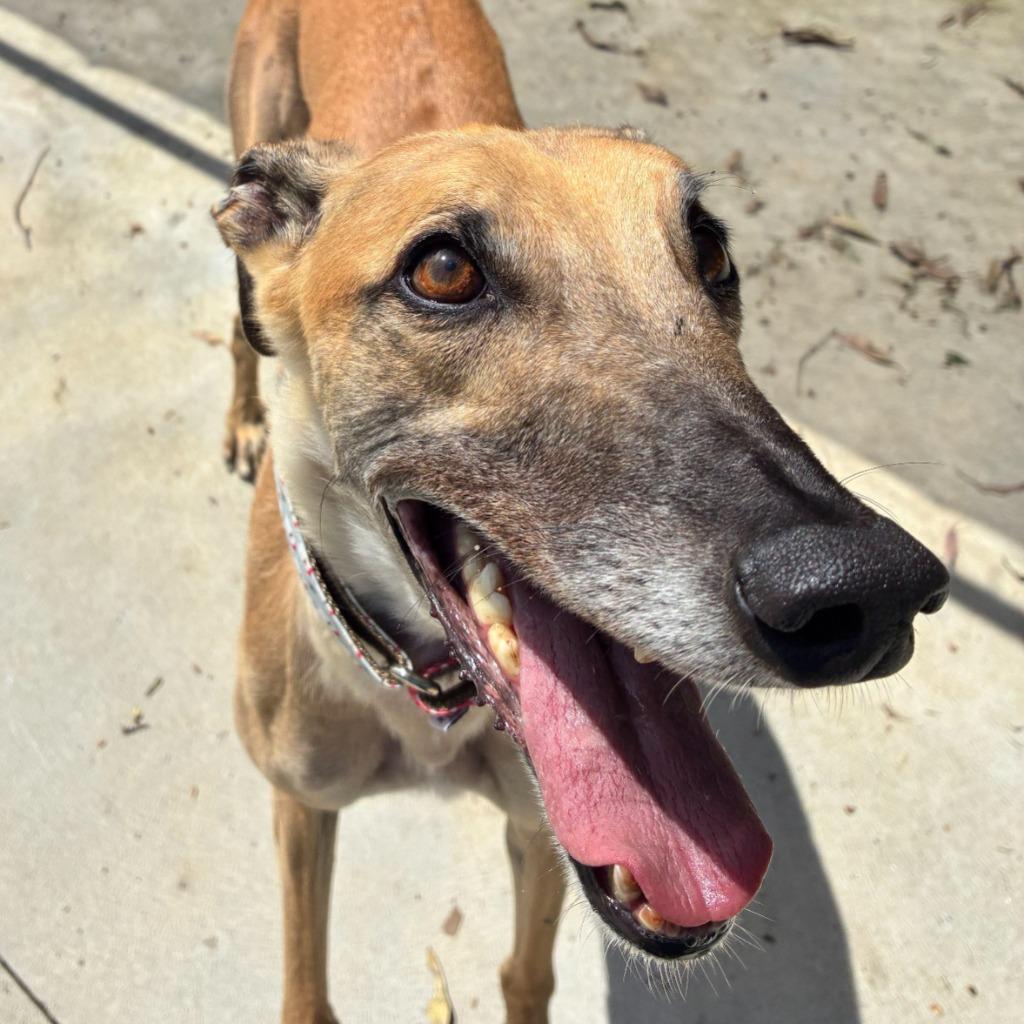
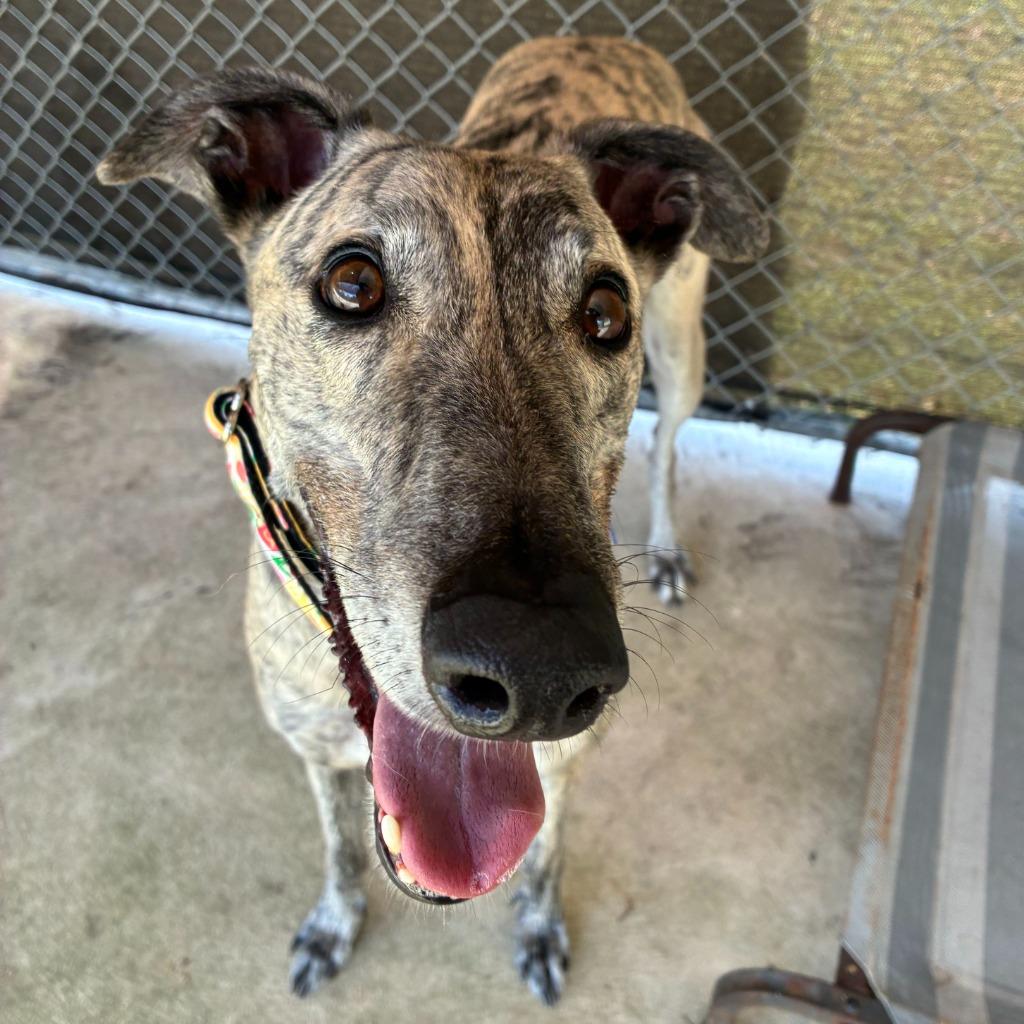
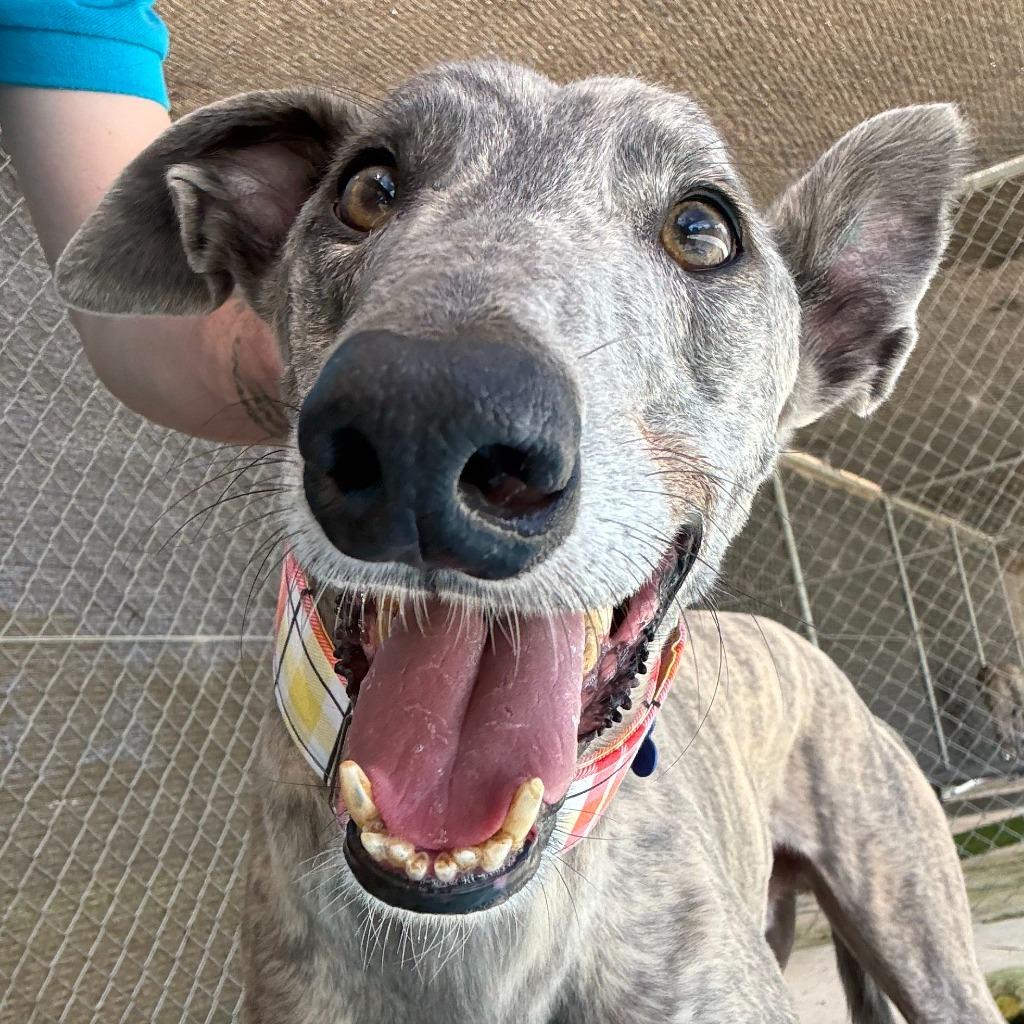
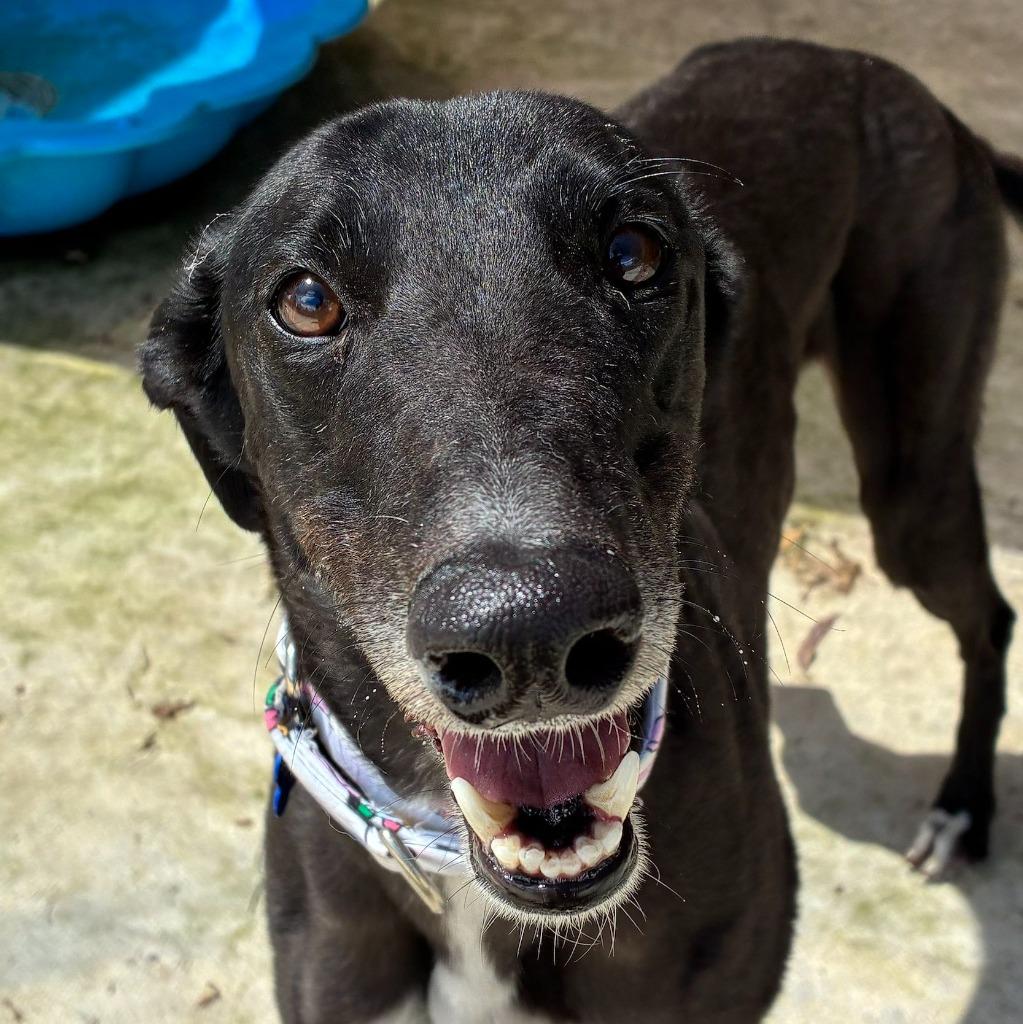
Adopting a dog in Sydney
Sydney dog rescues range from large adoption centres, such as the RSPCA NSW Sydney Adoption Centre at Yagoona and Sydney Dogs and Cats Home at Kurnell, to Monika's Doggie Rescue, a no-kill shelter at Ingleside, and foster-based rescues such as Maggie's Rescue, whose dogs live with volunteer carers before adoption.
Council shelters rehome dogs too: Sutherland Shire Council's animal shelter at Taren Point takes strays from the Sutherland Shire and the City of Sydney, and Hawkesbury Companion Animal Shelter at Mulgrave, run by Hawkesbury City Council, serves the Hawkesbury, Penrith, The Hills, Hornsby and Cumberland council areas.
LocalPetFinder is not a shelter. We do not house dogs or handle adoptions. We bring Sydney rescue dog listings together in one place, and each rescue listing links to the rescue, where you apply. Some dogs are listed by owners rehoming them; those are marked, and you contact the owner through the listing. The site is free, and adoption fees are set by the rescue and paid to it.
Puppies versus adult dogs
RSPCA Australia says puppies need the most time, and that dogs and cats live around 12 years on average, so either choice is a long commitment (RSPCA Knowledgebase, read November 2026).
Animal Welfare League NSW says puppies and small dogs in its care are adopted quickly, while medium and large dogs stay longer (AWL NSW, read November 2026). With an adult dog, you can see its grown size and energy before you commit.
At RSPCA NSW, for example, a puppy goes home desexed, microchipped, vaccinated and health-checked, because its adoption fees cover that work. A puppy from elsewhere may not be desexed yet; the City of Sydney says dogs can be desexed safely from 12 weeks and suggests booking a puppy in before 6 months, since the NSW registration discount depends on desexing by then.
Whichever you choose, read the notes on each profile and ask the rescue how the dog is with children, other dogs and cats before you apply.
What the adoption fee covers
Each Sydney rescue sets its own dog fee and says what it includes. RSPCA NSW lists $500 for a dog over 12 months and $620 for a puppy under 12 months, and says its fees ensure pets are desexed, microchipped, vaccinated and health-checked. Monika's Doggie Rescue says it usually asks between $400 and $600, depending on the dog's age and sex, and that the payment goes part way to desexing, vaccination, heartworm testing and microchipping. Animal Welfare League NSW shows each animal's fee on its profile, and says a dog's fee includes desexing, a health and dental check, microchipping and vaccinations. Maggie's Rescue publishes no standard amount; each dog's fee is on its listing.
These figures were read on each rescue's own pages in November 2026. Fees change, so check with the rescue; they are reference only, not a quote.
Owning a dog in Sydney
Renting or living in an apartment need not rule out a dog. The NSW Government says that from 19 May 2025 a landlord can refuse a pet only on grounds set out in the Residential Tenancies Act, and must answer the pet application form within 21 days or the pet is approved without conditions. It also says strata by-laws that ban all pets are not valid, and that an owners corporation can reject a pet only for "unreasonable interference".
Staffordshire Bull Terriers and American Staffordshire Terriers are not restricted breeds in NSW and can be adopted normally. The five breeds restricted under the Companion Animals Act 1998, such as the American Pit Bull Terrier, cannot be sold or given away in NSW. Read more in our guide to Staffies and housing in Sydney.
- Off-lead rules are set by each council and differ across Sydney. Randwick City Council bans dogs from all its beaches and rock pools but has 14 off-lead areas, and Sutherland Shire Council bans dogs within 10 metres of playgrounds. See our guides to dog parks and off-lead areas and dog beaches in Sydney.
- A pet greyhound registered on the NSW Pet Registry does not need a muzzle in public but must be on a lead, and the NSW Office of Local Government recommends muzzling a newly adopted greyhound in public for at least eight weeks.
- Registration and microchipping are covered below. Our NSW dog registration guide walks through the steps.
How the adoption process works
Each rescue runs its own process. In outline:
- Browse the dogs below and read each profile for size, energy and how the dog is with children, other dogs and cats.
- Click through to the rescue's own listing and apply there. Questions about the dog, the fee and the timing go to the rescue.
- Be ready to tell the rescue about your home, who lives with you and any other pets. If you rent, expect to show landlord consent: Monika's Doggie Rescue and Animal Welfare League NSW both ask for it.
- Meet the dog before you commit. Monika's Doggie Rescue adopts by appointment, and Animal Welfare League NSW asks for an existing dog to attend a supervised dog-to-dog introduction.
- If it is a match, pay the rescue's fee, sign its adoption paperwork, and check the microchip and NSW Pet Registry record are in your name.
- Give the dog time at home: Animal Welfare League NSW says some pets may need up to three months to fully settle.
Why adopt instead of buy
A rescue dog comes with vet work the rescue has already paid for: the RSPCA NSW, Monika's Doggie Rescue and AWL NSW fees above all go towards desexing, microchipping and vaccination. A desexed dog adopted from an eligible council pound, shelter or approved rehoming organisation also registers for $0 in NSW (NSW Office of Local Government).
RSPCA Australia advises looking first at the RSPCA or a reputable rescue, whose animals are health-checked and behaviour-assessed and are mostly vaccinated, wormed, microchipped and desexed. If you buy from a breeder instead, it advises visiting where the puppy was born, meeting its parents and never buying unseen (RSPCA Knowledgebase, read November 2026).
In NSW, an ad for a puppy born after 1 December 2025 must show the puppy's microchip number and the breeder identification number, and buyers can check it on the NSW Pet Registry Buyer Search (NSW Office of Local Government).
Foster-based rescues such as Maggie's Rescue keep their dogs in volunteers' homes, so the carer can describe how a dog behaves in a home before you meet it.
Browse dogs from Animal Adoption Agency, Animal Welfare League NSW, Blacktown Animal Rehoming Centre, Blue Mountains Animal Care Centre, Camden Council Animal Care Facility, Campbelltown Animal Care Facility, Canterbury-Bankstown Animal Shelter, DCH Animal Adoptions, Denise at Paws, Fetching Dogs, Greyhound Rescue, Greyhounds As Pets NSW, Hawkesbury Companion Animal Shelter, Jack Russell Rescue, Maggie's Rescue, Monika's Doggie Rescue, Pound Rescue Inc, RSPCA NSW, Seniors and Silky Rescue, Sutherland Shire Council Animal Shelter, Sydney Dogs and Cats Home, Wollondilly Animal Shelter. Looking elsewhere in the state? See all New South Wales adoption options, or browse cats for adoption in Sydney. Lost or found a dog? See lost and found pets.
Adopting a dog in Sydney: what NSW law asks of you
NSW dogs are covered by the Companion Animals Act 1998. A dog must be microchipped by 12 weeks of age, or before it is sold or given away, and registered for life on the NSW Pet Registry. The NSW Office of Local Government says "all pet cats and dogs in NSW must be registered on the NSW Pet Registry either by 12 weeks of age or immediately upon transfer (whichever happens first)" (checked 13 November 2026), so an adopted dog is registered when it becomes yours, if it is not already.
For rescue adopters the good news is cost: a desexed dog adopted from an eligible council pound, shelter or approved rehoming organisation registers for $0 lifetime (NSW Office of Local Government fee table, checked 13 November 2026). The rescue usually handles the microchip transfer, so check the paperwork before you take your dog home.
The paralysis tick lives along the NSW coast and in bushland. RSPCA Australia says that "in the north, paralysis ticks may be found all year round, while in the more southern areas, the season generally begins in spring and finishes in late autumn", and that the season can start earlier and end later, for example after a mild winter (RSPCA Knowledgebase, kb.rspca.org.au, read 13 November 2026). It can be fatal, so ask your vet about a registered tick-prevention product and check your dog after every bush walk.
Sources: NSW Office of Local Government (pet registration fees) · NSW Office of Local Government (registration and permit fees) · NSW Office of Local Government (microchipping) · Companion Animals Act 1998 (NSW legislation) · RSPCA Knowledgebase (tick paralysis)