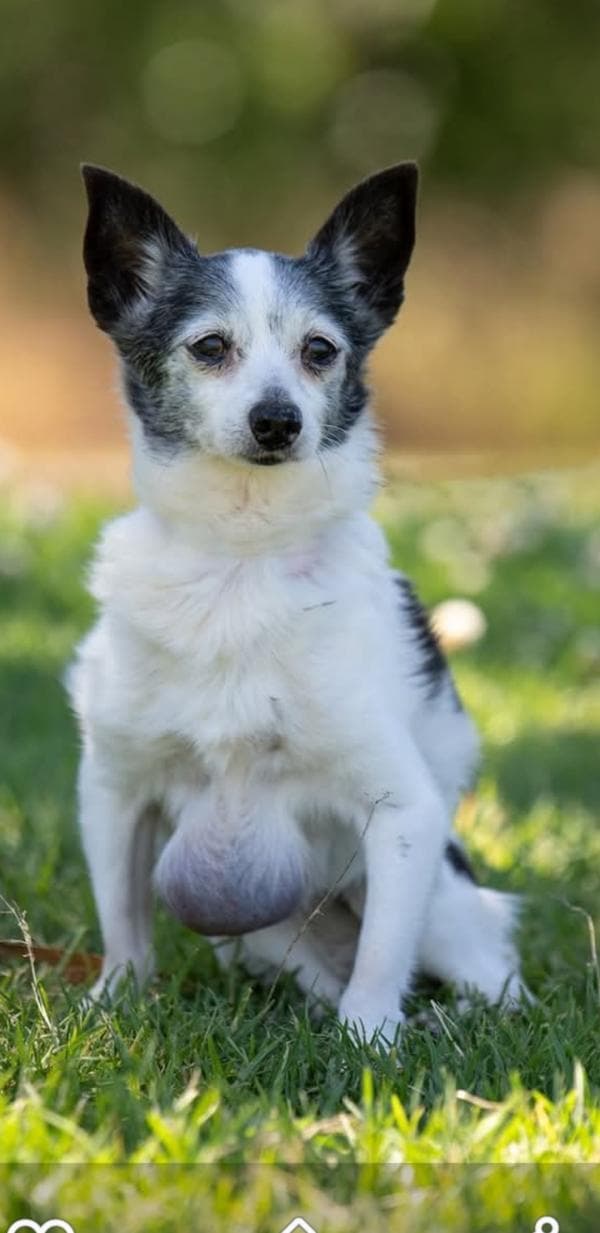
Bella aka Wilma
12 years 2 months • Mini Fox Terrier

Chance
3 years 8 months • Cavalier King Charles Spaniel
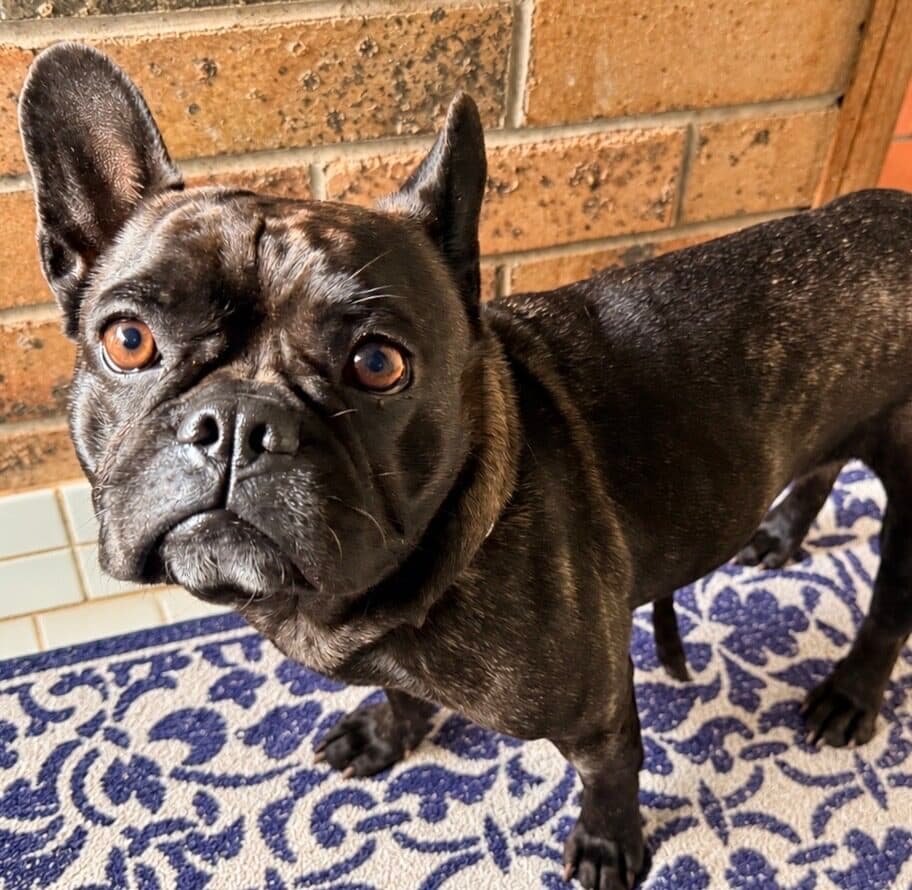
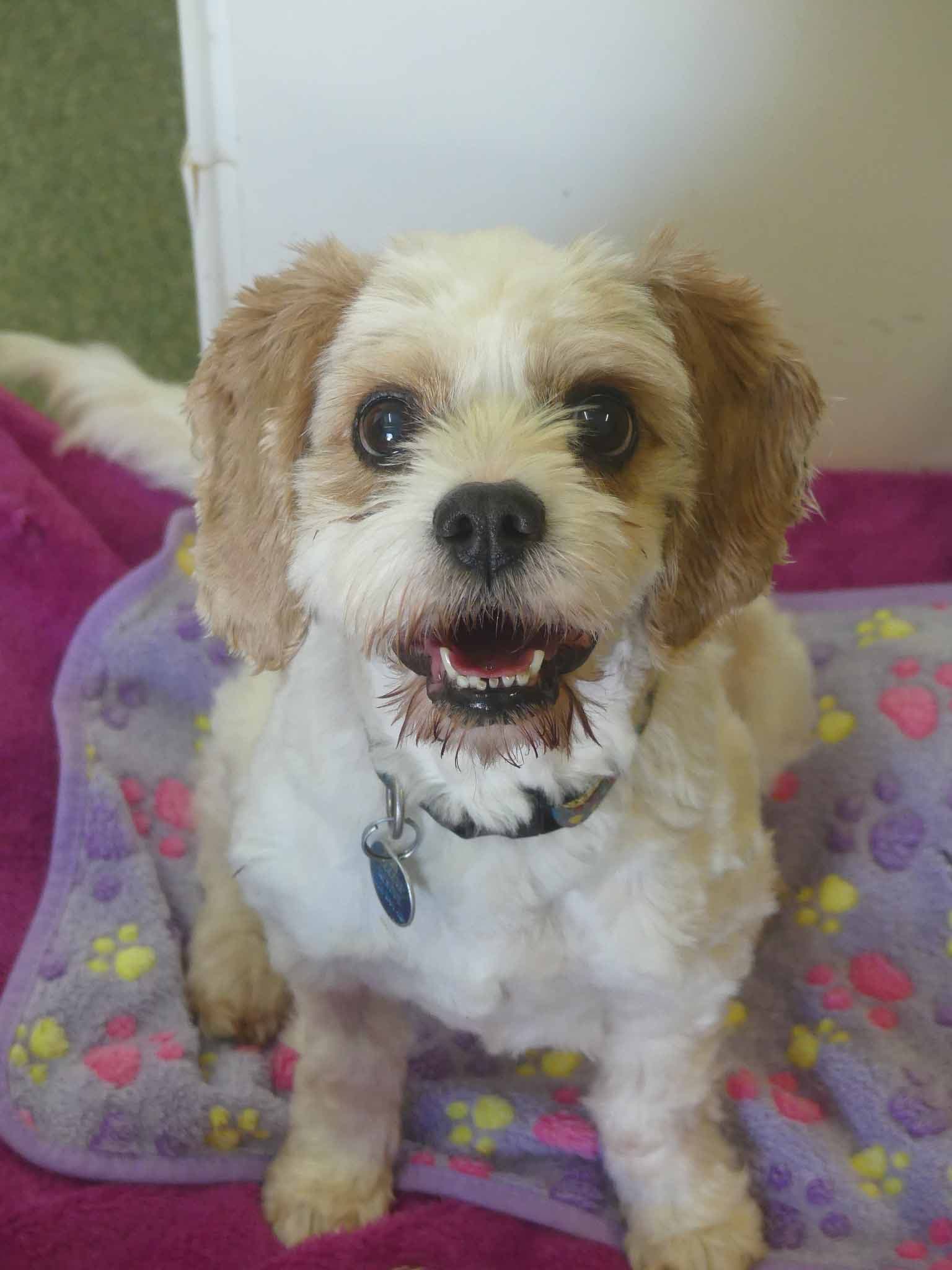
Frappe
About 11 years old • Cavalier X Poodle

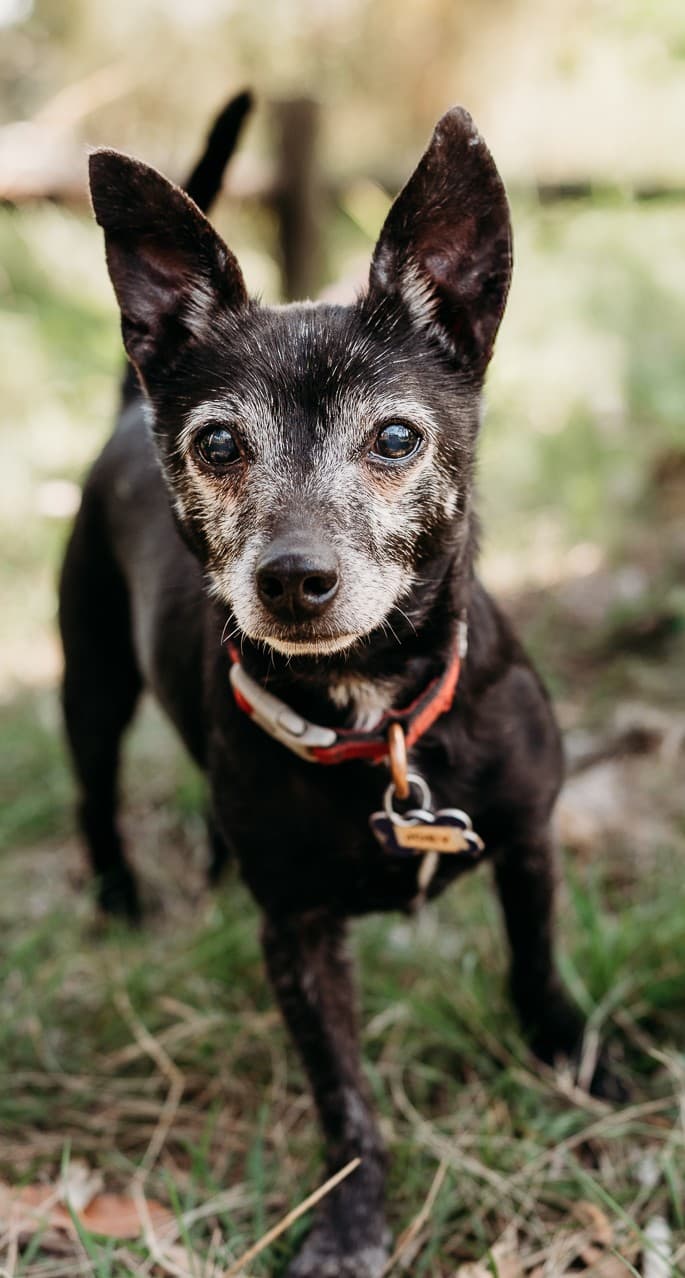
Joey
About 13 years old • Chihuahua X Miniature Fox Terrier
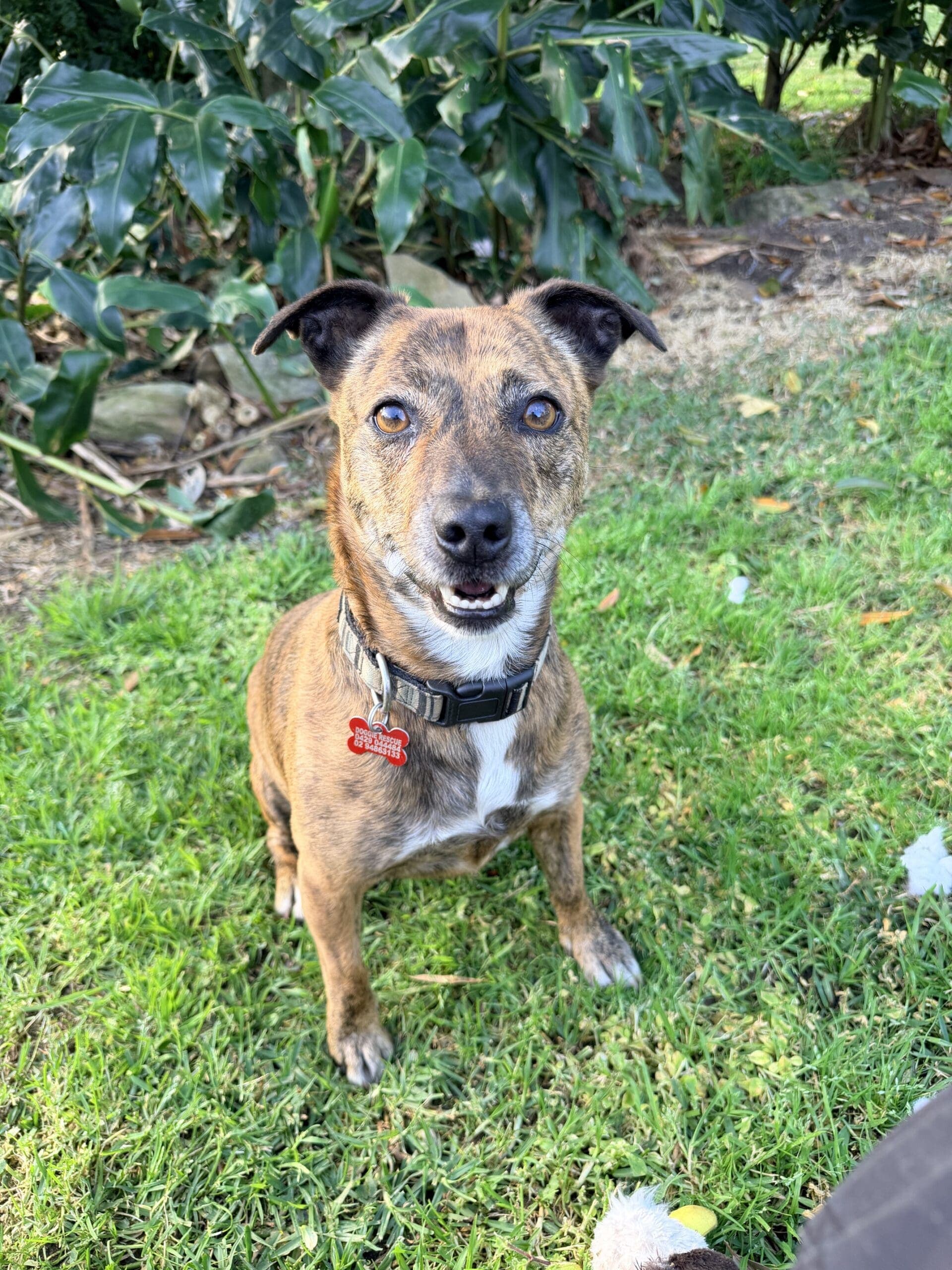
Lassie (Mrs Lasagne)
About 6 years old • Jack Russell Terrier X Staffy
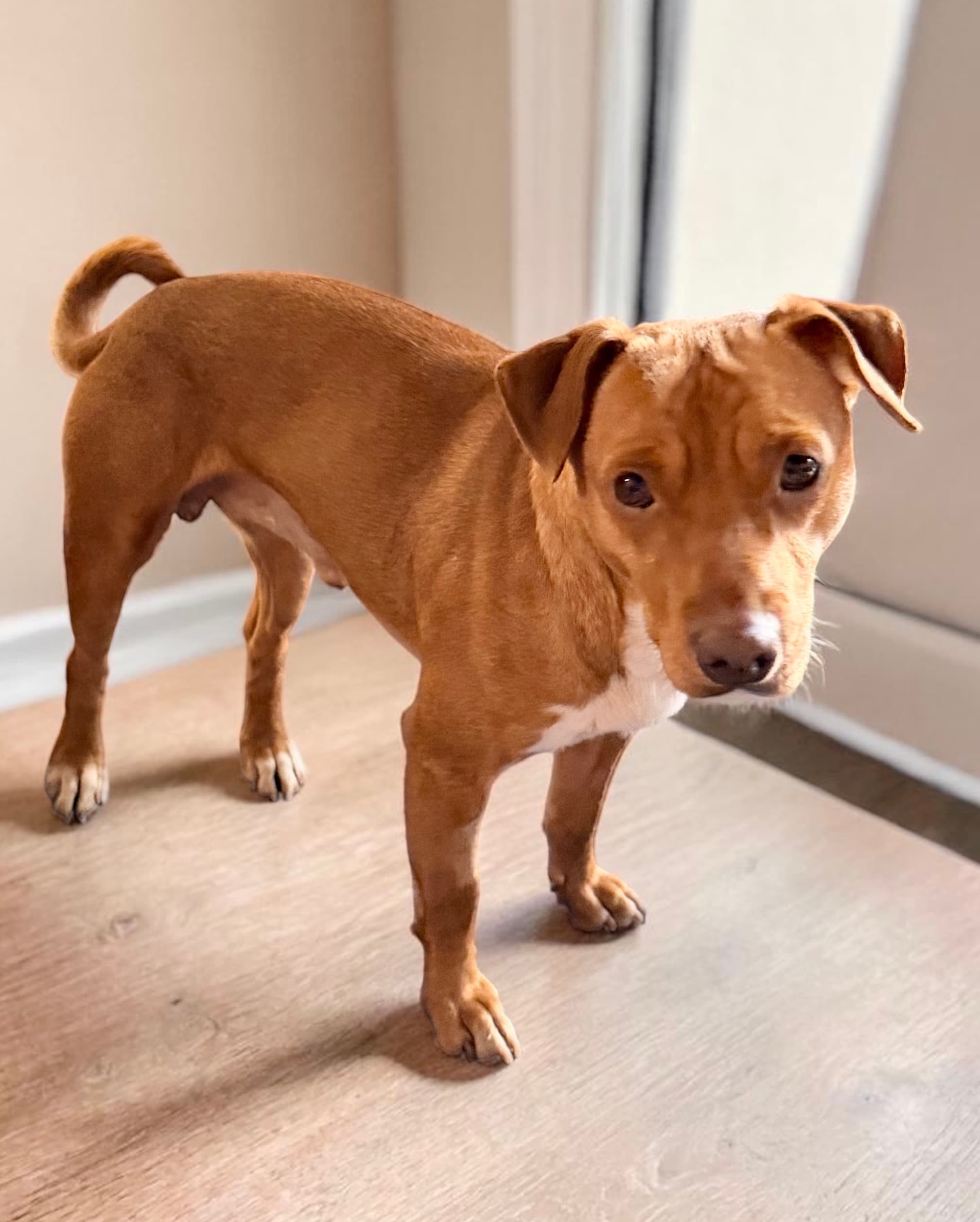
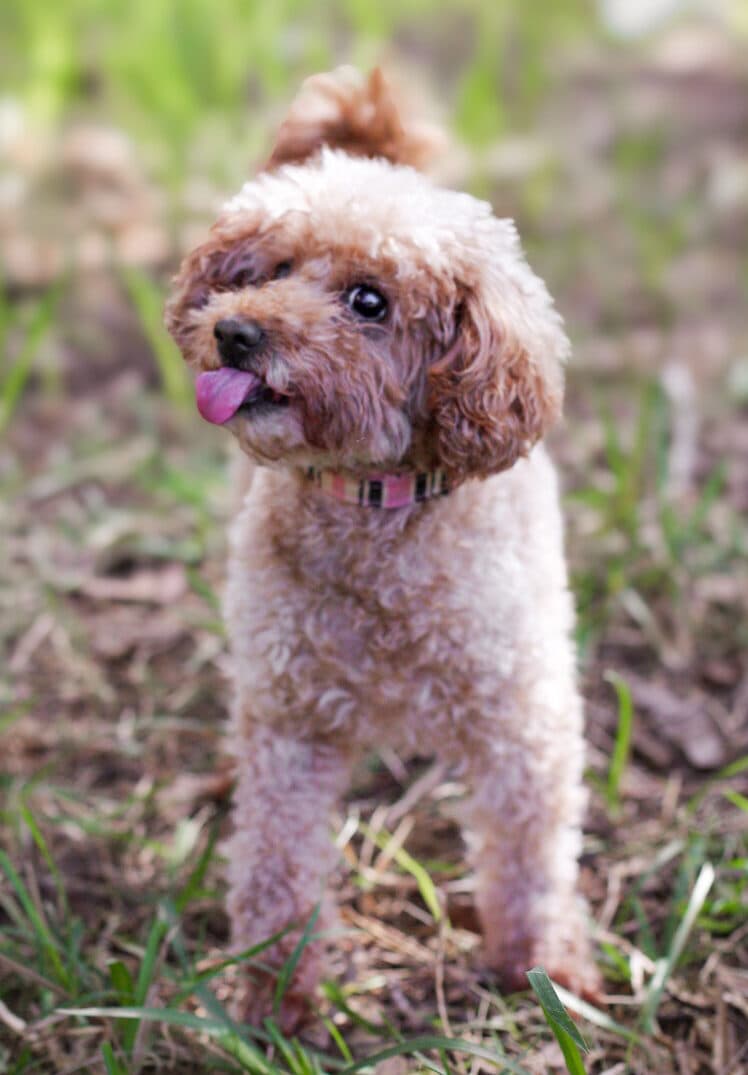
Nelly
About 8 years old • Toy Poodle X
Showing 1-9 of 17 dogs
Many Sydney apartments and units are pet-friendly, and the right dog can thrive in a smaller living space. The key factors that make a dog apartment-friendly are energy level, size, and temperament. Dogs with low to medium energy levels adapt best — they are content with a couple of daily walks and do not need a large yard to burn off excess energy. Quieter breeds that are less prone to barking also make better neighbours in shared buildings.
Size matters, but it is not everything. Some medium-sized dogs with calm temperaments do better in apartments than high-energy small breeds. The dogs listed below have been identified as apartment-friendly based on their size, energy level, and behavioural traits reported by their rescue organisations. If you live in a Sydney unit or apartment, be sure to check your strata by-laws and lease for any pet restrictions before applying.
Under the NSW Companion Animals Act, all dogs must be microchipped and registered on the NSW Pet Registry, and desexing your dog lowers the registration fee. In apartment buildings, keep your dog on lead in common areas and make sure it does not create noise disturbances. All listings are updated regularly from Sydney and NSW rescues.
Living With a Dog in a Sydney Unit or Apartment
Sydney is one of the most apartment-dense cities in Australia, and a rising share of renters and owner-occupiers live in strata schemes across the Inner West, Eastern Suburbs, Sydney CBD and North Shore. The good news is that keeping a dog in a Sydney unit is more realistic than it has ever been. Since the strata reforms that followed the well-known Cooper case, blanket “no pets” by-laws are much harder for an owners corporation to enforce, and many buildings now allow dogs with reasonable conditions rather than an outright ban.
That said, the by-laws still vary building to building, so read your scheme's registered by-laws before you fall for a particular dog. Some schemes ask you to seek written approval, keep the dog on lead in common property such as lifts and lobbies, and clean up after it. If you rent, check your lease and talk to the agent early rather than after you have applied for a dog. A calm, quiet, low-to-medium energy dog is far easier to get approved and to live with in a shared building than a bouncy, vocal one.
Size is not the whole story. A settled medium dog that sleeps most of the day can suit a two-bedroom unit better than a busy small dog that barks at every footstep in the corridor. The listings above are flagged apartment-friendly based on the size, energy and temperament each rescue has observed, so trust the individual dog's notes over any breed reputation.
Exercise Without a Backyard: Sydney's Off-Lead Parks
No backyard is not a dealbreaker in Sydney, because the city is generously supplied with off-lead space. An apartment dog does very well on two or three walks a day plus a few visits a week to a fenced or open off-lead area where it can really stretch out. Sydney Park in St Peters has a large off-lead area popular with Inner West owners, Centennial Parklands in the Eastern Suburbs runs timed off-lead zones, and Bicentennial Park at Sydney Olympic Park and Nielsen Park in Vaucluse both give harbour-side room to roam. Wherever you land, check your local council off-lead area signage for the hours and the on-lead sections.
Sydney's real exercise risk is heat, not cold. Summer days regularly reach the high twenties and push past 35°C in a heatwave, and footpaths and courtyard pavers get hot enough to burn paw pads. Walk your dog in the early morning or after sunset on hot days, carry water, and never leave a dog in a parked car even for a few minutes. Indoor enrichment such as puzzle feeders, snuffle mats and short training games covers the gap on days too hot to be outside.
Managing Noise in a Shared Building
Barking is the single most common complaint about apartment dogs, and it is nearly always preventable. Most of it comes from boredom or separation anxiety rather than a difficult dog. Set the dog up to succeed with enough daily exercise, mental enrichment while you are out, and a consistent routine so alone-time feels normal rather than alarming. Crate training gives many dogs a secure den and reduces reactivity to hallway noise.
Choosing the right dog to begin with does most of the work. A low-barking, adaptable temperament makes a far better neighbour than a naturally vocal one, whatever the size. If barking persists after you have covered the basics, a Sydney force-free trainer can help, and genuine separation anxiety is treatable with a structured plan. Keeping noise down protects both your dog's welcome in the building and your standing under your scheme's by-laws.
Registration, Microchipping & NSW Law
Every dog in New South Wales is covered by the Companion Animals Act 1998. In practice that means two obligations. Your dog must be microchipped by 12 weeks of age or before it changes hands, and it must be lifetime registered on the NSW Pet Registry by six months of age. A rescue dog will already be microchipped when you adopt it, so your main job is to update the registry into your name and pay the one-off lifetime registration fee.
Registration is a single lifetime payment, not an annual one, and desexing your dog lowers it significantly. For 2026 to 2027 a desexed dog is $84, or free if it comes desexed from an eligible pound, shelter or approved rehoming organisation, while an entire dog costs more, so an already-desexed rescue dog is the cheaper path on this front too. Confirm the current figure on the NSW Office of Local Government site, since fees are periodically updated. In an apartment building, up-to-date microchip details matter even more than usual: shared doors, lifts and lobbies mean a dog that slips out is best reunited fast through a current record.
Adoption Costs, Vet Care & Tick Prevention
A Sydney rescue adoption fee for an adult dog typically runs $400 to $650, and that fee already bundles desexing, vaccination, microchipping and a vet check. Compared with a breeder price that often runs into the thousands with none of that vet work done, adopting an apartment-suited dog is both cheaper and safer. Smaller apartment dogs are also among the most economical to keep, with lower food and medication costs than large dogs.
Once the dog is home, line up a local vet for routine care and know where the after-hours option is. The Small Animal Specialist Hospital (SASH) runs 24/7 emergency and specialty services across several Sydney locations if something serious comes up outside normal hours. For everyday needs, a nearby general practice vet is all most apartment dogs require.
One Sydney-specific health point applies even to indoor apartment dogs: the paralysis tick is native to the whole NSW coast and is a year-round risk, peaking in the warmer months. Any dog that walks in leafy suburbs, parks or bushland needs year-round tick prevention, usually a monthly chew or spot-on, plus a physical tick check after bushy walks. Ask your vet which product suits your dog. This is the single most important preventive-health habit for a Sydney dog.
Apartment Dog Adoption FAQ
How do I find pet-friendly apartments in Sydney?
Many Sydney rental properties and units allow dogs, though strata by-laws can vary between buildings. Filter rental listings for pet-friendly units. Always confirm the specific pet policy and strata rules with the landlord or agent before signing a lease, and ask about any pet bond or conditions.
Do Sydney apartments have breed restrictions for dogs?
Individual strata schemes and insurers may restrict certain breeds or sizes within a building. NSW law also classes some breeds, such as the American Pit Bull Terrier, as restricted, with strict ownership requirements that make them unsuitable for most apartment living. Always verify breed rules with your strata committee and home insurance provider before adopting.
How do I manage noise with a dog in an apartment?
Choose a dog with a calm temperament and low barking tendency. Provide adequate exercise, mental stimulation with puzzle toys, and a consistent routine to reduce anxiety-based barking. Crate training can also help dogs feel secure when you are away. If barking becomes an issue, consult a trainer — most apartment-related barking stems from separation anxiety, which is treatable.
Are these apartment-friendly dogs for sale in Sydney?
Not for sale, for adoption, which is usually the better deal. Every dog here comes from a Sydney or NSW rescue, not a breeder or classified seller, and the adoption fee already includes desexing, vaccination, microchipping and a vet check. That fee is typically a few hundred dollars, against often several thousand dollars from a breeder with none of the vet work done. If you searched “apartment-friendly dogs for sale sydney”, adopting gets you a vetted dog for a fraction of the price.
Where can I find free apartment-friendly dogs for adoption near me in Sydney?
Truly free dogs are rare, and a “free dog near me” advert is more often a warning sign than a bargain: unvetted, backyard-bred, or a scam the ACCC Scamwatch has documented. A rescue dog is not free but it is inexpensive and safe. The adoption fee, usually a few hundred dollars, already covers desexing, vaccination, microchipping and a vet check, which would cost far more separately, and some senior or long-waiting dogs have reduced fees. Browse the apartment-friendly dogs above from rescues across Sydney and NSW.
Where can I find apartment-friendly dogs for adoption near me in Sydney?
LocalPetFinder lists apartment-friendly dogs available for adoption from rescues across Sydney and New South Wales, including the Inner West, Eastern Suburbs, Northern Beaches, Western Sydney and the Sutherland Shire, with rescues like RSPCA NSW, Animal Welfare League NSW and Sydney Dogs and Cats Home. Listings update regularly, so browse the apartment-friendly dogs above and apply directly through the rescue.