The short answer
If you want a Koolie as an active companion, adopt: Koolies and crosses come through working-dog rescue and general shelters, and an adult's drive is already known. If you need a working or sport prospect, buy from a Koolie Club of Australia member breeder who breeds merle to solid and DNA tests both parents. The Koolie is not recognised by Dogs Australia, so club registration is what to ask for. Few breeders publish a price: of the member breeders whose own websites we read in November 2026, one member breeder published $1,500 (read November 2026), and one breeder is not a range. Australian Working Dog Rescue International listed $650 for a mature dog. Reference figures read on 11 November 2026, not quotes; check with the breeder or rescue.
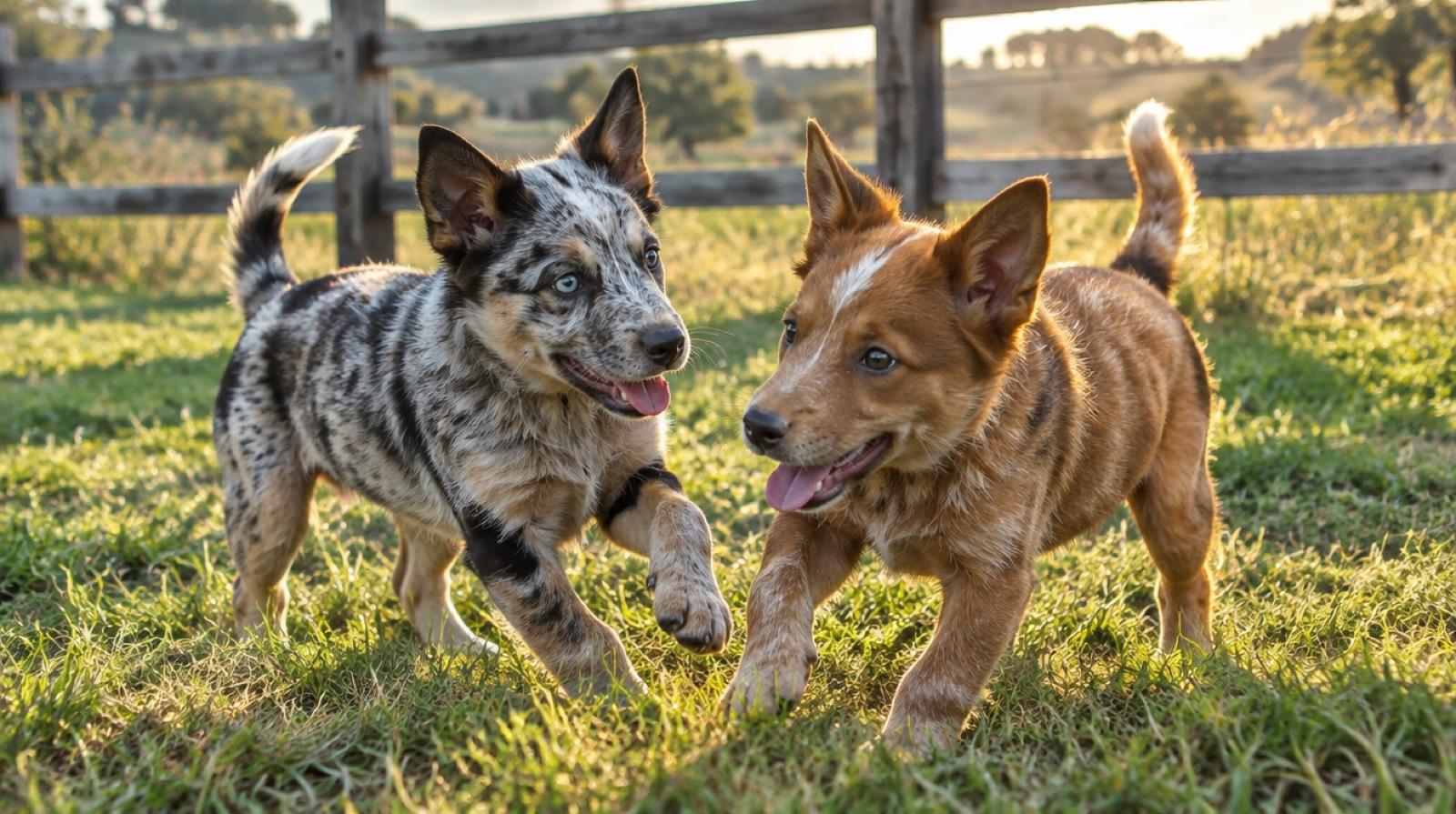
Should you adopt or buy a Koolie?
It depends on what the dog is for. If you need a dog to work stock, or want to start a sport dog from eight weeks, a puppy from a Koolie Club of Australia member breeder who knows the parents' working ability makes sense. If you want an active, clever companion, an adult Koolie or Koolie cross from rescue is often the better match: its energy, its herding habits and how it copes alone are already known, and that is exactly what goes wrong when a puppy grows into a full-drive adolescent in a suburban yard.
The RSPCA Australia Knowledgebase suggests the RSPCA or a reputable rescue first, and if you go to a breeder, making sure they are registered, visiting where the puppies were born and meeting the parents. Our guide to adopting a dog in Australia covers the rescue process step by step.
| Route | Reference cost | What you usually get | Main risk |
|---|---|---|---|
| Koolie Club of Australia member breeder | Few publish a price; one member breeder published $1,500 | A club-registered pup, ideally from DNA tested parents bred merle to solid | Breeding is not overseen by the club, so check |
| Working-dog rescue | $650 mature dog, $850 puppy (AWDRI) | A Koolie or cross, desexed, microchipped and vaccinated, often from foster care | Few Koolies at any time |
| General rescue or pound | The standard fee, for example $500 for an adult dog at RSPCA NSW | Koolies and crosses, desexed, microchipped and vaccinated | Unknown parents and colour genetics |
| Classified ad or social media | Anything | Anything from a farm litter to a puppy that does not exist | Scams, merle to merle litters, no registration |
Reference only, not quotes. Figures read on 11 November 2026 from the breeder and rescue pages named; prices and fees change, so check with them.
Is the Koolie a recognised breed?
Not by Dogs Australia. The Koolie does not appear on the Dogs Australia breed listing (August 2026), and there is no Dogs Australia breed standard for it, so Koolies are not shown at Dogs Australia conformation shows. Dogs Australia does list the Koolie Club of Australia among the working dog associations and kindred bodies referred to in its registration regulations.
The Koolie Club of Australia was formed in April 2000 and says it has over 500 members. It keeps its own register and says on its history page that there are no plans to have the Koolie recognised for the show ring. According to its registration page, Koolies registered with the club can be entered on state sporting registers to compete in dog sports, but cannot be bench shown. The club registers Koolies in sections:
| Section | Who goes in it (club wording, summarised) |
|---|---|
| A | Offspring of two Koolies already recorded in Section A or B |
| B | Foundation Koolies whose parents are not recorded with the club |
| C | Known Koolie crosses (whole first-cross litters are not accepted) |
| P | Dogs from which no offspring will be registered, for example Koolies with excess white that could produce blind or deaf puppies |
There is no breed standard by design. The club says different styles of Koolie suit the many jobs they do, and uses a guide called the Koolie Fundamentals instead: dogs 45 to 65 cm and bitches 43 to 60 cm at the withers, and any coat colour or combination. So two Koolies can look and work quite differently. Two points matter for buyers: only financial members can register Koolies, and the club states that it does not guarantee its breeders or oversee their breeding.
How much is a Koolie puppy from a club breeder?
There is no club guide price, and few breeders publish one. The club's breeder map lists dozens of Australian prefixes, but most have no website of their own. In November 2026 we read the websites of the member breeders we could find. One Australian member breeder published a price on its own site: $1,500 for a puppy at 8 weeks, with its first vaccination, microchipped and club registered (read November 2026). One breeder is not a range, so treat it as a single example. The others published no price, or only a price on a page dated years earlier, which we leave out, as we do prices on listing sites.
| Who published it | Reference figure | Read |
|---|---|---|
| One Koolie Club of Australia member breeder, own website | $1,500 at 8 weeks (one breeder, not a range) | 11 Nov 2026 |
| Australian Working Dog Rescue International, mature dog | $650 | 11 Nov 2026 |
| Australian Working Dog Rescue International, puppy | $850 | 11 Nov 2026 |
| RSPCA NSW, adult dog | $500 | 11 Nov 2026 |
| RSPCA NSW, under 12 months | $620 | 11 Nov 2026 |
Reference only, not quotes. Breeders and rescues set their own prices and change them, so check with them. AWDRI says a mature dog is desexed, microchipped, vaccinated (C5 minimum) and started on parasite prevention. The dog cost calculator covers the first year after the price tag.
The club also publishes litter notifications from members on its puppies page, which is a better starting point than a classified ad.
Why does merle matter when buying a Koolie?
Koolies come in solids and merles, and merle is the colour that sells. One copy of the merle gene gives the marbled coat. Two copies, a double merle from two merle parents, carry a high risk of deafness and eye defects. The Koolie Club of Australia says double merle pups have “the very real possibility of having sight and hearing issues” and that the way to avoid them is breeding a merle dog to a solid-coloured dog, and the Koolie Fundamentals recommend the same. The club also warns that some backyard breeders breed for colour because merles are popular.
The research behind the warning: the Louisiana State University veterinary school says about a quarter of puppies from two merles are double merles, and in a 2009 study of 153 merle dogs, 15% of double merles were deaf in both ears against 0.9% of single merles. Dogs Australia has banned merle to merle matings for its registered breeds since 2015 under Regulation Part 6, but the Koolie is not a Dogs Australia breed, so for Koolies the safeguard is the club's advice and the breeder's choices. Ask the colour of both parents before anything else.
Our guide to merle and brindle dogs explains the genetics, cryptic merles that look solid, and what to know if you adopt a double merle.
Which health tests should a Koolie breeder show you?
DNA results for both parents, and their colours. The Koolie Club of Australia says that on the whole the breed is extremely healthy, that its breeders DNA test, and that a carrier must be bred to a clear dog. There is little published research on Koolie health, so the DNA panel and the parents' history are what you have to go on.
| Check | Why it matters | What to ask for |
|---|---|---|
| Parents' colours | Two merles can produce a double merle | Merle to solid, never merle to merle |
| Collie Eye Anomaly (CEA) | On the Orivet Koolie panel | Both parents' DNA results |
| Progressive rod cone degeneration (PRA) | Inherited eye condition on the panel | Both parents' DNA results |
| MDR1 drug sensitivity | Affects how a dog reacts to some medicines; tell your vet | Both parents' DNA results |
| Degenerative myelopathy, primary lens luxation, trapped neutrophil syndrome | Also on the panel | The full panel report, not a summary |
Sources: Koolie Club of Australia and the Orivet Koolie breed profile, read 11 November 2026. A test being on a panel shows what can be tested, not how common a condition is. This is a buying checklist, not veterinary advice. Our Koolie health guide covers living with these conditions.
See the Koolies listed right now
Koolies and Koolie crosses from the rescues, shelters and council pounds we aggregate, with each rescue's notes on energy, children and other pets. Every listing links to the rescue, where you apply directly.
What do Koolies in rescue look like?
Purebred and working-line Koolies appear alongside Koolie crosses, many of them young dogs whose drive outgrew the home they were bought for. Because Koolies are not a show breed and come in many sizes and colours, a rescue's breed label is a best guess, so read its notes on the individual dog: energy, herding habits, how it copes alone, and how it has gone with children and other pets.
Australian Working Dog Rescue International rehomes Border Collies, Kelpies, Cattle Dogs, Koolies and their crosses through foster care, and its adoption page listed $650 for a mature dog, $850 for a puppy and $395 for a senior of 8 to 10 years when we read it on 11 November 2026 (reference only; check with the rescue). General rescues and council pounds list Koolies too, and they all appear on the Koolie breed page. Our Koolie exercise and drive guide covers what a rescue Koolie needs in its first months.
How do Koolie puppy scams work?
Never pay a deposit for a Koolie puppy you have not seen with its mother, in person or at least on a live video call. A seller who asks for more money after the first payment, for transport, a crate or insurance, is following the standard scam script.
Scamwatch says scammers set up fake websites and fake social media and marketplace profiles to sell popular breeds and pets that do not exist. Its advice: view the pet in person, ask for a video call with the breeder if you cannot visit, check the breeder is legitimate and accredited, and compare prices, because a very cheap pet is likely a scam.
Koolie versions of the pattern, from the Koolie Club of Australia's buyer advice:
- A breeder number dressed up as registration. The club says there is a very big difference between a breeder number issued by the state and being registered with the club. You need both checked.
- “The parents are registered.” The club says many sellers claim the parents or a grandparent were registered, and recommends a pup the breeder will register. Ask to see the parents and their registration before you agree to buy.
- Merle to merle litters. A seller advertising a litter from two merle parents, or who will not say what colour the parents are, is risking double merle puppies.
- “Koolie cross” at Koolie prices. The club does not promote cross breeding. A cross can be a lovely dog, but it should be sold, and priced, as one.
Our guide to puppies for sale in Australia has the state-by-state table of breeder numbers and what to do if you have already paid.
When is a club breeder the better choice?
Rescue is not right for everyone. A club breeder makes sense if you need a dog for stock work and want a pup from proven working parents, if you are starting a sport dog and want to raise it from eight weeks, or if you have watched the rescue listings for months and no adult has suited your home.
If you go that way, check the breeder properly:
- Club membership with the Koolie Club of Australia, and a pup the breeder will register in your name.
- Your state's breeder number, checked on the official register where your state has one.
- The parents' colours: merle to solid only.
- DNA results for both parents, as a full panel report.
- The parents themselves, ideally working, and where the pups are raised, before any deposit.
- A written contract covering desexing, health problems and whether the breeder will take the dog back.
Is a Koolie the right dog for you?
The Koolie Club of Australia says Koolies have a wonderful personality, temperament and will to work, and that not all Koolies are suited to all situations. Be honest about four things before you apply.
- Exercise and a job. A walk around the block will not do. Use the dog exercise calculator to compare herding breeds, plan training or a dog sport, and move exercise to early morning or evening in summer.
- Time alone. A bored working dog can become anxious or destructive.
- Herding habits. Chasing or nipping at moving feet, bikes or other pets needs management and training.
- Experience. A first-time owner set on the breed is usually better matched with an adult whose temperament a rescue already knows.
Not sure it fits? The what dog breed is right for me quiz and the adoption readiness check each take a few minutes.
Find a Koolie near you
Koolies and Koolie crosses listed by rescues, by city:
- Koolies for adoption in Sydney
- Koolies for adoption in Melbourne
- Koolies for adoption in Brisbane
- Koolies for adoption in Perth
- Koolies for adoption in Adelaide
Local guides to adopting a Koolie, with the rescues that serve each city: Sydney, Melbourne, Brisbane, Gold Coast, Perth, Adelaide.
Weighing up other working breeds? Our Kelpie, Border Collie and Cattle Dog guides cover three herders often found in rescue, and the German Shorthaired Pointer, Rhodesian Ridgeback and Bull Terrier guides cover three more active breeds.
Frequently asked questions
Should I adopt or buy a Koolie puppy?▼
Adopt if you want a Koolie as an active companion: Koolies and Koolie crosses turn up in Australian rescue, and an adult's drive and manners are already known. Buy a puppy from a Koolie Club of Australia member breeder who breeds merle to solid and DNA tests the parents if you need a working dog or want to train for a dog sport from puppyhood. Either way, a Koolie needs serious daily exercise and a job for its mind.
Is the Koolie recognised by Dogs Australia?▼
No. The Koolie does not appear on the Dogs Australia breed listing (August 2026) and has no Dogs Australia breed standard, so it cannot be shown at Dogs Australia shows. The Koolie Club of Australia keeps its own register and says there are no plans to seek show-ring recognition. Club-registered Koolies can be entered on state sporting registers to compete in dog sports.
How much is a Koolie puppy in Australia?▼
Few breeders publish a price on their own websites. Of the Koolie Club of Australia member breeders whose websites we read in November 2026, one member breeder published $1,500 for a puppy at 8 weeks (read November 2026). One breeder is not a range, so ask several breeders. For comparison, Australian Working Dog Rescue International listed $850 for a puppy and $650 for a mature dog. All are reference figures read on 11 November 2026, not quotes; prices and fees change, so check with the breeder or rescue.
What is the Koolie Club of Australia?▼
It is the breed club that keeps a register of Koolies. It was formed in April 2000, says it has over 500 members, and records Koolies in sections by parentage, with a separate section for known Koolie crosses. Only financial members can register Koolies. The club says it does not guarantee its breeders or oversee their breeding, so you still need to check a breeder yourself.
Is there a Koolie breed standard?▼
No. The Koolie Club of Australia says it has not laid down a breed standard because different styles of Koolie suit different jobs. It uses a guide called the Koolie Fundamentals instead, which gives a height of 45 to 65 cm for dogs and 43 to 60 cm for bitches and says any coat colour or combination is permissible.
Are merle Koolies healthy?▼
A single merle Koolie, with one copy of the merle gene, is a normal Koolie colour. The risk comes from breeding two merles together: the Koolie Club of Australia says double merle pups have a very real possibility of sight and hearing issues, and recommends breeding merle to solid. Ask the breeder what colour both parents are, and treat merle to merle litters as a reason to walk away.
What health tests should a Koolie breeder do?▼
Ask for DNA test results for both parents. The Koolie Club of Australia says its breeders DNA test and that a carrier must be bred to a clear dog. Orivet's Koolie panel includes Collie Eye Anomaly, progressive rod cone degeneration (a form of PRA), degenerative myelopathy, MDR1 drug sensitivity, primary lens luxation and trapped neutrophil syndrome. Also ask the colour of both parents.
Can I adopt a Koolie in Australia?▼
Yes. Australian Working Dog Rescue International rehomes Border Collies, Kelpies, Cattle Dogs, Koolies and their crosses, and general rescues and council pounds list Koolies and Koolie crosses too. They all appear on the Koolie breed page on LocalPetFinder, where each listing links to the rescue so you apply directly. Set an alert.
Are Koolies good family dogs?▼
They can be in an active home with older children. The Koolie Club of Australia says Koolies have a wonderful personality, temperament and will to work, but that not all Koolies are suited to all situations. A bored Koolie can become anxious or destructive, and the herding instinct can show as chasing or nipping at moving feet or bikes, so ask the rescue how a dog has gone with children.
Are Koolie puppies on Gumtree or Facebook a scam?▼
Some are scams and many are not from club breeders. Scamwatch says scammers set up fake websites and social media profiles for popular breeds and that a very cheap pet is likely a scam. The Koolie Club of Australia warns that a state breeder number is not the same as club registration, and recommends buying a pup the breeder will register and seeing the parents and their registration first.
Where can I see Koolies for adoption right now?▼
The Koolie breed page on LocalPetFinder shows Koolies and Koolie crosses listed by the rescues, shelters and council pounds we aggregate, with a page for each major city. Every listing links to the rescue, where you apply directly.
Sources
- Dogs Australia: Breed listing, August 2026
- Dogs Australia: Recognised working dog associations or kindred bodies
- Koolie Club of Australia: Home
- Koolie Club of Australia: Koolie history
- Koolie Club of Australia: Register my Koolie
- Koolie Club of Australia: The Koolie Fundamentals
- Koolie Club of Australia: Choosing a puppy
- Koolie Club of Australia: Breeders
- Orivet: Koolie full breed profile
- Louisiana State University School of Veterinary Medicine: Genetics of deafness
- Strain et al. (2009), Journal of Veterinary Internal Medicine: Deafness in merle dogs
- Dogs Australia: Regulation Part 6, Registration
- Australian Working Dog Rescue International: Apply to adopt
- Scamwatch: Buying and selling scams
- RSPCA NSW: Adoption fees
- RSPCA Australia Knowledgebase: Where should I go for a new companion animal?
Keep reading
Koolies listed by rescues
Koolies and Koolie crosses listed right now by the rescues and pounds we aggregate across Australia.
Merle and brindle dogs
What makes a dog merle, why two merle parents can produce a deaf or blind double merle, and adopting one.
Koolie exercise and working drive
How much exercise and mental work a Koolie needs, and channelling the herding drive at home.
Puppies for sale: adopt or buy?
The breeder number each state requires, how to check it, and the full scam checklist.