Bernie
8 years 7 months • Belgian Shepherd - Malinois Cross
Bubbles
11 years 4 months • Mixed Breed
Connie
4 years 2 months • German Coolie Cross

Showing 1-9 of 54 dogs
Get notified about new dogs in Melbourne
We will email you when new rescue dogs become available in Melbourne, so you can be among the first to meet them.
Not every dog owner wants a high-energy companion that demands two-hour hikes and endless games of fetch. Low-energy dogs are ideal for people who prefer a more relaxed lifestyle, whether you are a senior looking for a calm walking partner, a busy professional who works long hours, or someone with limited mobility who still wants the unconditional love of a four-legged friend. The dogs on this page have been identified by Melbourne rescue organisations as having a naturally calm, laid-back temperament.
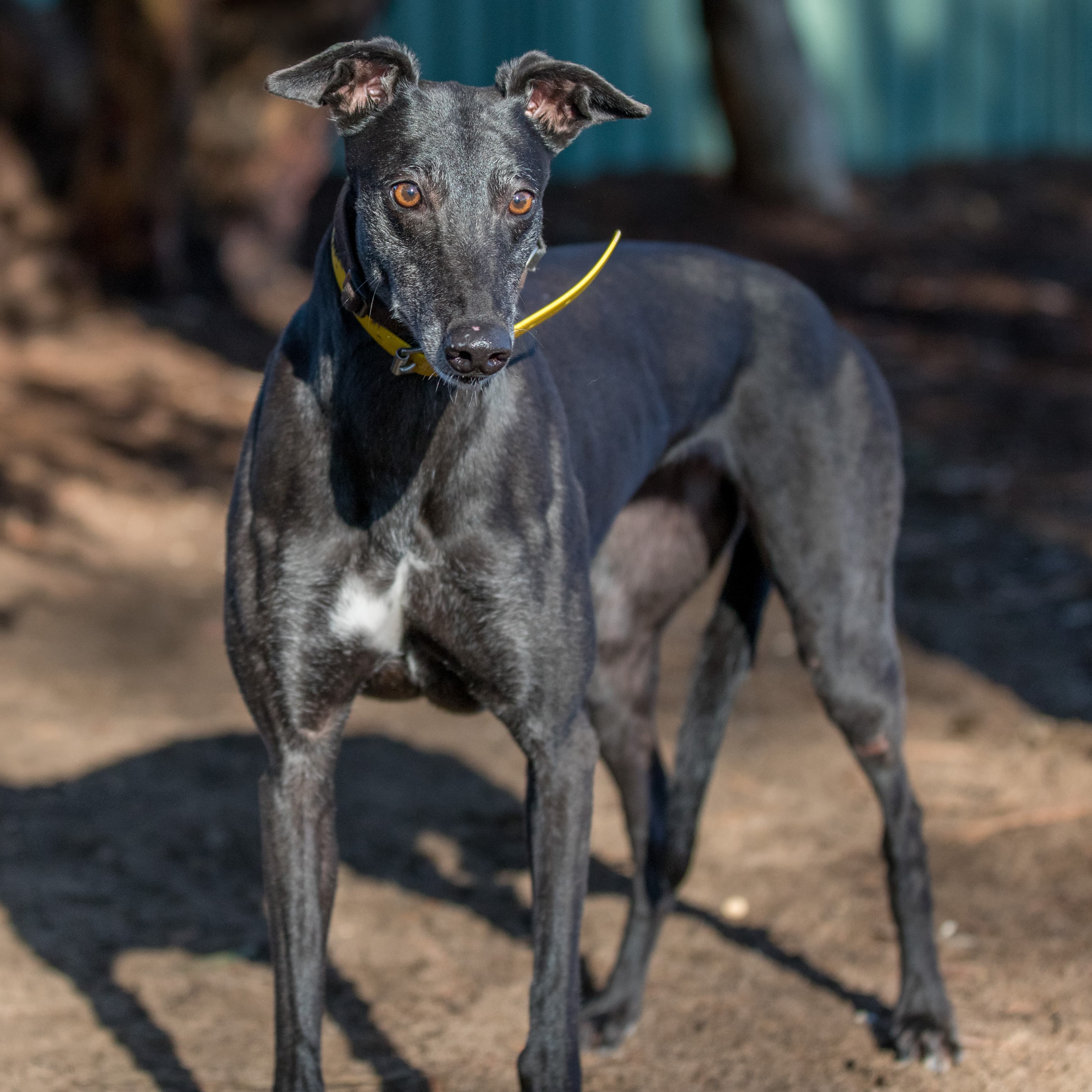
Many low-energy dogs are senior animals who have mellowed with age, but younger dogs of certain breeds are also naturally calm. Bulldogs, Basset Hounds, Shih Tzus, and retired racing Greyhounds are all known for their love of lounging. Greyhounds in particular surprise many people because despite their racing background, they are famously described as 45-mile-per-hour couch potatoes who are content with a couple of short walks and spend most of the day sleeping.
It is important to understand that low energy does not mean no energy. Every dog, regardless of temperament, needs daily walks for physical health and mental stimulation. A low-energy dog typically needs 20 to 40 minutes of moderate exercise per day, such as a couple of leisurely neighbourhood walks. They will not bounce off the walls if you skip a day at the dog park, but they still need routine, engagement, and affection. For many adopters, this balance of companionship without overwhelming exercise demands makes low-energy dogs the perfect match.
Best Low-Energy Dog Breeds in Melbourne Rescues
Some breeds are naturally calm, and several turn up regularly in Melbourne and Victoria rescue. Retired racing Greyhounds are the classic example, famously described as 45-kilometre-per-hour couch potatoes who are content with a couple of short walks and sleep most of the day. Bulldogs, Basset Hounds, Shih Tzus, Pugs and Cavalier King Charles Spaniels are also known for their love of lounging.
Among larger dogs, several gentle giants are surprisingly relaxed for their size, including Mastiffs, Great Danes and Bernese types, which are often happy with moderate walks and plenty of rest. Many senior dogs of any breed have mellowed into low-energy companions, and older dogs are among the most overlooked and rewarding animals in rescue.
As always, the individual dog matters more than the breed, and the energy level noted on each profile comes from the rescue's direct observation rather than a breed stereotype. Mixed-breed dogs can be wonderfully calm too, so trust what the foster carer has actually seen over any generalisation about breeding.
Who Low-Energy Dogs Suit Best
Low-energy dogs are ideal for anyone who wants companionship without the demands of a high-drive dog. Seniors and people with limited mobility appreciate a calm walking partner that does not pull or need hours of exercise. Busy professionals who work regular hours find a settled dog far easier to live with than one that climbs the walls when under-stimulated.
They also suit apartment and unit dwellers, first-time owners finding their feet, and households that simply prefer a gentler pace of life. A calm dog fits around your routine rather than dictating it, and for a lot of people that balance of affection without exhausting exercise demands is exactly what makes dog ownership work.
The honest caveat is that low energy is not the same as no commitment. Even the calmest dog needs daily walks, company, feeding, training and vet care, and it will still want to be part of your life. Choose a low-energy dog because its pace suits yours, not because you are hoping for a dog that looks after itself.
Low Energy vs Unwell: Knowing the Difference
There is an important distinction between a genuinely low-energy dog and a dog that is unwell. A low-energy dog has a naturally calm disposition, enjoys its walks and playtime, and simply prefers to rest between activities. It is bright, engaged and interested in the world, just at a gentler tempo. That is temperament, not a problem.
Lethargy is different. A dog that suddenly becomes flat, uninterested, or reluctant to move may be in pain or unwell with a condition your vet should check, and a marked change in energy is always worth a call to the vet. The dogs listed here are calm by nature or by age, not dogs that are sick, and their energy level reflects the rescue's observation of settled, healthy behaviour.
Once your dog is home, you will learn its normal, and any real change from that baseline is worth watching. Regular vet checkups catch problems early, and keeping your dog at a healthy weight and appropriately active supports both its energy and its long-term health.
Low-Energy Dogs in Apartments and Units
Calm dogs are often the best apartment companions. A low-energy dog that is content to sleep for much of the day, punctuated by a couple of relaxed walks, adapts well to unit living and is far easier on shared walls than a bored, restless dog. Greyhounds in particular are model apartment dogs despite their size, precisely because they are so laid back indoors.
The key, as with any apartment dog, is meeting the exercise and enrichment needs the dog does have, even if they are modest. A short walk twice a day and some gentle engagement keeps a calm dog happy and prevents the boredom-based barking that upsets neighbours. Under-stimulated dogs, even low-energy ones, can develop habits that are hard to live with in a unit.
Check your lease and any strata or body-corporate by-laws before you apply, as pet rules and size limits vary between buildings. Keep your dog on lead in shared areas and be a considerate neighbour, and a calm, quiet dog will rarely cause a ripple in an apartment block.
Exercise and Enrichment for Calm Dogs
A low-energy dog typically thrives on around 20 to 40 minutes of moderate exercise a day, such as a couple of leisurely walks around the neighbourhood. It will not fall apart if you miss a big outing, but a consistent routine of gentle movement keeps it fit, protects its joints and prevents the weight gain that calm dogs are prone to if overfed and under-walked.
Mental enrichment matters just as much as physical exercise, and it is easy to provide. Food puzzles, scent games, gentle training sessions and a good sniff-about on walks tire a dog out in the best way and keep its mind engaged. A dog that gets to use its nose and brain is a contented dog, and this suits calm dogs perfectly.
Watch your dog's weight closely, because a low-energy dog burns fewer calories and can gain weight quickly on too much food or too many treats. Feed to your vet's guidance for a healthy weight, and remember that keeping a calm dog lean is one of the simplest ways to add comfortable years to its life.
Costs, What Is Included and Settling In
Adopting a low-energy dog from a Melbourne or Victoria rescue typically costs a few hundred dollars, and the fee already covers desexing, vaccination, microchipping and a vet check. Many rescues reduce the fee further for senior dogs, and plenty of the calmest dogs are older, so a low-energy dog is often especially good value as well as easy to live with.
Councils in Victoria require dogs to be microchipped and registered, with desexed dogs usually paying a lower registration fee, so keep the paperwork from your rescue and update your details on the microchip registry. Budget for the ongoing basics of quality food, year-round parasite prevention and routine vet care as you would for any dog.
A calm dog usually settles quickly, but give it time and a predictable routine all the same. A comfortable bed in a quiet spot, gentle walks, and a patient first few weeks let a low-energy dog relax into its new home, and most reward you by becoming a devoted, undemanding companion almost at once.
Calmer dogs for a quieter Melbourne home
A lower-energy dog suits people who want a companion for gentle walks and long naps rather than a daily athletic workout. These dogs still need movement to stay healthy, just less of it and at a gentler pace. Short, regular on-lead walks around your neighbourhood, plus some sniffing time in a park, usually keep a calm adult dog content. When you meet a dog through a Melbourne rescue, ask about its typical daily routine in foster care so you can picture how it will fit your own.
Adult and older dogs are often the true low-energy picks, and they arrive already desexed, microchipped and assessed. If you prefer off-lead pottering to hard running, the largely off-lead paths of Yarra Bend Park in Kew suit a relaxed dog well, and you can find gentler local options on the Parks Victoria dog-friendly parks index.
Everyday care and council basics
Even a low-energy dog must be registered with your local council from three months of age, with annual renewal by 10 April. Desexed and microchipped dogs get the reduced fee, which covers essentially every rescue dog. On very hot days, keep exercise light and timed for the cool of the morning or evening, and always have water available. If a normally placid dog suddenly slows down further or seems off, that is worth a conversation with your local vet.
Frequently Asked Questions
Tap a question to expand