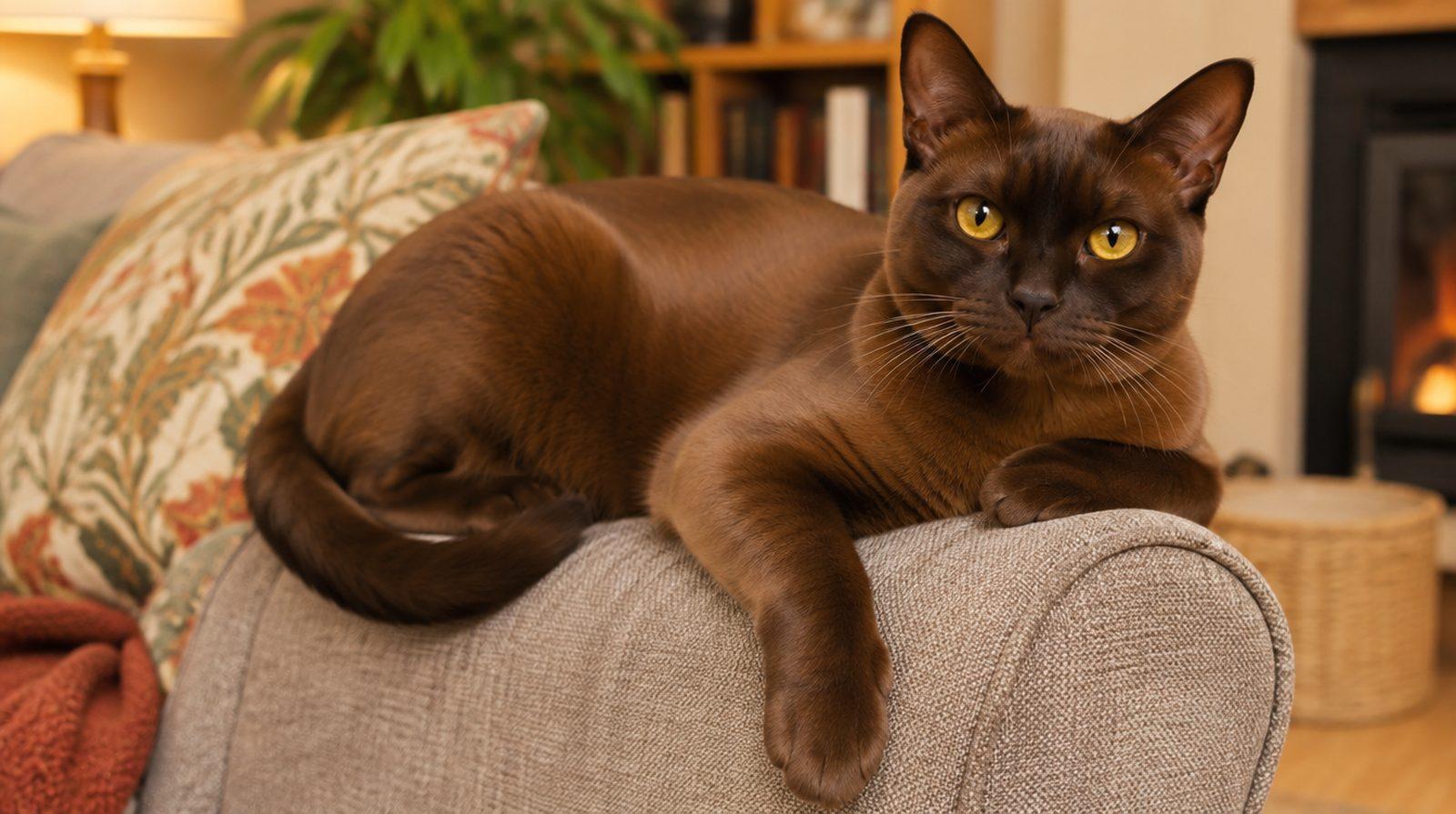
The short answer
List your Burmese free on LocalPetFinder, keep it with you, and choose the home yourself. Look for a household with people home much of the day, keep a bonded pair together, and screen for an indoor or contained setup. Hand over the full vet file with weight and any diabetes history, desex before handover if the cat is not already (in WA it is the law), and charge a modest fee. In NSW, DCH Animal Adoptions offers advice and assistance with purebred cats, including Burmese, needing new homes.
Rehome your Burmese on LocalPetFinder
List free, keep your cat at home until adopted, and choose the new family yourself. Your email stays private.
List your cat free →Why Burmese end up needing a new home
The Cat Fanciers' Association (CFA) sums up the Burmese personality as "people oriented, affectionate", and says they are often called Velcro kitties because they are so physically possessive of their people, following them from room to room and seeking out warm laps. That attachment is the whole appeal of the breed, and it shapes why one may need a new home.
A Burmese whose person dies, falls ill or moves into care is left with a strong bond and nowhere to put it, and the family often has to decide quickly. A household that changes to long days out may find a Burmese lonely and vocal. Then there are the ordinary reasons every cat owner faces: a rental that will not take a cat, an allergy, money, or a relationship ending. None of this means your cat is difficult. A Burmese wanting company is a Burmese behaving as the breed is described.
Pedigree Burmese are uncommon in Australian rescue. When we checked the rescue cat listings we gather from shelters around the country in November 2026, Burmese numbered only a handful and most cats were domestic shorthairs. An honest owner listing for a Burmese stands out.
The right home for a Burmese
Company matters most. Ask how many hours the house is empty on a normal day. Retired people, people who work from home, and families whose schedules overlap can suit the breed well. A second sociable cat can help too, but it is not a substitute for people at home.
Screen for an indoor or contained home. RSPCA Australia says roaming cats are at risk of injury and death from road accidents, fighting and disease. Indoors, a catio, cat-proof fencing or harness walks are reasonable answers.
The CFA notes that Burmese carry a surprising amount of muscle and weight in a compact frame. The right adopter is ready to manage food carefully, because weight matters for this breed in Australia (see below).
Questions to ask every applicant
Ask how many hours the cat would be alone, who lives in the home (children, dogs, other cats), whether they rent and have the landlord's consent, whether the cat will be kept indoors or contained, and how they would manage a long-term condition such as diabetes if it came up. Ask what cats they have lived with before. A person who has had a Burmese, or a similarly people-focused cat, usually knows what they are signing up for.
Watch for resellers and backyard breeders. A pedigree Burmese, especially an undesexed one, draws people who want a cheap cat to sell on or breed from. Pressure to collect today, no interest in the cat's personality or health, no vet they can name, and refusing a home visit or video call are the warning signs. Desex before handover, charge a modest fee and take your time.
If your cat came from a registered breeder, read the purchase contract first. Some ask owners to offer the cat back before rehoming, and the breeder may know a waiting home. ANCATS, the national cat registry, runs a public Check a Member lookup if you need to find or confirm the breeder.
What to disclose honestly
Weight and diabetes history matter for an Australian Burmese. A 2020 University of Sydney study in Scientific Reports says that in Australia and Europe, diabetes mellitus is almost four times more common among Burmese cats than in other breeds, and that the same raised risk has not been seen in North American Burmese, which are genetically distinct. International Cat Care lists the signs as drinking more, passing more urine, eating more and losing weight. It also says diabetes is much more common in desexed and overweight cats. Hand over the current weight, your vet's target weight, the diet, any blood or urine test results, and any diagnosis or insulin routine.
Burmese and related breeds can also have an inherited form of low blood potassium (hypokalaemia). International Cat Care says it is usually first seen in kittens of two to six months and causes episodes of muscle weakness. If your cat has ever been tested or treated for it, or your breeder gave you a DNA result, pass that on. International Cat Care also lists feline orofacial pain syndrome among conditions seen more in Burmese, so mention any history of pawing at the mouth or mouth pain your vet has looked at.
Then the behaviour picture: how the cat follows people, how vocal it is, what it does when left alone, how it is with children, dogs and other cats, and its litter habits. If the cat is bonded to another cat, rehome them together and put "bonded pair" in the first line. If it is grieving a person, say so; adopters handle that better than surprises.
Cat rules that change the handover
The state rules for advertising and microchip transfer are listed further down this page. Some rules apply to cats only. In Western Australia a cat must be sterilised and microchipped before it is sold or given away. In South Australia, cats born after 1 July 2018 must be desexed, and a new owner of an undesexed cat has 28 days from taking possession to have it done (with exemptions for cats of Feline Association of SA or Cat Fancy of SA members and of registered breeders). In Tasmania, the Department of Natural Resources and Environment says a cat sold, given away or rehomed must be desexed and microchipped (exceptions apply) and have had the prescribed health checks.
In the ACT, cats born on or after 1 July 2022 must be contained to the owner's premises 24 hours a day, and all cats must be contained in the declared cat containment suburbs. Elsewhere, many councils set their own curfews or containment rules, so ask the adopter to check theirs. Transfer the microchip through your state or territory's pet registry at the handover.
Where to rehome, and the fee
DCH Animal Adoptions, an all-breed rescue in the Sydney, Wollongong and Central Coast areas of NSW, says on its breed page that it has affiliates in the pedigree cat world, offers advice and assistance with purebred cats needing new homes (it names Burmese), and keeps a wait list of adopters looking for a particular breed; contact it through its website (NSW only). We could not verify a Burmese-only rescue in Australia that says on its own site that it takes owner surrenders, so we do not name one. Your state RSPCA or animal welfare league takes cats by appointment when it has space; see the state guides. Animal Welfare League SA has paused new rehoming requests. Your cat's breeder is often the best first call.
As a reference, not a quote: RSPCA NSW lists $220 to adopt a cat over six months, RSPCA Victoria $145 to $400 for an adult cat, and Cat Haven in WA $195 for a cat aged one to five (all read on their own pages on 20 November 2026). Geelong Animal Welfare Society listed a $300 special-breed adult cat fee that names the Burmese (read 13 November 2026). We found no published Australian price for the breed, so we do not quote one. For a private rehoming, a modest fee filters out resellers better than a free listing; the screening matters more than the figure.
New to rehoming? Start with our step-by-step guide to rehoming a cat for free, our guide to screening adopters, and the reasons a modest fee beats free to good home.
How rehoming your Burmese on LocalPetFinder works
- List for free. Add up to five photos, with the first as the cover, and describe your cat honestly: age, health, how they are with children, dogs and cats, and what kind of home suits them. There is no listing fee.
- We review it. Every listing is checked before it goes live, usually within 24 to 48 hours.
- Adopters contact you privately. Your email address is never shown on the listing. Enquiries reach you through the site, and you choose who to reply to.
- You choose the family. Your cat stays with you while you screen applicants, meet them and decide. When your cat has gone to their new home, mark the listing adopted using the link in the email we send when your listing goes live.
What the law asks of you, by state
Rehoming a Burmese is legal everywhere in Australia, but each state and territory sets its own rules for advertising a pet and passing it on, even for free. In every state, transfer the microchip registration to the new owner at the handover.
New South Wales
Since 1 July 2019, every ad to sell or give away a cat or dog must include an identification number: the microchip number, a breeder identification number or a rehoming organisation number. Transfer the microchip through the NSW Pet Registry.
Victoria
An ad to sell or give away a dog or cat must show the animal’s microchip number and a Pet Exchange Register source number. It is an offence to advertise without both.
Australian Capital Territory
Anyone rehoming a cat or dog, even for free, must include the microchip number plus an identifier for the advertiser (such as their name) in the ad, or a breeding licence number.
Queensland
Giving away, selling or advertising a dog born on or after 26 May 2017 needs a supply number. This applies to dogs only, not cats.
Western Australia
A cat must be microchipped and sterilised before it is sold or given away (or come with a prepaid sterilisation voucher if it is too young), and a dog must be microchipped before it is transferred.
South Australia
Giving a pet away free needs no breeder registration. Anyone breeding dogs or cats to sell, including after an accidental litter, must register with Dogs and Cats Online and show the number in ads.
Tasmania
Under the Cat Management Act 2009, giving a cat away counts as selling it. The cat must be at least 8 weeks old, microchipped, desexed (unless it goes to a registered breeder or permit holder) and have passed the prescribed health checks.
The Northern Territory has no territory-wide rule we could confirm; check with your council. Each state guide linked above has the detail and the official sources.
Scam rules to follow
- Meet anyone interested in person, or at least on a video call, before you agree to anything.
- Never send your cat anywhere before you have met the new owner, and never pay for transport, crates or “insurance” on a stranger's behalf.
- Never accept an overpayment or refund the difference. That is a common scam pattern.
- Keep the conversation on the site until you have decided someone is genuine.
Our rehoming safety guide covers the warning signs in more detail.
Looking to adopt a Burmese instead?
Browse Burmeses available for adoption from rescues and owners across Australia.
See adoptable Burmeses →Frequently asked questions
Is it hard to rehome a Burmese?+
It depends on the cat, but Burmese are a small share of the rescue cats listed in Australia, so an owner listing stands out. The harder part is finding a home with enough company. Screen for people who are home much of the day and who want a cat that follows them around.
Do Burmese cats get diabetes?+
They are at higher risk in Australia. A 2020 University of Sydney study says diabetes is almost four times more common in Burmese than in other breeds in Australia and Europe. Hand the adopter the cat's weight, diet and any test results, and tell them to keep regular vet checks.
Can I rehome my two Burmese separately?+
If they are bonded, keep them together. Cats that sleep together, groom each other and call for each other when apart are best rehomed as a pair. Say "bonded pair" at the top of the listing and offer one combined fee.
Should I give my Burmese away for free?+
No. A free pedigree cat attracts resellers and backyard breeders. Charge a modest fee, desex the cat before handover if it is not already, and meet the adopter before you agree.
My mother has died and her Burmese needs a home. Where do I start?+
Gather the vet records, note the cat's routine and food, and take a few honest photos. Call the breeder if you know who it is, and contact DCH Animal Adoptions if you are in NSW. List the cat on LocalPetFinder at the same time, and tell adopters the cat is grieving so they give it time to settle.
Can I rehome an older Burmese?+
Yes. A settled adult or senior Burmese suits quiet households that want a companion. Be upfront about age, weight, any diabetes or dental history and medication, and allow a little longer for the search.
How do I rehome my Burmese for free?+
List your Burmese on LocalPetFinder at no cost. Keep the cat at home, screen for a household with company and a contained setup, meet the adopter, and transfer the microchip through your state or territory's pet registry at the handover, with the vet records and any pedigree papers.
Related guides
Rehoming a Ragdoll anywhere in Australia? Screen for a contained home, disclose heart history, avoid resellers, and list free with LocalPetFinder.
Rehoming a Maine Coon anywhere in Australia? Screen for a home ready for a big cat, disclose heart history, avoid resellers, and list free.
Rehoming a Siamese anywhere in Australia? Be honest about the voice, keep bonded pairs together, screen for company at home, and list free.
Every guide on rehoming a dog or cat in Australia, plus how to list for free.
Sources
- Cat Fanciers' Association: Burmese
- Samaha et al. 2020, Scientific Reports (University of Sydney): diabetes in Burmese cats
- International Cat Care: diabetes mellitus in cats
- International Cat Care: hypokalaemia in cats
- International Cat Care: inherited disorders in cats
- RSPCA Australia: Keeping cats safe at home
- DCH Animal Adoptions: breed rescue
- Dog and Cat Management Board (SA): cat desexing
- NRE Tasmania: breeding, selling and buying cats
- ACT Government: cats
- RSPCA NSW: adoption fees
- RSPCA Victoria: the adoption process
- Cat Haven: adopt
- ANCATS
Rehoming guides for your state
Surrender options, the local law and the help that lets you keep your pet are different in every state, territory and in New Zealand. Each guide covers the shelters, the rules and the owner-to-owner route where you live.