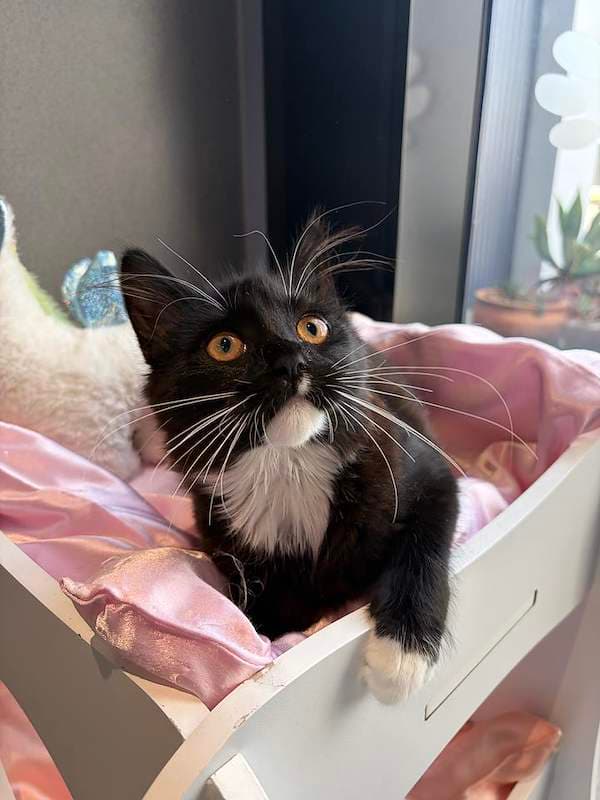
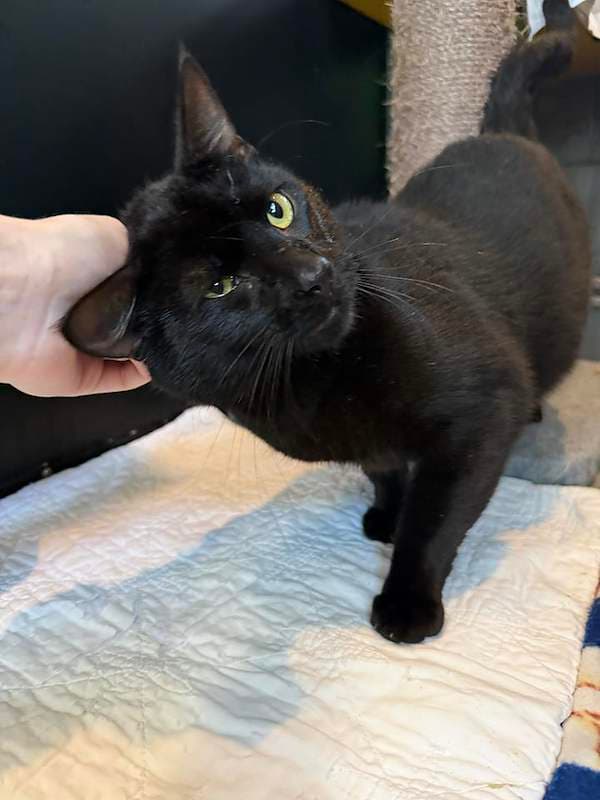
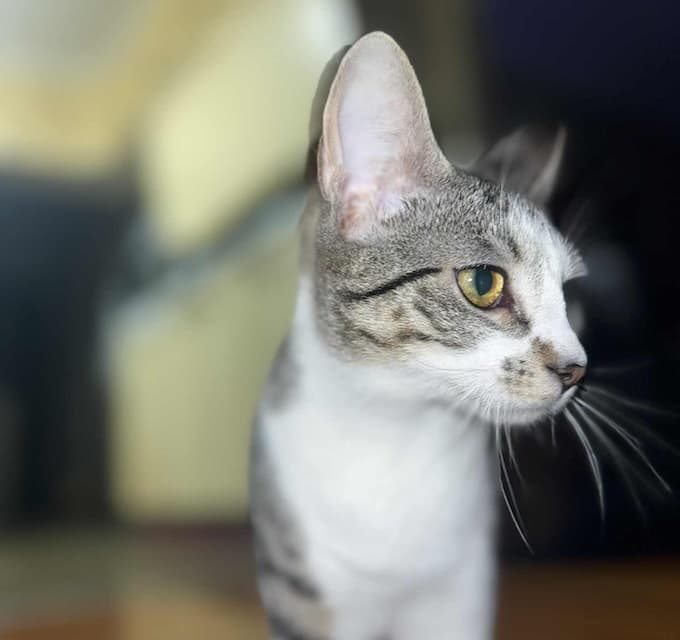
Callie
1 year • Domestic Short Hair
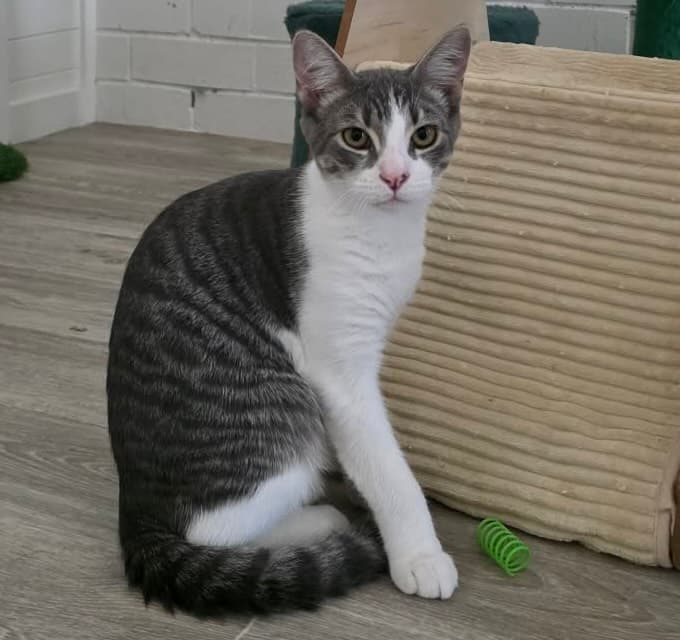
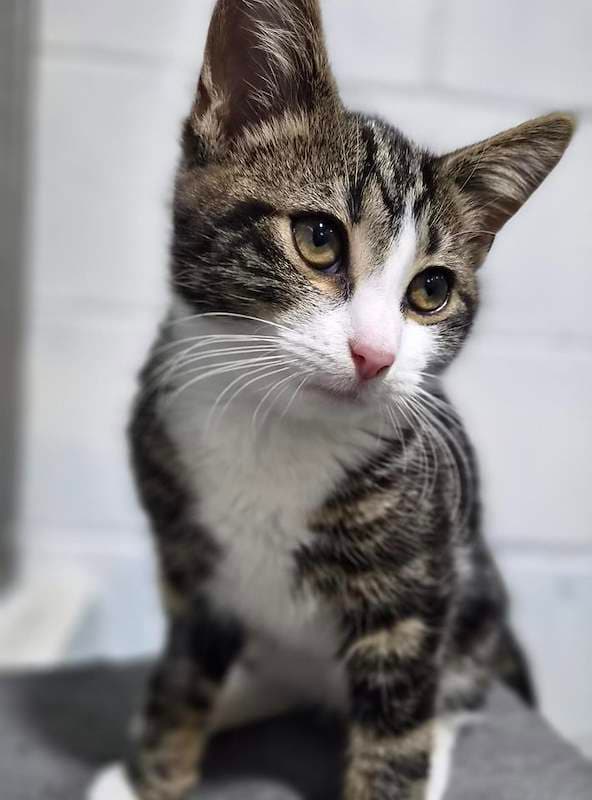
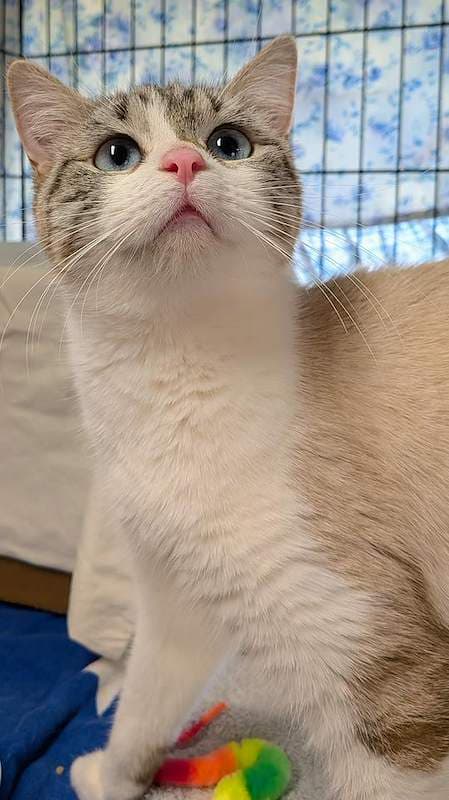
Get notified about new cats in Queensland
We will email you when new rescue cats become available across Queensland, so you can be among the first to meet them.
Kitten adoption in Queensland is highly competitive. Kittens are often listed and adopted within days, especially during the warmer months when kitten season peaks. The cats below are typically under 12 months old and are sourced from Queensland and Queensland cat rescues. All have started vaccinations and most are desexed before adoption.
Adopting a kitten is rewarding but a real commitment. Plan for 15+ years of care, multiple vet visits in the first year, and the energy that comes with a young cat. Kittens climb, chew, and play hard. Two kittens adopted together actually settle faster and entertain each other better than a single kitten alone, which is why many rescues offer pair discounts.
Queensland kitten adoption fees typically run $235 to $425, including desexing, first vaccinations, worming, microchipping, and a vet check. Listings update regularly. If you do not see one you love, check back tomorrow. New kittens come in constantly during the warmer months.
What to Expect in Your Kitten's First Year
Kittens grow fast, and the cat you bring home changes almost weekly. In the first few months they are all instinct and energy, learning to hunt, pounce, and climb by practising on everything in reach. By around six months most kittens have settled into a recognisable personality, though the playful, boisterous phase continues well into their second year. Understanding these stages helps you set realistic expectations rather than being surprised when a sweet ten-week-old turns into a furniture-scaling teenager.
Expect real energy. A healthy kitten will sprint, wrestle, and get the zoomies at unpredictable hours, often early morning or late at night. This is normal and passes as they mature, but it means the first year rewards households that can offer plenty of interactive play. Short, frequent play sessions with a wand toy tire a kitten out far more effectively than leaving them alone with a basket of toys, and a tired kitten sleeps through the night more reliably.
The first year also carries the heaviest vet schedule of a cat's life. Kittens need a course of vaccinations spaced a few weeks apart, worming and flea treatment, and a desexing procedure if the rescue has not already done it before adoption. Most Queensland and Queensland rescues desex before rehoming, but always confirm what has been done and what is still due. Booking in with your local vet early means you have a professional who knows your kitten from the start.
Nutrition matters more in this stage than at any other. Growing kittens need food formulated for their life stage, fed more frequently than an adult cat, because their small stomachs cannot hold a full day's energy in one sitting. Your vet can advise on portions and how to transition to adult food as your kitten approaches twelve months. Getting the foundation right in year one sets up fifteen or more years of good health.
Kitten-Proofing Your Home
A curious kitten treats your home as a playground and an obstacle course, so a little preparation prevents most accidents. Before your kitten arrives, walk through each room at their eye level and look for hazards. Loose cords, dangling blind pulls, small objects that could be swallowed, and gaps behind appliances where a kitten might hide or get stuck are the usual culprits. Securing or removing these early is far easier than chasing a kitten out of trouble later.
Kittens chew and bat at almost anything, which makes some common household items genuinely dangerous. Many indoor plants are toxic to cats, and lilies in particular are extremely dangerous, so check any greenery before bringing a kitten home. Keep medications, cleaning products, and human foods that are unsafe for cats well out of reach. If you are ever unsure whether something has been eaten, call your vet rather than waiting to see what happens.
The essential supplies are straightforward: a litter tray placed somewhere quiet and easy to reach, a scratching post so your kitten learns where it is acceptable to scratch, food and water bowls kept apart from the litter, and a few safe toys. A cat carrier is worth buying before adoption day so the trip home is calm and secure. A tall cat tree or some vertical climbing space gives a kitten a legitimate outlet for the urge to climb and a safe perch to survey the room.
Because Queensland rescues rehome kittens as indoor or contained cats, your home is their whole world, so enrichment is part of proofing it. A window perch, a rotating selection of toys, and a couple of cardboard boxes go a long way. Give your kitten a small, quiet room to settle into for the first few days rather than the run of the whole house, then expand their territory gradually as their confidence grows.
The Real Cost of Raising a Kitten
The adoption fee is the smallest part of owning a cat, but it is also the best value. A Queensland kitten adoption fee, usually $235 to $425, already covers desexing, the first vaccinations, worming, microchipping, and a vet check. Buying a kitten privately with none of that done typically costs far more and leaves those procedures still ahead of you. Adoption front-loads the veterinary work into one modest fee.
Beyond adoption, budget for the setup: a litter tray and litter, food bowls, a scratching post, a carrier, a bed, and some toys. These are mostly one-off purchases that last for years. The ongoing costs are food, litter, flea and worm prevention, and annual vet checkups. A young cat is generally cheap to run once the first year of vaccinations is behind you, so the main variable is how much you choose to spend on food and extras.
The first year does cost more than later years because of the vaccination course and, if not already done, desexing. After that, a healthy indoor cat mostly needs an annual checkup and routine parasite prevention. Setting aside a small amount each month, or taking out pet insurance while your kitten is young and has no pre-existing conditions, spreads the cost of the occasional unexpected vet visit and takes the sting out of emergencies.
Think of the total commitment across the cat's whole life rather than just the upfront fee. A kitten adopted today may be with you for fifteen or twenty years, and the costs of food, litter, and routine care add up steadily over that time. It is a modest ongoing expense for most households, but it is a genuine one, and going in with clear eyes is part of being a good adopter.
One Kitten or Two? The Case for Pairs
It sounds counterintuitive, but for most households two kittens are easier than one. A single kitten has enormous energy and no natural outlet for it during the hours you are at work or asleep, which is when the furniture-climbing and midnight zoomies tend to happen. Two kittens burn that energy on each other, wrestling and chasing until they collapse together for a nap, which usually means less destruction and fewer demands on you.
Kittens also learn important social skills from each other. Play-fighting with a sibling teaches bite inhibition and boundaries in a way a human hand cannot, so paired kittens are often better mannered as adults. They comfort each other during the stressful first days in a new home, settle faster, and are less prone to the loneliness and attention-seeking behaviour that single kittens in busy households can develop.
The extra cost of a second kitten is smaller than people expect. Many Queensland and Queensland rescues actively encourage pair adoption and offer a reduced fee for two, and the marginal running cost is mostly a little more food and an extra litter tray. You still need the rule-of-thumb one litter tray per cat plus one spare, and separate feeding spots, but two cats do not need double the space or double your attention.
A pair is not right for everyone, and a single kitten can absolutely thrive with an engaged owner who offers plenty of play. But if you both work full time, or you simply want your kitten to have company, adopting two together is one of the kindest and most practical choices you can make. If you already have a calm resident cat, that companion can serve a similar role for a single new kitten introduced slowly.
Litter Training and Early Socialisation
The good news about litter training is that kittens are hardwired for it, and most arrive already using a tray reliably. Cats instinctively bury their waste, so your job is mainly to provide an appropriate tray, keep it clean, and place it somewhere quiet and easy to reach. Use a low-sided tray a young kitten can climb into, keep it away from food and water, and scoop daily. Accidents in the first days are usually about a tray that is hard to find, not a training failure.
If a previously reliable kitten starts having accidents, resist the urge to scold. Cats do not connect punishment with the act, and stress only makes toileting problems worse. Sudden changes in toilet habits can also signal a health issue, so a kitten that strains, cries in the tray, or stops using it is worth a call to your vet. Rule out medical causes first, then look at whether the tray is clean, quiet, and welcoming.
Socialisation is the other great gift you give a young kitten. The early months are when a kitten learns what is normal and safe, so gentle, positive exposure to handling, household sounds, visitors, and the cat carrier pays off for life. Let your kitten approach new things at their own pace, reward calm curiosity with treats and praise, and never force an interaction. A well-socialised kitten grows into a confident, easygoing adult.
Handling every day, especially of paws, ears, and mouth, makes future grooming, nail trims, and vet visits far less stressful. Practise short, calm carrier trips so the carrier becomes ordinary rather than a signal of something scary. If children are part of the household, teach them to sit quietly and let the kitten come to them, and to respect the kitten's signals when it wants to stop. Kind, consistent early experiences are the foundation of a friendly cat.
Bringing Your Kitten Home
The trip home sets the tone, so keep it calm. Bring your kitten home in a secure carrier rather than loose in the car or in your arms, and drive gently and quietly. A carrier feels enclosed and safe to a nervous kitten, and it is also the responsible way to travel. Have the carrier ready before adoption day so the whole process is smooth from the moment you collect your new cat.
Resist the urge to give a new kitten the run of the whole house on day one. A single quiet room with a litter tray, food and water, a bed, and somewhere to hide is far less overwhelming than an entire home, and it lets the kitten build confidence in a small, manageable space. Sit with it quietly, let it approach you, and do not force interaction while it is finding its feet.
Expect a settling-in period of anything from a few days to a couple of weeks. Some kittens bounce out of the carrier ready to explore, while others hide under the bed at first, and both are normal. As your kitten grows bolder, open up the rest of the house gradually rather than all at once, so each new area is a manageable step rather than a flood of new territory.
Keep the early days low-key. Hold off on visitors, loud gatherings, and big changes while your kitten adjusts, and keep feeding times and the litter tray consistent so the world feels predictable. If you have other pets, introduce them slowly and under supervision rather than face to face on the first day. A patient, gentle start builds the trust that turns a wary kitten into a confident, affectionate cat.
Kitten Adoption FAQ
Tap a question to expand