← Back to All Cats

Hypoallergenic Cats for Adoption in New South Wales

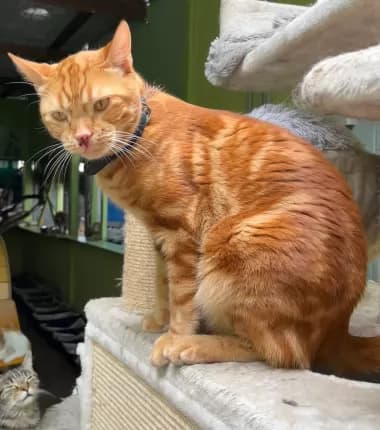
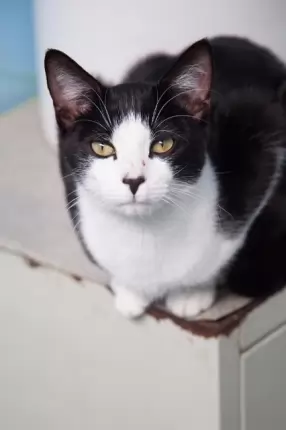
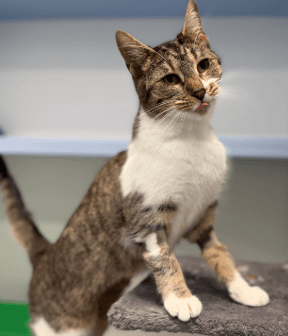
5 hypoallergenic-leaning cats currently available

The honest disclaimer: no cat is 100 percent hypoallergenic. All cats produce some Fel d 1, the protein in their saliva and skin oil that triggers most cat allergies. But certain breeds produce notably less of it, making them tolerable for many mild-to-moderate allergy sufferers. The cats below come from those breeds.

The hypoallergenic cat breeds are typically Sphynx (no fur to trap dander), Russian Blue, Siberian (despite being long-haired, produces low Fel d 1), Bengal, Balinese, Cornish Rex, Devon Rex, and Oriental Shorthair. People with mild allergies often live comfortably with these breeds, especially with weekly cleaning, HEPA air filters, and washing the cat's bedding regularly.

Before you adopt, spend an hour or two with the specific cat in person before committing. Allergic reactions vary by individual cat, not just breed, and a brief test confirms tolerance better than any breed reputation.

Showing 5 cats

Understanding Cat Allergies and Fel d 1

Most cat allergies are not actually a reaction to cat hair, which is the common misunderstanding. The real culprit is a protein called Fel d 1, produced mainly in a cat's saliva and skin oils. When a cat grooms itself, it spreads this protein onto its coat, where it dries, flakes off with the dander, and drifts into the air and onto surfaces around your home. That is what triggers sneezing, itchy eyes, and other allergy symptoms.

Because the allergen rides on dander rather than living in the hair itself, coat length is a poor guide to how allergenic a cat will be. This is why the Siberian, a large long-haired breed, is often recommended for allergy sufferers: it simply produces less Fel d 1 than average. It also explains why a hairless Sphynx is not automatically allergy-free, since it still produces the protein even without a coat to spread it on.

Every cat produces some Fel d 1, so the honest starting point is that no cat is completely hypoallergenic, whatever a breeder or advert might claim. The amount produced varies from breed to breed and, importantly, from individual to individual. Some cats within a low-allergen breed still produce enough to affect a sensitive person, while some ordinary moggies happen to produce very little.

What this means practically is that breed is a useful filter but not a guarantee. Choosing from lower-Fel d 1 breeds improves your odds of living comfortably with a cat, but the only reliable test is your own reaction to the specific animal. That is why spending real time with an individual cat before you adopt matters more than any breed reputation, a point we come back to below.

The Lower-Allergen Breeds Explained

A handful of breeds have earned a reputation for producing less Fel d 1, and they are worth knowing if allergies are a real concern. The Sphynx is the most obvious, because with no coat there is nowhere for dander to accumulate, though the cat still needs regular bathing to manage the oils on its skin. The Russian Blue is one of the most frequently recommended low-allergen breeds and comes with a plush coat and a gentle, reserved temperament.

The Siberian surprises people because it is a large, long-haired cat, yet it consistently ranks as a low Fel d 1 producer and is a favourite among allergy sufferers who also want a fluffy companion. The Balinese, sometimes called the long-haired Siamese, has a similar reputation. Among the short-haired options, the Bengal and the Oriental Shorthair are often cited, along with the closely related Cornish Rex and Devon Rex, whose fine, sparse coats shed very little.

These breeds turn up in rescue as pedigrees and, more often, as mixes that carry the relevant traits, so you do not need to go to a breeder to find a lower-allergen cat. A Russian Blue cross or a Rex mix can carry much of the benefit at a fraction of the cost, fully vetted through a rescue. The listings here focus on cats from these lower-allergen backgrounds.

It is worth repeating that lower-allergen does not mean allergen-free, and individual variation within a breed is significant. A particular Russian Blue might still set off a sensitive person, while another cat of the same breed causes no reaction at all. Use the breed as a shortlist, then let your own response to the individual cat make the final decision.

Reducing Allergens in Your Home

Even with a lower-allergen breed, a few household habits make a big difference to how comfortably you live with a cat. The most effective single step is a good HEPA air filter in the rooms where you spend the most time, since it captures the airborne dander that carries Fel d 1. Running one in the bedroom in particular helps you sleep without symptoms.

Keeping the allergen load down around the house is mostly about routine cleaning. Wash the cat's bedding regularly, vacuum with a machine that has a HEPA filter, and wipe down hard surfaces where dander settles. Soft furnishings hold onto allergen, so easy-clean surfaces and washable covers help, and a cat-free bedroom gives you at least one low-allergen space to retreat to.

Managing the cat itself also reduces the allergen it spreads. Regular grooming, ideally done by someone in the household who is not allergic, removes loose dander before it drifts around the home. Some owners wipe the cat down with a damp cloth between grooms. There are also commercial cat foods designed to bind salivary Fel d 1, which can lower the allergen a cat produces, and your vet can advise whether one is worth trying.

Stacking several of these measures together works better than relying on any one. A lower-allergen cat, plus HEPA filtration, plus regular cleaning and grooming, plus a cat-free bedroom, is often enough to let a mild-to-moderate allergy sufferer live happily with a cat. If your allergies are severe, though, talk to your own doctor before adopting, because no amount of household management substitutes for medical advice on your particular case.

Testing Your Tolerance Before You Adopt

The most important step in adopting when you have allergies is also the simplest: spend real time with the specific cat before you commit. Because allergen production varies so much between individuals, the only way to know how you will react to a particular cat is to be around it. Visit the cat at its rescue or foster home, and plan to stay at least an hour rather than a quick pat.

During the visit, interact properly. Pat and hold the cat, let it rub against your hands and face, and spend time in the same room breathing the same air rather than keeping your distance. Allergic reactions usually show up within about half an hour, so a decent visit gives you a genuine read on your tolerance for this individual animal, which is exactly the information you need.

If a single visit goes well but you want to be sure, ask the rescue whether they will arrange a second visit or a short trial. Many rescues understand the allergy question and will work with you, because a placement that fails because of allergies helps no one, least of all the cat. A staged approach, with more than one visit, gives both you and the cat the best chance of a lasting match.

Be honest with yourself about the result. If you react noticeably even to a low-allergen cat, it is far kinder to walk away before adopting than to bring a cat home and have to return it when the symptoms prove unmanageable. Testing your tolerance in advance protects the cat from another disruptive move and protects you from an impossible situation, which is why every reputable rescue encourages it.

Living Comfortably With a Cat and Allergies

Plenty of people with mild-to-moderate cat allergies share their homes with cats very happily, so a diagnosis is not automatically the end of the dream. The key is going in with a realistic plan rather than hoping the problem will simply not materialise. A lower-allergen cat you have tested your reaction to, combined with sensible household management, is a workable setup for many allergy sufferers.

Consistency is what makes it sustainable. The cleaning, grooming, and filtration routines only help if they become habits rather than one-off efforts, so build them into your week from the start. The households that struggle are usually the ones that let the routines slip, allowing dander to build up again, rather than the ones that chose the wrong cat.

Keep an eye on how your symptoms track over time, because some people find they gradually acclimatise to their own cat, while others find a particular cat remains a problem no matter what. If your symptoms are worsening or interfering with daily life, that is a conversation for your own doctor, who can advise on treatment and whether living with a cat remains sensible for you.

The care and cost of a lower-allergen cat are otherwise the same as any other rescue cat. The adoption fee, typically $100 to $250 for an adult, still covers desexing, vaccination, microchipping, and a FIV check, and the ongoing costs of food, litter, and vet care are unchanged. You are simply adding some allergen-management habits on top of ordinary, responsible cat ownership.

Common Myths About Hypoallergenic Cats

The most persistent myth is that some cats are completely hypoallergenic. None are. Every cat produces the Fel d 1 protein that triggers cat allergies, so any advert or breeder promising a fully allergy-free cat is overselling. What actually exists is a spread, with some breeds and some individual cats producing notably less than others, and that lower level is enough to make many cats tolerable for mild-to-moderate sufferers, but not a guarantee of zero reaction.

A related myth is that short-haired or hairless cats are automatically safe while long-haired cats are not. Because the allergen lives on dander from saliva and skin oils rather than in the hair itself, coat length is a weak predictor. That is exactly why a long-haired Siberian is a classic recommendation for allergy sufferers, while a hairless Sphynx still produces the protein. Judge a cat by its individual allergen production, not the length of its coat.

People also assume that if they react to one cat, they will react to all cats equally. In fact, individual cats within the same breed vary considerably, and a person who struggles with one cat may be perfectly comfortable with another. This is the whole reason spending time with a specific cat before adopting matters so much, and it is genuinely good news, because it means an allergy diagnosis does not automatically close the door on cat ownership.

Finally, there is the belief that managing a cat allergy is all or nothing. In reality, stacking sensible measures, a lower-allergen cat you have tested your reaction to, HEPA filtration, regular cleaning and grooming, and a cat-free bedroom, lets many allergy sufferers live happily with a cat. If your allergies are severe, that is a conversation for your own doctor, but for milder cases the practical toolkit is real and effective.

Hypoallergenic Cat FAQ

Are any cats truly hypoallergenic?

No, every cat produces some Fel d 1 allergen. But Sphynx, Russian Blue, Bengal, Siamese, Siberian, Cornish and Devon Rex, and Balinese produce noticeably less than average breeds. Many mild-to-moderate allergy sufferers tolerate these breeds well.

Which cat breed is best for allergies?

It varies by person. Sphynx are most often recommended (no fur means no dander trap). Russian Blue is the most common low Fel d 1 recommendation. Siberian is surprising, long-haired but very low allergen production. Bengal and Siamese are good short-haired options.

Can I lower allergens from a regular cat?

Yes, partially. Daily brushing (by a non-allergic person), HEPA air filters, washing pet bedding weekly, and keeping the cat out of the bedroom help significantly. There are also commercial cat foods (such as Purina LiveClear) that bind salivary Fel d 1 and reduce allergen levels by around 50 percent.

How can I test if I am allergic to a specific cat?

Visit the cat at the rescue or foster home for at least an hour. Pat, hold, and let them rub against your face. Allergic reactions usually appear within 30 minutes, and if you do not react, you are likely fine with this individual. Some rescues will arrange multi-visit trials before finalising adoption.

Are hairless cats like the Sphynx allergy-free?

No, a Sphynx is not allergy-free, though it can be lower-allergen than average. Cat allergies are triggered by the Fel d 1 protein in saliva and skin oils, not by hair, so a hairless cat still produces the allergen even without a coat to spread it on. What helps is that there is no fur for dander to accumulate in, but a Sphynx needs regular bathing to manage the oils on its skin. Test your own reaction to the individual cat before assuming you will tolerate it.

Does a special diet actually reduce cat allergens?

Some commercial cat foods are designed to bind salivary Fel d 1 and can lower the amount of allergen a cat spreads onto its coat, and several owners find they help as part of a wider plan. They are not a cure and work best combined with HEPA air filtration, regular cleaning, and grooming. Ask your vet whether one of these diets is suitable for your cat before switching, since any food change should be made gradually and with your vet's input.

Should I adopt a cat if my allergies are severe?

If your allergies are severe, talk to your own doctor before adopting rather than relying on breed reputation or household measures. Lower-allergen breeds and good management help mild-to-moderate sufferers, but no amount of filtering, cleaning, or grooming substitutes for medical advice on your particular case. It is far kinder to the cat to establish in advance that you can live together than to adopt and have to return it, so a careful, honest approach protects everyone.

Are these hypoallergenic cats for sale in New South Wales?

Not for sale, for adoption, which is usually the better deal. Every cat here comes from a New South Wales or New South Wales rescue, not a breeder or classified seller, and the adoption fee already includes desexing, vaccination, microchipping and a FIV check. That fee is generally $100 to $250 for an adult and $150 to $300 for a kitten, against far more from a breeder with none of the vet work done. If you searched "hypoallergenic cats for sale new south wales", adopting gets you a vetted cat for a fraction of the price.

Where can I find free hypoallergenic cats for adoption near me in New South Wales?

Truly free cats are rare, and a "free cat near me" or "free kitten" advert is more often a warning sign than a bargain: unvetted, or a scam the ACCC Scamwatch has documented. A rescue cat is not free but it is inexpensive and safe. The adoption fee, usually $100 to $250, already covers desexing, vaccination, microchipping and a FIV check, which would cost far more separately, and some senior or long-waiting cats have reduced fees. Browse the hypoallergenic cats above from rescues across New South Wales and New South Wales.

Where can I find hypoallergenic cats for adoption near me in New South Wales?

LocalPetFinder lists hypoallergenic cats available for adoption from cat rescues across New South Wales and New South Wales. Listings update regularly, so browse the hypoallergenic cats above and apply directly through the rescue.