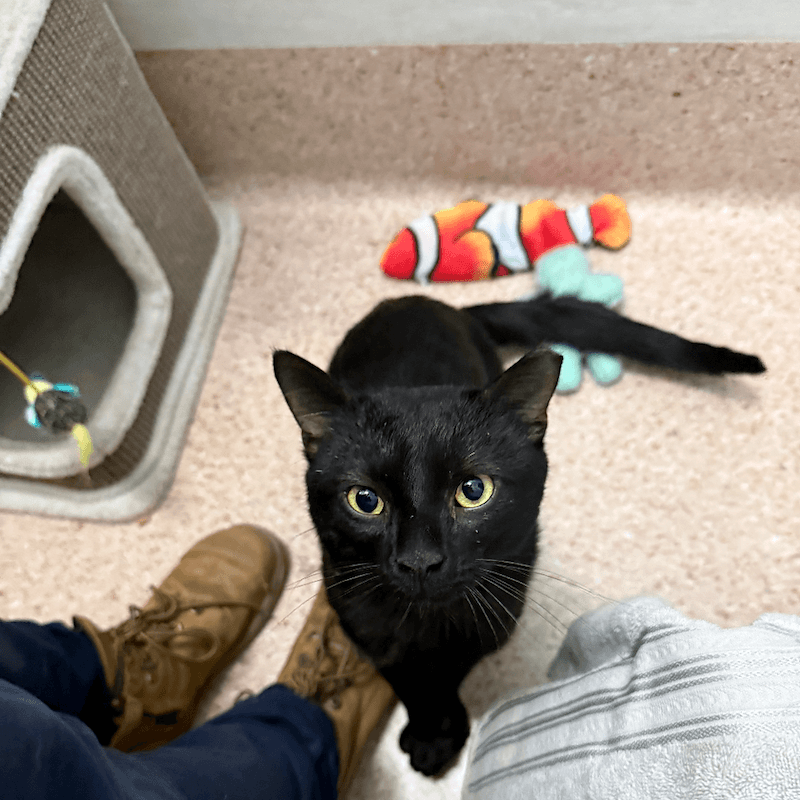
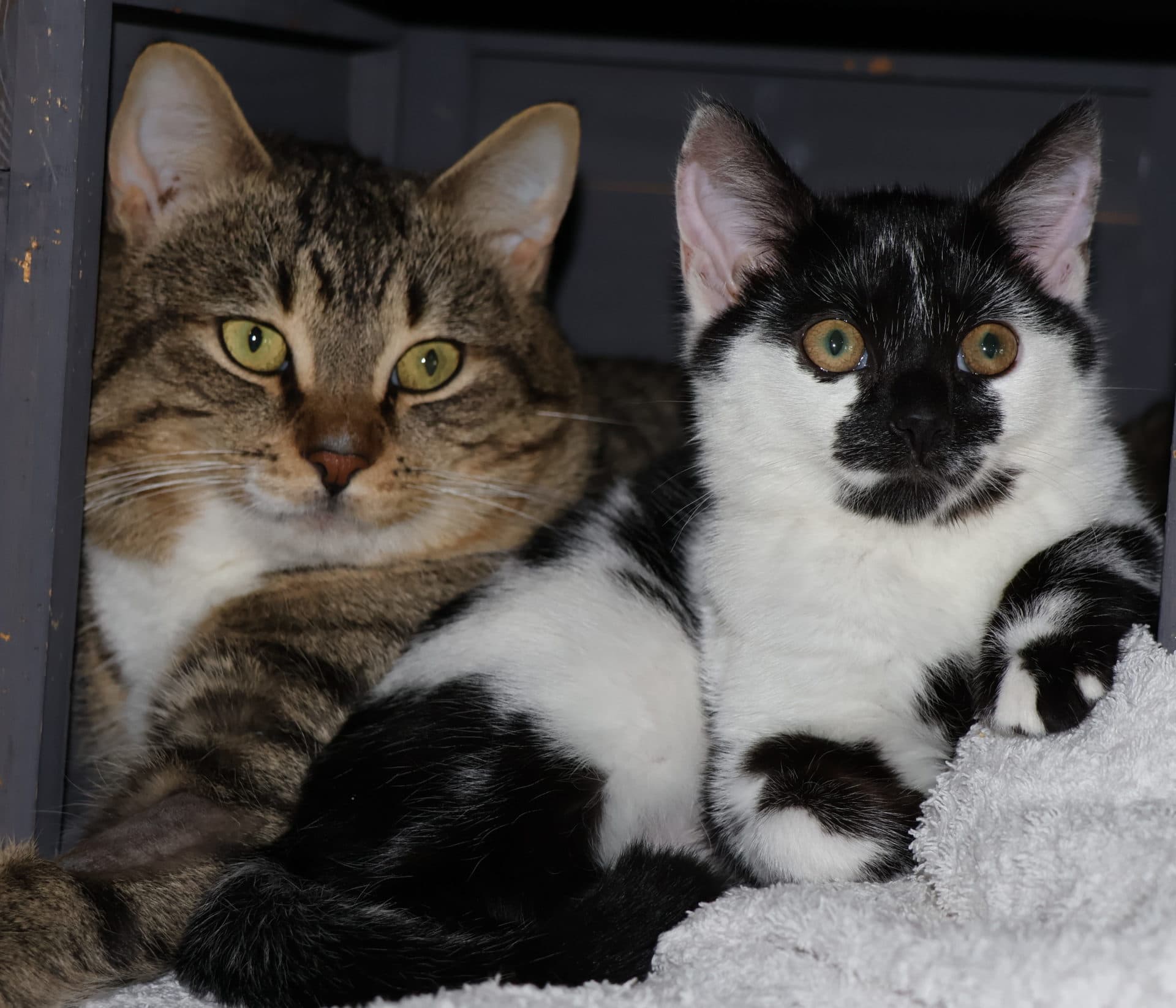
Chip and Magpie - The Odd Couple
1 year 10 months • DSH
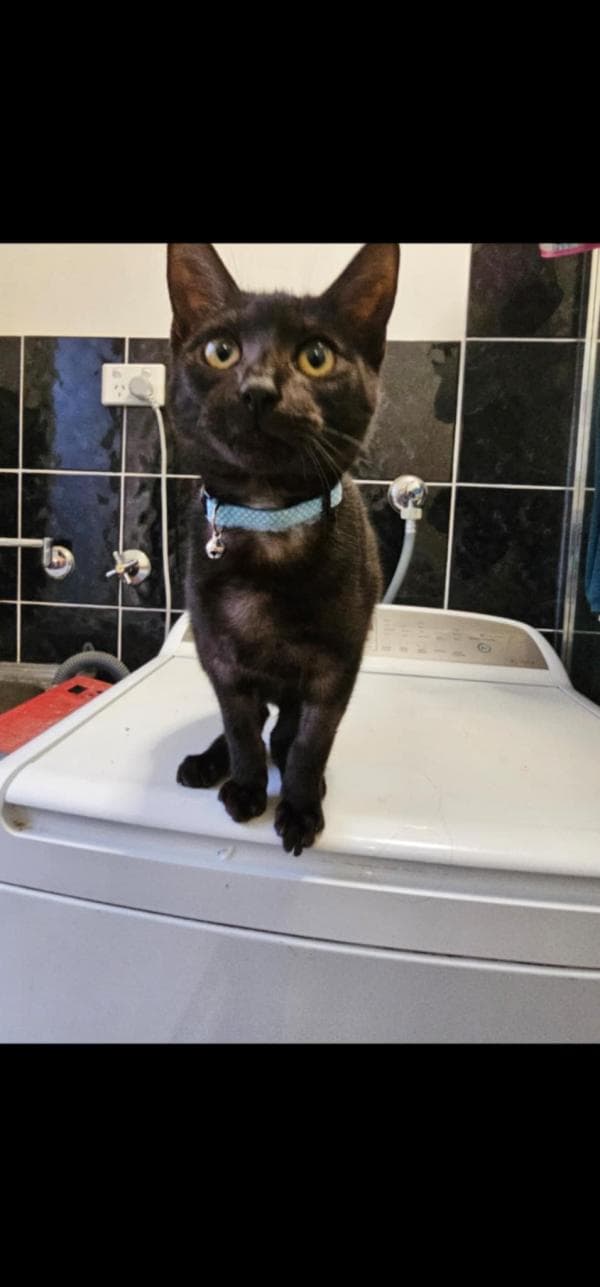
Cinnabon
2.5 years • Domestic Shorthair
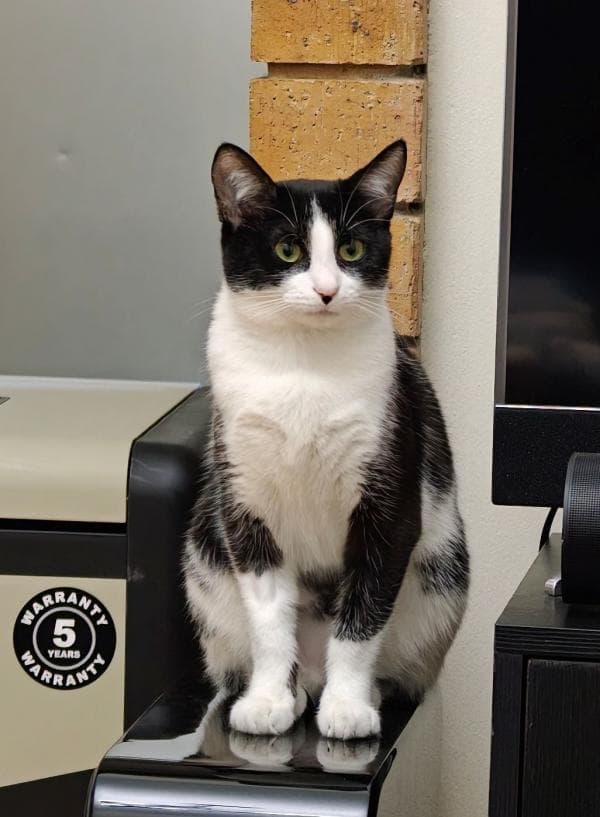
Dixon
1 year • Domestic Shorthair
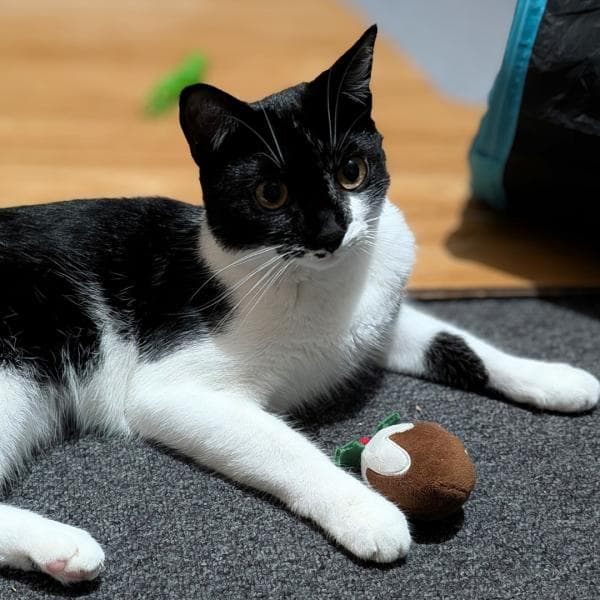
Lexi
1 year 3 months • Domestic Short Hair
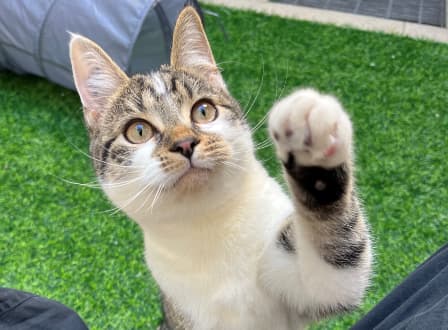
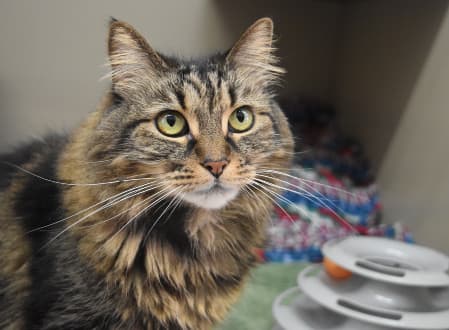
Marama
11 years • Domestic Medium Hair
Get notified about new cats in New South Wales
We will email you when new rescue cats become available across New South Wales, so you can be among the first to meet them.
Most New South Wales cat rescues require their cats to live indoors only. Vehicle traffic, disease spread between free-roaming cats, and the risk to native wildlife make outdoor cat life dangerous and short, and many councils now have cat containment rules or night curfews. The cats listed below are specifically flagged as indoor-only. They are used to indoor life, often previously lived in apartments or units, and do not have outdoor habits to unlearn.
Indoor cats live dramatically longer than free-roaming cats, typically 15+ years versus just a few for cats left to roam. They also avoid the parasites, infections, fights, and accidents that cut outdoor cat lives short. The trade-off is that they need more enrichment from their humans: cat trees, window perches, daily play sessions, and ideally a feline companion.
All cats below are in the LocalPetFinder database with their indoor-only status confirmed by their shelter. If you live in an apartment or unit, or simply want a cat that is safe at home, these are your matches.
Why Indoor-Only Is the Standard in Australia
Keeping cats indoors or contained has become the norm across Australia for good, practical reasons, and it is why most New South Wales rescues insist on it. The single biggest danger to a free-roaming cat is traffic. New South Wales's busy roads kill and injure large numbers of wandering cats every year, and a cat has no road sense. An indoor cat simply never faces that risk.
Native wildlife is the other major reason, and it is uniquely important here. Australia's birds, small mammals, and reptiles evolved without a predator like the domestic cat, and roaming cats take an enormous toll on local wildlife even when they are well fed. Keeping your cat contained is one of the most direct things you can do to protect the native animals in your own neighbourhood, which is why welfare bodies and councils alike push it so hard.
Disease and injury round out the case. Free-roaming cats fight over territory, and those fights spread serious infections, including FIV, through bite wounds, as well as causing abscesses and other injuries that need veterinary treatment. Roaming cats also pick up parasites and are exposed to poisons and cruelty. An indoor cat avoids nearly all of this, which is a large part of why they live so much longer.
Many councils across New South Wales now back this up with cat containment rules, registration requirements, or night curfews, and the trend is towards more containment, not less. Adopting a cat that is already flagged as indoor-only means you are not trying to reverse an established roaming habit, and you are meeting your local obligations from day one. Your local council can tell you exactly what the rules are where you live.
Keeping an Indoor Cat Enriched and Happy
An indoor cat is only as happy as the environment you build for it, and a bored cat is where most behaviour problems start. The good news is that enrichment is cheap and easy. The single most important thing is daily interactive play, ideally with a wand toy that lets your cat stalk, chase, and pounce the way it would if it were hunting. Ten to fifteen minutes once or twice a day makes an enormous difference to a cat's mood and behaviour.
Cats live in three dimensions, so vertical space matters as much as floor space. A tall cat tree, a few shelves, or a perch by a window lets your cat climb, survey its territory, and rest up high where it feels secure. A window with a view of the garden or street is genuine entertainment for a cat, and a comfortable perch there is one of the best investments you can make in an indoor cat's day.
Feeding can be enrichment too. Puzzle feeders and food-dispensing toys make a cat work a little for its meal, which satisfies the hunting instinct and slows down fast eaters. Rotating a small selection of toys rather than leaving them all out keeps novelty alive, and simple things like a cardboard box or a paper bag are endlessly appealing. Scratching posts give a cat a legitimate outlet for a natural behaviour and save your furniture.
A second cat is often the best enrichment of all, especially in a household where everyone is out during the day. A compatible companion gives a cat someone to play, groom, and nap with around the clock, which prevents the loneliness and attention-seeking that solo indoor cats can develop. If a second cat is not possible, then more of your time and a richer environment fill the gap.
Apartment and Unit Living With a Cat
Cats are genuinely well suited to apartments and units, arguably better than any other pet. They do not need a yard, they use vertical space rather than sprawling horizontally, and they are quiet compared with dogs, which matters when you share walls with neighbours. For renters, cats are also easier to place than dogs, since many buildings that hesitate over dogs will happily accept a contained indoor cat.
Space is rarely the limiting factor. A cat is content in a modest apartment provided it has height to climb, a window to watch, and things to do. A tall cat tree in a corner effectively doubles the usable space from the cat's point of view, and a couple of perches turn a small flat into an interesting territory. What a cat needs is stimulation and security, not square metres.
Balconies are the one real hazard to plan for in apartment living. Cats can fall or slip from a height, so an unscreened balcony is not a safe outdoor option. Many apartment owners enclose a balcony with cat-safe netting or mesh to create a secure spot where the cat can enjoy fresh air without any risk. Never leave a cat unsupervised on an open balcony, however sure-footed it seems.
Because most New South Wales rescue cats are indoor-only anyway, an apartment cat is meeting rescue expectations rather than compromising on them. If you rent, check your agreement and, where needed, your building's pet policy before adopting, and be ready to show that your cat is desexed, microchipped, and registered where your council requires it. A well-kept indoor cat is an easy tenant to advocate for.
Catios and Safe Outdoor Access
Indoor-only does not have to mean the cat never feels grass or fresh air. A catio, a contained outdoor enclosure attached to a window or door, gives a cat safe access to the outside world without any of the risks of roaming. Catios range from a simple window box to a full walk-in structure, and they let a cat sunbathe, watch birds, and breathe fresh air while staying completely contained.
A catio solves the central tension of indoor cat ownership: the desire to give a cat outdoor stimulation without exposing it to traffic, wildlife conflict, disease, and the neighbourhood risks that shorten roaming cats' lives. It also keeps you on the right side of any council containment rules, since the cat never actually leaves your property. Many owners find their cats spend hours in a catio watching the world go by.
You do not have to build a permanent structure to give a cat safe outdoor time. Some owners use a secure harness and lead for supervised garden time, having trained the cat to it patiently from a young age, though not every cat takes to a harness and it should never be forced. Portable mesh enclosures and cat-proof fencing systems are other options for households that want more than a window catio.
Whatever the method, the principle is the same: outdoor enrichment on your terms, fully contained and supervised. This gives a cat the best of both worlds, the safety and longevity of indoor life with some of the sensory richness of the outdoors, and it is entirely compatible with the indoor-only requirement almost every New South Wales rescue asks its adopters to meet.
The Health and Lifespan Payoff
The clearest argument for indoor life is how much longer indoor cats live. Contained cats routinely reach fifteen years and beyond, while cats left to roam often have dramatically shorter lives, cut short by cars, fights, disease, and misadventure. Choosing an indoor cat is, in blunt terms, choosing many more years of companionship.
Indoor cats also avoid a long list of health problems that roaming exposes cats to. They are far less likely to contract infections like FIV that spread through fighting, they pick up fewer parasites, and they are not exposed to poisons, traps, or cruelty. This means fewer emergency vet visits and lower lifetime veterinary costs, on top of the obvious welfare benefit to the cat itself.
The trade-off, and it is a real one, is that an indoor cat depends entirely on you for stimulation and exercise. Without it, indoor cats can become bored, overweight, or stressed, which brings its own health issues. This is why enrichment, play, vertical space, and ideally a companion are not optional extras but part of responsible indoor cat ownership. A well-enriched indoor cat is both safer and healthier than a roaming one.
Routine care keeps an indoor cat thriving: an annual vet checkup, parasite prevention even indoors, a good diet fed in sensible portions to prevent weight gain, and plenty of daily activity. Watch your cat's weight in particular, since indoor cats are more prone to putting on kilos, and speak to your vet about diet if you are unsure. Done well, indoor life is the longest, safest, and healthiest life you can give a cat.
Helping a New Indoor Cat Settle
Bringing an indoor cat home starts with a calm arrival and a small, secure space. Set up one quiet room with a litter tray, food and water, a bed, and a hiding spot, and let the cat come out of its carrier and explore in its own time. A whole house at once overwhelms most cats, whereas a single room gives a newcomer a manageable territory to claim before the world expands.
Give the cat time and let it lead. Some cats stroll out confidently, while others tuck themselves away for a few days, and both are normal reactions to a big change. Sit quietly in the room, talk gently, and let the cat approach you rather than reaching for it. As its confidence grows, open up the rest of the home gradually so each new area is a step rather than a leap.
Because this cat will live entirely indoors, its environment is its whole world, so build in the enrichment from the start. Have a scratching post, some vertical space, a window perch, and a few toys ready before the cat arrives, so it has legitimate outlets for climbing, scratching, and watching the moment it feels brave enough to use them. A stimulating home prevents boredom before it can begin.
Keep the first weeks predictable and low-key. Consistent feeding times, a clean litter tray in a settled spot, and a gentle household help a new cat trust that this is now home. If you have other pets or children, introduce them slowly and calmly rather than all at once. Most indoor cats settle within a few weeks, and the patience you show early pays off in a confident, contented cat.
Indoor Cat FAQ
Tap a question to expand