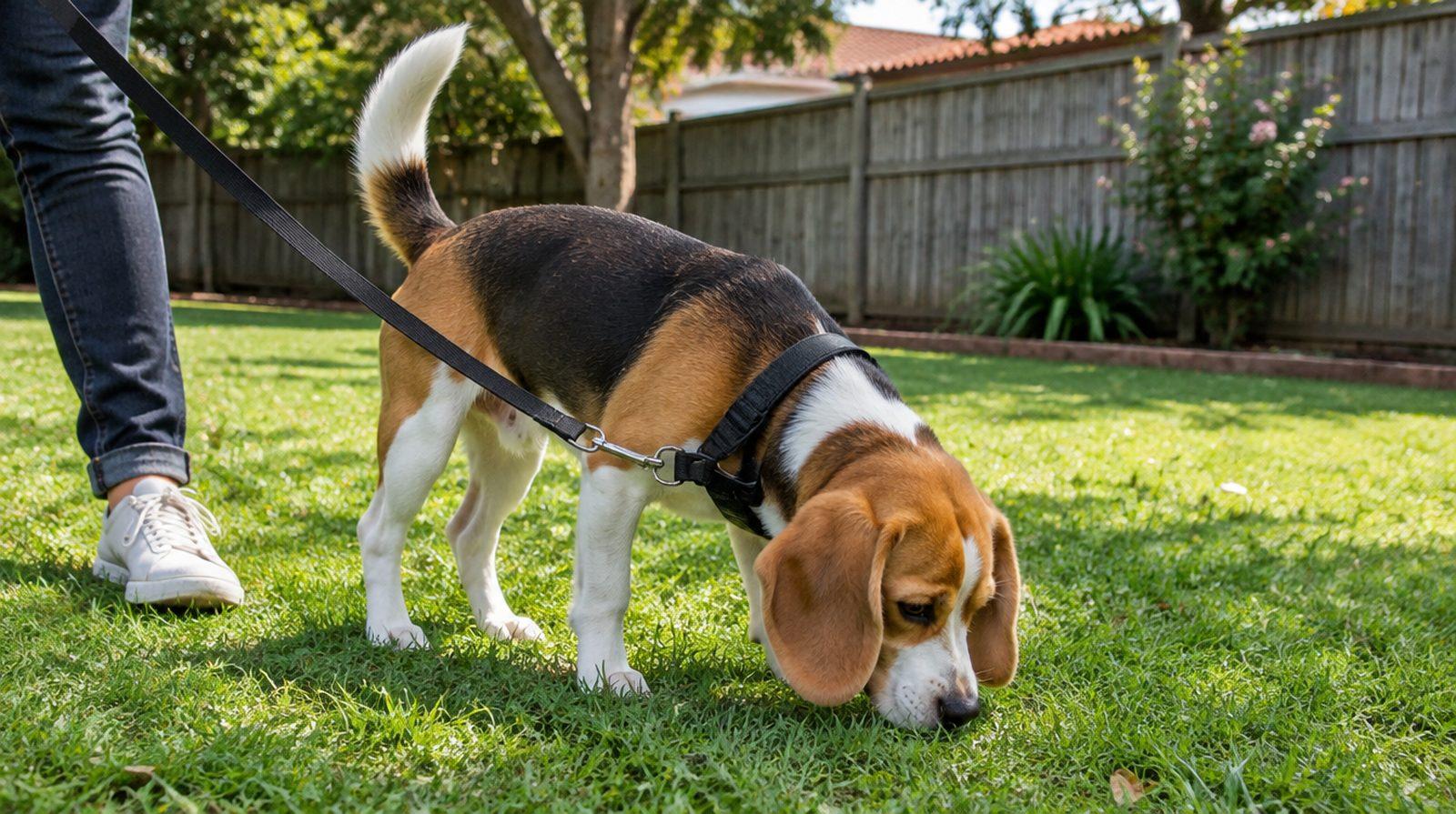
The short answer
To rehome a Beagle well: screen for secure fencing checked at ground level, a home where the dog is not alone all day, and neighbours who can live with some baying. Be honest about escapes, noise and food stealing. List free on LocalPetFinder and keep your Beagle with you until you choose the family. Beagle Rescue NSW helps owners advertise their own Beagle, and Beagle Rescue Victoria takes surrenders, usually with a wait of two to three weeks. No state or territory restricted breed list names the Beagle.
Rehome your Beagle on LocalPetFinder
List free, keep your dog at home until adopted, and choose the new family yourself. Your email stays private.
List your dog free →Why Beagles end up needing a new home
The Dogs Australia breed standard describes the Beagle as a merry hound whose essential function is to hunt, primarily hare, by following a scent, and as amiable and alert, showing no aggression or timidity. That temperament is why Beagles are such popular family dogs. The scent drive is why many of them end up needing new homes.
The common stories are noise (baying or howling when left alone, which can bring complaints or put a lease at risk), escapes (a Beagle on a scent will dig under or squeeze through a gap and keep going), and the sheer energy of a young hound in a household that pictured a small, easy dog. Moves, new babies and money pressures account for the rest.
None of that means anything is wrong with your dog. It means your Beagle needs a home with the fencing, company and patience that suit a scent hound, and finding that home is the responsible thing to do.
The right home for a Beagle
A Beagle does best where someone is around for much of the day or there is another dog for company, because many Beagles dislike being left alone and say so loudly. A detached house with tolerant neighbours suits a vocal hound better than a thin-walled apartment.
Secure fencing matters more than yard size. Beagles tend to go under rather than over, so the right adopter checks the base of the fence and the gates. They also walk the dog on lead in open areas, because a Beagle following a scent rarely comes back when called.
Many Beagles are good with children and other dogs, which makes them easy to place, but every dog is an individual. Describe your Beagle as it really is with kids, dogs and cats.
What to ask adopters about a Beagle
Ask about the fence: what it is made of, how high it is, whether there are gaps at the bottom, and whether gates are kept shut. Ask how many hours the dog would be alone on a normal day and whether there is another dog at home. Ask where they live and how close the neighbours are, and whether they have lived with a hound before.
Ask how they would handle food. Many Beagles will steal it given the chance, so a home that keeps bins and benches out of reach and manages portions will keep the dog healthier. If they rent, ask to see the pet clause.
Beagle Rescue NSW recommends sending a dog to its new home on a trial first, of at least 30 days, and holding off on the change of ownership until the trial is over. That is a sensible approach for any private rehoming.
What to disclose honestly
The traits that end Beagle placements are all manageable in the right home if the adopter knows about them. Say when your dog bays or howls and for how long, how it has escaped (under, through or over) and what finally contained it, how it copes alone, whether it steals food or guards it, and where it is with toilet training.
On health, share your dog's vet history and records. Cornell University's College of Veterinary Medicine lists Beagles among the breeds commonly affected by intervertebral disc disease, a cause of back pain that can range from mild discomfort to paralysis. If your Beagle has had back pain, a wobbly gait or reluctance to jump, tell adopters and pass on what your vet advised.
Getting help from a Beagle rescue
Beagle Rescue NSW says it will assist owners who need to find another home for their Beagle. Because foster carers are short, it usually helps by advertising the dog on its website and social media while the dog stays with you, and you field the enquiries and choose the new home. It asks for your dog's microchip number (NSW rules require a unique identifier in any rehoming advertisement), the name of the dog's legal owner, and that the dog is desexed before it is listed, and it requests a modest donation of $20 for the service.
Beagle Rescue Victoria says it is willing to help any Beagle that needs to be surrendered, but asks owners to expect a wait of two to three weeks. It asks for the microchip certificate, desexing certificate, vaccination records and a photo, then arranges a temperament test, and surrendered Beagles go into a foster home rather than a shelter. Surrender gives up ownership, and it will not return a dog to the person who surrendered it.
Where to rehome, and the fee
Beagle Rescue NSW (NSW) assists owners with a private rehoming, advertising the Beagle while it stays at home, and asks for a $20 donation; dogs must be desexed before listing. Beagle Rescue Victoria (Victoria-based) takes surrenders through a form and documents, with a usual wait of two to three weeks, and places dogs in foster care. Both rely on foster carers, so contact them early. Elsewhere, your state RSPCA or animal welfare league may take a surrender by appointment, depending on capacity; see the state guides. A private rehoming on LocalPetFinder keeps your Beagle at home until the handover.
As a reference, not a quote: Beagle Rescue Victoria says its adoption fee is usually $600, covering desexing, vaccination, microchipping and parasite treatment (read on its adoption page, 20 November 2026), and RSPCA NSW lists $500 for a dog over 12 months and $620 for a puppy (read 20 November 2026). Beagle Rescue NSW supports reasonable private rehoming fees and says it can suggest an amount based on what it would charge for a dog of similar age and condition, though the decision is yours. A modest fee plus screening is safer than free.
New to rehoming? Start with our step-by-step guide to rehoming a dog for free, our guide to screening adopters, and the reasons a modest fee beats free to good home.
How rehoming your Beagle on LocalPetFinder works
- List for free. Add up to five photos, with the first as the cover, and describe your dog honestly: age, health, how they are with children, dogs and cats, and what kind of home suits them. There is no listing fee.
- We review it. Every listing is checked before it goes live, usually within 24 to 48 hours.
- Adopters contact you privately. Your email address is never shown on the listing. Enquiries reach you through the site, and you choose who to reply to.
- You choose the family. Your dog stays with you while you screen applicants, meet them and decide. When your dog has gone to their new home, mark the listing adopted using the link in the email we send when your listing goes live.
What the law asks of you, by state
Rehoming a Beagle is legal everywhere in Australia, but each state and territory sets its own rules for advertising a pet and passing it on, even for free. In every state, transfer the microchip registration to the new owner at the handover.
New South Wales
Since 1 July 2019, every ad to sell or give away a cat or dog must include an identification number: the microchip number, a breeder identification number or a rehoming organisation number. Transfer the microchip through the NSW Pet Registry.
Victoria
An ad to sell or give away a dog or cat must show the animal’s microchip number and a Pet Exchange Register source number. It is an offence to advertise without both.
Australian Capital Territory
Anyone rehoming a cat or dog, even for free, must include the microchip number plus an identifier for the advertiser (such as their name) in the ad, or a breeding licence number.
Queensland
Giving away, selling or advertising a dog born on or after 26 May 2017 needs a supply number. This applies to dogs only, not cats.
Western Australia
A cat must be microchipped and sterilised before it is sold or given away (or come with a prepaid sterilisation voucher if it is too young), and a dog must be microchipped before it is transferred.
South Australia
Giving a pet away free needs no breeder registration. Anyone breeding dogs or cats to sell, including after an accidental litter, must register with Dogs and Cats Online and show the number in ads.
Tasmania
Rehoming a dog, including giving it away, means handing the new owner a vet-signed vaccination certificate and the date of its last vet health check, and disclosing any known health or behaviour problems. Puppy ads must show a microchip number.
The Northern Territory has no territory-wide rule we could confirm; check with your council. Each state guide linked above has the detail and the official sources.
Scam rules to follow
- Meet anyone interested in person, or at least on a video call, before you agree to anything.
- Never send your dog anywhere before you have met the new owner, and never pay for transport, crates or “insurance” on a stranger's behalf.
- Never accept an overpayment or refund the difference. That is a common scam pattern.
- Keep the conversation on the site until you have decided someone is genuine.
Our rehoming safety guide covers the warning signs in more detail.
Looking to adopt a Beagle instead?
Browse Beagles available for adoption from rescues and owners across Australia.
See adoptable Beagles →Frequently asked questions
Are Beagles hard to rehome?+
Not usually. Beagles are a popular, friendly family breed, so a healthy adult with honest photos tends to draw interest. The work is screening for secure fencing, a home where the dog is not alone all day, and neighbours who can live with some baying. Heavy howlers and seniors take longer and need an honest listing.
My neighbours complain about the howling. Can I still rehome my Beagle?+
Yes. Baying is a familiar part of living with a hound, and an adopter who has had one before will expect some of it. Say exactly when your dog bays and for how long, and look for a detached home, a household where someone is home more, or a home with another dog for company.
My Beagle keeps escaping. Is that a deal breaker?+
No, it is typical of a scent hound. Tell adopters exactly how your dog gets out so they can secure the fence at ground level and the gates, and make clear it should be on lead in unfenced areas. Hiding an escape history only means the dog gets lost in its first week.
Will a Beagle rescue take my dog?+
Possibly. Beagle Rescue Victoria takes surrenders, usually with a wait of two to three weeks and after it receives your dog's records. Beagle Rescue NSW usually helps by advertising your Beagle while it stays with you, rather than taking it into foster care. Contact them early and list on LocalPetFinder at the same time.
Should I charge a rehoming fee for my Beagle?+
A modest fee is sensible. Beagle Rescue NSW says reasonable rehoming fees reinforce that every life has value and ask a little commitment from the new family, and it can suggest an amount if you ask. The fee is your choice; screening the home matters more than the figure.
How do I rehome my Beagle for free?+
List your Beagle on LocalPetFinder at no cost. Your email stays private, the listing is reviewed before it goes live, and your dog appears alongside rescue dogs. Keep your Beagle with you, screen the people who apply, meet them in person, and transfer the microchip through your state or territory's pet registry at the handover.
Related guides
Rehoming a Staffy anywhere in Australia? Why Staffies need new homes, what to screen for, what to disclose, and which Staffy rescues take dogs.
Rehoming a greyhound in Australia? Call the adoption program first, then screen for prey drive and leash habits. State muzzle rules and fees, checked.
Rehoming a Kelpie in Australia? Why Kelpies need new homes, the active home to look for, what to screen for and disclose, and working-dog rescue help.
A no-judgment framework and a three-week clarity protocol so you decide with evidence.
Every guide on rehoming a dog or cat in Australia, plus how to list for free.
Sources
Rehoming guides for your state
Surrender options, the local law and the help that lets you keep your pet are different in every state, territory and in New Zealand. Each guide covers the shelters, the rules and the owner-to-owner route where you live.