The short answer
The Bull Arab is an Australian working crossbreed with no fixed pedigree, so it has no defined set of inherited breed diseases. Its mixed background often makes it a hardy, sound dog, but mixed does not mean immune. Plan care around the risks for any large, deep-chested, active, short-coated dog on the Gold Coast. The biggest is the paralysis tick, a genuine year-round danger in South East Queensland, so keep your dog on a vet-recommended preventive with no gaps and search the coat after bush walks. Manage the heat and humidity by exercising in the cool, watch for bloat in a deep-chested dog, keep the dog lean to protect its joints, shade a white or pink-skinned dog from the harsh sun, and stay up to date with vet checks and year-round parasite prevention. Insure early, before any condition is on record. This is general information, not veterinary advice.
A crossbreed, not a pedigree: what that means for health
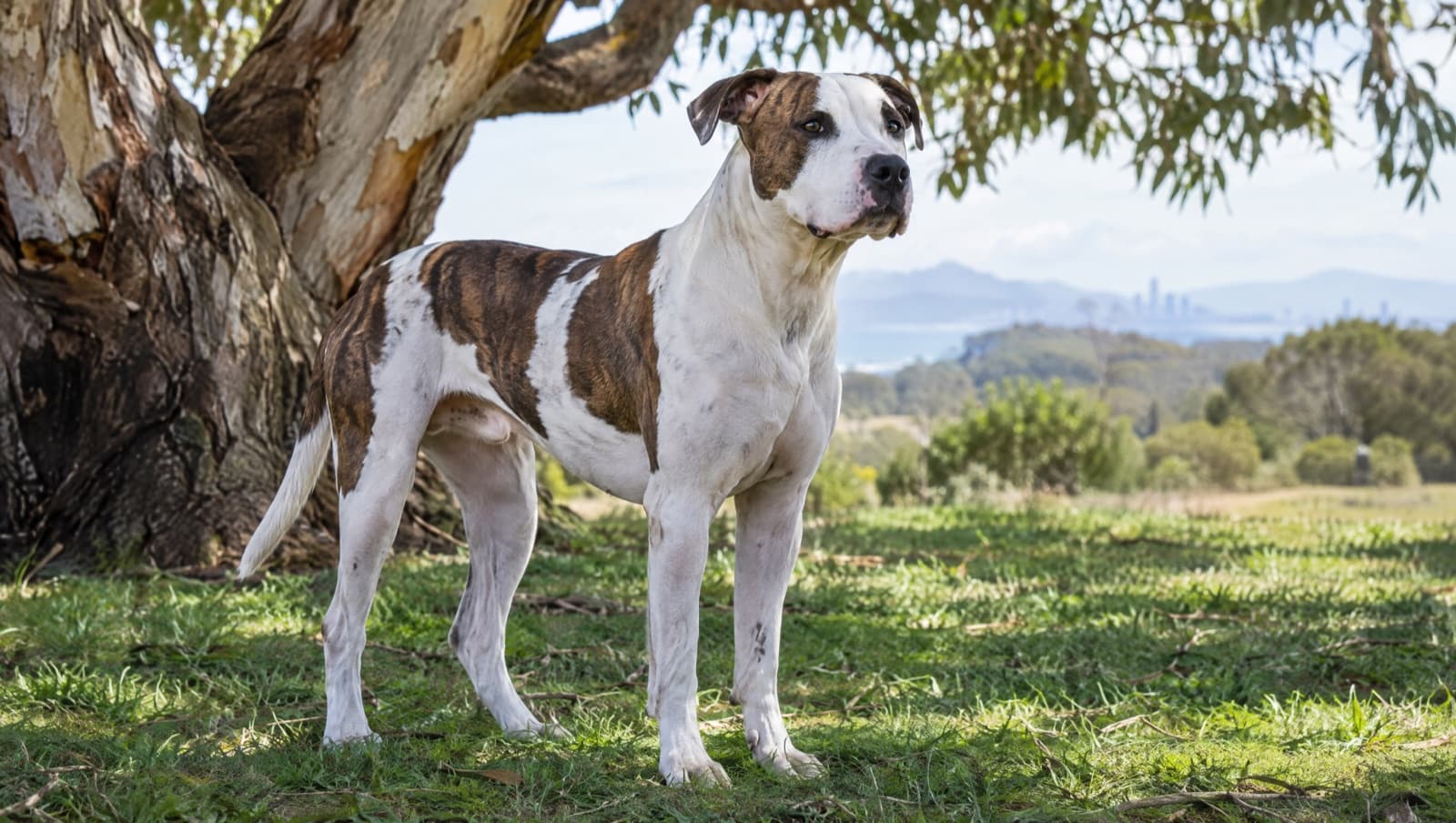
The most important thing to understand about Bull Arab health is that the Bull Arab is not a breed in the usual sense. It is an Australian working crossbreed, developed from the 1970s for pig hunting by mixing bull breeds, sighthounds, and mastiff or pointer lines. There is no official standard and no fixed genetic profile, so two Bull Arabs can differ a fair bit in size, build and background.
That has a real upside for health. A mixed working dog draws on a wider gene pool than a tightly bred pedigree, and many Bull Arabs are genuinely hardy, sound and active dogs that stay well with good basic care and often live long, healthy lives for a dog of their size. It is one of the quiet advantages of adopting one.
But mixed does not mean immune, and this is where honest care planning matters. Because the Bull Arab has no set lineage, it also has no defined list of inherited breed diseases to screen for the way a pedigree does. An individual dog can still inherit a problem from any of the breeds behind it. So the sensible way to think about a Bull Arab is not by breed averages, but by two things: the specific dog in front of you, backed by a proper vet check, and the general risks that apply to any large, deep-chested, active, short-coated dog living in the South East Queensland climate. The rest of this guide is those risks.
Paralysis ticks: the number one Gold Coast risk
If you take one thing from this guide, make it this. The Australian paralysis tick is native to the coastal and bushland areas of the Gold Coast and right across South East Queensland, and its bite releases a toxin that causes a slow, ascending paralysis. Untreated, it is fatal. Thousands of SEQ dogs and cats are affected each year, and because the mild local winters never deliver a hard, sustained cold kill-off, it is a broadly year-round danger here, not just a warm-season one.
A Bull Arab is more exposed than most dogs, because its strong prey drive sends it nosing through scrub, long grass and bushland fringes, exactly where ticks wait. Two habits protect it. First, keep your dog on a vet-recommended tick-prevention product every single month, with no gaps, all year. Do not guess a product or a dose yourself; your vet will match it to your dog. Second, run your hands over the whole dog after any walk through bush or long grass, feeling for a lump, and check the spots ticks favour: around the head and face, inside and around the ears, under the collar, under the legs and between the toes. On a big short-coated dog this only takes a couple of minutes.
Learn the early signs so you never dismiss them: a wobbly or weak back end, a changed, softer or weaker bark, gagging, coughing, vomiting, or heavy or noisy breathing. The RSPCA Knowledgebase has plain-language guidance on tick paralysis. If you see any of these signs, treat it as an emergency, keep the dog calm and cool, and get to a vet at once.
Emergency: suspected tick paralysis, act now
If your Bull Arab develops a wobbly or weak back end, a changed or weak bark, gagging or vomiting, or heavy or noisy breathing, treat it as a life-threatening emergency. Keep the dog calm, quiet and cool, do not offer food or water (a paralysed throat can cause choking), and get to a vet immediately, day or night. Phone ahead so the team is ready. The Gold Coast has round-the-clock emergency hospitals such as AEC Gold Coast at Varsity Lakes and SASH Gold Coast at Robina. With tick paralysis, earlier treatment gives a far better outcome.
Heat, humidity and the short coat
A short-coated, lean, athletic dog like the Bull Arab handles the Queensland heat far better than a flat-faced or thick-coated breed. It is not fighting its own biology. But South East Queensland is hot and, more to the point, very humid, and summers regularly reach the low-to-mid 30s. A large, keen dog can still overheat fast on exercise, so the timing matters more than the breed.
Keep the hard exercise to the cool of the early morning or evening in summer, keep water available, provide real shade, and check that pavement is not too hot for paws before a walk. Never leave the dog in a parked car, even for a few minutes. Learn the signs of heatstroke, which include heavy panting, drooling, bright red gums, weakness, vomiting or collapse; if you see them, move the dog to shade, wet it with cool (not ice-cold) water, and get to a vet urgently, because heatstroke is an emergency.
The humidity brings its own smaller issues. Warm, damp conditions encourage ear infections and skin irritation, so dry your dog's ears after it swims and check the skin and any folds regularly. Fleas, intestinal worms and mosquito-borne heartworm all stay active year-round in this climate too, so a complete, vet-guided parasite plan is a year-round job, not a seasonal one.
Bloat: a deep-chested-dog risk to know
Most Bull Arabs are large and deep-chested, which is the body shape linked to bloat, or gastric dilatation-volvulus. This is not a Bull Arab disease as such, it is a risk that comes with the build, but it is worth every large-dog owner knowing. In bloat, the stomach fills with gas and can twist on itself, cutting off the blood supply. It is a life-threatening emergency that needs immediate surgery, and it can kill quickly.
Learn the signs before you ever need them: a swollen, hard belly, unproductive retching (trying to be sick but bringing nothing up), restlessness and pacing, drooling and obvious distress. Reduce the risk with a few simple habits: feed measured meals rather than one large daily feed, use a slow feeder if your dog gulps its food, and avoid hard exercise right after eating. The Australian Veterinary Association and your own vet can advise on whether any preventive step makes sense for a particular deep-chested dog. Treat any suspected bloat as get-to-a-vet-now, not wait-and-see.
Emergency: bloat (GDV) is life-threatening, act now
If your Bull Arab has a swollen, hard belly and is retching without bringing anything up, is pacing and restless, drooling and distressed, treat it as a life-threatening emergency and get to a vet immediately, day or night. Minutes matter with a twisted stomach. Do not wait to see if it passes, and do not try home remedies. Phone ahead to your vet or a 24/7 hospital such as AEC Gold Coast at Varsity Lakes or SASH Gold Coast at Robina so the team is ready, then go straight in.
Joints, weight and working soundness
Any large, athletic dog can develop joint problems, and hip and elbow dysplasia, malformations of the joint that lead to arthritis, pain and lameness, are the ones to keep in mind for a big dog. Because the Bull Arab is a crossbreed with no fixed lineage, there is no breed-wide guarantee either way; it depends on the individual dog. What is certain is that the biggest lever an owner controls is weight and sensible fitness.
Keep your Bull Arab lean. Carrying extra weight loads every joint and is one of the most common, and most preventable, causes of early arthritis. Build fitness gradually rather than in sudden bursts. The care point specific to a growing dog is important: do not over-exercise a Bull Arab puppy. Too much hard, repetitive, high-impact activity on joints that are still forming can cause problems later, so let a young dog mature and build it up slowly, especially with jumping and long runs.
If you notice stiffness, limping, reluctance to jump or climb stairs, or trouble rising, have your vet assess it rather than pushing through. Management ranges from weight control and appropriate exercise through joint support and pain relief to surgery in more severe cases, and early attention gives the best options. A working dog that is kept lean, fit and appropriately exercised is a sound dog. For more on getting the exercise and containment right, see our guide to the Bull Arab prey drive and containment on the Gold Coast.
Thinking about a Bull Arab on the Gold Coast?
A rescue Bull Arab comes with a full vet check and honest foster notes, so you adopt knowing the individual dog rather than guessing from a breed average. Browse Bull Arabs and Bull Arab crosses available in Gold Coast and Queensland rescue.
See Available Bull Arabs →Skin, sun and coat care
Many Bull Arabs are white or carry large white patches, and that is a real care point in the strong Queensland sun. A short coat over pink skin, a pink nose, and the thinly furred ears and belly all burn much like human skin, and repeated sunburn is not only sore, it raises the long-term risk of skin cancers. Give a light-coated dog shade during the harsh middle of the day, and ask your vet about a pet-safe sunscreen for the most exposed spots such as the nose, ear tips and any thin-furred pink skin. Never reach for a human sunscreen without checking with your vet first, as some ingredients are not safe for dogs.
The short coat is otherwise low-maintenance: an occasional brush and the odd bath keep it in good order, and there is no thick double coat to worry about. What matters more is watching the skin itself. Report any new, changing or non-healing lump or sore to your vet promptly, keep on top of fleas year-round to avoid flea-allergy skin irritation, and dry the ears and skin folds after swimming to head off the damp-weather infections the humidity encourages.
Everyday preventive care
Beyond the Gold Coast-specific risks, a Bull Arab needs the same solid basics as any dog, and getting them right is what keeps a hardy crossbreed hardy:
- Year-round parasite prevention. Ticks, fleas, intestinal worms and mosquito-borne heartworm are all active in this climate. Ask your vet for a complete plan and stick to it every month with no gaps. Never medicate on a guess.
- Weight and diet. Keep the dog lean on a good-quality diet fed as measured meals. A lean Bull Arab has healthier joints, better heat tolerance and a lower risk of a string of weight-related problems.
- Dental care. Dental disease is common and often overlooked in dogs. Regular tooth brushing and vet dental checks prevent pain and protect overall health.
- Vaccination and vet checks. Keep vaccinations up to date and have a yearly (or more frequent, for an older dog) vet check, which catches problems early while they are cheaper and easier to treat.
- Desexing. Not compulsory statewide for an ordinary pet dog, but strongly encouraged on health and welfare grounds, and it earns a lower council registration fee. A rescue Bull Arab is almost always already desexed as part of the adoption.
On the legal basics, under the Animal Management (Cats and Dogs) Act 2008 a dog must be microchipped before 12 weeks of age or before it is sold or given away, and once it is 12 weeks old it must be registered with your council. The Queensland Government pet laws page is the plain-English reference, and registration fees are set per council, so check the City of Gold Coast for the current amount. A desexed, microchipped dog pays a substantially reduced registration fee.
Frequently Asked Questions
Are Bull Arabs a healthy breed?
The Bull Arab is not really a breed in the pedigree sense. It is an Australian working crossbreed, developed from bull breeds, sighthounds and mastiff or pointer lines, so it has no fixed genetic profile and no official standard. That is mostly good news for health: a mixed working dog benefits from genetic diversity, and many Bull Arabs are hardy, sound and active with the right care, often living long, healthy lives for a dog of their size. But mixed does not mean immune. An individual Bull Arab can inherit issues from any of the breeds behind it, so what matters is the specific dog in front of you, not a breed average. A rescue Bull Arab that has had a proper vet check is the most reliable starting point. This is general information, not veterinary advice.
What health problems can a Bull Arab have?
Because the Bull Arab is a crossbreed with no fixed lineage, it does not carry a defined list of inherited breed diseases the way a pedigree does. Instead, think about the risks that apply to any large, deep-chested, active, short-coated dog living in South East Queensland. The main ones are bloat (gastric dilatation-volvulus) from the deep chest, possible hip or elbow joint problems in a big active dog, skin and ear issues in the heat and humidity, sunburn on any pink or white skin, and above all the year-round paralysis tick. None of these is guaranteed in a given dog. Keeping your Bull Arab lean, on year-round parasite prevention and up to date with vet checks covers the great majority of it.
Do Bull Arabs get bloat?
A Bull Arab can, because most are large and deep-chested, which is the body shape linked to bloat (gastric dilatation-volvulus). Bloat is where the stomach fills with gas and can twist, cutting off blood supply, and it is a life-threatening emergency that needs surgery fast. It is not a Bull Arab-specific disease, it is a large-deep-chested-dog risk, so it is worth knowing the signs: a swollen, hard belly, unproductive retching, restlessness, drooling and obvious distress. Reduce the odds by feeding measured meals rather than one big one, slowing a gulper with a slow feeder, and avoiding hard exercise right after eating. If you suspect bloat, treat it as get-to-a-vet-now and do not wait to see if it passes.
Are paralysis ticks a risk for a Bull Arab on the Gold Coast?
Yes, and it is the single most important health point for any Gold Coast dog. The Australian paralysis tick is native to the coastal and bushland areas of the Gold Coast and across South East Queensland, and its bite releases a toxin that causes an ascending paralysis that is fatal without veterinary treatment. Because the mild SEQ winters never deliver a hard cold kill-off, it is a broadly year-round risk here, not just a summer one. A Bull Arab is higher risk than most, because its prey drive sends it nosing through scrub and long grass. Keep your dog on a vet-recommended tick-prevention product every month with no gaps, and search the whole coat by hand after any bushland walk. Early signs include a wobbly back end, a changed or weak bark, gagging or heavy breathing. Treat any of them as an emergency.
How do I keep a Bull Arab safe in Gold Coast heat and humidity?
Time the exercise and manage the environment, and a short-coated athletic dog copes well. South East Queensland summers regularly reach the low-to-mid 30s with high humidity, and a large, keen dog can overheat fast on exercise. Walk in the cool of the early morning or evening, keep water up, provide shade, check that pavement is not too hot for paws, and never leave the dog in a parked car. The humidity also drives ear and skin problems, so dry the ears after swimming and check the coat and skin folds regularly. Watch for heatstroke signs such as heavy panting, drooling, weakness or collapse, and cool the dog and get to a vet urgently if you see them. A Bull Arab handles the heat far better than a flat-faced or thick-coated breed, but the humidity still needs respect.
Do Bull Arabs get sunburnt?
They can. Many Bull Arabs are white or have large white patches, and a short coat over pink skin, a pink nose, and thinly furred ears and belly all burn in the strong Queensland sun, just as human skin does. Repeated sunburn is not only sore, it raises the long-term risk of skin cancers. Give a light-coated dog shade during the harsh middle of the day, and ask your vet about a pet-safe sunscreen for the most exposed spots such as the nose, ear tips and any thin-furred pink skin. Never use a human sunscreen without checking with your vet first, because some ingredients are not safe for dogs. Report any new, changing or non-healing lump or sore on the skin to your vet promptly.
Do Bull Arabs get hip or joint problems?
Some can, as with any large, athletic dog, though there is no breed-wide guarantee either way because the Bull Arab is a crossbreed. Hip and elbow dysplasia, malformations of the joint that lead to arthritis, pain and lameness, are the ones to have in mind for a big dog. The single biggest thing an owner controls is weight and sensible fitness: keep the dog lean, build exercise gradually, and avoid over-exercising a growing puppy whose joints are still forming. If you notice stiffness, limping, reluctance to jump, or trouble rising, have your vet assess it. Management ranges from weight control and appropriate exercise through joint support and pain relief to surgery in severe cases, and early attention gives the best result.
How much exercise does a Bull Arab need to stay healthy?
A lot. The Bull Arab is a working type with real stamina, and an adult generally needs an hour or more of activity a day plus mental work to stay physically and mentally sound. Under-exercised, a big driven dog gains weight and becomes restless and destructive, which is bad for both body and behaviour. The care point specific to soundness is that a growing puppy should not be over-exercised, because too much hard, repetitive impact on developing joints can cause problems later, so build a young dog up gradually and let it mature. In the SEQ climate, keep the hard exercise to the cool of the morning or evening, and use a securely fenced or well-contained space given the prey drive.
Is pet insurance worth it for a Bull Arab?
For most owners, yes, and it is easiest to arrange early, before any condition is on record, because insurers exclude pre-existing conditions. A rescue Bull Arab often comes with an unknown history, and the big potential costs, bloat surgery, joint surgery, a serious tick-paralysis hospital stay, or cancer care, can each run into the thousands. Taking out cover as soon as you adopt, then reading the waiting periods and exclusions carefully, protects against those unpredictable bills. Pair it with the cheap, high-value basics: year-round parasite prevention, weight control, sensible exercise and regular check-ups. The breed's general hardiness helps, but insurance is there for the big, unexpected costs no dog is immune from.
Do I have to microchip and desex a Bull Arab in Queensland?
Microchipping is required; desexing is encouraged rather than mandatory for most dogs. Under the Animal Management (Cats and Dogs) Act 2008, a dog must be microchipped before 12 weeks of age, or before it is sold or given away, whichever comes first, so any dog changing hands must already be chipped. Desexing is not compulsory statewide for an ordinary pet dog, but it is strongly encouraged on health and welfare grounds, and both councils charge a substantially lower registration fee for a desexed dog, so there is a real financial incentive too. A rescue Bull Arab is almost always already desexed, microchipped and vaccinated as part of the adoption. Once your dog is 12 weeks old, register it with your council.
Keep reading
Adoptable Bull Arabs on the Gold Coast
Live listings of Bull Arabs and Bull Arab crosses, with foster notes on temperament and prey drive.
Bull Arab Adoption on the Gold Coast
Where to look, why so many need homes, real costs, and whether one suits your home.
Bull Arab Prey Drive & Containment
Exercise needs, secure fencing, prey drive and recall for a powerful Australian working dog.
Gold Coast Adoption Resources
Guides on adopting, costs, council rules and settling a rescue dog on the Gold Coast.