The short answer
Start with Wollongong City Council's Find a Pet page, the RSPCA NSW Illawarra Shelter at Unanderra and Shellharbour City Council's dog adoptions, then widen the search to NSW rescues. RSPCA NSW lists $500 for an adult dog, and councils set their own fees. Purebred Iggies are uncommon, so set alerts and stay open to a cross or an older dog. Plan for a home with ramps, rugs and warm beds, a coat for winter, and company for most of the day.
What an Italian Greyhound is like
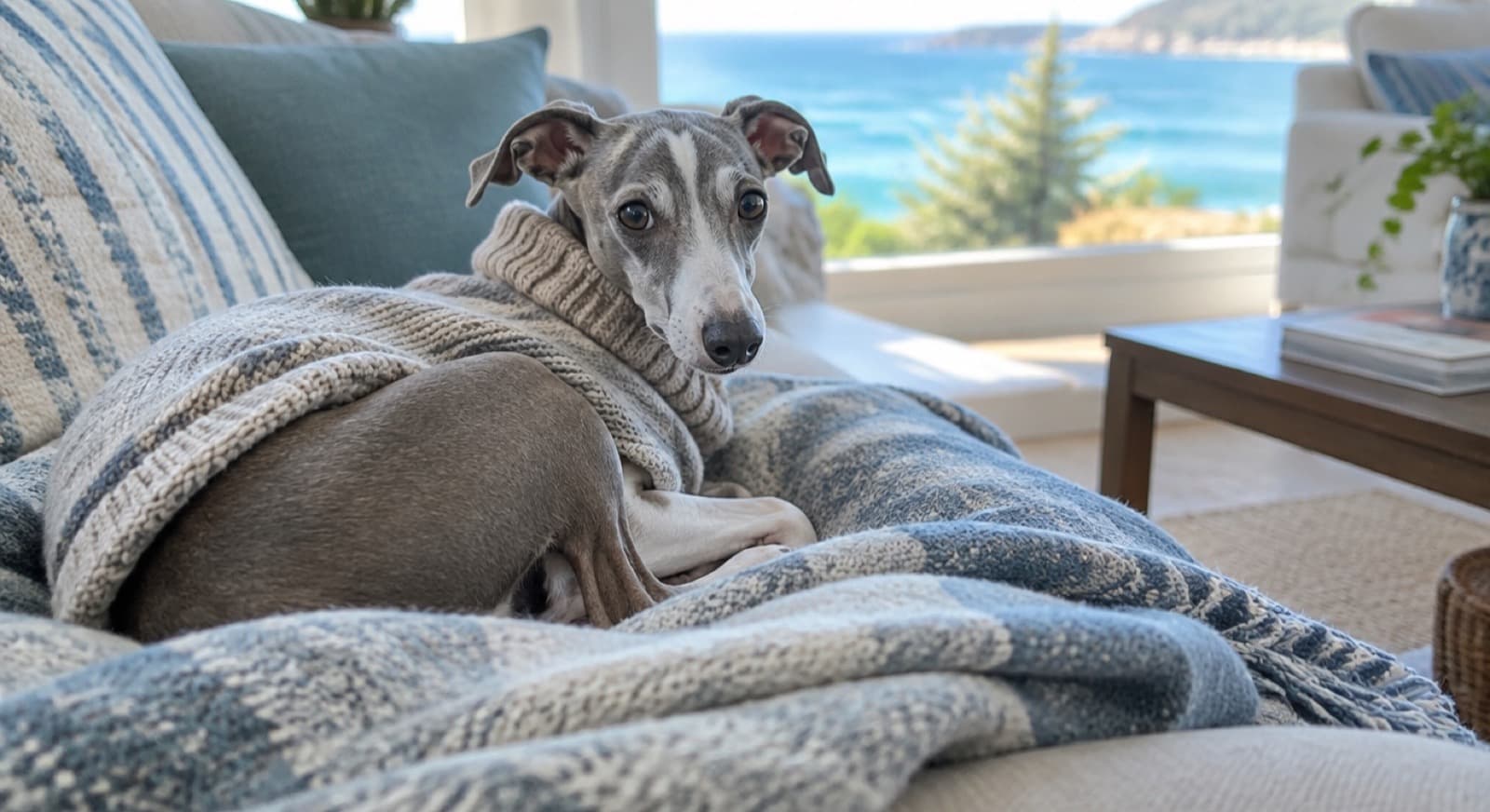
Picture a racing greyhound scaled right down. An Iggy has the same deep chest, arched back and long fine legs, in a body that usually weighs only three and a half to five kilograms. The coat is short and single, so there is little shedding but almost no protection from cold.
Indoors, most Iggies are quiet, gentle and devoted. They follow their person from room to room and burrow under blankets. Outside, they are still sighthounds. Given safe space, they sprint, zoom and chase anything small that moves.
Many are sensitive or shy with strangers. Patient, gentle handling builds confidence, and harsh correction sets them back. Knowing this before you adopt is what makes the match work.
Why Italian Greyhounds end up in rescue
The fragility was underestimated.
A leg can break from a leap off the bed or a rough game. Some owners surrender after the injury and the vet bill. Others realise their home, with toddlers or a big dog, was never safe for such a light breed.
House-training wore people down.
Iggies have small bladders and hate cold, wet grass. Winter accidents indoors are common, and households without the patience for a slow routine sometimes give up.
The dog needed more company.
This is a velcro breed. Left alone all day, some Iggies cry, chew or soil the house. A change to work hours or a move often brings an adult Iggy into rescue, and these dogs usually settle well with someone home more.
Where to look in the Illawarra
Two Illawarra councils rehome dogs directly, which is different from Sydney. Check these often, because small dogs are usually adopted soon after they are listed:
- Wollongong City Council. The council rehomes dogs and cats from its Find a Pet page. Its animals are boarded at regional kennels the council contracts. The adoption questions page explains the steps: register interest, answer follow-up questions, then meet the dog.
- RSPCA NSW Illawarra Shelter. Based at Unanderra, it rehomes dogs, cats and other animals. See its shelter page. It takes injured strays only, so it is not the council pound.
- Shellharbour City Council. Its dog adoptions run through a contracted impound facility. Meet and greets are typically held at Warilla Dog Park, and there is a 7-day cooling-off period.
- Rescues elsewhere in NSW. Small-dog and sighthound rescues sometimes list Iggies. Check that a group is a registered rehoming organisation with a current list of dogs before you apply.
Include crosses in your search. A Whippet or Chihuahua cross can share much of the Iggy's gentle nature. Our Wollongong rescue guide covers each local option, and the Wollongong Italian Greyhound listings gather current dogs from the shelters and rescues we track.
The cost comparison
Rescue costs far less up front. How the first-year costs compare:
| First-year cost | Rescue Iggy | Breeder Iggy |
|---|---|---|
| Adoption fee or purchase price | About $400 to $650 for an adult (RSPCA NSW $500) | Far higher |
| Desexing, microchip, vaccinations, vet check | Included | Mostly paid separately |
| NSW lifetime registration (desexed dog) | $0 from an eligible pound, shelter or rehoming organisation | $84 |
| Coats, jumpers, ramps and rugs | Same either way | Same either way |
| Paralysis tick, flea and worm prevention | Same either way | Same either way |
| Dental care | Same either way | Same either way |
| Pet insurance (worth it for fracture risk) | Same either way | Same either way |
Fees change, so check the current figure on the dog's listing and on the NSW Pet Registry. Insurance from day one is sensible, because a broken leg is a real risk with this breed. Small dogs also tend to need regular dental care, so ask your vet about a plan at the first check.
Looking for an Iggy near Wollongong?
Browse current Italian Greyhounds and crosses from Illawarra and NSW shelters and rescues.
See Available Italian Greyhounds →Setting up a safe home
- Ramps or steps to furniture. Jumping down from a couch or bed is a common cause of broken legs.
- Rugs on slippery floors. Tiles and floorboards make a running Iggy skid and fall.
- Gates on stairs. At least until you know how the dog handles them.
- Supervised play. Keep games with bigger dogs and young children calm and watched.
- A well-fitted harness. Check the fit so a slim dog cannot back out of it on a walk.
- Warm, soft beds. Several blankets to burrow into, away from draughts.
Our Sydney Italian Greyhound care and fragility guide goes deeper on injury-proofing a home. The advice applies just as well in the Illawarra.
Italian Greyhounds and Illawarra living
- Cool coastal evenings. Sea breezes and winter mornings chill a thin-coated dog quickly. A fitted coat for walks and a jumper indoors on cold days are normal for the breed.
- Hot summer days. The same thin coat gives little sun protection. Walk early or late, and keep the dog in shade at midday.
- Paralysis ticks. The paralysis tick lives along the NSW coast, and the Illawarra escarpment bushland is typical habitat. It is a year-round risk with a peak from about August to February. Use a vet-prescribed preventative, and check a small dog closely after walks. The RSPCA tick paralysis guide lists the warning signs.
- Emergency care. If a tick, a fall or a suspected fracture happens out of hours, the Animal Referral Hospital Wollongong at Fairy Meadow runs an after-hours emergency service for the Illawarra and South Coast.
- Off-lead running. An Iggy can reach full speed in seconds, and recall fails when it spots something to chase. Use only fully fenced areas. Wollongong City Council lists its off-leash dog parks, and our Wollongong dog parks guide explains how the rules work.
The first weeks home
- Days 1 to 3. Keep things quiet. Show the dog its bed, water and toilet spot, and skip visitors for now.
- Week 1. Set a toilet routine: out after waking, after meals and before bed, with praise outside. Book a vet check for weight, teeth and a tick prevention plan.
- Weeks 2 to 4. Build up short daily walks and gentle, reward-based training. Practise short spells alone so the dog learns you come back.
Shy dogs often take longer. The 3-3-3 rule is a fair guide: three days to decompress, three weeks to show personality, three months to fully settle. Shellharbour's 7-day cooling-off period gives you a first week to see how the dog fits.
Registering your Italian Greyhound in NSW
Under the Companion Animals Act 1998, every dog in NSW must be microchipped by 12 weeks and registered by 6 months on the NSW Pet Registry. It is a one-time lifetime fee, and a desexed dog from an eligible council pound, shelter or approved rehoming organisation registers for $0. Our Wollongong dog registration guide walks through the steps. The Italian Greyhound is not a restricted breed in NSW.
If you buy rather than adopt, meet the puppy and its mother in person and match the microchip number before you pay. A cheap Iggy that needs a deposit or transport fee first is the pattern Scamwatch warns about.
Frequently Asked Questions
Can you adopt an Italian Greyhound in Wollongong?
Yes, but purebred Iggies are rare in rescue, so patience helps. Check Wollongong City Council's own adoptions, the RSPCA NSW Illawarra Shelter at Unanderra and Shellharbour City Council's dog adoptions, and widen the search to rescues elsewhere in NSW. Italian Greyhound crosses and older dogs come up more often than young purebreds. Set up listing alerts so you hear about one quickly.
Are Italian Greyhounds fragile?
Yes. An Iggy has fine, light bones and long slender legs, and a leg can break from a jump off a couch or bed, or a rough game with a bigger dog. Ramps or steps up to furniture, rugs on slippery floors and supervised play make a real difference. A rescue will usually tell you about any past fracture on the listing.
Why do Italian Greyhounds end up in rescue?
Mostly because the breed was harder to live with than it looked. Common reasons are a broken leg and the vet bill that followed, slow house-training, separation distress in a dog that wants company all day, and a household with young children or a boisterous dog. Owners moving or falling ill also bring older Iggies into rescue.
Are Italian Greyhounds hard to house-train?
They can be. A tiny bladder and a strong dislike of cold, wet grass lead to indoor accidents, especially in winter. A rescue adult is often already trained or close to it. Take the dog out on a set routine, praise it outside, and give it a sheltered spot to toilet on a rainy Illawarra morning.
Do Italian Greyhounds feel the cold in Wollongong?
Yes. With a short single coat and almost no body fat, an Iggy feels a cool coastal evening quickly. Most need a coat or jumper on winter walks and a warm bed with blankets to burrow into. The same thin coat means they also need shade on hot summer days.
How much does it cost to adopt an Italian Greyhound in Wollongong?
RSPCA NSW lists $500 for an adult dog and $620 for a puppy, and NSW rescue fees for adult dogs generally sit around $400 to $650. Wollongong and Shellharbour councils set their own fees, so check the listing. Desexing, microchipping and vaccination are normally included. A desexed dog from an eligible council pound, shelter or approved rehoming organisation registers for $0 on the NSW Pet Registry.
Are Italian Greyhounds good apartment dogs?
Often, yes. They are quiet, small and happy indoors, so a unit can suit them well. Check your lease and strata by-laws first, and plan around stairs and slippery floors. An Iggy also needs company for most of the day, so a home where it is left alone for long hours suits it poorly.
Are Italian Greyhounds good with children and other pets?
Gentle older children who understand how fragile the dog is can be fine. Toddlers and rough play are a risk to the dog. Iggies usually get on with calm dogs of a similar size, but a big, bouncy dog can injure one by accident. As sighthounds, some will chase cats or small pets, so read the foster notes on each dog.
Keep reading
Adoptable Italian Greyhounds in Wollongong
Current listings with shelter and carer notes on temperament and home fit.
Italian Greyhound Health Issues
Fractures, teeth and the other health issues to plan for with an Iggy in NSW.
Dog Rescues in Wollongong
Council adoptions, the RSPCA Illawarra Shelter and how each one works.
Wollongong Dog Guides
Registration, desexing, off-lead areas and more for Illawarra dog owners.