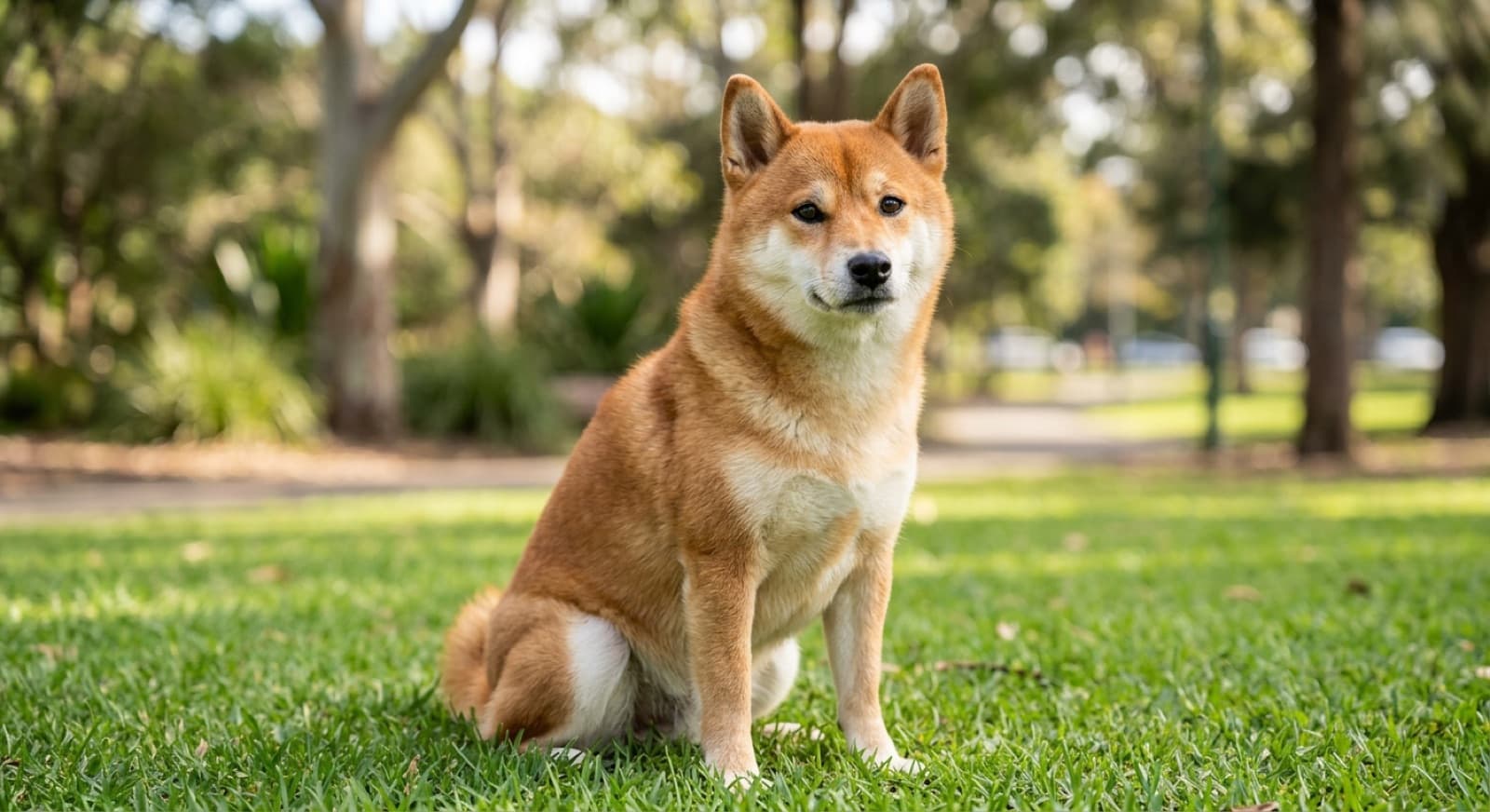
The short answer
The Shiba Inu is a generally hardy, long-lived breed, commonly reaching 12 to 15 years. The health issue to plan for above all is allergic itchy skin, or atopic dermatitis, which is common in the breed and worse in humid Sydney, and it often brings recurring ear infections with it. Also watch for a slipping kneecap (patellar luxation), which shows as an intermittent skip on a back leg, and a few eye conditions including glaucoma, cataracts and progressive retinal atrophy. Keep your Shiba lean, protect the skin and eyes, and never skip year-round paralysis tick prevention. Learn one emergency above all: a suddenly red, cloudy, painful eye can be acute glaucoma, which threatens sight within a day. Get to a vet at once.
Allergic itchy skin: the signature Shiba issue
If a Shiba Inu is going to have a health problem, this is the most likely one. Shibas are prone to atopic dermatitis, an itchy, inflamed skin condition set off by things the dog reacts to in its environment, such as pollens, grasses and dust mites, and sometimes by something in the diet. It is the same kind of allergy that gives people hay fever, only it shows up in a dog as itch rather than a runny nose. The breed fine, dense coat over sensitive skin means irritation shows quickly.
Sydney gives an allergic Shiba plenty to react to. The long warm growing season means a long pollen season, and humid summers keep moisture against the skin, which suits the yeast and bacteria that turn a mild itch into an angry infected patch. The RSPCA Australia Knowledgebase has general guidance on skin health and parasite control that supports keeping on top of this.
The signs. Watch for a dog that licks and chews at its paws, scratches its belly, armpits and groin, and rubs its face. Look for red or thickened skin, a coat that thins or breaks where it has been worried at, hot spots (raw, weepy patches that flare fast in warm weather), and recurring ear infections, which so often go hand in hand with skin allergies. Fleas can drive intense itch on their own, so keeping up parasite prevention is part of the picture.
What to do. See your vet rather than guessing, because managing allergies well is a plan, not a single fix. A vet can help work out the triggers and talk through the parts that help, which may include skin and coat care, controlling fleas and other triggers, sometimes a food trial, and at times medication. This is a condition you manage well over the long term rather than cure, and catching a flare early, before the skin breaks and gets infected, is what keeps your Shiba comfortable. Never leave itchy skin to run, especially in a Sydney summer.
Chronic ear infections
Ear infections deserve their own mention because they travel with allergic skin so often. An allergic Shiba frequently gets sore, itchy, smelly ears, and Sydney humidity makes a warm, moist ear canal even easier for infection to take hold. The signs are a dog that scratches at its ears or shakes its head a lot, redness or a dark waxy discharge inside the ear, and an unpleasant smell.
Have your vet check and treat an infected ear rather than reaching for a home remedy, since the wrong approach can make things worse or miss a deeper problem. For a Shiba that is prone to them, your vet can show you a gentle routine to keep the ears clean and dry, especially after swimming or a humid spell, and treating the underlying skin allergy is what stops the ears flaring in the first place.
Patellar luxation: the slipping kneecap
Patellar luxation means the kneecap slips out of its groove, and it is one of the more common orthopaedic issues in small breeds like the Shiba. The classic sign is easy to spot once you know it. A dog will suddenly skip or hop on a back leg for a few strides, sometimes giving a little hitch in its gait, then carry on normally, because the kneecap has popped out and then slipped back into place.
Some Shibas do this occasionally and are barely bothered, while others are more affected and can develop pain and arthritis in the joint over time. If you notice that intermittent skip, or your dog favouring a back leg, mention it to your vet, who can feel the knee and grade how loose it is. Keeping your Shiba lean is one of the best things you can do, because extra weight loads the joint. Milder cases are often managed conservatively, and more severe ones may need surgery, which is a decision to make with your vet based on how much it affects your individual dog.
Eye conditions, including the glaucoma emergency
Shiba Inus can develop a few inherited eye conditions, and it pays to know the difference between the ones to monitor and the one that is a genuine emergency.
Glaucoma. This is a painful rise in pressure inside the eye, and an acute attack is an emergency, because the pressure can destroy sight within a day. The warning signs are a suddenly red, cloudy or bulging eye, squinting, a dog pawing or rubbing at the eye, tearing, and obvious pain. Any of those means a vet the same day, day or night. It is the Shiba eye problem every owner should be able to recognise.
Cataracts. A cataract is a clouding of the lens that blurs and, if it progresses, blocks vision. You might notice a bluish or white haze in the eye, or a dog becoming a little more hesitant. Cataracts are not an emergency, but they warrant a vet visit and sometimes a referral to a veterinary eye specialist, who can advise whether treatment is worthwhile.
Progressive retinal atrophy. This is a gradual degeneration of the retina that slowly reduces sight, and it is often first noticed as a dog becoming hesitant or bumping around in dim light before daytime vision is affected. It is not painful and not an emergency, but it is worth a vet check so you can plan how to keep a dog with fading sight safe and confident. Reputable breeders screen the parents eyes, and a good rescue will note any known eye history on a dog it lists.
Emergency: a suddenly red, cloudy or painful eye
This is the Shiba Inu eye emergency to know. Acute glaucoma is a sudden, painful rise in pressure inside the eye, and it can destroy sight within a day if it is not treated fast. Get to a vet immediately, day or night, if your Shiba has an eye that is suddenly red, cloudy or bulging, is squinting or held shut, is being pawed or rubbed at, is watering, or the dog is clearly in pain around the head. Do not wait to see if it settles. Phone ahead so the team is ready, and if it is out of hours head to a 24/7 hospital such as SASH, which offers round-the-clock emergency care in Sydney. Saving the sight in that eye can come down to hours.
Hips and teeth
Hip dysplasia. Although the Shiba is a small, sound breed, hip dysplasia can still occur, where the hip joint does not sit together smoothly and wears unevenly, leading to arthritis and pain over time. The signs are stiffness after rest, a reluctance to jump or climb, a bunny-hopping run, or slowing down on walks. Keeping your dog lean is one of the best protections for the hips and joints, along with sensible regular exercise rather than repetitive high-impact pounding. A vet can assess sore hips and advise on management, and reputable breeders screen the parents hips.
Dental disease. Like every dog, Shibas need dental care, and left alone tartar and gum disease cause pain, tooth loss and infection that can affect the whole body. Regular tooth brushing, dental chews and professional cleans when your vet advises keep it in check. It is one of the easiest problems to stay ahead of, and worth the habit.
The double coat and Sydney heat
The Shiba wears a thick double coat, a soft insulating undercoat beneath a harsher outer coat, and it sheds heavily a couple of times a year in what owners call the coat blow. That coat is built for cold, so a Sydney summer asks some thought. The key rule is never to shave a double coat. It does not keep the dog cooler, and it can damage how the coat regrows and remove the very layer that shields the skin from both heat and sun.
Instead, manage the heat around the dog. Walk in the cooler hours of early morning and evening, carry water, and give plenty of shade and airflow at home on hot days. Never leave a dog in a parked car. Regular brushing, especially through a coat blow, keeps the undercoat from matting and helps the coat do its job. For the full picture on exercising this breed through a Sydney summer, our Shiba Inu temperament and training guide covers energy and daily life in more depth.
Why adopting a Shiba is not a health disadvantage
People sometimes worry that a rescue dog is a health gamble next to a breeder puppy. For a Shiba Inu the picture is more balanced than that. A Shiba adopted through a reputable Sydney rescue arrives desexed, vaccinated, microchipped, treated for worms and fleas, and vet-checked, with all of it included in the adoption fee. You are not taking on an unassessed animal.
Adopting also means the things that matter in this breed are often known upfront. A good rescue flags known skin or ear trouble, any sign of a slipping kneecap, and eye history, so you know what you are taking on. Where a dog has been in foster care, the carer can tell you how it has been day to day, including whether it scratches a lot, favours a back leg, or has had any eye bother, which a puppy simply cannot show you. If you are weighing it up, our Shiba Inu adoption guide for Sydney covers where to look and what it costs. Sydney rescues worth watching include RSPCA NSW, AWL NSW, Sydney Dogs and Cats Home, Monika's Doggie Rescue and Maggie's Rescue.
Keeping a Shiba Inu healthy: the checklist
Most of what keeps a Shiba well is routine, and skin, ears and a lean weight sit at the centre of it. The habits below do the heavy lifting.
- Mind the skin. Watch for paw licking, scratching, redness and hot spots, and see your vet early when a flare starts, before the skin breaks and gets infected.
- Check the ears. Keep them clean and dry, especially in humid weather or after swimming, and have any sore, smelly or waxy ear treated by a vet.
- Keep the dog lean. A lean weight protects the kneecaps and hips, and steady exercise beats repetitive high-impact pounding.
- Watch for a skipping back leg. An intermittent skip or hop can mean a slipping kneecap, so flag it to your vet.
- Protect the eyes. Learn the emergency signs, and treat a suddenly red, cloudy or painful eye as a same-day vet visit.
- Never shave the double coat. Brush regularly, especially during a coat blow, and manage heat around the dog instead.
- Look after the teeth. Regular tooth brushing and dental checks prevent painful disease.
- Book regular vet checks. Annually while adult, then twice yearly for a senior.
- Stay on year-round tick prevention. Use a vet-recommended product every month without a gap, because the paralysis tick on the NSW coast is a fatal risk.
The Sydney paralysis tick point
One health risk has nothing to do with the breed and everything to do with where you live. The paralysis tick is native to the east coast of Australia, including the coastal and bushland areas around Sydney, and its bite releases a toxin that causes an ascending paralysis which is fatal without veterinary treatment. It is a year-round risk here, not just a summer one, though the peak is spring and summer.
The response is straightforward. Keep your Shiba on a vet-recommended tick prevention product every single month with no gaps, and after any walk through bush or long grass run your hands slowly over the whole dog, feeling for a lump. A Shiba thick coat makes ticks harder to find, so part the fur and check carefully, under and inside the ear flaps, around the face and lips, under the collar, in the armpits and between the toes. If your dog develops a wobbly back end, a changed or weak bark, gagging or heavy breathing, treat it as an emergency and get to a vet at once. Ask your own vet which prevention product suits your dog. To find a local vet, the Australian Veterinary Association can help.
Browse adoptable Shiba Inus in Sydney
Adopting an adult lets you learn a dog's skin, ear and joint history directly, with a vet check already done. Browse live NSW listings and set an alert so you hear the moment a Shiba comes in.
See Available Shiba Inus →When to see the vet urgently
Most Shiba Inu health issues are managed at a normal appointment. A few need a faster response. Get to a vet immediately, including out of hours, if you see any of these:
- A suddenly red, cloudy or bulging eye, squinting, or a dog pawing at a painful eye (possible acute glaucoma, which can destroy sight within a day).
- A wobbly back end together with a changed or weak bark, gagging or heavy breathing (possible paralysis tick).
- Signs of heat stress on a hot day, such as heavy distressed panting, drooling, wobbliness or collapse (move to shade, offer water, and get to a vet).
- Sudden collapse, laboured breathing, or fainting (possible serious problem needing urgent care).
For the everyday things, such as ongoing itchy skin, a sore or smelly ear, an intermittent skip on a back leg, stiffness in the hips, or a gradual change in vision, book a normal vet visit soon rather than waiting. Catching those early gives your Shiba the best outcome. When in doubt, phone your vet or a 24/7 hospital and describe what you are seeing. They would far rather you called and it was nothing than the other way around. To keep exploring the breed, browse the full Sydney adoption resources hub.
Frequently Asked Questions
Why does my Shiba Inu have itchy skin?
Itchy skin in a Shiba Inu is most often allergy, and it is the single most common health issue in the breed. Shibas are prone to atopic dermatitis, an inflamed itchy skin condition triggered by things the dog reacts to in the environment, such as pollens, grasses and dust mites, or sometimes something in the diet. Sydney makes it worse, because the long warm growing season and humid summers mean more pollen and more moisture against the skin. The classic signs are a dog that licks and chews its paws, scratches its belly and armpits, and keeps getting ear infections. Fleas can also drive intense itch, so year-round parasite prevention matters. Itchy skin is not something to leave, because a scratched raw patch can turn into an infected hot spot quickly in warm weather. See your vet, who can work out what is driving it and talk through a management plan. Allergic skin is usually something you manage well over the long term rather than cure outright.
Are Shiba Inus a healthy breed?
Yes, Shiba Inus are generally a hardy, sturdy breed and one of the longer-lived dogs of their size. As a small spitz-type dog developed in Japan, the Shiba avoids many of the extreme structural problems seen in some purebreds. Even so, hardy does not mean problem-free. The one to plan for is allergic itchy skin, which is common in the breed and worse in humid Sydney. Beyond that, watch for slipping kneecaps (patellar luxation), a handful of eye conditions including glaucoma, cataracts and progressive retinal atrophy, hip issues, chronic ear infections often tied to allergies, and the dental care every dog needs. None of that should put you off the breed. Most of it is manageable with a good diet, a lean weight, regular vet checks, and year-round paralysis tick prevention because you live on the NSW coast. Knowing the signs early is what keeps a Shiba comfortable and well.
How long do Shiba Inus live?
Shiba Inus are a long-lived breed and commonly reach 12 to 15 years, which is good going for any dog. Their small size and generally sound structure help, and a well-cared-for Shiba often stays sprightly well into its senior years. Living long is not automatic, though. A Shiba kept lean, fed well, kept comfortable through any allergy flares, and seen regularly by a vet has the best shot at a long, healthy life. The things most likely to affect quality of life are the manageable ones, such as itchy allergic skin, sore knees or hips, and eye changes as the dog ages. Stay on top of those, keep up year-round tick prevention, and book twice-yearly checks once your Shiba is a senior. Ask about known health history when you adopt so you start with a clear picture.
Do Shiba Inus have skin allergies?
Yes, allergic skin is the signature Shiba Inu health issue, and Sydney owners see plenty of it. Shibas are prone to atopic dermatitis, an itchy inflamed skin condition set off by environmental triggers like pollens, grasses and dust mites, and sometimes by food. Sydney humidity and a long pollen season tend to make flares more frequent and harder to settle. Watch for constant paw licking, scratching at the belly and armpits, red or thickened skin, recurring ear infections, and a coat that thins or breaks where the dog has worried at it. The right response is a vet visit rather than guesswork, because managing allergies well often involves a mix of skin care, controlling fleas and other triggers, sometimes a diet trial, and at times medication your vet prescribes. Catching flares early, before the skin breaks and gets infected, is the key to keeping your Shiba comfortable through a Sydney summer.
What is patellar luxation in a Shiba Inu?
Patellar luxation means the kneecap slips out of its normal groove, and it is one of the more common orthopaedic issues in small breeds like the Shiba Inu. The tell-tale sign is a dog that suddenly skips or hops on a back leg for a few strides, then carries on as if nothing happened, because the kneecap has popped out and then slipped back. Some dogs do this now and then with no real bother, while others are more affected and can develop pain and arthritis over time. If you notice that intermittent skip, or your Shiba favouring a back leg, mention it to your vet, who can feel the knee and grade how loose it is. Keeping your dog lean takes load off the joint and helps a lot. Milder cases are often managed conservatively, while more severe ones may need surgery, which is a decision to make with your vet based on how much it affects the individual dog.
What eye problems do Shiba Inus get?
Shiba Inus can develop a few inherited eye conditions, and it is worth knowing the signs. Glaucoma, a painful rise in pressure inside the eye, is the urgent one, because an acute attack can destroy sight within a day and is a genuine emergency. The warning signs are a suddenly red, cloudy or bulging eye, squinting, a dog pawing or rubbing at the eye, and obvious pain, and any of those means get to a vet immediately. Shibas can also develop cataracts, a clouding of the lens that blurs vision, and progressive retinal atrophy, a gradual degeneration of the retina that slowly reduces sight, often first noticed as a dog becoming hesitant or bumping around in dim light. Cataracts and progressive retinal atrophy are not emergencies, but they do warrant a vet visit and sometimes a referral to a veterinary eye specialist. Reputable breeders screen the parents eyes, and a good rescue will note any known eye history.
Do rescue Shiba Inus come health checked?
Yes. A Shiba Inu adopted through a reputable Sydney rescue arrives desexed, vaccinated, microchipped, treated for worms and fleas, and given a vet check before it is listed, with all of that included in the adoption fee. A good rescue also flags any known issues, and for a Shiba that often means noting skin or ear trouble, any sign of a slipping kneecap, or eye history, since those are the things that matter in the breed. Where a dog has been in foster care, the carer can tell you how it has been day to day, including whether it scratches a lot, favours a leg, or has had any eye bother. That is a real advantage over buying an unassessed dog, because you adopt with a clearer picture of the health you are taking on. Ask the rescue directly about skin, ears, knees and eyes when you enquire.
How do I keep my Shiba Inu healthy in Sydney?
Keep your Shiba lean, feed a good-quality diet, stay on top of the skin and ears, protect the eyes, and never skip year-round paralysis tick prevention. Skin is the big one in this breed, so watch for scratching, paw licking, redness and hot spots, and see your vet early when a flare starts rather than letting the skin break. Check and dry the ears regularly, since allergic Shibas are prone to ear infections, especially in humid weather. Keep your dog to a lean weight to protect the knees and hips, and note any skipping on a back leg. Learn the signs of an eye emergency, because a suddenly red, cloudy, painful eye needs a vet the same day. Manage Sydney heat by walking in the cooler hours and carrying water, and never shave the double coat, which protects the dog from both heat and sun. Book annual vet checks that become twice yearly for a senior, and use a vet-recommended tick prevention product every month without a gap.
Keep reading
Adoptable Shiba Inus in Sydney
Live listings of Shiba Inus and Shiba crosses across Sydney and NSW rescues.
Shiba Inu Adoption in Sydney
Where to adopt a Shiba, why they end up in rescue, and what adoption costs against a breeder.
Shiba Inu Temperament & Training
The independent Shiba personality, the famous stubborn streak, and how to train and settle one in Sydney.
All Sydney Adoption Guides
Browse every breed and how-to guide for adopting a rescue dog in Sydney.