The short answer
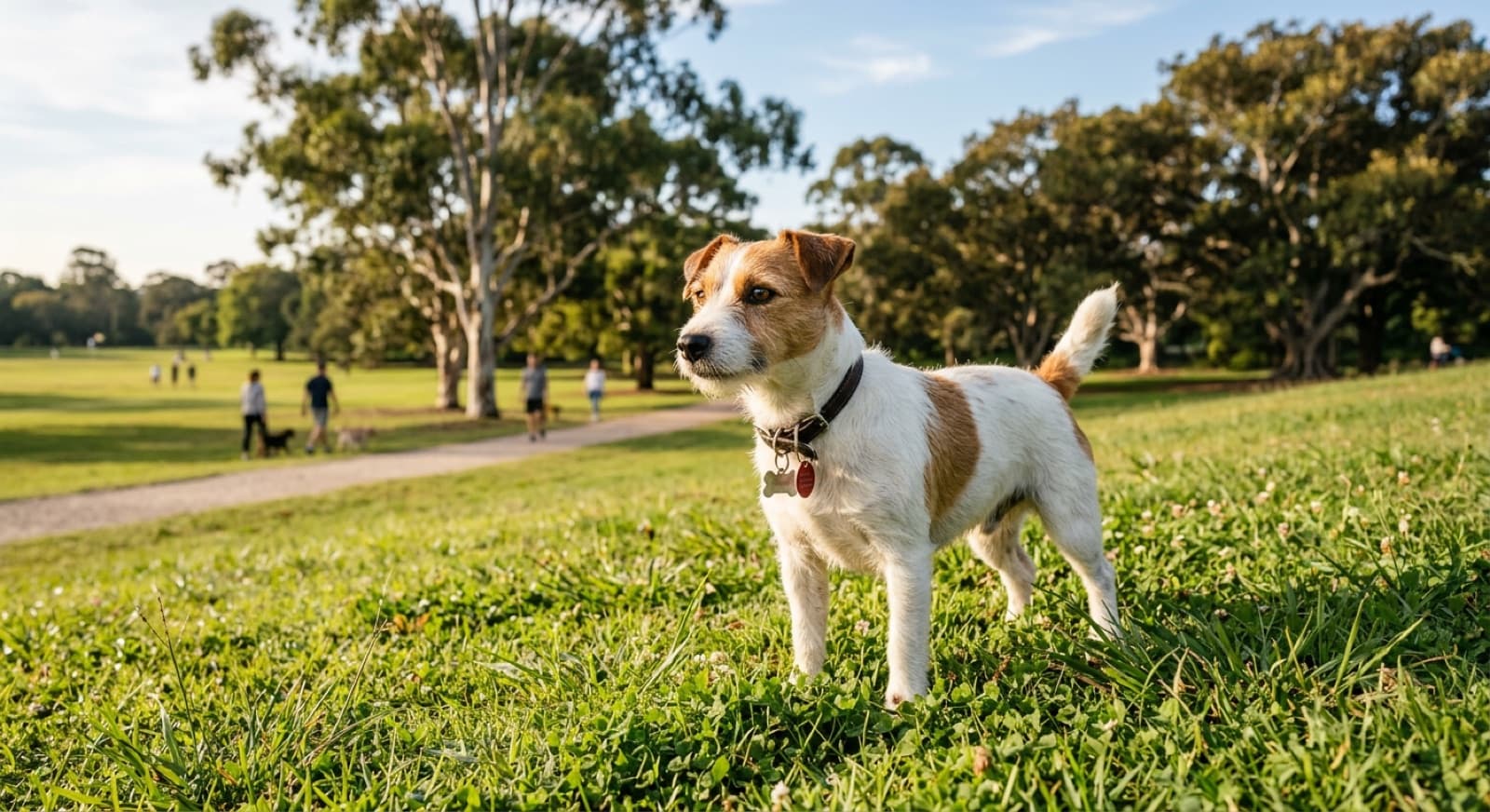
Jack Russells are common in Sydney rescue and inexpensive to adopt: fees run $300 to $600 for an adult, all-inclusive. The catch is the breed itself. This is a small dog with the energy, drive and brain of a working terrier, so it needs an hour or more of real exercise a day plus mental work, or it barks, digs and gets into trouble. The strong prey drive means real caution around cats and small pets, and the barking makes honesty about apartment or strata living essential. Meet the exercise and enrichment, and a Jack Russell is a bold, funny, affectionate, long-lived companion. Underestimate it as an easy little dog, and you get exactly the mismatch that fills rescues.
Why Jack Russells end up in Sydney rescue
The Jack Russell surrender story is remarkably consistent, and understanding it is the best preparation for adopting one. Nearly all of it comes down to a single mismatch: people buy a small, cute dog expecting it to be easy and low-effort, and instead get a working terrier bred to hunt.
Underestimated energy. A Jack Russell has the exercise needs and drive of a much larger working dog, and an owner who expected a lap dog is quickly overwhelmed. An under-exercised Jack Russell channels that energy into barking, digging, chewing and general mischief.
Barking and noise. The breed is vocal, and in an apartment or a strata block with close neighbours, the barking of a bored or under-stimulated Jack Russell is a common route to a complaint and a surrender. It is one of the most frequent reasons these dogs lose their homes.
Prey drive. The instinct to chase and catch small animals is strong, and a clash with a resident cat or small pet, or a habit of bolting after wildlife, sometimes ends in the dog being given up.
Digging and destruction. A bored terrier digs up gardens and destroys the house, and owners who did not provide enough exercise and enrichment reach the end of their patience.
The dogs themselves are almost always sound, funny and affectionate. What a rescue Jack Russell needs is an owner who understands the terrier underneath and is ready to meet its needs, not a different personality. Ask the rescue how vocal the dog is, what its energy and prey drive are like, and how it copes alone.
Where to adopt a Jack Russell in Sydney
Jack Russells come into rescue steadily, so a wide net catches the right dog, and a careful match matters with a breed this driven. Set up alerts on every rescue you would consider, and look at small-dog and terrier-focused rescues too. For a fuller directory, see our guide to the best dog rescues in Sydney.
1. RSPCA NSW
The Sydney Adoption Centre at Yagoona plus regional NSW centres see Jack Russells and Jack Russell crosses regularly. Every adoption already includes desexing, vaccination, microchipping, a vet workup and a behavioural assessment, and the team can tell you how vocal and driven a particular dog is. Apply at rspcansw.org.au.
2. Animal Welfare League NSW
AWL NSW runs the Kemps Creek Shelter plus around a dozen volunteer branches across the state, and small terriers including Jack Russells are common on the roster. Adult adoption fees sit around $450 and include desexing, vaccination, microchipping and a vet check. Current listings on awlnsw.com.au.
3. Sydney Dogs and Cats Home
The city's oldest shelter, founded in 1946, at Strathfield South. Takes a broad mix of dogs through owner surrender and council contracts, including Jack Russells and terrier crosses. Adoption includes desexing, vaccination, microchipping, parasite treatment and a vet check. More at sydneydogsandcatshome.org.
4. Monika's Doggie Rescue
No-kill foster-based rescue at Doggiewood in Ingleside on the Northern Beaches. Because the dogs live in foster homes, the notes on a Jack Russell's energy, barking, prey drive and how it copes alone tend to be detailed and accurate, which matters for this driven breed. Adoption fee is around $400 for most adult dogs, and the process includes a home check. Listings at doggierescue.com.
5. Maggie's Rescue
Inner West rescue based in Marrickville, running a foster-to-adopt model with a two-week trial built into every adoption, which is genuinely useful for matching a high-energy terrier to a home. Listings are published through the SavourLife portal. Adoption fees range $250 to $750. Information and application links at maggiesrescue.org.
Beyond these, small-dog and terrier-focused rescues in NSW place Jack Russells through foster networks, and council pounds hold them too. Whatever the source, verify any rescue through a real address, a current adoptable-dog list and charitable status before sending money. Browse the current Jack Russells and Jack Russell crosses on the Sydney Jack Russell listings.
How much does Jack Russell adoption cost in Sydney?
Adoption fees run about $300 to $600 for an adult Jack Russell and $400 to $800 for a puppy. Every fee already includes desexing, C5 vaccination, microchipping, worm and flea treatment and a vet check, which would cost far more if you paid for them separately after a private purchase.
On top of the fee, budget for the NSW Pet Registry lifetime registration (around $84 for a desexed dog, via the NSW Pet Registry), a secure yard, since Jack Russells dig and can be surprising escapers, and a good harness and lead. Ongoing yearly costs are modest for a small dog, around $1,200 to $2,000, covering food, routine vet care, year-round tick and parasite prevention and dental care, which small breeds need more attention to. A Jack Russell is cheap to feed; the real investment is the daily exercise and enrichment time the breed demands.
Browse adoptable Jack Russells in Sydney
Jack Russells are common in NSW rescue and full of personality. Browse live listings across Sydney and NSW, and match one to your household's energy.
See Available Jack Russells →The terrier reality, in brief
You cannot adopt a Jack Russell well without respecting the working terrier underneath the small, appealing package, so here is the short version, with the detail in our companion guides. A Jack Russell needs an hour or more of real exercise a day plus mental work, or it becomes vocal and destructive. It has a strong prey drive, so cats and small animals are a genuine consideration and recall is unreliable near a trigger. It digs, it barks, and it is clever enough to need a job. It is not, despite the size, a low-effort lap dog.
None of this makes a Jack Russell a bad dog; it makes it a big personality in a small body that rewards an active, engaged owner. We cover the exercise, digging, barking and prey drive in depth in our Jack Russell exercise and terrier behaviour guide, and the medical picture in our Jack Russell health guide.
What a Jack Russell is like to live with
For an active owner, a Jack Russell is a joy. They are bold, confident, playful and deeply affectionate with their people, and they pack more personality into a small frame than almost any breed. They are clever and love a challenge, thriving on training, games and activities that give the busy brain a job, and they are often wonderful, robust companions for active children. They are also long-lived, so a good match can share 15 years with you.
The other side is that a Jack Russell is a working terrier, not an ornament: strong-willed, energetic, vocal, and driven to dig and chase. It suits an active household that will exercise and engage it every day and that can manage the prey drive around small animals, rather than someone wanting a quiet, undemanding pet. Match the breed to your genuine energy and lifestyle, and a rescue Jack Russell will repay you with years of loyalty, laughter and character.
Frequently Asked Questions
Where can I adopt a Jack Russell near me in Sydney?
Start with the five main NSW rescues: RSPCA NSW (Sydney Adoption Centre at Yagoona), Animal Welfare League NSW (Kemps Creek plus regional branches), Sydney Dogs and Cats Home (Strathfield South), Monika's Doggie Rescue (Ingleside) and Maggie's Rescue (Marrickville). Jack Russells and Jack Russell crosses turn up regularly because the breed is common and often surrendered, and they also appear in council pounds. There are small-dog and terrier-focused rescues in NSW that place through foster homes too. Because Jack Russells come into rescue steadily, set alerts across all of them and be ready to apply, but take the time to match the dog's energy and prey drive to your household, because a mismatch is exactly what lands so many of them back in rescue.
Why do so many Jack Russells end up in rescue?
Almost always because people expect a small, easy lap dog and get a tireless working terrier instead. The Jack Russell was bred to hunt foxes and vermin, so it is bold, energetic, clever and driven, and in a home that does not meet those needs it barks, digs, chews and finds trouble. The common surrender triggers are the noise (barking that upsets neighbours in apartments and strata), the digging and destruction of a bored dog, the strong prey drive that clashes with cats and small pets, and simply the shock of how much dog is packed into a small body. The terriers themselves are usually sound, funny, affectionate dogs; the mismatch is with the owner's expectations.
How much does it cost to adopt a Jack Russell in Sydney?
Adoption fees run about $300 to $600 for an adult Jack Russell and $400 to $800 for a puppy, depending on the rescue and the dog, and that fee already covers desexing, vaccination, microchipping, worm and flea treatment and a vet check. On top of the fee, budget for the NSW Pet Registry lifetime registration (around $84 for a desexed dog), a secure yard (Jack Russells dig and can be surprising escapers), a good harness and lead, and general setup. Ongoing yearly costs sit around $1,200 to $2,000 for a small dog, covering food, routine vet care, tick and parasite prevention and dental care. A Jack Russell is inexpensive to feed, but the exercise and enrichment commitment is the real cost of the breed.
Are Jack Russells good apartment or strata dogs?
They can be, but only with enough exercise and honest attention to the noise. A Jack Russell is small enough for an apartment physically, but it has a big-dog energy level and a strong tendency to bark, and barking is one of the most common reasons Jack Russells are surrendered from apartments and strata blocks with close neighbours. If you live in strata or rent, check your bylaws and lease, be realistic about how long the dog is left alone, and plan to meet its exercise and enrichment needs every day. A well-exercised Jack Russell settles far better in a smaller home than a bored one, but you cannot skip the daily activity and expect a quiet dog.
How much exercise does a Jack Russell need?
Far more than its size suggests. Plan on at least an hour a day of real activity for an adult Jack Russell, split between walks, play and mental work, and understand that a stroll around the block does not touch the sides. This is a working terrier with real stamina and a busy brain, so it needs both physical exercise and mental stimulation, and an under-exercised Jack Russell becomes a barking, digging, destructive one. Fetch, secure off-lead running, training, scent games and puzzle feeders all help. A tired, mentally satisfied Jack Russell is a delightful companion; a bored one is a handful, so the exercise is the single biggest daily commitment of the breed.
Are Jack Russells good with children and other pets?
Many are excellent with children, being playful, robust and affectionate, though supervision with toddlers is sensible because a Jack Russell will not tolerate rough handling and is a busy, bouncy dog. With other dogs they are often sociable but can be scrappy and bold well beyond their size, so introductions matter. The big caution is prey drive: the breed was made to chase and catch small animals, so cats, rabbits, guinea pigs, chickens and wildlife can be a real risk, and even a Jack Russell raised with a cat can be unreliable. If you have small pets, discuss it honestly with the rescue and be guided by the individual dog's assessment.
Are Jack Russells easy to train?
They are highly intelligent and learn quickly, but they are also independent, strong-willed and easily bored, so training takes patience and consistency rather than being effortless. Reward-based training with high-value treats works well, and short, fun, frequent sessions suit the terrier attention span, while harsh methods backfire. Jack Russells excel at tricks, agility, scent work and games that give the clever brain a job, and channelling that intelligence is a big part of keeping the breed out of trouble. Recall can be unreliable once the prey drive engages, so a lead in unfenced areas is sensible. Put the training in and you get a capable, responsive dog; skip it and the terrier makes its own decisions.
Should I adopt a Jack Russell puppy or an adult?
For most Sydney households an adult is the easier and wiser choice. A Jack Russell puppy is a whirlwind of energy that needs enormous input, and it gives you little reliable read on adult temperament and drive. An adult Jack Russell has a settled personality a rescue can assess, established habits, a known energy level and prey drive, and a lower adoption fee, and because the breed is long-lived, an adult still has many years ahead. Senior Jack Russells are often a little calmer while still being bright and affectionate, and they make wonderful companions for an active but slightly quieter home. Adopting an adult whose real character you can see is a genuine advantage with this breed.
How long do Jack Russells live?
A long time, often 13 to 16 years, which is one of the joys and one of the commitments of the breed. They are a hardy, robust little dog, and a well-exercised Jack Russell kept lean and mentally engaged tends to stay bright and active well into its senior years. That long lifespan is worth thinking through before you adopt, because it is a genuine 15-year commitment to an energetic dog, but it also means an adopted adult or even senior Jack Russell can still share many good years with you. Keeping the dog lean, well-exercised and up to date on dental and veterinary care supports both length and quality of life.
Is it worth adopting rather than buying a Jack Russell?
Yes, on every count. Jack Russells are common in NSW rescue, so there is rarely a need to buy one, and adopting is far cheaper than a breeder while giving a deserving dog a home. A rescue Jack Russell arrives already desexed, vaccinated, microchipped and vet-checked, and often as an adult whose temperament and energy you can actually assess, which matters enormously for a breed where the mismatch between expectation and reality drives so many surrenders. Buying a puppy on impulse is, in fact, how many Jack Russells end up in rescue in the first place, so adopting an adult that suits your household breaks that cycle rather than feeding it.
Keep reading
Adoptable Jack Russells in Sydney
Live listings of Jack Russells and Jack Russell crosses, with filters for age, size and household compatibility.
Jack Russell Exercise & Terrier Behaviour
The exercise needs, barking and digging, prey drive, and channelling a clever working terrier in Sydney.
Jack Russell Health Issues in Sydney
A hardy, long-lived breed: the eye, knee and dental issues to know, plus paralysis tick in NSW.
How to Adopt a Dog in Sydney
The full Sydney adoption process, paperwork, vet questions and home-check tips.