The short answer
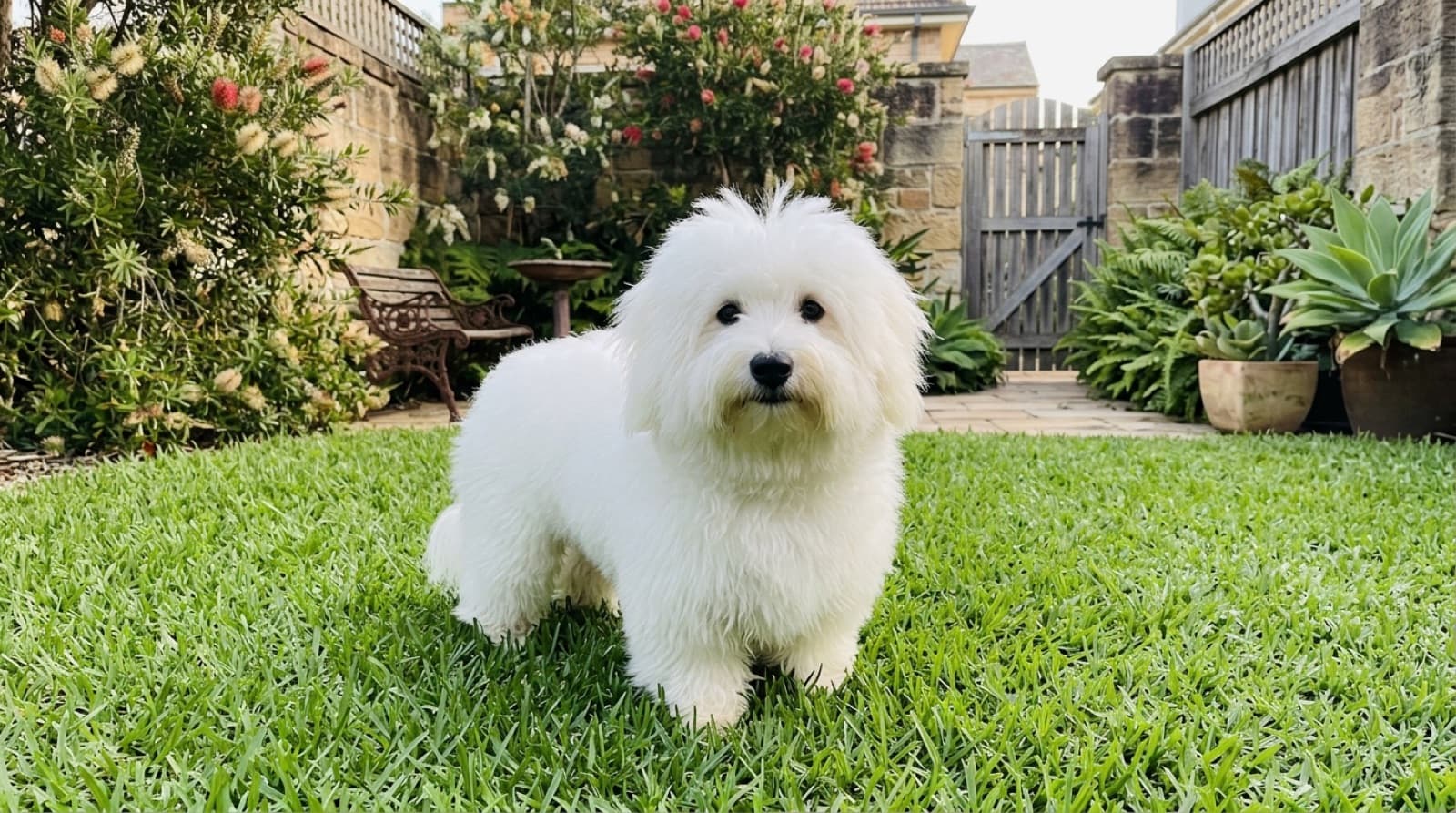
The Coton de Tuléar is a genuinely hardy small breed that often lives around 14 to 16 years, so start from a place of reassurance. The main condition to know is patellar luxation, a slipping kneecap that shows as a brief skip on a back leg. Beyond that, stay ahead of dental disease in a small crowded mouth, keep an eye out for eye conditions like progressive retinal atrophy and cataracts with age, and be aware of hip issues in some lines. Keep the dog lean, book regular vet and dental checks, and stay on year-round paralysis tick prevention, because on the NSW coast a tick bite is a fatal risk if it is not treated.
A hardy, long-lived breed first
Before the list of conditions, the honest headline is a good one. The Coton de Tuléar is one of the soundest small companion breeds you can own, and one of the longest-lived. It comes from the port city of Tuléar in Madagascar, where it was kept purely for company rather than any working job, yet the breed has held on to a robust constitution and avoids the long roll-call of serious inherited problems that weigh down some fashionable small dogs. Most Cotons live around 14 to 16 years, and plenty stay bright and active deep into old age.
So this article is not a warning label. It is a plan. The conditions below are worth knowing so you can spot them early and act, but most Cotons will only ever brush against one or two of them, and much of what keeps the breed well is ordinary care: a lean weight, real exercise, clean teeth, and steady tick prevention. The RSPCA Australia Knowledgebase has good general guidance on preventative care and keeping a dog at a healthy weight that applies to any breed.
Patellar luxation: the notable one
If there is one condition to understand in the Coton de Tuléar, it is patellar luxation, a slipping kneecap. It is the most common orthopaedic problem across small breeds, and the Coton is no exception. The kneecap, or patella, should ride in a groove at the bottom of the thigh bone as the leg bends. In an affected dog it slips out of that groove, usually to the inside, then slides back into place. That popping in and out is what you see.
The classic sign. The give-away is a brief skip or hop on a back leg, or the dog holding a hind leg up for a step or two mid-walk before dropping it and carrying on as if nothing happened. Some dogs give a little yelp, most do not. It can come and go, and a mild case may cause no obvious pain at all. Vets grade patellar luxation from one to four, from a kneecap that only slips when pushed up to one that sits out of place most of the time.
What to do. Many Cotons live comfortably with a low grade and need nothing more than a lean weight and a watchful eye, since every extra kilo on a small dog loads the knee. More serious grades cause ongoing lameness or arthritis over time and are worth assessing properly, because your vet can advise whether management or surgery gives the better long-term outcome. If your Coton skips on a back leg often, or seems sore after exercise, book a check so the grade is known and a plan is in place. Catching it early, before arthritis sets in, is always better than waiting.
Dental disease: small mouth, big priority
Dental disease is one of the most common health problems in small breeds, and the Coton de Tuléar is squarely in that group. The reason is mechanical: a small mouth crowds the teeth close together, which traps plaque and food, and plaque hardens into tartar that inflames the gums. Left alone it moves from bad breath to painful gums, then to loose teeth, tooth loss and infection that can, over years, put strain on other organs. It creeps up quietly, because dogs rarely show mouth pain until it is advanced.
The upside is that dental disease is one of the easiest problems to stay ahead of. Regular tooth brushing at home is by far the most effective step, ideally most days, using a dog toothpaste and a soft brush. Dental chews help, and your vet will recommend a professional scale and polish under anaesthetic when the tartar warrants it. Building the toothbrushing habit while the dog is young pays off enormously across a 14-to-16-year life, and asking your vet to check the teeth at every routine visit means nothing sneaks up on you.
Eyes: progressive retinal atrophy and cataracts
The Coton de Tuléar can carry a couple of eye conditions worth knowing, and reputable breeders eye-test their dogs to reduce the inherited ones. The first is progressive retinal atrophy, or PRA, a gradual inherited breakdown of the retina at the back of the eye. It slowly reduces vision, and because it usually affects night vision first, an early clue is a dog that becomes hesitant in dim light, hangs back at dusk, or bumps into things it would normally weave around. PRA is not painful, and dogs adapt remarkably well to slowly fading sight in a home whose layout they know, but it is worth confirming with a vet so you understand what is happening and can keep the dog safe.
The second is cataracts, where the lens clouds so the pupil looks milky or bluish-white and vision fades as the cloudiness thickens. A cataract itself is not painful and many dogs manage well, but it is worth a vet check to confirm the cause and advise whether anything needs doing. The simple rule for a Coton's eyes: any slow cloudiness or new night-time hesitancy earns a routine check, and any red, painful or suddenly cloudy eye earns an urgent one, since sudden eye pain is never normal.
Hips: dysplasia and Legg-Calve-Perthes
Some Cotons have hip issues, and there are two worth knowing. Hip dysplasia is a poor fit of the ball-and-socket hip joint that leads to looseness, wear and arthritis over time. It is more associated with larger breeds, but small dogs are not immune, and it shows as stiffness, a reluctance to jump, or a swaying, bunny-hopping gait. It is diagnosed with an examination and imaging, and managed with weight control, sensible exercise and, in some cases, surgery.
The one to know in small breeds specifically is Legg-Calve-Perthes disease, a hip condition of young dogs where the top of the thigh bone loses its blood supply and begins to break down, causing pain and limping, usually in a dog under a year old. A young Coton that develops a persistent limp on a back leg should be seen by a vet, since it is diagnosed with imaging and is very treatable when caught early. As with the knees, keeping the dog lean takes strain off every joint and is the single simplest thing you can do for its legs.
Emergency: paralysis tick signs or sudden collapse
Two situations mean get to a vet without waiting. The first is the paralysis tick. Signs are a wobbly or weak back end, a changed, softer or croaky bark, gagging, coughing, retching, vomiting or laboured breathing, and they get worse over hours. The paralysis climbs the body and is fatal without treatment. The second is any sudden collapse, seizure or laboured breathing at rest. In both cases do not wait to see if it settles overnight. Phone ahead so the team is ready, and if it is out of hours head to a 24/7 emergency hospital such as SASH, which offers round-the-clock specialist and emergency care in Sydney. With a tick, sooner is always better, because the toxin keeps working while you wait.
The Sydney paralysis tick point
One health risk has nothing to do with the breed and everything to do with where you live. The paralysis tick is native to the east coast of Australia, including the coastal and bushland areas around Sydney, and its bite releases a toxin that causes an ascending paralysis which is fatal without veterinary treatment. It is a year-round risk here, not just a summer one, which matters for a curious little companion that likes nosing through the garden, the bush and long grass on walks.
The response is straightforward. Keep your Coton on a vet-recommended tick prevention product every single month with no gaps, and after any walk through bush or long grass run your hands slowly over the whole dog, feeling for a lump. A Coton's thick, soft cotton coat gives a tick excellent cover, so part the coat and check carefully by hand: under and inside the ear flaps, around the face and muzzle, under the collar, in the armpits and between the toes. If your dog develops a wobbly back end, a changed or weak bark, gagging, retching or heavy breathing, treat it as an emergency and get to a vet at once. Ask your own vet which prevention product suits your dog, since the right choice depends on the individual.
Pet insurance and budgeting for a long life
Because the Coton de Tuléar is long-lived, you are budgeting across many years, and that changes how you think about insurance. The conditions that do appear, such as a knee that needs surgery, a dental procedure under anaesthetic, or an eye assessment with a specialist, are exactly the kind of one-off bills that are hard to meet out of pocket. Pet insurance spreads that cost, and the golden rule is to take out cover while the dog is young and healthy, because insurers exclude pre-existing conditions, so anything diagnosed before you start is unlikely to be covered afterwards.
Compare a few Australian providers such as Bow Wow Meow and Petplan Australia, and know that many brand-name policies are underwritten by PetSure behind the scenes, so the fine print matters more than the logo. Read the product disclosure statement for annual limits, sub-limits, excess and any breed exclusions before you choose. Whatever you land on, a modest emergency savings buffer alongside a policy is sensible, so you are never caught between your dog and your budget.
Browse adoptable Coton de Tuléars in Sydney
Adopting an adult lets you learn a dog's health history directly, with a vet check already done and any known knee, dental or eye issue noted upfront. Purebred Cotons reach rescue less often than mainstream breeds, so browse live NSW listings and set an alert to hear the moment one comes in.
See Available Coton de Tuléars →Why adopting a Coton de Tuléar is not a health disadvantage
People sometimes worry that a rescue dog is a health gamble next to a breeder puppy. For a hardy, long-lived breed like the Coton de Tuléar the picture is more balanced than that. A Coton adopted through a reputable Sydney rescue arrives desexed, vaccinated, microchipped, treated for parasites and vet-checked, with all of it included in the fee. You are not taking on an unassessed animal, and any known condition is usually flagged before you meet the dog.
Adopting also means the day-to-day picture is often known upfront. A foster carer who has lived with the dog can tell you whether it skips on a leg, how its teeth look, and how it copes on walks, which is real information a puppy cannot offer. If you are weighing it up, our Coton de Tuléar adoption guide for Sydney covers where to look and what it costs, and the Coton de Tuléar grooming and coat care guide covers the soft cotton coat that mats easily. Sydney rescues worth watching include RSPCA NSW, AWL NSW, Sydney Dogs and Cats Home and Monika's Doggie Rescue.
Keeping a Coton de Tuléar healthy: the checklist
Most of what keeps a Coton de Tuléar well is routine. This is a sound breed, so the habits below do the heavy lifting across a long life.
- Keep the dog lean. Measure meals to a visible waist and go easy on treats. A lean Coton carries far less risk of knee and hip trouble and tends to live longer.
- Give it real exercise. A daily walk plus play keeps a companion dog fit and holds a healthy weight, which protects joints and heart alike. Walk in the cooler hours in a Sydney summer and carry water.
- Brush the teeth. Regular tooth brushing and dental checks prevent painful disease in a small, crowded mouth. It is the highest-value habit you can build.
- Watch the knees. A frequent skip or hop on a back leg deserves a vet check so the grade of any patellar luxation is known and a plan is set.
- Mind the eyes. Note any night-time hesitancy or slow cloudiness for a routine check, and treat any red, painful or suddenly cloudy eye as urgent.
- Book regular vet checks. Annually while adult, then twice yearly for a senior, so early joint, eye, or dental changes are caught before they become a problem.
- Stay on year-round tick prevention. Use a vet-recommended product every month without a gap, because the paralysis tick on the NSW coast is a fatal risk.
When to see the vet urgently
Most Coton de Tuléar health issues are handled at a normal appointment. A few need a faster response. Get to a vet immediately, including out of hours, if you see any of these:
- A wobbly back end together with a changed or weak bark, gagging, retching, vomiting or heavy breathing (possible paralysis tick).
- Sudden collapse, seizures, or laboured breathing at rest.
- A red, painful, cloudy or bulging eye, or squinting and holding an eye shut (a sudden painful eye is always urgent).
- A back leg the dog will not put weight on at all, or obvious pain that does not ease.
For the everyday things, such as an occasional skip on a back leg, a slow-growing cloudiness in an eye, night-time hesitancy, tartar building on the teeth, or steady weight gain, book a normal vet visit soon rather than waiting. Catching those early gives your Coton de Tuléar the best outcome across its long life. When in doubt, phone your vet or a 24/7 hospital and describe what you are seeing. They would far rather you called and it was nothing than the other way around. For a broader look at the breed before you commit, browse the full Sydney adoption resources hub, or talk to your own vet, whom the Australian Veterinary Association can help you find.
Frequently Asked Questions
Are Coton de Tuléars healthy?
Yes. The Coton de Tuléar is one of the sounder small companion breeds and is generally long-lived, often reaching around 14 to 16 years. It was developed purely as a companion on the island of Madagascar rather than for a working job, but the breed has kept a robust constitution and does not carry the long list of serious inherited problems that burden some fashionable small dogs. The main thing to know is patellar luxation, a slipping kneecap common across small breeds. Beyond that, keep an eye on the teeth, which crowd in a small mouth, and the eyes, which can develop conditions such as progressive retinal atrophy or cataracts with age. Keep the dog lean, stay on year-round paralysis tick prevention, and most Cotons stay well into a long old age.
What health problems do Coton de Tuléars have?
The Coton de Tuléar is generally healthy, and the conditions worth knowing are mostly the ordinary small-companion ones. The notable one is patellar luxation, where the kneecap slips out of its groove and shows as a brief skip or hop on a back leg. Dental disease is common because a small mouth crowds the teeth and traps plaque. Eye conditions can appear, including progressive retinal atrophy, a gradual inherited loss of the retina, and cataracts that cloud the lens with age. Some Cotons have hip issues such as hip dysplasia or, in young dogs, Legg-Calve-Perthes disease. None of these is universal, and a well-bred, well-kept Coton may never meet any of them. On top of the breed list sits the Sydney paralysis tick, which is a location risk rather than a breed one.
How long do Coton de Tuléars live?
Coton de Tuléars often live around 14 to 16 years, and some go longer, which makes them one of the longer-lived companion breeds. That long life is a big part of the breed's appeal and a real commitment to think through before you adopt, because you are signing up for a dog that may be with you well over a decade. What most affects the length and quality of that life is within your control: keeping the dog lean, staying on top of dental care, keeping up year-round paralysis tick prevention, and booking regular vet checks that become twice-yearly in the senior years. Ask about the dog's health history when you adopt, and learn the early signs of the breed's conditions so you can act early.
What is patellar luxation in a Coton de Tuléar?
Patellar luxation is a slipping kneecap, and it is the joint condition most worth knowing in the Coton de Tuléar and small breeds generally. The kneecap pops out of the groove it should sit in, then usually slides back, so the classic sign is a brief skip or hop on a back leg, or the dog holding a leg up for a step or two before carrying on as normal. Many dogs cope well with a mild version and need no more than monitoring and a lean weight. More serious cases cause ongoing lameness or discomfort and are worth assessing with a vet, who grades the severity and can advise whether management or surgery is the better path. A Coton that skips on a back leg often, or that seems sore, should be checked so the grade is known.
Do Coton de Tuléars have eye problems?
Some can. The two eye conditions worth knowing in the breed are progressive retinal atrophy and cataracts. Progressive retinal atrophy, or PRA, is an inherited, gradual breakdown of the retina that slowly reduces vision, usually starting with night vision, so an early clue is a dog that becomes hesitant or bumps into things in dim light. It is not painful, and dogs adapt remarkably well to fading sight in a familiar home, but it is worth confirming with a vet. Cataracts cloud the lens so the pupil looks milky or bluish-white and vision fades as they thicken. Responsible breeders eye-test their dogs to reduce inherited conditions. Any slow cloudiness or night-time hesitancy earns a routine check, while any red, painful or suddenly cloudy eye earns an urgent one.
Do Coton de Tuléars need a lot of dental care?
Yes, more than you might expect for such a small dog, because a small mouth crowds the teeth and traps plaque, and dental disease is one of the most common health problems in small breeds. Left alone it causes bad breath, pain, tooth loss and gum infection that can affect the rest of the body over time. The good news is that it is one of the easiest problems to stay ahead of. Regular tooth brushing at home is the single most effective step, backed by dental chews and professional cleans under anaesthetic when your vet advises. Building a toothbrushing habit while the dog is young pays off across a 14-to-16-year life, and it is worth asking your vet to check the teeth at every routine visit.
Is pet insurance worth it for a Coton de Tuléar?
For most owners, yes, and the reason is simple: the Coton is long-lived, so you are insuring across many years, and the conditions that do appear, such as a knee that needs surgery, a dental procedure or an eye assessment with a specialist, are exactly the kind of one-off bills that are painful to meet out of pocket. Take out cover while the dog is young and healthy, because insurers exclude pre-existing conditions, so anything diagnosed before you start is unlikely to be covered later. Compare a few Australian providers such as Bow Wow Meow and Petplan Australia, and be aware many brands are underwritten by PetSure behind the scenes, so read the product disclosure statement for what is and is not covered. Whatever you choose, a modest emergency savings buffer alongside insurance is sensible.
Do rescue Coton de Tuléars come health checked?
Yes. A Coton de Tuléar adopted through a reputable Sydney rescue arrives desexed, vaccinated, microchipped, treated for worms and fleas, and vet-checked before it is listed, with all of that included in the adoption fee. Any known issue, such as a dental problem, a grade of luxating patella or an eye concern, is usually noted on the listing or shared by the foster carer. That is a genuine advantage, because a foster carer who has lived with the dog can tell you how it has been day to day, which a puppy from a listing cannot offer. Purebred Cotons reach rescue less often than mainstream breeds, and crosses appear alongside them, so setting an alert is the practical way to hear when one comes in.
Keep reading
Adoptable Coton de Tuléars in Sydney
Live listings of Coton de Tuléars and Coton crosses across Sydney and NSW rescues.
Coton de Tuléar Adoption in Sydney
Where to adopt a Coton de Tuléar or Coton cross, the real costs, and the coat and companionship needs to plan for.
Coton de Tuléar Grooming & Coat Care
The soft cotton single coat that mats easily, daily brushing versus a puppy clip, and coat care in humid Sydney.
All Sydney Adoption Guides
Browse every breed and how-to guide for adopting a rescue dog in Sydney.