The short answer
The Chihuahua's main health issues are the toy-breed ones. Dental disease is the biggest, because tiny crowded mouths trap plaque, so home brushing and periodic professional cleaning matter. Luxating patella (a slipping kneecap) and tracheal collapse are common, which is why you keep the dog lean and always walk it in a harness, never a collar. Older Chihuahuas can develop heart disease, and tiny puppies can get low blood sugar. They feel the cold and need warmth. The upside is a long life, commonly 13 to 17 years. Keep up dental care, keep the dog lean and warm, use a harness, and stay on top of vet checks. This is general information, not veterinary advice; for your dog, always talk to your vet.
A note on this guide: this is general educational information for prospective and current Chihuahua owners, not veterinary advice. Every dog is an individual. For diagnosis, treatment or advice about your specific dog, always consult a registered veterinarian. Sources include the Australian Veterinary Association, the RSPCA Knowledgebase and Small Animal Specialist Hospital (SASH).
Dental disease: the number-one issue
If you learn one thing about Chihuahua health, make it dental care. Their mouths are tiny and their teeth are crowded, so plaque and tartar build up easily, and dental disease is the single most common health problem in the breed. Left unmanaged over a long life it causes pain, tooth loss and infection that can affect the whole body.
The good news is that it is largely preventable. Regular tooth brushing at home (started gently and made routine), vet-recommended dental products, and professional dental cleaning under anaesthetic when your vet advises will keep a Chihuahua's mouth healthy. Because Chihuahuas live 13 to 17 years, budgeting for periodic dental work across that life is simply part of owning the breed responsibly, and it is one of the kindest things you can do for the dog.
Knees and the windpipe
Luxating patella. A slipping kneecap is common in toy breeds. You might see an occasional skip or hop in a back leg, or the dog briefly holding a leg up. Mild cases are usually managed with weight control and monitoring; more severe ones can need surgery. Keeping your Chihuahua lean and having any recurring limp checked by your vet are the key steps.
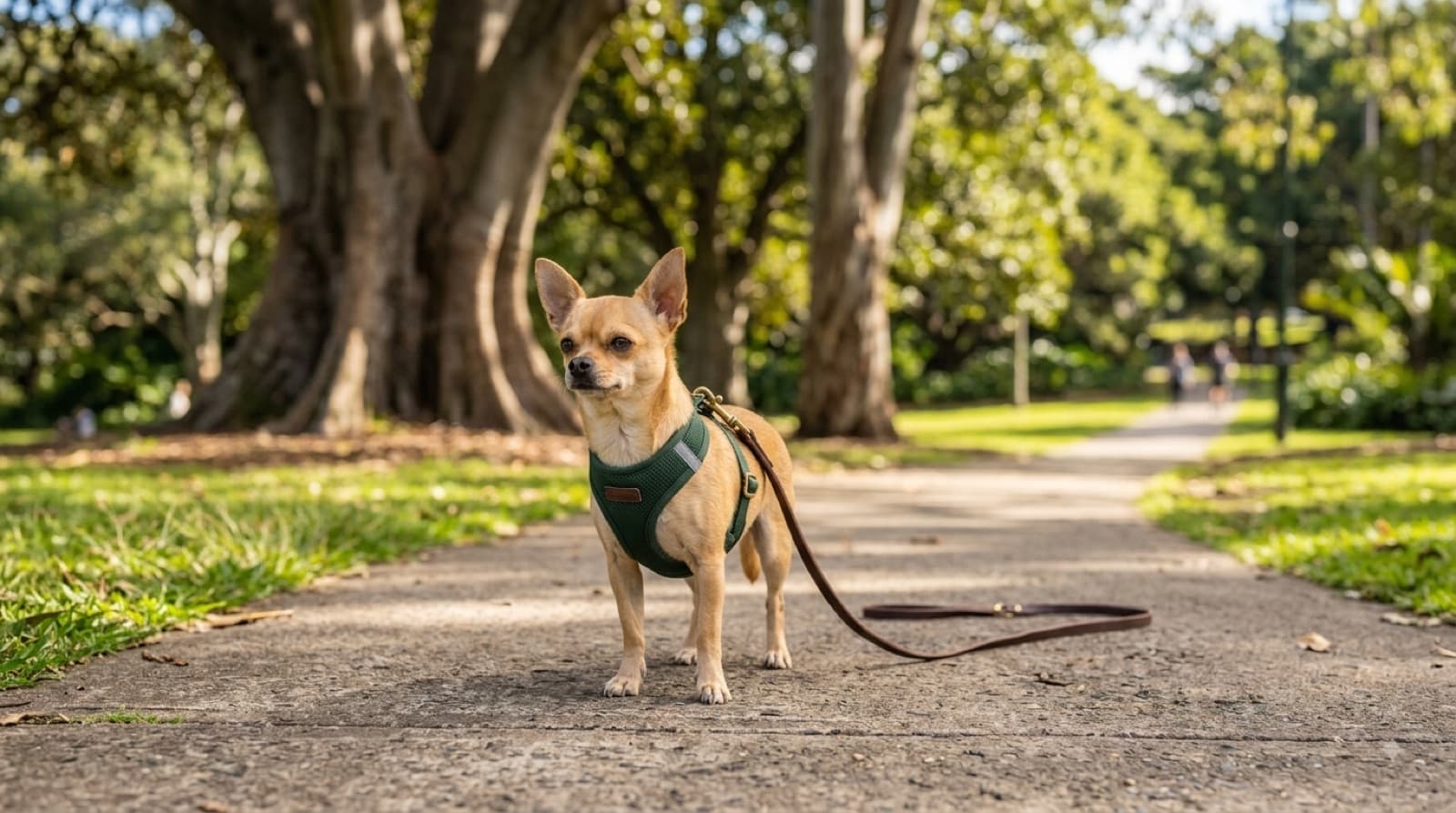
Tracheal collapse and the harness rule. Chihuahuas are prone to a weakening of the windpipe, and pressure from a collar on a small neck can make it worse. Always walk a Chihuahua in a well-fitted harness, never a collar, so any lead pressure spreads across the chest instead of the throat. A honking cough, especially with excitement, is a sign to see your vet. Using a harness is a simple, cheap habit that protects the airway for life.
Heart and blood sugar
Heart disease. Mitral valve disease, a common small-breed heart condition, is seen in older Chihuahuas, and because the breed lives so long, heart health matters in the senior years. Your vet listening at routine check-ups is how most early murmurs are found, which is one more reason regular veterinary care pays off. Many dogs live comfortably with managed heart disease; any treatment should always be vet-guided.
Hypoglycaemia in puppies. Very young and very small Chihuahua puppies can develop dangerously low blood sugar if they go too long without food or get cold or stressed. Weakness, wobbliness, lethargy and, in serious cases, collapse or seizures are an emergency needing a vet urgently. It is one more reason an assessed adult from rescue is often easier than a tiny puppy. If you do raise a young Chi, your vet will advise on frequent small meals and keeping the puppy warm.
Eyes, cold and the Sydney climate
Chihuahuas have large, prominent eyes that are more exposed to injury and dry eye than a longer-nosed dog's, so watch for redness, cloudiness, excessive tearing or pawing at the eye and have any of it checked. Some Chihuahuas also retain a soft spot on the skull (a molera), which your vet can assess and monitor.
On climate, Chihuahuas genuinely feel the cold. They are tiny with little body mass to keep warm, so they shiver even in a mild Sydney winter or an air-conditioned room in summer. A coat or jumper on cold mornings, a warm bed away from draughts, and not forcing walks in cold, wet weather keep a Chihuahua comfortable. In summer they still need shade and water like any dog, and tick and parasite prevention is essential year-round in the Sydney region, so keep it current and check your dog after bush or coastal walks.
Browse adoptable Chihuahuas in Sydney
Rescue Chihuahuas come vet-checked and desexed, with a health and temperament history the rescue will share honestly. Browse current NSW listings.
See Available Chihuahuas →Budgeting for a long-lived little dog
A Chihuahua is cheap to feed and groom, but do not assume it is a low-cost dog overall. The recurring expense to plan for is dental care over a 13-to-17-year life, and the breed's knee, heart and eye issues can add veterinary costs too. The two best financial decisions are pet insurance taken out while the dog is young (read the product disclosure statement carefully) and keeping up routine and dental care so problems are caught early and cheaply.
We cover the full cost of adopting and keeping a Chihuahua in our Chihuahua adoption guide. For general new-dog health planning in Sydney, the RSPCA Knowledgebase and your own vet are the best starting points.
Frequently Asked Questions
What health problems are Chihuahuas prone to?
As a toy breed, Chihuahuas are prone to a handful of specific issues. The most common by far is dental disease, because their tiny mouths crowd the teeth and trap plaque. Beyond that, they are prone to luxating patella (a slipping kneecap), tracheal collapse (which is why a harness rather than a collar matters), heart disease such as mitral valve disease in older dogs, and low blood sugar (hypoglycaemia) in very young or very small puppies. Their large, prominent eyes are more exposed to injury and dry eye, and some retain a soft spot on the skull (a molera). None of this should scare you off; it is a reason to choose a good vet, keep up dental care, use a harness, and consider pet insurance while the dog is young.
Why is dental disease such a big deal in Chihuahuas?
Because their mouths are tiny and their teeth are crowded, Chihuahuas trap plaque and tartar easily, and dental disease is the single most common health problem in the breed. Left unmanaged it causes pain, tooth loss and infection that can affect other organs over a long life. The good news is that it is largely manageable. Regular tooth brushing at home, vet-recommended dental products, and professional dental cleaning under anaesthetic when your vet advises all keep a Chihuahua's mouth healthy. Because Chihuahuas live so long, budgeting for periodic dental work across their life is simply part of responsible ownership, and it is one of the best things you can do for the dog's comfort.
What is luxating patella in Chihuahuas?
Luxating patella is when the kneecap slips out of its normal groove, and it is common in toy breeds including Chihuahuas. You might notice an occasional skip or hop in the back leg, or the dog holding a leg up briefly before carrying on. Mild cases are often managed with weight control and monitoring, while more severe cases can need surgery, which is why keeping your Chihuahua lean and having any recurring limp checked by your vet matters. Many Chihuahuas live comfortably with mild patella issues for years. Your vet can grade the severity and advise whether management or surgery is the right path for your individual dog.
Why should I use a harness instead of a collar on a Chihuahua?
Because Chihuahuas and other toy breeds are prone to tracheal collapse, a weakening of the windpipe, and pressure from a collar on a small neck can aggravate it. A well-fitted harness spreads any pressure across the chest instead of the throat, which is much safer for the delicate trachea, and it also gives you better, gentler control of a small dog. Signs of tracheal issues include a honking cough, especially with excitement or exertion. Using a harness for every walk is a simple, cheap habit that protects your Chihuahua's airway, and most Sydney vets and trainers recommend it as standard for the breed.
Do Chihuahuas have heart problems?
They can, particularly as they age. Mitral valve disease, a common heart condition in small breeds, is seen in older Chihuahuas, and because the breed lives so long, heart health becomes something to watch in the senior years. Your vet listening carefully to the heart at routine check-ups is how most early murmurs are picked up, which is one reason regular veterinary care matters across a Chihuahua's long life. Many dogs live comfortably with managed heart disease for a good while. If your vet detects a murmur, they will advise on monitoring, and any treatment or medication should always be guided by them, never self-managed.
Are Chihuahua puppies prone to low blood sugar?
Yes. Very young and very small Chihuahua puppies can develop hypoglycaemia (low blood sugar), because their tiny bodies have little energy reserve, and it can come on if they go too long without food or get too cold or stressed. Signs include weakness, wobbliness, lethargy and, in serious cases, collapse or seizures, and it is an emergency that needs a vet urgently. This is one more reason adopting an adult Chihuahua from rescue is often easier than raising a tiny puppy. If you do have a young Chi, your vet will advise on frequent small meals and keeping the puppy warm, and you should know the signs before you bring one home.
Do Chihuahuas feel the cold in the Sydney climate?
Yes, more than most breeds. Chihuahuas are tiny and have little body mass to keep warm, so they genuinely feel the cold and often shiver, even in a mild Sydney winter or in an air-conditioned room in summer. A dog coat or jumper on cold mornings, a warm bed away from draughts, and not pushing walks in cold, wet weather all keep a Chihuahua comfortable. It is not just fussiness; a cold small dog is a stressed one. On the flip side, in a Sydney summer they still need shade, water and protection from heat like any dog, and tick prevention year-round is essential in the region.
How long do Chihuahuas live, and how do I keep one healthy?
Chihuahuas commonly live 13 to 17 years, sometimes longer, one of the longest lifespans of any breed. The keys to a long, comfortable life are straightforward: keep up dental care, because dental disease is the breed's biggest issue; keep the dog lean, because excess weight worsens the knees, heart and general health; use a harness to protect the trachea; keep the dog warm and stress-free; and stay on top of routine vet checks so problems like heart murmurs and dental disease are caught early. Tick and parasite prevention is essential year-round in Sydney. Give a Chihuahua that care and you give it the best chance at its full, long life.
Keep reading
Adoptable Chihuahuas in Sydney
Live listings of Chihuahuas and Chi crosses across Sydney and NSW rescues.
Chihuahua Adoption in Sydney
Where to adopt, what it costs, why so many end up in rescue, and the truth about the reputation.
Chihuahua Behaviour & Socialisation
Why Chihuahuas get a bad name, and how to raise or rehabilitate a confident, friendly one.
All Sydney Adoption Guides
Browse every breed and how-to guide for adopting a rescue dog in Sydney.