The short answer
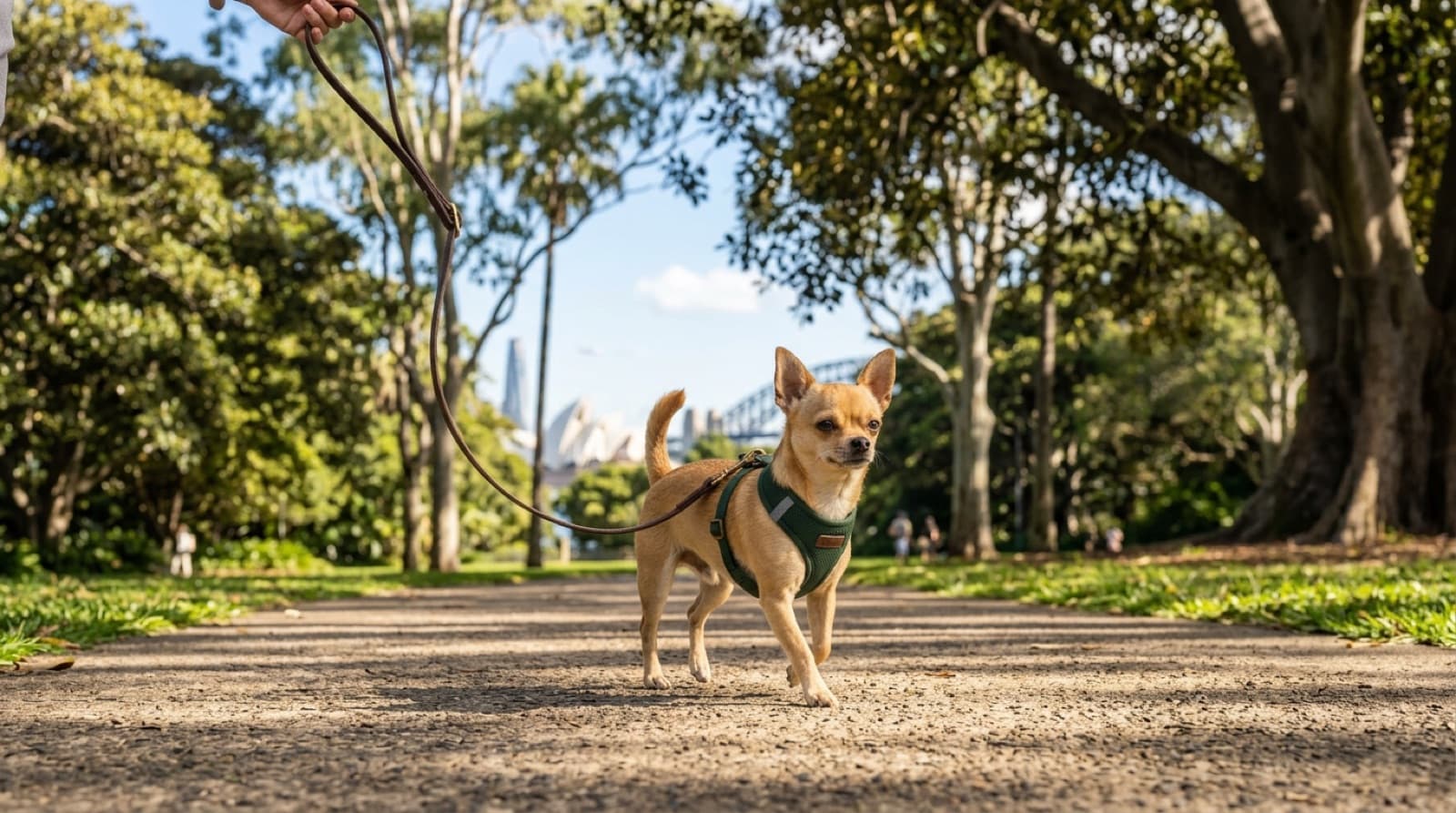
Chihuahuas get a reputation for being snappy and yappy, but that behaviour comes from under-socialisation and being treated like an accessory, not from the breed. The dog that is carried everywhere, never allowed to walk, and shielded from the world becomes fearful and defensive. The fix is simple to describe and takes commitment to do: treat a Chihuahua like a real dog. Let it walk on a harness, socialise it widely and positively, give it rules and structure, use reward-based training, and never coddle or punish it. Do that and a Chihuahua is confident, friendly and stable, and a genuinely lovely apartment companion. A fearful rescue Chi can be rehabilitated the same way, with patience.
Where the reputation really comes from
Ask most people about Chihuahuas and you will hear the same thing: yappy, snappy, bad-tempered little dogs. It is worth being honest about where that comes from, because it is not the breed's nature. It is the result of how Chihuahuas are so often kept.
Because they are tiny and portable, Chihuahuas are frequently carried everywhere, never allowed to walk and explore, rarely socialised with other dogs and people, and whisked away from anything they find frightening. A dog raised like that never learns that the world is safe. So it does the only thing it can to protect itself: it growls, barks and snaps when it feels threatened, which, for an under-socialised dog, is much of the time. The behaviour is driven by fear, not aggression.
The proof is in the many confident, friendly Chihuahuas out there, the ones raised like proper dogs. Treated with socialisation, exercise, structure and reward-based training, a Chihuahua is a stable, affectionate, clever companion that bonds deeply with its person. The reputation is really a reputation for a common way of raising the breed, and you can choose to raise yours differently.
The accessory-dog trap
The single biggest mistake with a Chihuahua is treating it as an accessory rather than a dog. It usually comes from a good place, wanting to protect and dote on a tiny, fragile animal, but the effect is to deny the dog everything it needs to be well-adjusted.
Constant carrying is the clearest example. A Chihuahua that is picked up whenever another dog approaches, whenever a stranger comes near, whenever anything new happens, learns two things: that the world is dangerous, and that being scooped up is the response. It never develops the confidence that comes from meeting the world on its own four legs. This is also called small dog syndrome: the pushy, barky, snappy behaviour that appears when a small dog is never given rules or socialisation, precisely because owners let small dogs get away with what they would never allow in a large one.
The cure is a mindset shift. Treat your Chihuahua exactly as you would a Labrador, scaled down. Rules, boundaries, walks, socialisation, training. It is the kindest thing you can do for a small dog, and it is what produces a confident, easy companion.
How to raise a confident Chihuahua
Raising a well-adjusted Chihuahua is not complicated, but it takes commitment. The essentials:
- Let it walk. Put the dog down and let it use its own legs. Walking, sniffing and exploring build confidence and burn energy.
- Socialise early and positively. Expose your Chihuahua gently to lots of people, friendly dogs, sounds, surfaces and situations, always paired with treats and calm reassurance. Puppy school is invaluable.
- Give it rules and structure. Consistent boundaries make a dog feel secure. Ask for the same manners you would from a big dog.
- Use reward-based training. Chihuahuas are clever and respond well to positive methods. Reward the behaviour you want; never punish fear.
- Provide exercise and mental engagement. A bored, under-exercised Chihuahua barks and frets more. Daily walks and simple training games help a lot.
A reward-based puppy school or training class helps enormously, both for the skills and the socialisation. The RSPCA Knowledgebase has sound, force-free guidance on socialising and training dogs, and a Sydney force-free trainer can help if you want hands-on support. One health-linked habit to build in from day one: always walk a Chihuahua in a harness, never a collar, to protect its delicate windpipe (more on that in our Chihuahua health guide).
Browse adoptable Chihuahuas in Sydney
Rescue Chihuahuas come with an assessed temperament, so you can choose a dog whose character suits you. Browse live NSW listings.
See Available Chihuahuas →Rehabilitating a fearful rescue Chihuahua
Many rescue Chihuahuas come from puppy mills, hoarding cases or homes that treated them like accessories, so a good number arrive fearful, under-socialised and quick to snap. The encouraging news is that most improve a great deal with patient, consistent work.
The approach is the same as socialising a puppy, only slower and gentler. Build the dog's confidence through positive experiences at its own pace, never forcing it into situations that overwhelm it. Give it structure, routine and reward-based training so it learns what to expect. Let it walk and explore. And never punish the fearful behaviour, which only deepens the fear. Progress is gradual, measured in small wins, and it is deeply rewarding. A good rescue will tell you honestly where a particular dog is at, and for a harder case, a force-free trainer experienced with fearful small dogs is worth the investment.
Chihuahuas and Sydney unit living
Chihuahuas are one of the better-suited breeds for apartment and unit life, which is a big part of why they are so popular across Sydney's inner suburbs. Their size, moderate exercise needs and love of being close to their person all fit unit living well.
Two things are worth managing. First, barking: Chihuahuas alert to corridor and neighbour noise, so work on a calm response early with reward-based training, especially if you share walls. Second, strata: you need body corporate or strata approval to keep a dog regardless of how small it is, so check the by-laws before you adopt. Give a Chihuahua daily walks and mental engagement so it is not bored and under-stimulated, stay on top of the vocal habit, and it makes an excellent, devoted apartment companion. For the full picture on adopting one, see our Chihuahua adoption guide.
Frequently Asked Questions
Why do Chihuahuas have a reputation for being aggressive?
Because the way many Chihuahuas are raised sets them up to be fearful and defensive, not because the breed is aggressive by nature. Chihuahuas are often carried everywhere, never allowed to walk and explore, rarely socialised with other dogs and people, and shielded from every new experience. A dog raised that way never learns that the world is safe, so it defends itself with growling, barking and snapping when it feels threatened, which is most of the time. It is fear, not malice. Raised like a proper dog, with socialisation, exercise, structure and reward-based training, a Chihuahua is confident and friendly. The reputation is really a reflection of how the breed is often kept.
What is small dog syndrome, and is it real?
Small dog syndrome is the term for the pushy, barky, sometimes snappy behaviour seen in small dogs that have never been given rules or proper socialisation. It is real, but it is not a breed trait; it is a training and management gap. Because small dogs are easy to pick up and their misbehaviour is less dangerous than a big dog's, owners often let things slide that they would never allow in a large dog, and they carry the dog away from anything it finds scary instead of helping it cope. The dog learns that barking and snapping work. The fix is to treat a small dog exactly like you would a large one: rules, socialisation, exercise and reward-based training.
How do I socialise a Chihuahua properly?
Let the dog be a dog. Put it down and let it walk on its own four legs, expose it gently and positively to a wide range of people, friendly dogs, sounds, surfaces and situations, and pair new experiences with treats and calm reassurance so the dog builds confidence rather than fear. Do not flood or force it; go at the dog's pace and keep encounters positive. Puppy school and, later, a reward-based training class help enormously. For an adult rescue Chihuahua that missed early socialisation, the same principle applies more slowly and patiently, ideally with the help of a force-free trainer. The RSPCA has good general guidance on positive socialisation and training.
Should I carry my Chihuahua everywhere?
No, and this is one of the most important things to get right. Constantly carrying a Chihuahua, however well-meant, denies it the walking, sniffing, exploring and social contact it needs to become a confident dog, and it teaches the dog that being scooped up is the answer to anything scary. That is how the anxious, snappy Chihuahua is created. Let your Chihuahua walk on a harness and lead like any other dog, make its own choices about greeting people and dogs, and build its confidence through experience. Carry it only when there is a genuine reason, like a real hazard. A Chihuahua that walks and explores is a calmer, happier, better-behaved dog.
How do I stop my Chihuahua barking so much?
Start by understanding why the dog is barking, because most Chihuahua barking is either alerting to noise or fear-based, and the fix differs. For alert-barking at corridor or street noise, reward-based training that teaches a calm response, plus not accidentally rewarding the barking with attention, reduces it over time. For fear-based barking, building the dog's confidence through socialisation is the real solution. Exercise and mental stimulation help too, because a bored, under-exercised Chihuahua barks more. Never punish the barking, which increases fear and often makes it worse. In an apartment with close neighbours, working on this early is worth the effort, and a force-free trainer can help with stubborn cases.
Can a badly socialised rescue Chihuahua be rehabilitated?
Yes, very often, though it takes patience. Many rescue Chihuahuas come from puppy mills, hoarding cases or homes that treated them like accessories, so they arrive fearful and defensive, but with consistent, gentle work most improve a great deal. The approach is the same as socialising a puppy, only slower: build confidence through positive experiences at the dog's pace, give it structure and reward-based training, let it walk and explore, and never force or punish. Progress is gradual and worth it. A good rescue will tell you honestly where a particular dog is at, and a force-free trainer experienced with fearful small dogs can guide a harder case.
Are Chihuahuas good for first-time dog owners?
They can be, with the right attitude. A Chihuahua is small, affordable to feed, suited to apartment living and long-lived, which appeals to many first-time owners in Sydney. The catch is that they need to be raised and trained like a real dog, not coddled like an accessory, and a first-time owner who understands that and commits to socialisation and reward-based training can do very well. The owners who struggle are those who carry the dog everywhere and skip the training, then end up with an anxious, snappy little dog. Adopting an assessed adult from rescue, and leaning on a good trainer, sets a first-time owner up for success.
Are Chihuahuas suited to Sydney apartment living?
Yes, they are one of the better-suited breeds for it. Their size, moderate exercise needs and love of being close to their person all fit unit life well, which is a big reason for their popularity in Sydney's inner suburbs. The two things to manage are barking, since Chihuahuas alert to corridor and neighbour noise (reward-based training helps), and strata approval, which you need to keep any dog regardless of size, so check the by-laws first. Give a Chihuahua daily walks and mental engagement so it is not bored, work on the vocal habit early, and it makes an excellent apartment companion.
Keep reading
Adoptable Chihuahuas in Sydney
Live listings of Chihuahuas and Chi crosses, most with an assessed temperament.
Chihuahua Adoption in Sydney
Where to adopt, what it costs, and why so many end up in rescue.
Chihuahua Health Issues in Sydney
Dental disease, luxating patella, the trachea and harness rule, plus their long lifespan.
All Sydney Adoption Guides
Browse every breed and how-to guide for adopting a rescue dog in Sydney.