The short answer
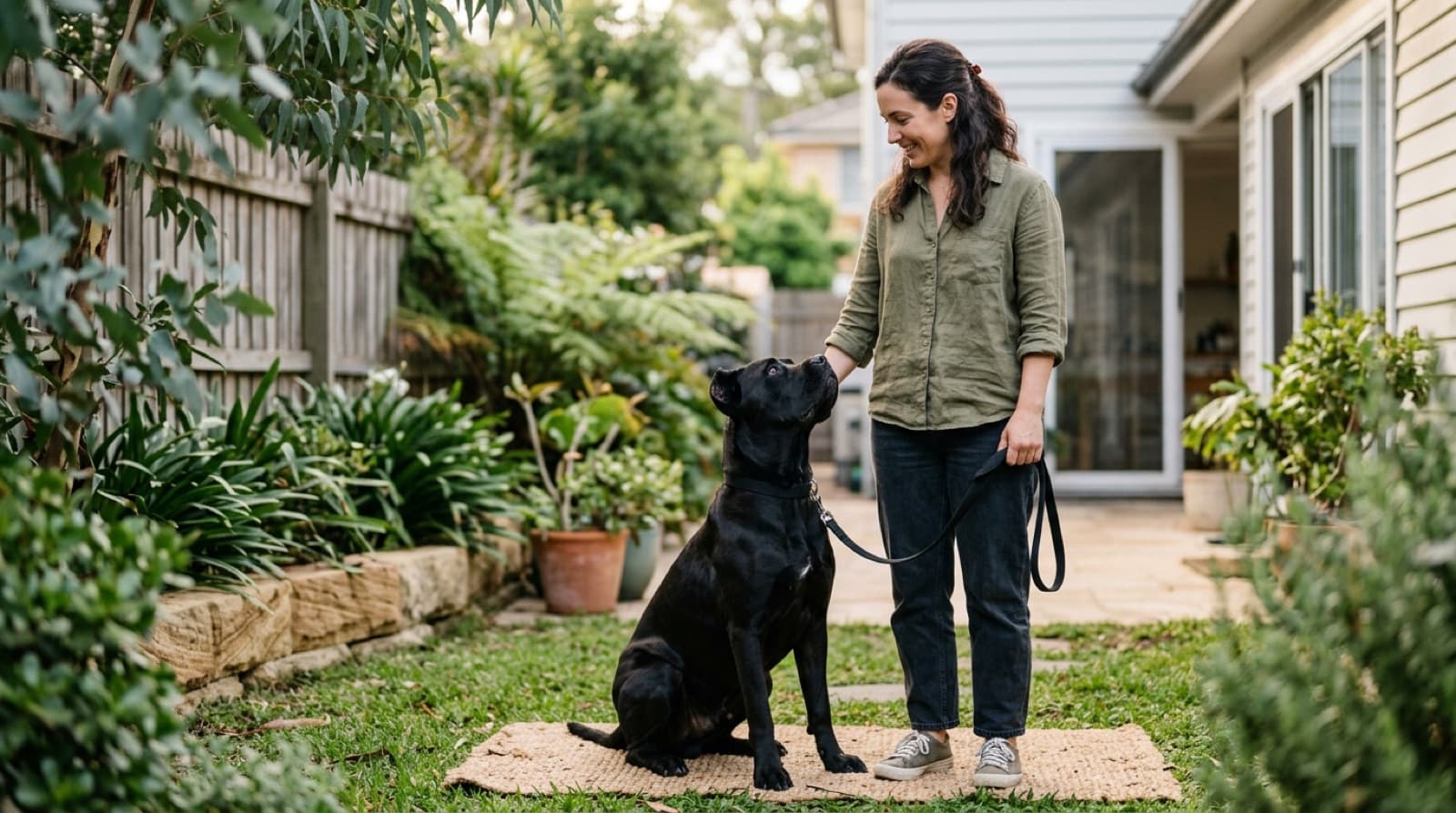
A well-raised Cane Corso is a calm, devoted guardian, not an indiscriminate aggressor, but that outcome depends on an experienced owner, extensive socialisation and steady force-free training. This is a large, powerful, protective Italian breed that bonds hard to its family and is naturally wary of strangers. Give it early socialisation, reward-based training, secure containment, daily exercise and mental work, and you get a stable, discerning dog. Skip those, or use harsh methods, and the size and strength turn into a serious problem. For that reason a Cane Corso is generally not a first dog and not for absent or inexperienced owners.
The real Cane Corso temperament
The Cane Corso is a large, powerful Italian mastiff-type dog bred for centuries as a guardian and working farm dog. That history shapes everything about the breed. A Corso is loyal, deeply bonded to its family, and happiest close to its people. At home with the household it knows, a well-raised Corso is typically calm, steady and affectionate, not tense or snappy. It watches, it settles, and it wants to be near you.
On top of that devotion sits a natural protective and territorial instinct and a genuine wariness of strangers. This is a guardian breed, so a Corso notices who comes to the door and keeps an eye on its patch. Handled well, that shows up as a discerning, alert dog that can tell the difference between normal life and a real problem. A stable Corso is not looking for a fight. It is watchful, intelligent, and quietly confident, and it reserves its serious side for a genuine reason.
The vicious reputation deserves an honest answer. A Cane Corso is a serious, powerful breed, and it is fair to treat it with respect. But an indiscriminately aggressive Corso is not what the breed is meant to be. Where you see fear, reactivity or dangerous behaviour, it almost always traces back to poor breeding, a lack of socialisation, or harsh handling, not to the dog being born vicious. The important truth sits underneath both the fear and the fluff: this is a big dog that can easily overpower a person, and the temperament you end up with is largely made by how the dog is raised and managed. That is a responsibility, and it is also good news, because so much of the outcome is in the owner's hands.
Early socialisation is everything
For a guardian breed with a protective instinct, socialisation is not optional. It is the single biggest thing that shapes the adult dog. A Cane Corso needs to learn, early and often, that the world is mostly friendly and safe, so that its natural wariness stays measured instead of tipping into suspicion of everything and everyone. Skip this and you risk a large, powerful dog that treats normal life as a threat, which is exactly the outcome nobody wants.
Good socialisation means calm, positive exposure to a wide range of people, friendly dogs, places, sounds and everyday situations, all at the dog's pace and paired with good things. It is not flooding the dog with scary experiences and hoping it copes. Think unhurried walks through different Sydney settings, meeting steady friends and their calm dogs, getting used to traffic, delivery people, cafes and bikes, all kept relaxed and rewarding. The RSPCA Australia Knowledgebase is a good general reference on socialising a dog well.
A rescue Cane Corso is a slightly different picture, and often a fine one. An adopted adult may arrive with gaps in its socialisation, or a wariness of things it never got used to. That is common and it is workable, but it needs to be handled carefully rather than rushed. You do the same job you would with a pup, only more gently and more slowly: build good experiences, never force the dog into situations it finds frightening, and let confidence grow over weeks and months. A good rescue such as RSPCA NSW or AWL NSW will be honest about how a particular dog copes with people, dogs and busy places, which helps you set it up to succeed instead of guessing.
Force-free training for a powerful, intelligent guardian
A Cane Corso is intelligent and works well with an owner it trusts, which makes it very trainable in the right hands. The breed picks up cues, structure and obedience, and it responds to a calm, consistent handler. The key is to use reward-based, force-free methods and to provide clear, steady structure. Keep sessions short and positive, teach the important basics early, and make the training genuinely worth the dog's while with high-value food and play.
Harsh training is exactly the wrong tool for this breed, and it is dangerous here in a way it is not with a small dog. Punishment, prong or shock collars, and old-fashioned dominance methods backfire badly with a powerful, protective guardian. They can create fear, damage the trust between you, and produce the very reactivity people wrongly assume the breed comes with. You do not want a large, strong dog that is anxious or defensive, and force is a fast way to build one. Reward-based training is not just kinder, it is the approach best supported by welfare evidence, which is why bodies like the Australian Veterinary Association back it.
The practical version is straightforward. Reward the behaviour you want. Teach a solid recall, a reliable settle, and calm lead manners early, because lead control on a dog this strong is a safety issue, not a nicety. Give the brain real work through obedience and scent games so a smart dog stays satisfied. Stay consistent across the whole household so the dog is not getting mixed messages from different people, which matters a great deal with a guardian breed that likes to know where it stands. Structure, kindness and consistency get you a stable Corso. A battle of wills gets you a problem.
The protective instinct and how to manage it
The Cane Corso was developed to guard, so a natural alertness and territoriality come with the breed. Most will notice and announce a visitor, and many are quietly watchful of their family and their space. Handled well this is a manageable trait, not a problem. The important thing is to understand the difference between normal alert guarding and problem behaviour, and to channel the instinct through socialisation and management rather than feed it.
Normal alertness looks like a bark at the door that stops when you say it is fine, and a dog that settles once it sees a visitor is welcome. Problem behaviour looks like a dog that cannot switch off, that stays tense or reactive around strangers, or that starts making its own decisions about who counts as a threat. The line between the two is drawn almost entirely by socialisation and management. A Corso that has learned, through lots of positive experiences, that most people and dogs are friendly is a confident, safe dog. One kept isolated, or deliberately encouraged to be suspicious, is a liability with the strength to do real harm.
So the rule is clear: never encourage guarding or aggression. Do not reward barking at people, do not play at protection work, and do not think a wary dog is a safer one. It is the opposite. Manage everyday life sensibly instead. Teach a calm greeting for visitors, give the dog a settle spot to go to, and use good management around the front door and around strangers on walks. Because a Corso can be dog-selective, introduce it carefully to unknown dogs and do not assume it will love a crowded off-lead park. Above all, secure fencing and reliable lead manners are non-negotiable with a dog this size and strength. A Corso that cannot get out and cannot pull you off your feet is a Corso you can keep safe, and keep everyone around it safe too.
Exercise and mental needs
A Cane Corso is a big working dog, and it needs moderate-to-high daily exercise to stay settled. Plan for a proper walk or two, some structured off-lead running in a secure fenced area, and play or training on top, every day and not just when it suits you. A securely fenced yard helps, and quieter times at open spaces suit a large guardian breed better than a peak-hour dog park full of strangers.
Physical exercise is only half the job. This is an intelligent breed, and the brain needs work as much as the body does. Training sessions, scent games where the dog hunts out hidden food, trick work and puzzle feeders all give the mind something to chew on. An under-stimulated Corso is where the trouble starts: all that size, energy and watchfulness, with no outlet, turns into barking, destruction, digging and other problem behaviour. Owners almost always find that adding real mental work settles the dog more than piling on extra kilometres ever does.
Sydney heat shapes the timing. A large, heavy dog can overheat quickly on a hot, humid day, so do the harder exercise in the cool of early morning or the evening and go easy in the middle of a summer afternoon. Heat, not cold, is the real dog-safety risk in Sydney. And because paralysis ticks are a year-round danger across the whole Sydney region and can be fatal, keep your Corso on a vet-recommended tick prevention product all year and check the coat after any bushwalk. Talk to your vet about the right product for your dog.
Is a Cane Corso right for you?
Put all of that together and a clear picture emerges. A Cane Corso suits an experienced, committed owner who has the time, the confidence and the space for a large, powerful, protective guardian breed. If you enjoy training, you are home enough to keep a family-focused dog company, you can meet daily exercise and mental needs, and you can provide secure housing and steady management, a Corso can be one of the most devoted dogs you will ever have.
For most first-time owners, though, it is not the right breed. The combination of size, strength and a protective instinct means a Corso that is not well socialised, trained and managed can become a genuine danger, and the stakes are far higher than with a small, easy dog. This is not a breed for an absent household that is out all day, or for someone who wants a low-effort pet. Be honest with yourself about your experience and your lifestyle before you commit. If you are set on the breed, set yourself up well: work with a qualified force-free trainer, adopt through a rescue that will match you with a suitable dog, and go in clear-eyed about the daily effort and the years of commitment involved.
Adoption is a genuinely good route to a Cane Corso, especially with a rescue that knows its dogs. Rescues like AWL NSW, Sydney Dogs and Cats Home, Monika's Doggie Rescue and Maggie's Rescue take in dogs of all breeds and crosses, understand their dogs' temperaments, and can be straight with you about which one suits your home. For where to look and what adoption involves, our Cane Corso adoption guide goes into detail.
Browse adoptable Cane Corsos in Sydney
A Cane Corso rewards an experienced, committed owner who plans for the socialisation, the training, the exercise and the secure housing. Browse live NSW listings and set an alert so you hear the moment one comes in.
See Available Cane Corsos →Housing and insurance reality in Sydney
The Cane Corso is not a restricted breed in NSW, so you do not need a special permit to own one. Like any dog in NSW, a Corso must be microchipped and registered with your council under the NSW Office of Local Government rules, and registration is handled through the NSW Pet Registry. You are responsible for keeping the dog securely contained and under control at all times. Verify current registration rules and fees against the OLG before you rely on a figure, because they change.
The bigger practical reality is not the law, it is other people's caution. As a large guardian breed, a Cane Corso can make some Sydney landlords, strata schemes and insurers nervous, fairly or not. You may find rentals harder to secure, strata by-laws that limit dog size, or insurers that ask questions about the breed. None of that is a legal ban, but it does mean an organised, responsible owner has a real advantage. Keep up training, maintain secure fencing, and be able to show a well-behaved, well-managed dog.
Being that organised owner pays off in more ways than one. A record of training, a securely contained yard, a calm dog under good control, and third-party liability cover (which some pet insurance policies include) all make you a lower-risk proposition to a landlord or insurer and a safer neighbour to everyone around you. Owning a powerful guardian breed is a serious, years-long responsibility, and the owners who take that seriously are the ones who avoid the housing and insurance headaches other Corso owners run into.
When behaviour needs a professional
Most Cane Corso behaviour is normal guardian-breed instinct and working-dog energy that the right routine, socialisation and training settle down. But some things are worth getting proper help with rather than pushing through on your own, and with a powerful breed you get help sooner, not later. Get a professional involved if you see guarding you cannot manage, reactivity to people or other dogs that is getting worse, or any behaviour that worries you around the dog's size and strength. These are not failures on your part. They are issues that respond well to skilled, humane help.
One rule makes this safer: rule out pain and illness before you treat any change in behaviour as purely behavioural. A dog that suddenly becomes irritable, withdrawn or reactive may be telling you it feels unwell, so a vet check comes first. We cover the breed's health in the Cane Corso health issues guide.
When you do want training help, choose the right kind. Look for a qualified force-free or reward-based trainer for manners and general training, and a veterinary behaviour service for serious anxiety, fear or aggression. Steer clear of anyone who leans on punishment, prong or shock tools, which make a powerful, sensitive guardian breed worse rather than better and are genuinely unsafe here. If you would like a starting point on rescues and adoption in Sydney, the full Sydney resources hub is a good next read.
Frequently Asked Questions
Are Cane Corsos aggressive?
No, a well-bred and well-raised Cane Corso is not an indiscriminately aggressive dog. This is a naturally protective and territorial guardian breed with a wariness of strangers, which is different from aggression. A stable, well-socialised Corso is calm, discerning and devoted to its family, and lets you know when something is off rather than attacking without reason. The vicious reputation comes from poorly bred, under-socialised or badly handled dogs, not from what the breed is meant to be. What is true is that this is a large, powerful dog that can easily overpower a person, so the protective instinct has to be channelled responsibly through socialisation and management, never encouraged. Reaching a safe, stable adult depends heavily on the owner.
Are Cane Corsos good family dogs?
For the right family, yes, a Cane Corso can be a deeply devoted and gentle family dog. They bond hard to their household and are typically calm and affectionate at home with the people they know. The catch is that they suit an experienced, committed family, not a first-time or absent owner. This is a large, strong, protective breed that needs extensive early socialisation, steady reward-based training, secure containment, daily exercise and mental work to become the stable dog you want. A family that can provide structure and time gets a wonderful guardian. A family that cannot meet those needs will struggle with the size and the protective instinct, so honesty about your experience and lifestyle matters more than with an easy breed.
Are Cane Corsos good with children?
A well-socialised Cane Corso raised with a family is often gentle and patient with the children it lives with, and many are protective of their kids in a calm way. That said, this is a very large, powerful dog, so supervision around children is non-negotiable, and a Corso can knock a small child over without meaning any harm. Teach children to be calm and respectful, never to disturb the dog while it eats or rests, and give the dog a quiet space of its own. A rescue Corso with an unknown history needs a careful, gradual introduction, and a good rescue will be honest about how a particular dog has gone with children. As with any guardian breed, adult supervision keeps everyone safe.
Is a Cane Corso a good first dog?
For most first-time owners, no, a Cane Corso is not a good first dog. This is a large, powerful, protective guardian breed, and getting the best out of one takes experience, confidence, and a real commitment to socialisation, force-free training, exercise and management. A Corso that is not properly raised can become a serious problem simply because of its size and strength, and the stakes are higher than with a small, easy breed. That does not mean a committed beginner can never succeed, but it does mean the breed rewards experience and punishes neglect. If you are set on a Cane Corso as a first dog, lean hard on a qualified force-free trainer and a supportive rescue, and be very honest about whether your life fits a demanding guardian dog.
Do Cane Corsos get along with other dogs?
Cane Corsos can be dog-selective, meaning they get on well with some dogs and not others, and same-sex aggression is not unusual in the breed. Early, positive socialisation with a range of friendly, steady dogs makes a big difference, and many Corsos live happily with a canine housemate they were raised with. Even so, careful introductions and sensible management around unknown dogs matter, and off-lead dog parks full of strangers are not always the right setting for a large guardian breed. Read your dog honestly rather than assuming it will love every dog it meets. If you already have a dog, a good rescue can help you match a Corso whose temperament suits your household, and slow, managed introductions give the best chance of success.
How much exercise does a Cane Corso need?
A Cane Corso needs moderate-to-high daily exercise plus real mental work, not just a quick lap of the block. Plan for a solid walk or two, some structured off-lead running in a secure fenced area, and training or play on top, every day. Just as important is the brain: this is an intelligent working breed, so obedience, scent games, trick training and puzzle feeders keep the mind busy and the dog settled. An under-exercised, under-stimulated Corso turns that energy into barking, destruction and other problems, and a bored guardian breed is harder to manage. In Sydney, do the harder exercise in the cool of early morning or evening, because a large dog can overheat quickly on a hot, humid day.
How do I train a Cane Corso?
Train a Cane Corso with reward-based, force-free methods, a lot of consistency, and early socialisation, and start the moment the dog comes home. This is an intelligent breed that learns quickly and works well with an owner it trusts, so make training worth its while with high-value food and play, and teach a solid recall, a settle and calm lead manners early. Avoid harsh, punishment-based or dominance methods entirely: they backfire badly with a powerful, protective breed and can create fear or reactivity in a dog you need to feel safe and stable. Stay consistent across the whole household so the dog is not getting mixed messages. A rescue Corso may have gaps to fill in gently, and for any serious concern a qualified force-free trainer or a veterinary behaviour service is the right call.
Do I need a special licence or insurance for a Cane Corso in NSW?
No, the Cane Corso is not a restricted breed in NSW, so you do not need a special permit to own one. Like any dog in NSW, a Cane Corso must be microchipped and registered with your council under the Companion Animals Act 1998, and you are responsible for keeping it securely contained and under control. The practical reality is that some Sydney landlords, strata schemes and insurers are cautious about large guardian breeds, so being an organised, responsible owner helps. Keep up training and secure fencing, maintain a well-behaved dog, and consider third-party liability cover, which some pet insurance policies include. Verify current registration rules and fees against the NSW Office of Local Government before you rely on a figure, as they change.
Keep reading
Adoptable Cane Corsos in Sydney
Live listings of Cane Corsos and Corso crosses across Sydney and NSW rescues.
Cane Corso Adoption in Sydney
Where to adopt, why Cane Corsos end up in rescue, and what adoption involves against a breeder.
Cane Corso Health Issues in Sydney
The health of a large guardian breed, plus Sydney heat and year-round paralysis tick prevention.
All Sydney Adoption Guides
Browse every breed and how-to guide for adopting a rescue dog in Sydney.