How many Rhodesian Ridgebacks are available for adoption in Central Coast?
No Rhodesian Ridgebacks are listed on the Central Coast on LocalPetFinder right now. Availability turns over as dogs are adopted and new ones arrive, so setting an alert is the most reliable way to catch one. Rhodesian Ridgeback crosses are worth considering too.
Where can I adopt a Rhodesian Ridgeback near me in Central Coast?
LocalPetFinder lists Rhodesian Ridgebacks available for adoption from rescues across Central Coast and New South Wales. A dedicated single-breed rescue is not always active near Central Coast, so the fastest route is to watch the general rescues and set an alert. Every listing links straight to the rescue that has the dog, and the application is handled by them, not by us.
How long do Rhodesian Ridgebacks live?
Rhodesian Ridgebacks typically live 10 to 12 years.
How much exercise does a Rhodesian Ridgeback need?
Adult Rhodesian Ridgebacks need about 75 minutes of daily exercise. Adolescent dogs (under 2 years) typically need 90 minutes, more than mature adults.
What are common health concerns for Rhodesian Ridgebacks?
Breed-associated conditions to ask the rescue about include Hip and elbow dysplasia, Dermoid sinus, Bloat (gastric dilation-volvulus). The health section above links a source where we have one. This is an editorial summary, not medical advice, so check with your vet for individual guidance.
How much does it cost to adopt a Rhodesian Ridgeback in Australia?
Adoption fees are set by each rescue, so check the fee on the rescue's own listing. For example, RSPCA NSW lists $500 for a dog and $620 for a puppy (read November 2026). Fees change, so check with the rescue; this is reference only, not a quote. The fee usually covers desexing, vaccinations and microchipping; ask the rescue what its fee includes.
Are these Rhodesian Ridgebacks for sale on the Central Coast?
Not for sale, for adoption. Every Rhodesian Ridgeback here comes from an Australian rescue, a shelter or an owner rehoming them, not a breeder or pet shop. Each rescue sets its own adoption fee and shows it on the listing, and the fee usually covers desexing, vaccinations and microchipping when age-appropriate. For example, RSPCA NSW lists $500 for a dog and $620 for a puppy (read November 2026). Fees change, so check with the rescue; this is reference only, not a quote. A breeder sets its own price, so ask for it in writing and compare what is included. If you searched "rhodesian ridgeback for sale central coast" or "rhodesian ridgeback puppies for sale", adopting gets you a dog a rescue has already vetted.
Where can I buy a Rhodesian Ridgeback on the Central Coast, and should I?
You can buy from a registered breeder, and for some families that is a reasonable choice, but it is worth weighing against adoption first. A reputable Rhodesian Ridgeback breeder sets its own price and often has a waitlist, while a rescue Rhodesian Ridgeback comes with desexing, vaccinations and microchipping usually covered by the adoption fee shown on its listing. For example, RSPCA NSW lists $500 for a dog and $620 for a puppy (read November 2026). Fees change, so check with the rescue; this is reference only, not a quote. Be cautious of cheap rhodesian ridgeback-for-sale ads on Gumtree and Facebook Marketplace, which are frequently backyard breeders or puppy-farm resellers with unvetted, sometimes sick animals and no health guarantee. If you do buy, insist on seeing where the puppies were raised and getting vet records, and check the breeder against your state's pet-sale rules. Adopting a rescue Rhodesian Ridgeback also gives a dog in need a home.
Are there free Rhodesian Ridgebacks on the Central Coast, or rhodesian ridgebacks under $500?
Adoption is the closest honest answer, and it is not free. Each rescue sets its own fee and shows it on the listing, so whether a rescue Rhodesian Ridgeback comes in under that depends on the rescue and the dog. For example, RSPCA NSW lists $500 for a dog and $620 for a puppy (read November 2026). Fees change, so check with the rescue; this is reference only, not a quote. What the fee buys is work already done: desexing, vaccinations and microchipping are usually included, so ask the rescue what its fee covers. Be wary of genuinely free rhodesian ridgeback listings. An animal advertised free to a good home has usually not been vetted, and free rehoming ads are the route flippers and unregistered breeders use to move animals with no health guarantee and no recourse. Paying a rescue fee buys you a dog someone has already examined, treated, and been honest with you about.
Are there Rhodesian Ridgeback puppies on the Central Coast, or only adults?
Rescues list both, and each listing on this page shows the dog's age. Puppies do come through, usually as accidental litters or with a surrendered mother. Setting an alert beats refreshing the page. It is also worth asking whether you actually want one: an adult arrives with a temperament a foster has already observed and described, where a Rhodesian Ridgeback puppy is a prediction.
Where can I find a Rhodesian Ridgeback near me on the Central Coast?
Start with the listings on this page, which pull from rescues and shelters serving Central Coast and are refreshed regularly. If nothing suits today, listings change as animals arrive and are adopted, so setting an alert beats checking back. It is also worth widening to nearby suburbs and towns, and asking a rescue whether it will adopt to homes outside its own council area.
Are Rhodesian Ridgebacks good family dogs?
They can be devoted family dogs, but for an experienced, active household rather than a first-time owner. A Ridgeback is loyal and affectionate with its people and often good with children it is raised alongside, but it is large, strong-willed and independent, with a strong prey drive that means care around cats and small animals. It needs confident, consistent, positive training and real daily exercise. Ask the foster carer how the individual dog is with children and other pets.
Do Rhodesian Ridgebacks handle the heat?
Better than most breeds. The short, dense coat and the breed's African origins mean a Ridgeback copes with the Australian summer well, which is one of the easier things about owning one here. It still needs shade, water and sensible timing of exercise on very hot days, and year-round tick prevention along the NSW coast, but heat itself is far less of a concern for this breed than for a heavy-coated one.
 KellyRidgeback Cross · 18 monthsNewcastle, NSW
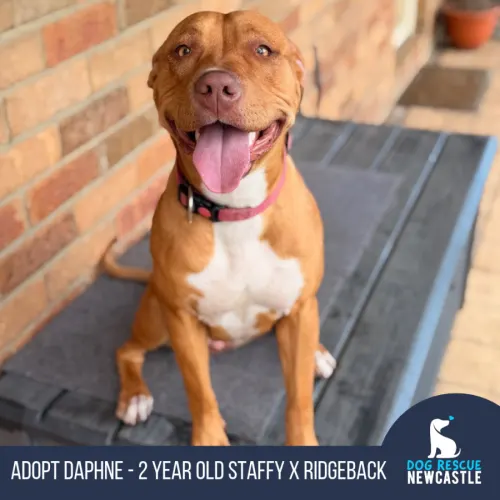 DaphneStaffordshire Bull Terrier x Ridgeback · 2 yearsNewcastle, NSW
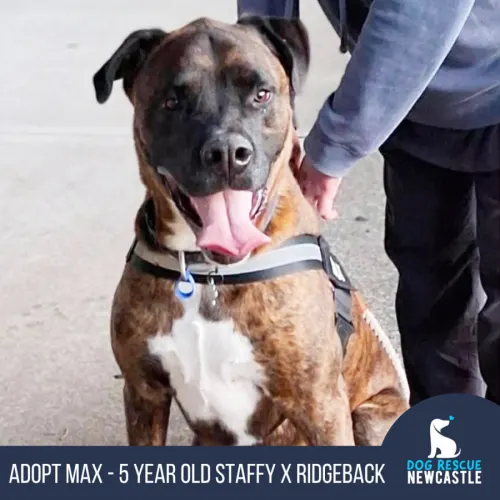 MaxStaffordshire Bull Terrier x Ridgeback · 5 yearsNewcastle, NSW
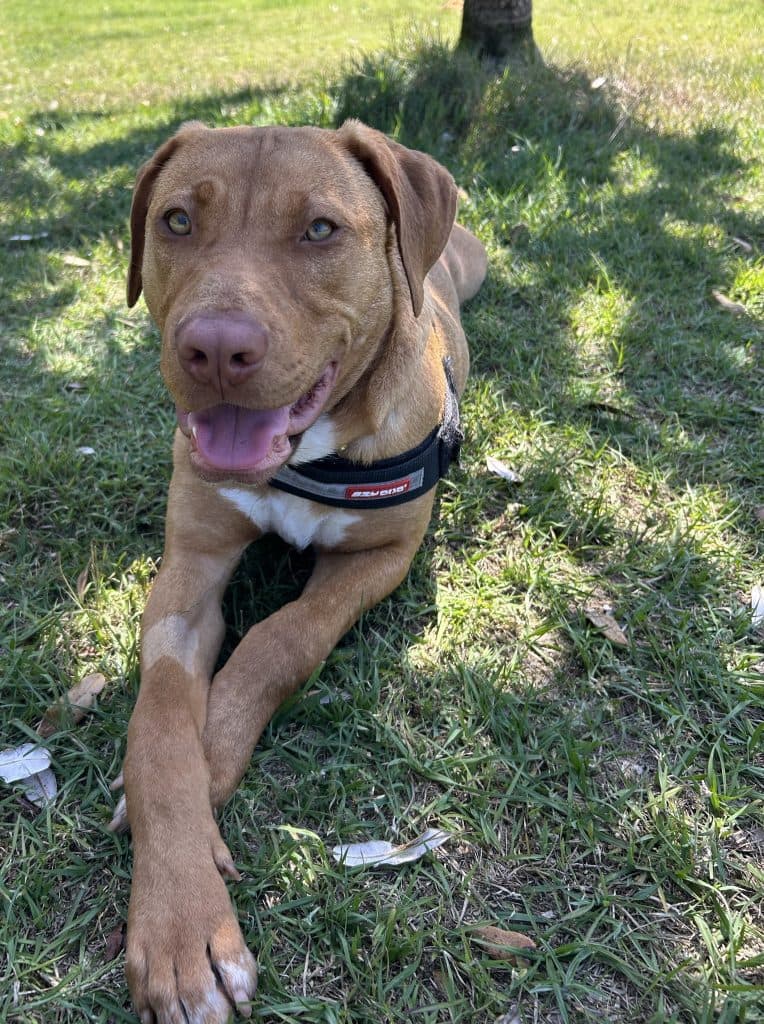 RaffetyMastiff / Rhodesian Ridgeback · 8 monthsCoffs Harbour, NSW
 SashaGerman Shepherd Dog / Rhodesian Ridgeback · 3 years 2 monthsCoffs Harbour, NSW
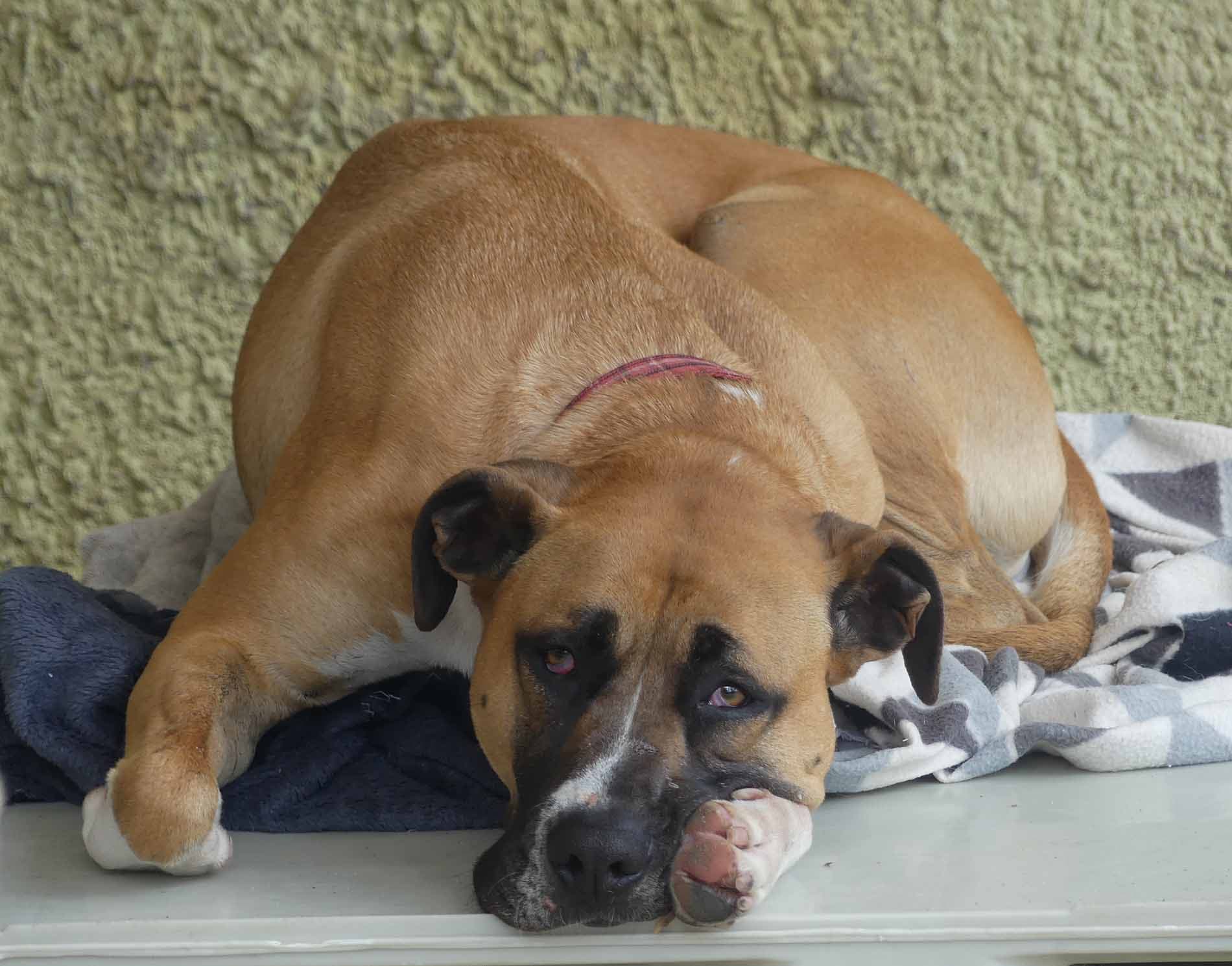 MarlinLabrador X Ridgeback · About 3 years oldSydney, NSW