The short answer
It depends on your state. In NSW, captive-bred dingoes and hybrids can be kept as pets under the Companion Animals Act, and in WA no licence is needed. Victoria requires a Dingo Licence with a purpose-built enclosure, and the NT a wildlife permit. Queensland lists the dingo as a restricted invasive animal you must not keep, Tasmania bans dingoes and hybrids, and South Australia bans them inside the Dog Fence without a permit (generally only for zoos and research). The ACT rules are under review. Even where it is legal, research on pet dingoes finds them hard to train and prone to escaping. Never take a dingo from the wild.
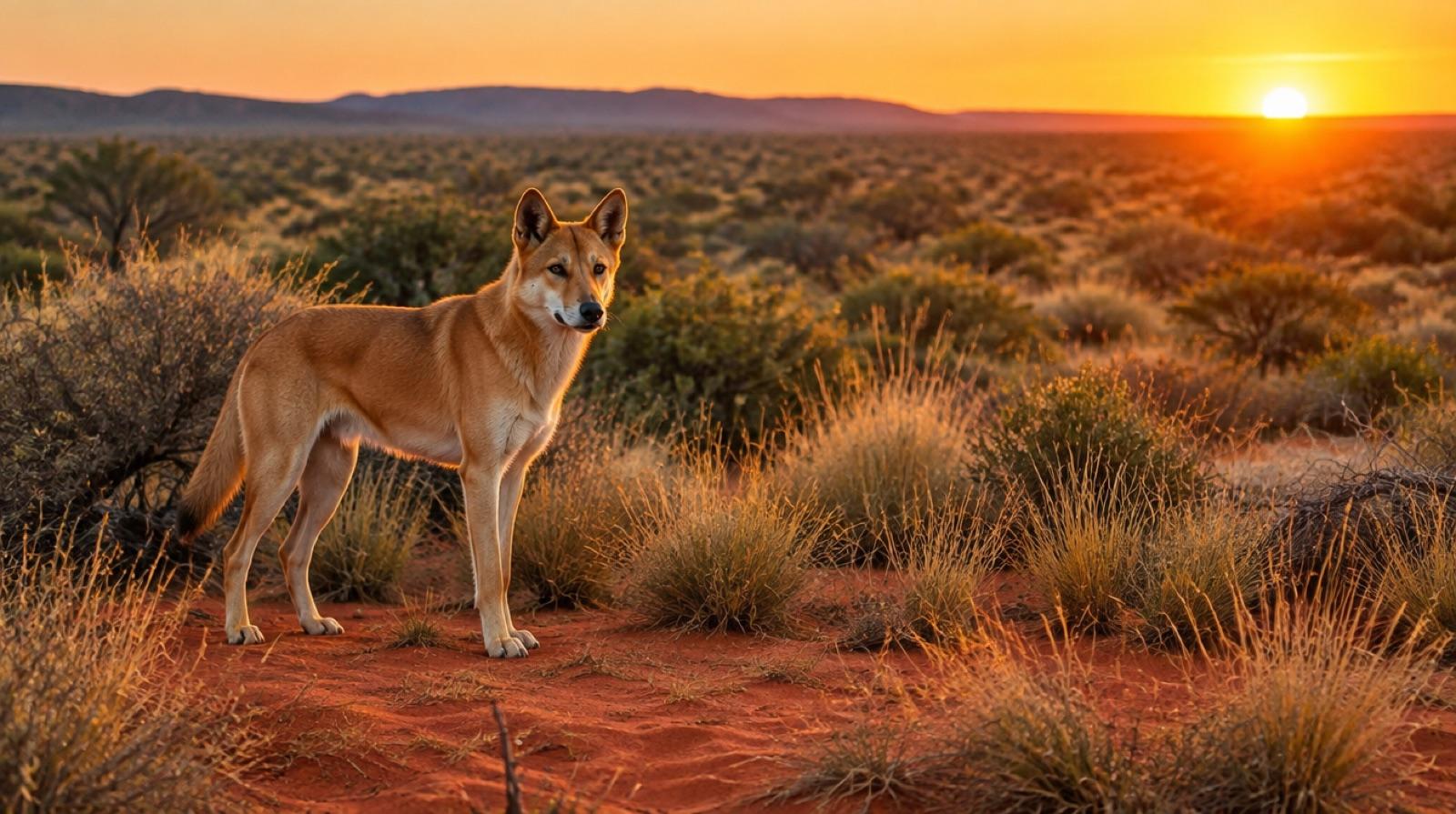
Can you keep a dingo as a pet in Australia?
In some states, legally, yes. In others, no. Australia has no single national rule on keeping dingoes; each state and territory decides, and their laws pull in different directions. In some places the dingo is treated as a dog, in others as protected native wildlife that needs a licence, and in others as a pest that must not be kept at all.
Two things are true everywhere. First, taking a dingo from the wild is not a legal way to get one in any of the rules below. Second, being allowed to keep a dingo is not the same as a dingo being a good pet, which is covered further down. The RSPCA's position is that wild animals, even captive-bred ones, should not be kept as pets unless there is clear evidence they will have a good quality of life and their needs can be met.
Dingo pet laws by state and territory
Each row comes from that government's own page, checked 10 November 2026. Laws change, so confirm with the agency before you act.
| State or territory | Can you keep a dingo? | What the rule says |
|---|---|---|
| New South Wales | Yes, captive-bred | Dingoes and hybrids bred in captivity can be kept as pets under the Companion Animals Act 1998; restrictions in some areas; ask your council (NSW Government) |
| Victoria | Only with a Dingo Licence | Dingo Licence (a Private Wildlife Licence under the Wildlife Act 1975); enclosure built first; inspection; 18 or older (vic.gov.au) |
| Queensland | No | Category 3, 4, 5 and 6 restricted invasive animal: must not keep, feed, give away, sell or release (Business Queensland) |
| Western Australia | Yes | No licence required to keep dingoes under a Biodiversity Conservation Act exemption (DPIRD); listed as exempt keeping but a declared pest; check registration with DPIRD and your local government |
| South Australia | No, inside the Dog Fence | Illegal to keep a dingo or part-dingo inside the Dog Fence without a permit; permits generally only for high-security zoos and research (PIRSA) |
| Tasmania | No | Dingoes and their hybrids are restricted animals; prohibited entry (Nature Conservation Act 2002) |
| ACT | Check with the ACT Government | Waragul (dingoes) are declared pest animals and the government plans to protect them as native animals; no ACT page says whether one can be kept as a pet, so check with Access Canberra (ACT Government) |
| Northern Territory | Only with a permit | Permit to keep protected wildlife; legal source only; desexing and a property inspection are conditions (NT Government) |
This is a summary of official guidance, not legal advice. Local council rules can add further limits.
Where can you legally keep a dingo, and on what terms?
New South Wales
The NSW Government's native animals as pets page says it often gets questions about dingoes. Wild dingoes are protected on National Parks and Wildlife Service land, but “under the Companion Animal Act 1998, dingoes and dingo hybrids bred in captivity can be kept legally as pets in New South Wales. There are restrictions in some areas.” It tells you to contact your local council. The Companion Animals Act defines a dog to include the dingo and “a hybrid of any of those species”, so a pet dingo needs a microchip from 12 weeks and council registration from 6 months, the same as any dog. Across NSW, wild dogs, including dingoes, are listed as priority pests under the Biosecurity Act 2015, and the dingo is not protected under the Biodiversity Conservation Act 2016.
Victoria
The Victorian Dingo Licence guide says “it is an offence to own a dingo without holding a relevant licence.” A Dingo Licence lets you keep dingoes for non-commercial purposes, as a companion or for non-commercial display, and buy, sell or transfer them only with other licence holders. The private wildlife licence page sets the enclosure standard, which must be built before you apply:
- At least 30 square metres for up to two dingoes, plus 10 square metres for each extra dingo over nine months old.
- Fences 3 metres high, or at least 2 metres with a 1 metre inward return at 45 degrees (or a full roof).
- A 1 metre mesh skirt at the base, or the fence anchored to a cement slab, to stop digging out.
The licence conditions also require a dingo to be restrained on a lead or harness whenever it is outside its enclosure, “even within a designated ‘off-lead’ area”, and never left unsupervised indoors with anyone under 16. When checked on 10 November 2026, vic.gov.au listed the maximum full fee for a one-year Dingo Licence, from 1 July 2026, as $207.20 (concession $103.60), charged pro-rata by month. The licence covers pure dingoes; hybrids are registered as dogs under the Domestic Animals Act 1994.
Western Australia
DPIRD's wild dog page says dingoes are native wildlife under the Biodiversity Conservation Act 2016, and that an exemption order under section 271 means “no licenses are required to keep dingoes”. Wild dogs, including dingoes, are also declared pests across WA under the Biosecurity and Agriculture Management Act 2007, and DPIRD says the Western Australian Organism List sets their keeping categories. DPIRD's guide to importing and keeping introduced animals lists the dingo, and dingo-dog hybrids, as exempt keeping animals (no keeping permit) that are also declared pests. We could not find a current official WA page that sets out council registration or other local rules for a pet dingo, so check with DPIRD and your shire or council before you commit.
Northern Territory
The NT Government's keeping dingoes as pets page says you must have a permit to keep protected wildlife, that dingoes “can't be taken from the wild”, and that you can only buy one from a legal source. It is a permit condition that dingoes are desexed (unless approved for captive breeding) and that Parks and Wildlife staff inspect your property. Its enclosure rules are similar to Victoria's: 30 square metres for two dingoes, 10 more for each extra one, and fences 3 metres high or 2.4 metres with an inward return. It also warns that if you move interstate you must check whether you can take your dingoes with you, which matters given the bans in Queensland, Tasmania and South Australia.
Where is keeping a dingo banned?
Queensland
Business Queensland lists the dingo as a category 3, 4, 5 and 6 restricted invasive animal under the Biosecurity Act 2014: “You must not keep it, feed it, give it away, sell it, release into the environment.” The Queensland Government's dingo overview adds that dingoes are native wildlife protected in most national parks, including K'gari. Business Queensland last updated its dingo page on 30 April 2026; check it for the current wording.
South Australia
PIRSA says “it is illegal to keep a dingo or part-dingo as a pet inside the Dog Fence in South Australia, unless you have a permit”, and that permits are generally only granted to high-security zoos and research facilities. Inside the fence, a dog that looks like a dingo or hybrid is treated as one, and the owner must prove it is not with a DNA breed test from a company that can test for dingo ancestry. The SA Dog and Cat Management Board asks people to report dingoes advertised for sale. North of the Dog Fence, PIRSA says dingoes are unprotected native wildlife. Its page does not say whether one can be kept as a pet there, so check with PIRSA before acquiring one.
Tasmania
Section 32 of the Nature Conservation Act 2002 makes the fox, wolf, dingo and mink, and any hybrid of them, restricted animals. Importing or possessing one needs the Secretary's prior written permission, which may only be given as part of a program to manage feral populations. Biosecurity Tasmania lists dingoes as prohibited entry.
Australian Capital Territory
We could not find an ACT Government page that says plainly whether a dingo can be kept as a pet. The ACT Government's Waragul page (Waragul is the Ngunnawal name for the dingo) says they are declared pest animals, and that the government is working to protect them as a native animal under the Nature Conservation Act 2014. The ACT's animal keeping rules require a licence for any animal not on its exempt list. If you live in Canberra, check with Access Canberra's animal regulation team before acquiring a dingo.
What is a dingo like to live with?
The research on pet dingoes is small but consistent. A study in Applied Animal Behaviour Science (2016) compared owner reports for 49 pet dingoes with thousands of domestic dogs using a standard behaviour questionnaire. Dingoes were significantly less trainable than both “ancient” and modern dog breeds, showed more stranger-directed and non-social fear than modern breeds, and were more prone to escaping and roaming.
A 2022 review in the journal Animals describes dingoes as “notoriously difficult to maintain in captivity” and summarises what modern owners report: extreme independence, lack of training focus, escaping, howling, distrust of strangers and destructive behaviour. It also notes that well-meaning owners often give up dingoes while they are still young, and that many are euthanised because they are so hard to rehome.
Government keeping guidance says the same in plainer words. The NT Government describes dingoes as active and inquisitive, able to bond very well with their family, but able to be aggressive toward other people and animals, skilled at digging, climbing and jumping, and very difficult to rehome once bonded. Other points worth knowing:
- Once-a-year breeding. A 1992 study in Wildlife Research found dingoes have one breeding period a year, with most matings in April and May. Business Queensland notes autumn, the mating season, is when wild dingoes are more active.
- Size. Business Queensland describes the dingo as up to 60 cm tall and up to 25 kg, usually red, ginger or sandy, with white feet and a white tail tip.
- Containment. The Victorian and NT enclosure rules above exist because ordinary backyard fences do not hold a dingo.
- Other pets. Business Queensland says wild dingoes attack and eat pets in urban fringe areas. A prey-driven canid and a cat, rabbit or chickens are a risky mix.
Where can you see dingoes instead?
If what you love is the animal itself, a dingo sanctuary is a better way to spend time with one. Two that run public visits:
- Dingo Sanctuary Bargo, south-west of Sydney, is run by the Australian Native Dog Conservation Society, a registered charity. It says it does not sell its dingoes to the public and does not recommend them as pets.
- Dingo Discovery Sanctuary and Research Centre, in the foothills of the Macedon Ranges, about 35 minutes from Melbourne's CBD, is run by The Australian Dingo Foundation, a registered charity focused on dingo conservation, research and education.
Both take bookings for visits; check their own websites for current days and times before you go. In the wild, never feed a dingo. The Queensland Government says feeding makes dingoes lose their fear of people and can lead to dangerous behaviour, and in national parks it is an offence.
Why adopting a dog is the better path for most people
If what draws you to a dingo is an athletic, alert, Australian-looking dog, rescue has plenty of them, with none of the licences, enclosures or legal risk. Kelpies, Australian Cattle Dogs and their crosses are listed by rescues across Australia, and a foster carer can tell you exactly how an adult dog behaves with fences, people and other pets. The RSPCA Knowledgebase recommends starting with rescue organisations and shelters.
- Browse Kelpies and Australian Cattle Dogs for adoption, and read the cattle dog puppies guide.
- If a listing says “dingo cross”, check your state's rule in the table above, and ask the rescue how the dog was identified. Our what breed is my rescue dog guide explains what DNA tests can and cannot tell you.
- Drawn to the wild look more generally? Wolf dogs in Australia covers the legal breeds that look like wolves.
- New to dogs? Start with the adopting a dog guide, the adoption readiness check, the what dog breed am I quiz and the dog cost calculator.
Adopt an Australian working dog
Kelpies, Cattle Dogs and their crosses are waiting in rescues and pounds across Australia.
See Kelpies →See Cattle Dogs →Find a dog near you
- Sydney: Kelpies, Cattle Dogs, mixed breed dogs and all dogs for adoption in Sydney
- Melbourne: Kelpies, Cattle Dogs, mixed breed dogs and all dogs for adoption in Melbourne
- Brisbane: Kelpies, Cattle Dogs, mixed breed dogs and all dogs for adoption in Brisbane
- Perth: Kelpies, Cattle Dogs, mixed breed dogs and all dogs for adoption in Perth
- Adelaide: Kelpies, Cattle Dogs, mixed breed dogs and all dogs for adoption in Adelaide
Read each listing for energy, size and how the dog lives with cats and children. That tells you more than any breed label.
Frequently asked questions
Can you own a dingo in Australia?▼
It depends on your state or territory. NSW allows captive-bred dingoes and dingo hybrids to be kept as pets under the Companion Animals Act 1998, and DPIRD says no licence is needed under WA's wildlife law to keep one in Western Australia. Victoria requires a Dingo Licence and the Northern Territory a wildlife permit. Queensland and Tasmania do not allow private keeping, and South Australia bans keeping one inside the Dog Fence without a permit. The ACT rules are under review.
Is it legal to have a dingo as a pet in NSW?▼
Yes. The NSW Government says dingoes and dingo hybrids bred in captivity can be kept legally as pets under the Companion Animals Act 1998, with restrictions in some areas, and tells would-be owners to contact their local council first. The Act's definition of a dog includes the dingo and its hybrids, so the usual microchipping and council registration rules for dogs apply. Wild dingoes are protected in national parks.
Do you need a licence to keep a dingo in Victoria?▼
Yes. Victoria requires a Dingo Licence, a type of Private Wildlife Licence under the Wildlife Act 1975, and the Conservation Regulator says it is an offence to own a dingo without one. You must be 18 or older, build a compliant enclosure before applying and pass an inspection. When checked on 10 November 2026, the vic.gov.au licence page listed the maximum full fee for a one-year licence, from 1 July 2026, as $207.20 (fees are pro-rata by month); check the current fee before applying. Dingo hybrids do not need a wildlife licence and are registered as dogs.
Can you keep a dingo in Queensland?▼
No. Business Queensland lists the dingo as a category 3, 4, 5 and 6 restricted invasive animal under the Biosecurity Act 2014, which means you must not keep, feed, give away, sell or release one. Wild dingoes are also native wildlife protected in most Queensland national parks. Check the Business Queensland dingo page for the current rule.
Can you keep a dingo in South Australia?▼
Not inside the Dog Fence without a permit, and PIRSA says permits are generally only granted to high-security zoos and research facilities. PIRSA also says a dog that looks like a dingo or dingo hybrid is treated as one under SA law, and it is the owner's responsibility to prove otherwise with a DNA breed test from a company that can test for dingo ancestry. The SA Dog and Cat Management Board asks people to report dingoes advertised for sale.
Can you have a dingo in Western Australia?▼
Yes. The Department of Primary Industries and Regional Development (DPIRD) says an exemption order under the Biodiversity Conservation Act 2016 means no licences are required to keep dingoes, and its guide to keeping introduced animals lists the dingo as an exempt keeping animal that is also a declared pest. Wild dogs, including dingoes, are declared pests across WA. We could not find a current official page that sets out council registration for a pet dingo, so check with DPIRD and your local government before taking one on.
Can you keep a dingo in Tasmania?▼
No. Tasmania's Nature Conservation Act 2002 lists the dingo, and any dingo hybrid, as a restricted animal. Bringing one into the state or having one in your possession needs the Secretary's prior written permission, which can only be given as part of a program to manage feral populations. Biosecurity Tasmania says dingoes, foxes and wolves are prohibited entry.
Do you need a permit to keep a dingo in the Northern Territory?▼
Yes. The NT Government says you need a permit to keep protected wildlife, which includes dingoes. Dingoes cannot be taken from the wild and must come from a legal source such as a permitted breeder or supplier. Permit conditions include desexing (unless approved for captive breeding) and an inspection of your property by Parks and Wildlife staff, and you may also need council approvals.
Are dingoes good pets?▼
For most households, no. Peer-reviewed surveys of owners found pet dingoes were rated less trainable than domestic dogs, more fearful of strangers and more prone to escaping and roaming. A 2022 review describes dingoes as notoriously difficult to keep in captivity and notes many are given up young. The NT Government warns they can be aggressive toward other people and animals and are very difficult to rehome once bonded. A rescue dog is a far easier choice.
Do dingoes bark?▼
Dingoes are better known for howling than barking. A 2022 review of dingo keeping lists constant howling among the behaviours modern owners report, alongside escaping, distrust of strangers and destructive behaviour.
Can I adopt a dingo cross from a rescue?▼
Possibly, depending on where you live. NSW allows captive-bred dingo hybrids as companion animals, and Victoria registers dingo hybrids as ordinary dogs. Tasmania treats dingo hybrids as restricted animals, and in South Australia a dog that looks like a dingo is treated as one unless DNA testing shows otherwise. Ask the rescue how the dog was identified and check your state's rule before you apply.
Where can I see dingoes if I cannot keep one?▼
Visit a dingo sanctuary. Dingo Sanctuary Bargo in south-west Sydney is run by the Australian Native Dog Conservation Society, a registered charity, and says it does not sell its dingoes to the public or recommend them as pets. The Dingo Discovery Sanctuary and Research Centre in the foothills of the Macedon Ranges, about 35 minutes from Melbourne's CBD, is run by The Australian Dingo Foundation, also a registered charity. Both take visits by booking, so check their websites for current times.
Sources
- NSW Environment and Heritage: Mammal keeper licence (dingoes as pets)
- NSW Companion Animals Act 1998
- Victoria: Dingo licence guide, keeping dingoes
- Victoria: Dingo licence conditions
- Victoria: Private wildlife licences (fees and enclosure standards)
- Business Queensland: Dingo
- DPIRD WA: Wild dogs in Western Australia
- DPIRD WA: Importing and keeping introduced animals (technical bulletin)
- ACT Government: Keeping or selling animals in the ACT
- Queensland Government: Dingo overview
- PIRSA: Wild dogs and dingoes
- SA Dog and Cat Management Board: Dingoes
- Tasmania: Nature Conservation Act 2002 (section 32)
- NRE Tasmania: Animals and animal products you can bring in
- ACT Government: Waragul (dingoes) and wild dogs
- NT Government: Keeping dingoes as pets
- Smith, Browne and Serpell (2016), Applied Animal Behaviour Science
- Brumm and Koungoulos (2022), Animals
- Reproduction in captive and wild dingoes (1992), Wildlife Research
- RSPCA Knowledgebase: Can native animals be kept as pets?
- RSPCA Knowledgebase: Where should I go for a new companion animal?
Keep reading
Wolf dogs in Australia
Why wolf hybrids cannot be imported, and the legal breeds that look like wolves.
Adopting a dog in Australia
How rescue adoption works, what it costs and what to ask before you apply.
Cattle dog puppies: adopt or buy?
An Australian working breed you can adopt from rescue in every state.
Kelpies for adoption
Kelpies and Kelpie crosses listed by the rescues and pounds we aggregate.