The short answer
A well-raised Doberman is a confident, loyal, affectionate guardian, not an aggressive dog; the reputation comes from the look and the history. The keys are early and ongoing socialisation so the guarding instinct stays balanced, an hour or more of daily exercise plus mental work, plenty of company because the breed is a velcro dog prone to separation anxiety, and reward-based training, because this intelligent, sensitive breed thrives on positive methods and is harmed by harsh ones. In Melbourne, keep the routine going through cold, wet winters with a dog coat and indoor enrichment, and exercise early or late on summer heatwave days. This is general information, not veterinary or behavioural advice.
What a Doberman is really like
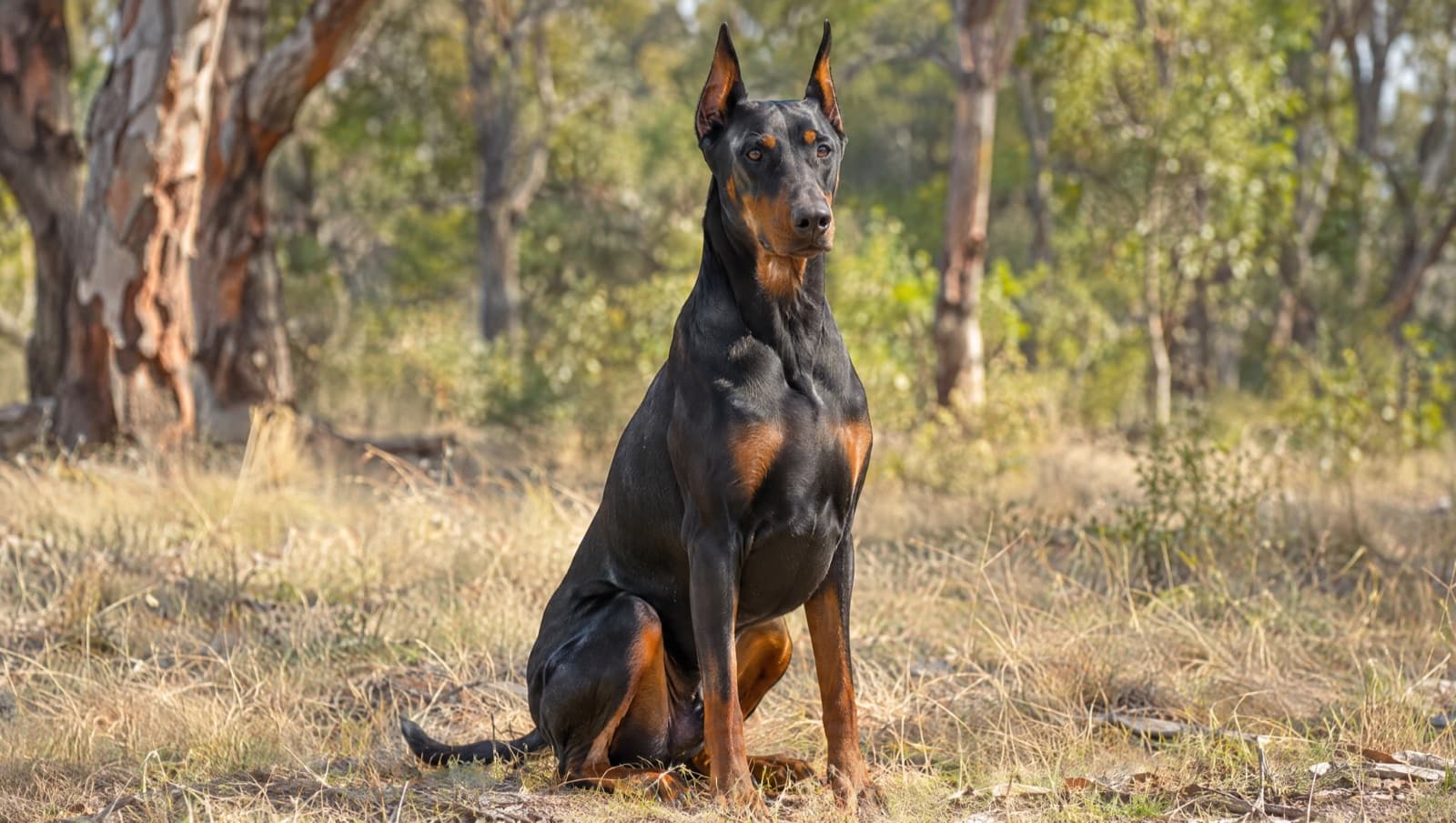
Behind the imposing looks, the Doberman is a sensitive, people-focused dog that wants above all to be with its family. It is one of the most intelligent breeds, quick to learn and quick to read a household, and it forms an intense bond with its people. A well-bred, well-raised Doberman is affectionate and playful at home, often gentle with the children it lives with, and watchful rather than reactive with the outside world.
The guardian instinct is real, but it is not the same as aggression. A stable Doberman notices a stranger at the gate, takes its cue from a calm, confident owner, and settles once it learns a situation is safe. The reactive, difficult Dobermans people fear are usually the product of poor breeding, no socialisation, fear or harsh handling. That is exactly why the rest of this guide matters.
Socialisation: the most important job
If one thing makes or breaks a Doberman, it is socialisation. Because the breed has a natural guarding drive, it needs to learn, thoroughly and repeatedly, that visitors, strangers, other dogs, trams and traffic, and everyday suburban life are all normal and safe. That learning keeps the guardian instinct balanced instead of tipping into fear or reactivity.
- With a puppy, the early months are a window for lots of calm, positive exposure to new people, dogs, places and sounds, always at a level the pup enjoys.
- With an adopted adult, socialisation is gradual: steady, positive introductions at the dog's own pace, rewarding calm, and never flooding a nervous dog with too much at once.
- Make it lifelong. Socialisation is not a box you tick once. Keeping a Doberman regularly and positively exposed to the world keeps it confident and easy.
A well-socialised Doberman is a calm, confident dog in public. If a rescue Doberman is wary or under-socialised, a reward-based trainer can help you build its confidence, and the shelter or foster notes will tell you where the dog is starting from.
Browse Dobermans available in Melbourne rescue
Rescue listings often include notes on a Doberman's temperament, socialisation and how it is with people and other dogs, so you know what you are working with. Browse current listings from Victorian shelters and rescues.
See Available Dobermans →Exercise, mental work and the velcro nature
A Doberman is a working athlete and needs exercise to match: around an hour or more of real physical activity a day, plus mental work. A walk on its own does not satisfy a dog this driven. Mix brisk walks with off-lead running in a safe, designated area, such as the off-lead sections of Royal Park in Parkville or Yarra Bend Park in Kew, and add training games, scent work, puzzle feeders and ideally a dog sport. Parks Victoria lists more dog-friendly parks, and your local council publishes its own off-lead areas. An under-exercised Doberman turns its energy to restlessness, anxiety and destruction, one of the most common reasons the breed ends up surrendered.
Melbourne's weather is the practical test. The breed has a short, single coat and feels the cold, and winter is when routines slip. A dog coat for early walks, drying off after rain and more indoor enrichment on the wettest days keep a working brain busy. Summer is mostly mild, but on heatwave days above 40°C, exercise in the early morning or evening, carry water, and swap the long run for scent games at home.
Just as important is company. The Doberman is a famous velcro dog that does not cope well alone for long hours, so it is prone to separation anxiety. Build alone-time gradually with a new rescue, keep departures and arrivals calm, leave the dog occupied, and be honest about whether your household suits a dog that thrives on company.
Training a smart, sensitive breed
Dobermans are a pleasure to train with the right approach and a problem with the wrong one. They are highly intelligent, eager to please and sensitive, so they learn quickly and thrive on reward-based training. They respond badly to harsh, fear-based or so-called “dominance” methods, which erode the trust the breed depends on and can create exactly the fear-driven reactivity you want to avoid in a guardian dog. The RSPCA Knowledgebase has good general guidance on positive training and socialisation.
Keep sessions short, upbeat and consistent, reward generously, and start early: an adopted adult benefits from a reward-based obedience class just as much as a puppy, and it builds the bond and the socialisation at once. For a first-time Doberman owner especially, a Melbourne force-free trainer experienced with large guardian breeds is a worthwhile investment. Offer clear, kind, consistent leadership and plenty of positive work, and a Doberman gives back loyalty and biddability. The breed's health shapes what exercise suits it as it ages, so read the Doberman health guide for Melbourne, and if you are still deciding, the Doberman adoption guide covers where to find one.
Frequently Asked Questions
Are Dobermans aggressive?
A well-bred, well-socialised, well-trained Doberman is not an aggressive dog; it is a confident, alert guardian that is affectionate and gentle with its family. The reputation comes from the breed's history as a protection dog and its imposing looks, but a stable modern Doberman is watchful rather than reactive. Aggression in the breed far more often traces back to poor breeding, no socialisation, fear or harsh handling than to the breed itself. The way to raise a safe, sound Doberman is early and ongoing socialisation, reward-based training, meeting its exercise and company needs, and never using fear or force, which backfire badly on a sensitive guardian breed.
Do Dobermans need a lot of exercise?
Yes. A Doberman is an athletic working breed that needs around an hour or more of real physical exercise a day, plus mental work, to be calm at home. A walk alone is not enough for a dog this driven; mix brisk walks and off-lead running in a safe, fenced or designated off-lead area with training games, scent work, puzzle feeders and, ideally, a dog sport. An under-exercised Doberman becomes restless, anxious and destructive, a common reason the breed reaches rescue. In Melbourne the bigger challenge is often winter: keep the routine going on cold, wet days with a coat for the dog and indoor enrichment, and on summer heatwave days exercise early or late.
How important is socialisation for a Doberman?
It is one of the most important things you can do for the breed. A Doberman has a natural guardian instinct, and early, positive, ongoing socialisation is what teaches it that visitors, strangers, other dogs and everyday situations are normal and safe, so the guarding drive stays balanced rather than tipping into fear or reactivity. With a puppy that means lots of calm, positive exposure in the early months; with an adopted adult it means steady, reward-based introductions at the dog's pace, never flooding it. A well-socialised Doberman is a confident, easy dog in public, so make socialisation a lifelong habit.
What training methods work best for a Doberman?
Reward-based, positive training, without exception. Dobermans are highly intelligent, eager to please and sensitive, so they learn fast with positive methods and respond badly to harsh, fear-based or so-called dominance approaches, which damage trust and can create the fear-driven behaviour you most want to avoid in a guardian breed. Keep sessions short, upbeat and consistent, reward generously, and join a reward-based obedience class early. A good force-free trainer is a worthwhile investment, especially for a first-time Doberman owner, because getting the foundations right in a large, driven dog pays off for its whole life.
Do Dobermans have separation anxiety?
They are prone to it, because the Doberman is a true velcro dog that bonds intensely with its people. Left alone for long hours, many become anxious, and separation-related distress is a common reason the breed is surrendered. If you adopt one, build alone-time gradually from short absences, keep departures and arrivals low-key, leave the dog with something to do, and be realistic about your hours: this companion guardian suits a home where someone is around a lot more than a household that is out all day. A dog walker, day care or family member can help, and a reward-based trainer or your vet can help if the anxiety is severe.
Keep reading
Doberman Adoption in Melbourne
Where to find a rescue Doberman, real costs vs a breeder, and why they reach rescue.
Doberman Health Issues
Dilated cardiomyopathy, von Willebrand disease, bloat and the vet budget.
Adoptable Dobermans in Melbourne
Current listings with shelter and foster notes on temperament and training needs.
Melbourne Adoption Resources
Guides on adopting, costs, council registration and settling a rescue dog in Melbourne.