The short answer
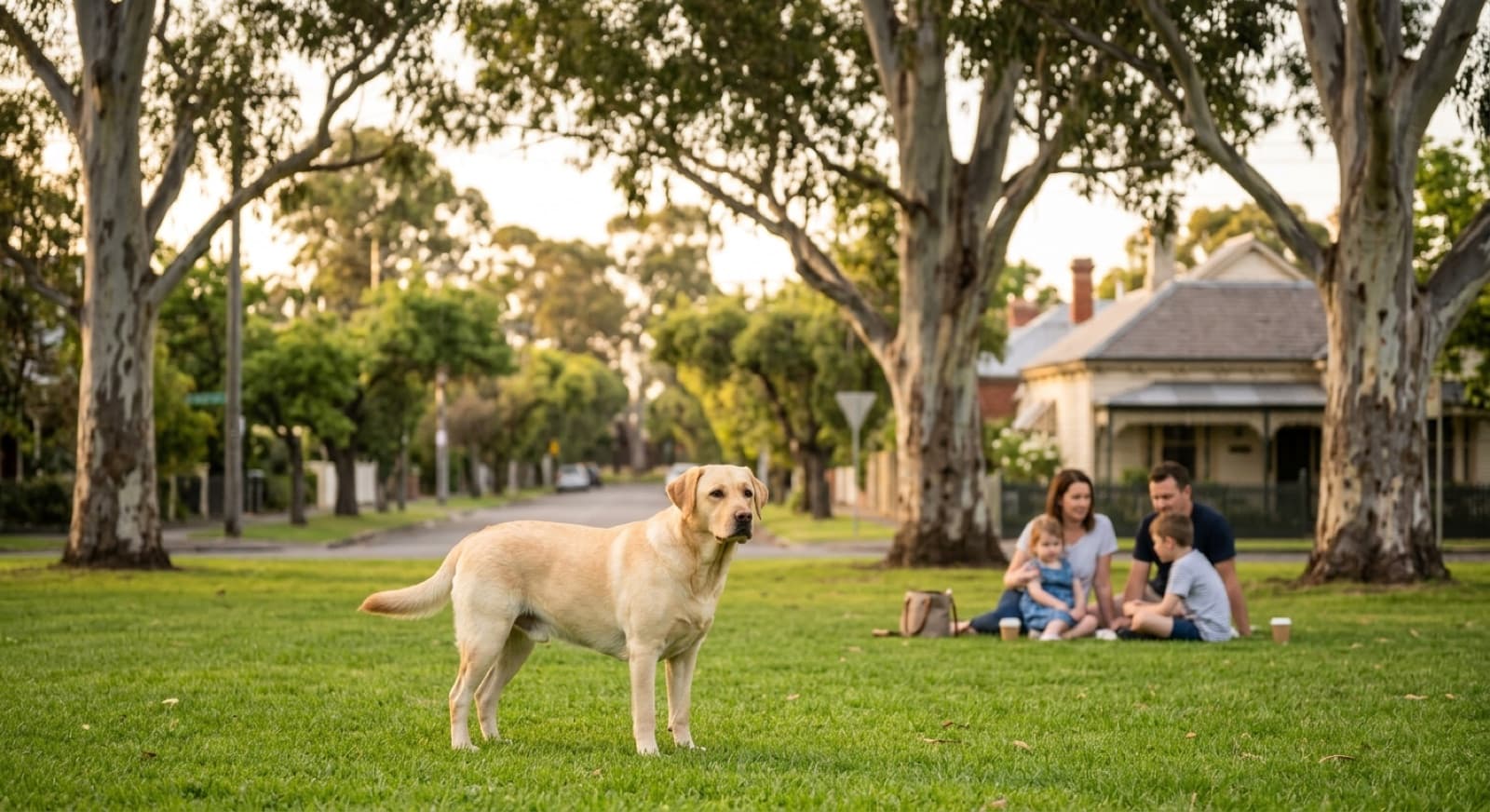
Labradors appear in Brisbane rescue regularly through RSPCA Queensland, Animal Welfare League Queensland, foster-based rescues and PetRescue, so they are one of the more findable breeds. Adoption fees are $400 to $700 for an adult with all-inclusive vet care, against $2,000 to $4,000 for a breeder puppy. Most rescue Labs are 1 to 7 years old, surrendered for underestimated energy, allergies or a life change, and Lab crosses turn up as often as purebreds. An older settled adult is one of the easier first dogs; an adolescent (8 months to 2 years) is one of the harder. Plan for 60 to 90 minutes of daily exercise, strict portion control because the breed gains weight fast, and year-round paralysis-tick prevention, which is essential in South East Queensland.
Why so many Labs are in Queensland rescue
The Labrador was developed from the water dogs of Newfoundland into a retrieving gundog, and under the easygoing family-dog exterior it is still an athletic, food-driven, people-focused working dog. It is the most registered breed in the country, and that sheer popularity produces a steady pipeline into rescue. Most Lab surrenders are not the dog's fault; they reflect a gap between the household's expectations and the breed's real needs.
Energy underestimation.
A young adult Lab needs 60 to 90 minutes of genuine exercise a day plus mental work. Plenty of families buy a Lab puppy expecting a calm couch companion and meet an adolescent that chews, counter-surfs, pulls on the lead and runs the household ragged. That adolescent stage, roughly 8 months to 2 years, is when most surrenders happen, before the dog matures into the calmer adult the breed is famous for at 3 to 4 years.
The shedding and family allergies.
Labs have a dense short double coat that sheds year-round with heavier seasonal blows, and it surprises households that pictured a low-maintenance dog. When a family member turns out to be allergic, the dog is sometimes rehomed, usually reluctantly, by a family that loves it but cannot manage the symptoms.
Life changes.
A move to a rental that will not take a large dog, a relationship breakdown, a new baby or an owner going into aged care all rehome family dogs. These Labs are usually well-loved, house-trained and in good condition, and the surrender says nothing about the dog.
Where to actually look in Brisbane
- RSPCA Queensland. The state body runs its main Animal Care Campus at Wacol plus other centres across South East Queensland, and takes in Labradors and Lab crosses regularly. Every adoption includes desexing, vaccination, microchipping, a vet workup and a behavioural assessment. Browse at rspcaqld.org.au.
- Animal Welfare League Queensland (AWLQ). A long-running South East Queensland no-kill charity with re-homing centres at Willawong (South Brisbane), Warra (North Brisbane), Beenleigh and Coombabah on the Gold Coast. Labs and Lab crosses pass through often. Listings at awlq.org.au.
- Foster-based rescues. Brisbane volunteer and foster-network rescues run slower, more matched processes and see plenty of Labs and Lab crosses. A foster carer who has lived with the dog for weeks can tell you exactly how it is with children, other pets and being left alone, which is the single most useful thing to know before you commit.
- PetRescue. A national aggregator that lists Labs and Lab crosses from many smaller Queensland rescues in one searchable place, at petrescue.com.au. The single most efficient browse for every available Lab.
- Council pounds. Some Labs come through council facilities directly; most rescues monitor pound listings and pull dogs before public adoption, but it is worth checking your local council pound too.
English vs working-line Labs
Two recognisably different types of Labrador exist in Australia, and the type shapes energy needs and temperament.
English (show-line, bench-bred) Labradors.
Stockier, broader-headed, shorter-muzzled and slightly heavier-set. Bred for the show ring and as family companions, generally calmer and lower-drive. Exercise needs are still real (60 to 90 minutes a day) but the dog settles more easily indoors. English-type Labs are more common in Queensland rescue.
Working-line (field-bred) Labradors.
Leaner, longer-muzzled and more athletic. Bred for hunting and field work, higher-drive and needing serious daily exercise plus a job for the mind. Working-line Labs reach rescue more often because their needs surprise pet households. Adopt one into a Brisbane apartment without a serious exercise commitment and you should expect difficulties.
Type matters, but individual temperament matters more, and the foster or shelter notes give the best read on any specific dog.
The honest cost comparison
Real first-year costs in Brisbane:
| First-year cost | Rescue Lab | Breeder Lab |
|---|---|---|
| Adoption fee or purchase price | $400 to $700 | $2,000 to $4,000 |
| Desexing | Included | $400 to $700 |
| Microchipping | Included | $60 to $80 |
| First-year vaccinations | Included | $150 to $250 |
| Initial vet check | Included | $100 to $200 |
| Council registration (reduced fee if desexed and microchipped) | Set by your council | Set by your council |
| Year 1 food (large breed) | $900 to $1,500 | $900 to $1,500 |
| Parasite prevention (paralysis tick, flea, worm, heartworm) | $350 to $600 | $350 to $600 |
| Initial gear (large bed, lead, crate, bowls, harness) | $300 to $500 | $300 to $500 |
| Reward-based training class | $200 to $400 | $200 to $400 |
| Pet insurance (recommended) | $900 to $1,500 | $900 to $1,500 |
| Year 1 total (excluding council fee) | $3,500 to $6,450 | $5,660 to $9,830 |
Rescue saves several thousand dollars in year one, and the ongoing costs are identical. Two lines run a little higher for a Lab in Brisbane than elsewhere: parasite prevention, because year-round paralysis-tick cover is not optional in SEQ, and pet insurance, which is genuinely worth it given the breed's hip and elbow dysplasia, cruciate ligament injuries and ear infections. The health detail is in our Labrador health guide for Brisbane.
Browse Labradors available in Brisbane rescue
Live listings from Brisbane shelters and Queensland rescues. Foster carer notes describe each dog's energy level and household fit before you apply.
See Available Labs →What to expect from a rescue Lab
A typical Brisbane rescue Lab is:
- 1 to 7 years old. Adolescents (1 to 2) are the most common single bracket from energy-underestimation surrenders; calmer middle-aged adults come from life changes.
- 25 to 36 kg adult weight. English Labs tend to the heavier end, working-line dogs to the leaner. A strong dog, so lead manners and recall matter.
- Highly food-motivated. The defining breed trait: useful for training, a real challenge for weight, and the reason a Lab will counter-surf and raid a bin given the chance.
- Friendly with people and other dogs. Most rescue Labs have a strong social temperament; the exceptions are noted in the listings.
- Mostly house-trained, sometimes needing a refresh for the new routine.
- A keen swimmer. Most Labs light up at water, which is a genuine gift in the Brisbane heat and at the city's dog-friendly swimming spots.
- Often the wrong weight on arrival. Many rescue Labs come in over or under condition; foster carers and shelters usually correct this before adoption.
The first weeks are usually easy, because Labs are sociable and adaptable and most settle quickly. The 3-3-3 rule still applies: three days to decompress, three weeks to start showing personality, three months to fully settle.
The first week home: a realistic plan
Day 1:
- Bring the dog home during daylight hours, and Lab-proof first: clear the kitchen benches, food off accessible surfaces, a bin that closes
- Show them their bed, food and water area, with a cool tiled spot to lie on
- Keep it calm: skip introductions to extended family and other dogs for now
- A short, gentle walk in the cool of the late afternoon, not the heat of the day
Days 2 to 3:
- Two walks daily, 20 to 40 minutes each, timed to avoid the midday heat, always with water
- Establish a measured meal routine and weigh the food; do not free-feed a Lab, and add a slow-feeder bowl because most wolf their food
- Begin reward-based training (name response, sit, recall on lead), using the breed's food drive to your advantage
Days 4 to 7:
- Longer walks and some off-lead time in a fully fenced dog off-leash area, in the cool hours
- First vet visit for a baseline weight and body-condition score, joint and ear check, and a year-round tick and parasite prevention plan
- Begin building short alone-time periods so the dog learns the new home is safe when empty
Labradors and Brisbane living
- House and yard. A Lab is happiest with a yard and easy outdoor access, and the breed wants to live inside with the family. A cool indoor space matters in Brisbane; a Lab left outside through a SEQ summer is at real risk. Apartments work only with a serious daily off-property exercise commitment, and if you rent or live under a body corporate, check the pet rules before you apply.
- Exercise and water. An hour or more a day of real activity keeps a Lab balanced, and water is the perfect Brisbane outlet: swimming tires a Lab faster than walking while being gentler on the joints and sparing it the heat load. A safe swim, the family pool or a paddling pool all work.
- Off-leash areas. Brisbane City Council maintains more than 160 off-leash areas, with council-listed examples such as Perrin Park (Toowong), Sunset Park (Bardon) and Crosby Park (Albion). Off-lead status is set by council order and can change, so confirm the current zone on the Brisbane City Council off-leash dog parks index.
- Weight and joints. Keeping a Lab lean is the single most protective everyday thing you can do for its hips, elbows and heart, and it matters more in this food-obsessed breed than in almost any other. It has its own guide below.
Heat, the year-round tick risk and cane toads
South East Queensland is where a Brisbane Lab guide parts company with a southern-states one, and this is the section that matters most for the dog's safety.
Paralysis ticks are a genuine, effectively year-round danger in SEQ. The Australian paralysis tick lives along the eastern seaboard, and Brisbane sits squarely in its range. It is worst in the warmer, wetter months, but because Brisbane winters stay mild, the risk never fully switches off the way it does in colder states. Keep a year-round vet-recommended tick-prevention product in place, and run a hands-on search through the coat after any bushland, creek or long-grass outing, paying attention to the head, ears, neck and between the toes. Tick paralysis is potentially fatal, so treat wobbliness, a changed bark, vomiting or breathing trouble as an emergency and get to a vet immediately. Brisbane after-hours care is handled by hospitals such as Animal Emergency Service at Jindalee and Underwood. See the RSPCA Knowledgebase and the Australian Veterinary Association for current tick guidance.
Heat and cane toads. A Lab manages the heat better than a heavy double-coated breed and loves to swim, but it is a keen, driven dog that will push itself, so walk and swim in the cool hours, always carry water, and watch for heat stress on hot, humid days. The other SEQ hazard is the cane toad, which is toxic when a dog mouths it and a real risk for a curious, mouthy retriever, especially on warm, wet nights when toads are active. Teach a firm leave-it, supervise the yard after rain, and if your dog mouths a toad, wipe the gums forward (not back toward the throat) with a damp cloth and contact a vet immediately. Fleas, intestinal worms and mosquito-borne heartworm all stay active close to year-round here, so keep prevention continuous rather than seasonal.
Registering your Lab in Queensland, and avoiding scams
Queensland's companion-animal law is the Animal Management (Cats and Dogs) Act 2008. Dogs must be microchipped before 12 weeks of age or before they are sold or given away, whichever comes first, and registered with your local council from 12 weeks of age. Brisbane City Council and the City of Gold Coast set their own fees, with a substantially reduced rate for a desexed and microchipped dog, so a rescue Lab always registers at the lower amount. Check the current figure on your council's page, for example Brisbane City Council.
On scams, Queensland gives you two solid checks. Any dog born on or after 26 May 2017 that is supplied, sold, given away or advertised must display a breeder supply number from the Queensland Dog Breeder Register, and every dog must be microchipped before it changes hands. A listing with no supply number and no microchip number is a red flag. A cheap or free Lab with a story about being interstate, a deposit or a transport fee is the classic setup Scamwatch warns about. Adopting through a verified Queensland rescue avoids the problem entirely.
Frequently Asked Questions
Can you actually find a Labrador in Brisbane rescue?
Yes, regularly. The Labrador is Australia's most popular dog by registrations, and that popularity feeds a steady flow into rescue, so Labs and Lab crosses are among the more common dogs available in Queensland at any given time. They come through RSPCA Queensland and Animal Welfare League Queensland (AWLQ), foster-based rescues, and PetRescue listings from many smaller QLD rescues. Most are adolescents or adults, roughly 1 to 7 years, surrendered for energy underestimation, a family allergy or a life change. Pure Lab puppies are rare in rescue; adolescents and adults are common, and a settled adult is often the easier dog.
How much does it cost to adopt a Labrador in Brisbane?
Adoption fees run about $400 to $700 for an adult, with desexing, microchipping, vaccination and a vet check already included. A breeder Labrador puppy in Queensland typically costs $2,000 to $4,000, before any of that vet work. On top of the adoption fee you pay council registration, which carries a substantially reduced rate for a desexed and microchipped dog, so a rescue Lab always registers at the lower fee. The adopted dog also usually arrives with an assessed temperament and often some basic training already in place, rather than the unknown of a puppy.
Why are so many Labs in Queensland rescue?
For the same reasons any popular breed is. Energy underestimation is the big one: people buy a Lab puppy expecting a calm companion and are surprised by an adolescent that needs 60 to 90 minutes of real exercise a day, steals food off benches and overwhelms the household, and many surrenders happen in that adolescent stage before the dog matures into the famously easy adult. Family allergies account for another group, since Labs shed year-round, and life changes like a move, a new baby or an owner going into care rehome plenty of well-loved dogs. None of it reflects the dog.
Do Labradors cope with the Brisbane heat?
Yes, better than a heavy double-coated breed, but the SEQ heat and humidity still need managing. A Lab has a dense short double coat that offers some insulation, and it is a keen swimmer, which helps. Exercise in the cool of the early morning or evening rather than the midday heat, always carry water, provide shade and a cool indoor space, and use water play, a paddling pool, a hose or a safe swim, to give exercise without the heat load. Watch for heat stress on hot, humid days, because a food-and-fun-driven Lab will push itself past sense.
What is the difference between English and working-line Labradors?
English (show-line or bench) Labs are stockier, broader-headed and generally calmer with somewhat lower exercise needs, while working-line (field) Labs are leaner, more athletic and higher-drive. English-type Labs are more common in Queensland rescue than working-line dogs. Whatever the type, the foster or shelter notes on each listing give the best read on a specific dog's energy and temperament, which matters more than the type label for choosing the right dog for your household.
How can I tell if a Labrador advertised online is a scam?
Check two things. First, any dog born on or after 26 May 2017 that is sold, given away or advertised in Queensland must display a breeder supply number from the Queensland Dog Breeder Register, and every dog must be microchipped before it changes hands, so a listing with no supply number and no microchip number is a red flag. Second, a cheap or free Lab with a story about the dog being interstate, a deposit or a transport fee is the classic setup Scamwatch warns about. Adopting through a verified Queensland rescue avoids the problem entirely.
Keep reading
Adoptable Labradors in Brisbane
Live listings with foster carer notes on temperament and family fit.
Labrador Weight Management
The breed-specific obesity risk, the food-motivation trap, and Brisbane routines that keep a Lab lean.
Labrador Health Issues
Hip and elbow dysplasia, EIC, ear infections, cancer risk, and the vet budget.
Brisbane Adoption Resources
Guides on adopting, costs, council rules and settling a rescue dog in Brisbane.