The short answer
Start with the Sunshine Coast Animal Refuge (SCARS) at Tanawha. It lists cats from $60 and kittens from $250, each vet-checked, vaccinated, desexed and microchipped. Moggies are plentiful, so choose on temperament. Check which council you live in. Sunshine Coast Council requires annual cat registration, while Noosa Shire does not register cats but requires them to be contained to your property. Keep your cat indoors or contained, because paralysis ticks, cane toads and snakes are a year-round reality here.
What a domestic shorthair actually is
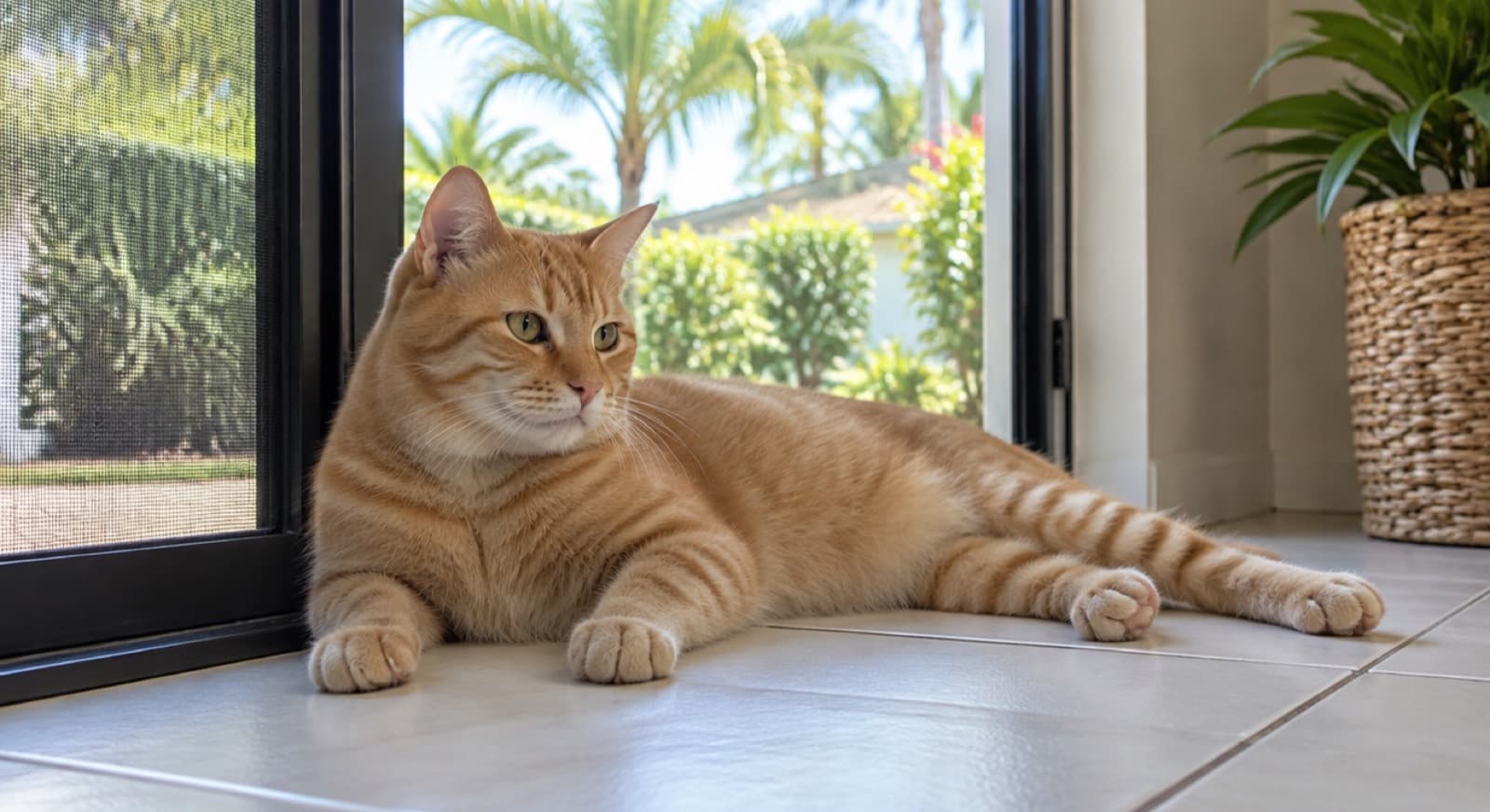
A domestic shorthair is the ordinary mixed-breed cat, the moggy. Most pet cats in Australia are one. It is a type of cat rather than a recognised breed, and that is the whole point. A broad gene pool gives you every colour and pattern, from tabby and tortoiseshell to black, ginger and white. It also gives you every personality, from bold and busy to quiet and cuddly. That genetic variety also tends to make for a hardy cat, with fewer of the inherited problems seen in narrow pedigree lines.
Because there are so many of them, you are choosing a companion rather than chasing a rare animal. Put temperament, age, energy and how the cat gets on with children or other pets first. For the cats listed right now, see the domestic shorthair listings on the Sunshine Coast. For the coat colours and what they mean, see our guide to domestic shorthair colours and patterns.
Where to adopt a domestic shorthair on the Sunshine Coast
The Sunshine Coast has fewer cat rescues than Brisbane or the Gold Coast, so it helps to know exactly where to look:
Sunshine Coast Animal Refuge (SCARS)
The region's main shelter, at Tanawha and known locally as Sippy Creek. It is an independent, non-euthanasia refuge that has rehomed dogs and cats since 1979. Cats are vet-checked, vaccinated, desexed and microchipped before adoption. It is open Tuesday to Sunday from 10am to 5pm and closed on public holidays. You apply by filling in its cat adoption questionnaire online or in person. Renters need written landlord permission, and unit owners body corporate approval. Listings at sippycreek.com.au.
RSPCA Queensland (Gympie and Dakabin)
There is no RSPCA adoption centre on the Sunshine Coast itself. The RSPCA site at Eumundi is a wildlife rehabilitation centre, not an adoption centre. The nearest adoption centres are RSPCA Gympie to the north and RSPCA Dakabin to the south, both open Wednesday to Sunday with adoptions by appointment. Details on the RSPCA Queensland locations page.
PetRescue
A national aggregator rather than a shelter, listing cats from many smaller Queensland rescues and foster carers in one searchable place. Browse at petrescue.com.au.
Across the Queensland rescues we aggregate, the domestic shorthair is the cat listed most often on the Sunshine Coast. Kittens arrive in waves through the warmer months. If you want a kitten, see the kittens for adoption on the Sunshine Coast.
What it costs to adopt
- Adult cat at SCARS: from $60.
- Kitten at SCARS: from $250, and SCARS says this covers council registration too if you live in the Sunshine Coast Council area.
- Included: SCARS cats are vet-checked, vaccinated, desexed and microchipped before they go home. Ask about worming and what a particular cat's fee covers, because the exact fee is on each listing.
A free kitten from a classified ad is the false economy. Desexing, vaccination and microchipping done yourself cost far more than an adoption fee, and the kitten will not have had a rescue's vet check. Budget for the ongoing costs as well: quality food, litter, an annual vet check and dental care. Add a cat-safe parasite product your vet recommends. That matters here, because the paralysis tick is active across South East Queensland for most of the year.
Two councils, two sets of cat rules
The Sunshine Coast is split between two councils, and their cat rules are genuinely different. Check which one you live in before you bring a cat home.
| Rule | Sunshine Coast Council | Noosa Shire Council |
|---|---|---|
| Cat registration | Required every year, with a council tag. Register at 12 weeks or within 14 days of getting the cat. | Not required. |
| Fees | Kittens registered up to six months of age free; desexed cat $43 a year ($25 pensioners); lifetime option $116 for a desexed, microchipped cat. | No registration fee. |
| Containment | No cat curfew on the council's registration page; indoor living is still the safe choice. | Cats must be kept on your property and must not cause a noise nuisance. |
| Cats per property | Two, more with an additional animal permit. | Two, more with an Additional Animal Permit. |
Under Queensland's Animal Management (Cats and Dogs) Act 2008, a cat must be microchipped by 12 weeks of age or before it is sold or given away. A rescue cat arrives chipped, so your job is to update the ownership details. Sources: Sunshine Coast Council's registration information page and Noosa Council's cat ownership fact sheet. Fees change, so confirm the current figure with your council before you pay.
Keeping your cat safe in subtropical Queensland
A domestic shorthair is happiest and safest indoors or with contained outdoor time. The Sunshine Coast sits squarely in paralysis tick country, and the bushland fringe around Buderim, the Blackall Range and the Noosa hinterland is especially risky. Cane toads are toxic if a cat mouths one, snakes are common, and roaming cats harm native wildlife and risk cars and fights. A cat-safe tick product from your vet, a daily check through the coat, and a catio or secure yard rather than free roaming cover most of it.
If something goes wrong after hours, two 24/7 emergency hospitals serve the coast: Animal Emergency Service at Tanawha and SASH Sunshine Coast at Sippy Downs. For general cat care, the RSPCA Australia Knowledgebase is reliable, and your own vet knows the individual cat. To browse cats suited to indoor life, see the indoor cats on the Sunshine Coast.
If you searched “kittens for sale Sunshine Coast”
The domestic shorthair is the clearest case for adopting rather than buying. The kitten you want is already waiting at a Sunshine Coast rescue, desexed, vaccinated and chipped. Be wary of any seller who asks for a deposit or a transport fee for a kitten you have not met. Scamwatch advises seeing the pet in person and treating a very cheap pet as a warning sign. With moggies this plentiful in rescue, there is no reason to take the risk.
Browse adoptable cats on the Sunshine Coast
Domestic shorthairs are plentiful in rescue, so you can take your time finding the right match. See the cats and kittens listed right now.
See Available Cats →Choosing your domestic shorthair
Let temperament lead. Decide whether you want a calm lap cat or a lively player. Ask whether the cat needs to get on with children, a dog or another cat, and whether a kitten or a settled adult suits your week. Then read the shelter's notes and visit, because a cat met in person tells you far more than a photo. For a first cat or a busy household, a known-temperament adult is often the easier choice. Adult moggies are also the cats that wait longest for a home.
Frequently Asked Questions
Where can I adopt a domestic shorthair on the Sunshine Coast?
The Sunshine Coast Animal Refuge (SCARS, also known as Sippy Creek) at Tanawha is the region's main shelter for cats and kittens. The domestic shorthair is the cat it lists most. There is no RSPCA Queensland adoption centre on the Sunshine Coast itself. The nearest are RSPCA Gympie to the north and RSPCA Dakabin to the south. PetRescue also gathers listings from smaller Queensland rescues in one place. Because moggies are plentiful, you can take your time choosing on temperament rather than racing for a rare cat.
What is a domestic shorthair?
A domestic shorthair is not a pedigree breed. It is the everyday mixed-breed cat, the moggy, and it makes up most pet cats in Australia. The broad gene pool means every colour, pattern and personality, and it tends to produce a hardy, long-lived cat. When a rescue lists a cat simply as a domestic shorthair, it means a healthy, ordinary cat without a breed price attached.
How much does it cost to adopt a domestic shorthair on the Sunshine Coast?
SCARS lists cats from $60 and kittens from $250. Every SCARS animal is vet-checked, vaccinated, desexed and microchipped before adoption. The refuge says its kitten fee also covers council registration if you live in the Sunshine Coast Council area. The exact fee for an individual cat is on its listing. A free kitten from an advertisement costs more in the end, because you pay for desexing, vaccination and microchipping yourself.
Do I need to register my cat on the Sunshine Coast?
It depends on your council. Sunshine Coast Council requires every cat to be registered each year and wear a council tag. Register at 12 weeks or within 14 days of getting the cat. Kittens registered up to six months of age are free, and a desexed cat costs $43 a year ($25 for pensioners). The council also offers a lifetime registration for a desexed, microchipped cat at $116. Noosa Shire Council does not require cats to be registered, but it does require them to be contained to your property and microchipped. Both councils allow two cats per property without an extra permit.
Should I adopt a kitten or an adult domestic shorthair?
Choose on fit, because both are easy to find. A kitten is playful and adaptable but needs time, supervision and training, and its adult personality is still settling. An adult shows you exactly what you are getting, including how it is with children or other pets, and is often calmer and quicker to settle. Adult moggies wait longest in rescue, so adopting one frees a space for the next cat.
Should a domestic shorthair live indoors on the Sunshine Coast?
Yes, indoors or with contained outdoor access such as a catio. South East Queensland has paralysis ticks effectively year-round, cane toads that are toxic if a cat mouths them, snakes and hot, humid summers. Roaming cats also harm native wildlife. In Noosa Shire, keeping your cat contained to your property is also a council requirement. An indoor cat with climbing posts, play and a window perch is a happy cat.
Keep reading
Adoptable Domestic Shorthairs
The moggies and kittens listed across Sunshine Coast and Queensland rescues.
Kittens on the Sunshine Coast
Kittens available for adoption now, desexed, vaccinated and microchipped.
All Cat Adoption Guides
Breed guides for adopting a cat on the Sunshine Coast.
Cat Adoption Sunshine Coast
Every adoptable cat on the Sunshine Coast in one place.