The short answer
British Shorthairs are calm, easygoing, dignified and independent, affectionate but usually on their own terms, and famously tolerant, which makes them a relaxed family cat and more forgiving of a working owner than a demanding breed. Most are not lap cats: they show affection by being near you rather than on you, and many dislike being carried. The two things to manage are weight, because the placid, food-motivated breed gains weight easily and is prone to obesity, and the dense plush coat, which needs a weekly brush and more during moults. Keep the cat lean with measured meals and daily play, groom the coat regularly, and never shave it. Give a British Shorthair a comfortable indoor home and it is one of the most contented, low-drama companions there is.
The British Shorthair personality
The British Shorthair is the definition of an easygoing cat. It is calm, dignified, tolerant and undemanding, happy to potter around the house and settle companionably near its people without needing constant attention or reassurance. It is affectionate, but in a self-possessed way, and it tends to be quiet rather than vocal. That relaxed, good-natured temperament makes it a comfortable fit for families with respectful children and for households where the cat will spend part of the day on its own, because unlike a highly social breed it is genuinely content in its own company for reasonable stretches, provided it still gets daily attention and play. For the breed profile and any British Shorthairs currently listed, see the British Shorthair breed page.
Why it is not a lap cat
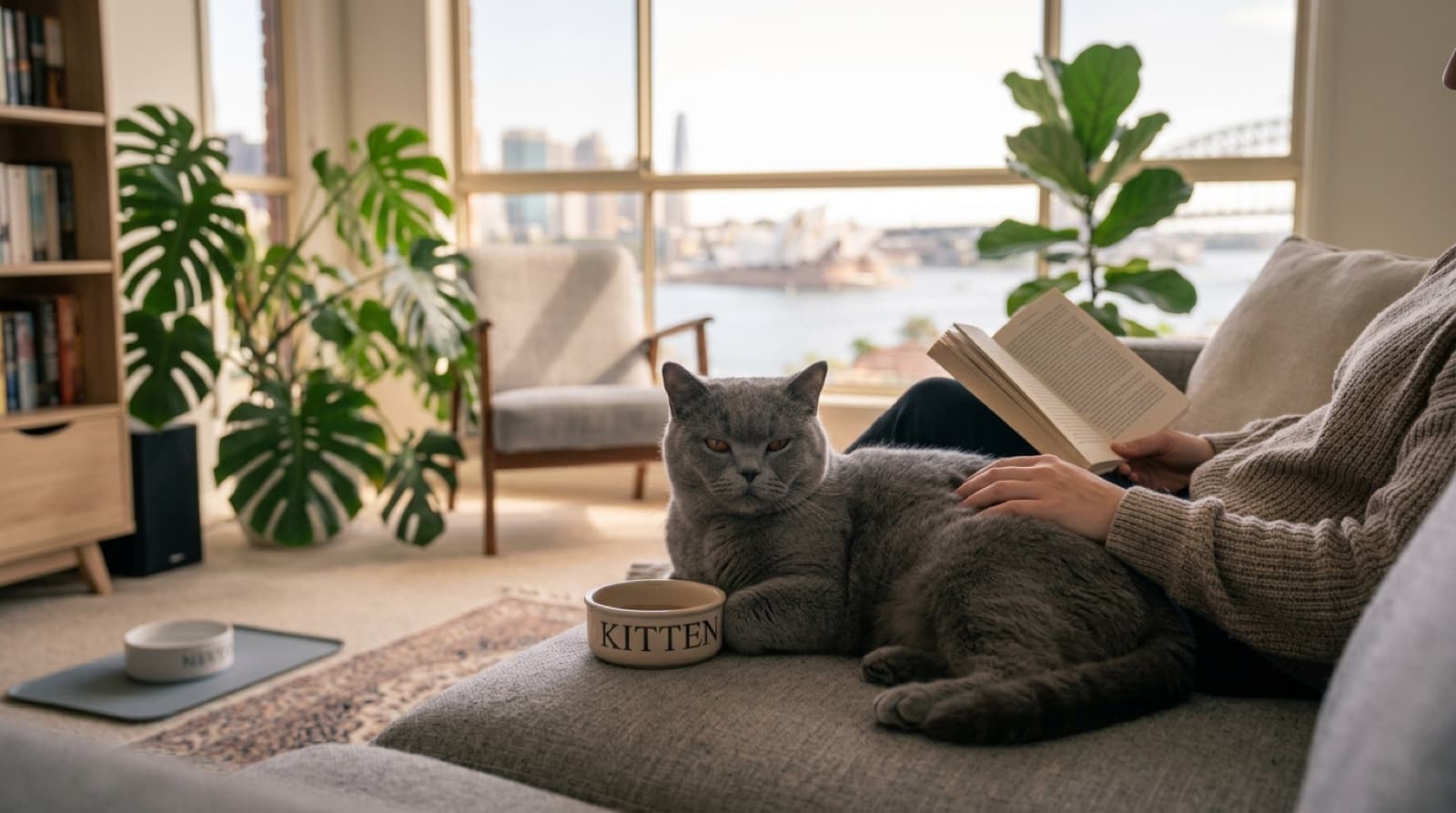
This is worth knowing before you adopt so the breed matches your expectations. The British Shorthair is affectionate but tends to show it by presence rather than contact: it will sit beside you on the sofa, follow you from room to room at a dignified distance, and greet you at the door, but many British Shorthairs dislike being picked up or carried and prefer to keep four feet on the ground. If your heart is set on a cat that lives curled on your lap, this is not reliably that breed. That said, every cat is an individual, and some British Shorthairs are more cuddly than others, so a foster carer's notes on a specific cat tell you far more than the breed average.
Managing weight in a placid breed
Here is the single most important care point for the breed, and it is squarely in the owner's hands. The same calm nature that makes British Shorthairs lovely also makes them less active, and they are food-motivated, so they gain weight very easily, especially once desexed and living indoors. Obesity is one of the most common and most preventable problems in the breed, and it strains the joints, raises the risk of diabetes and urinary disease, and shortens life. Feed measured meals of a good-quality diet rather than free-feeding, use puzzle feeders to slow eating and add movement, keep up daily interactive play even with a placid cat, and ask your vet for a target weight and a body-condition score you can check yourself. The RSPCA Knowledgebase has good guidance on feeding and healthy weight.
Grooming the dense plush coat
The British Shorthair's thick, crisp, plush double coat is one of its trademarks, and it needs more care than a typical short coat, though far less than a long-haired breed. Brush it about once a week most of the year with a slicker brush or a rubber grooming tool to lift out loose undercoat, and more often during the seasonal moults when it sheds heavily. Regular brushing keeps the coat healthy, reduces hairballs and the hair around your home, and is a chance to check the skin and feel for ticks. Cats groom themselves, so a British Shorthair rarely needs bathing, and over-bathing strips the coat. Never shave the coat to cool the cat, because it protects the skin and helps regulate temperature; instead keep the cat indoors in the cool during the hottest part of a Brisbane day.
Keeping a home-loving cat enriched
Do not let the placid nature become an excuse to skip enrichment, because a bored, under-exercised indoor cat is exactly the one that gains weight and grows discontented. Provide sturdy scratching posts and climbing options that suit a solid, muscular cat, window perches to watch the world, and daily interactive play, and use puzzle feeders to make the cat both move and think. A catio or secure yard adds safe outdoor stimulation. British Shorthairs are generally sociable with other cats, so a second cat can be good company through the day. The combination of measured feeding and daily activity is what keeps this lovely, laid-back breed lean, healthy and content across a long life.
Meet a British Shorthair in Brisbane rescue
If you can offer a comfortable indoor home, measured meals and a weekly brush, a British Shorthair is one of the most easygoing cats there is. Browse British Shorthairs and plush-coated crosses available across Brisbane and Queensland rescues.
See Available British Shorthairs →Frequently Asked Questions
What is a British Shorthair’s temperament like?
Calm, easygoing, dignified and undemanding. The British Shorthair is affectionate but usually on its own terms, tending to sit companionably beside you rather than climb onto your lap, and it is famously tolerant and good-natured, which makes it a relaxed cat around children and a busy household. It is not high-energy, clingy or especially vocal. Because it is independent and content in its own company, it copes better than a demanding breed with an owner who works, though it still needs daily play, enrichment and company. In short, it is one of the most placid, low-drama cat breeds, which is a big part of its popularity.
Are British Shorthairs lap cats?
Usually not, and it helps to know this before you adopt so you are not disappointed. The British Shorthair is affectionate but tends to show it by being near you rather than on you, and many dislike being picked up or carried, preferring to keep four feet on the ground. It will happily settle beside you on the sofa, follow you around at a dignified distance, and greet you, but it is not the breed for someone who wants a cat that lives on their lap. That said, every cat is an individual, and some British Shorthairs are more cuddly than others, so a foster carer's notes on a particular cat tell you more than the breed generalisation.
Why are British Shorthairs prone to putting on weight?
Because the same calm, laid-back nature that makes them lovely companions also makes them less active, and they are food-motivated, so they gain weight easily, especially once desexed and living indoors. Obesity is one of the most common and most preventable health problems in the breed, and it worsens joints, increases the risk of diabetes and urinary problems, and shortens life. Manage it actively: feed measured meals of a good-quality diet rather than leaving food out, use puzzle feeders to slow eating and add activity, keep up daily interactive play even with a placid cat, and ask your vet for a target weight and a body-condition score you can check at home.
How much grooming does a British Shorthair need?
Less than a long-haired breed, but the dense coat still needs regular care. The British Shorthair has a thick, plush, crisp double coat that sheds, particularly during seasonal moults, so brush it about once a week most of the year and more often when it is shedding heavily, using a slicker brush or a rubber grooming tool to remove loose undercoat. This keeps the coat healthy, cuts down hairballs and the hair around your home, and is a good moment to check the skin. Do not over-bathe, since cats groom themselves and the coat rarely needs it, and never shave the coat, which protects the skin and helps regulate temperature.
How do I keep a laid-back British Shorthair happy indoors?
Do not let the calm nature fool you into neglecting enrichment, because a bored, under-exercised indoor cat gains weight and can become unhappy. Provide sturdy scratching posts and climbing options suited to a solid cat, window perches, and daily interactive play with wand toys, and use puzzle feeders to make the cat move and think. A catio or secure yard gives safe outdoor stimulation. Company matters too: a British Shorthair is generally sociable with other cats, so a second cat can be good company. The combination of measured feeding and daily activity is what keeps this placid breed lean and content over a long life.
Keep reading
Adoptable British Shorthairs in Brisbane
The British Shorthair breed profile and any British Shorthairs or crosses currently listed across Brisbane rescues.
British Shorthair Adoption in Brisbane
Where to look, why purebreds are rare in rescue, adopt-versus-buy cost, and avoiding scams.
British Shorthair Health Issues
HCM with its breed DNA test, PKD, a bleeding disorder, obesity, and the signs to watch for.
All Cat Adoption Resources
Guides on adopting, kitten care, indoor living and costs for cats in Brisbane and Queensland.