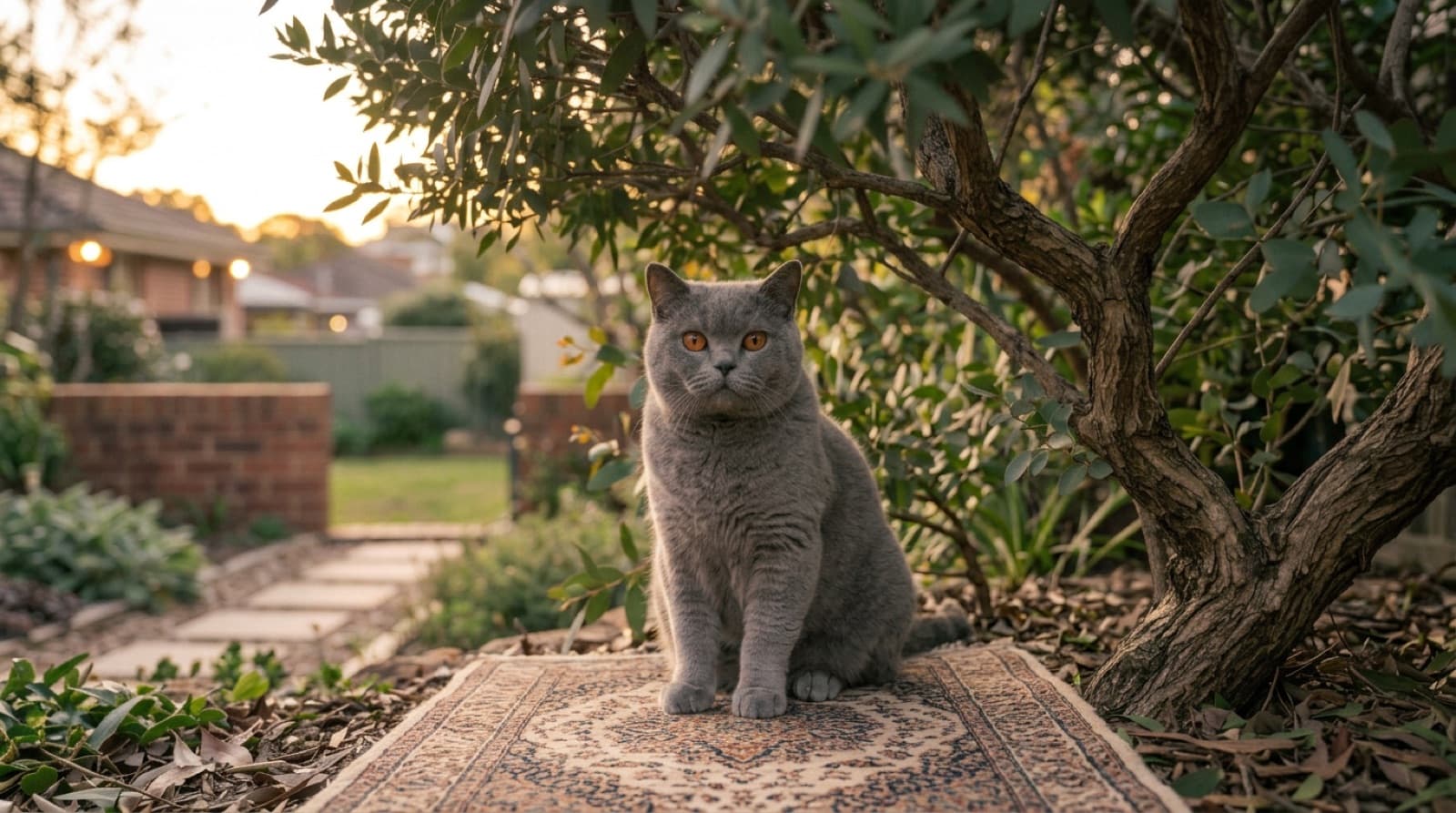
The short answer
The British Shorthair is a robust, long-lived cat, but the breed is associated with a few conditions: hypertrophic cardiomyopathy (HCM, a heart-muscle disease with a breed DNA test), polycystic kidney disease (PKD), haemophilia B (an inherited clotting disorder with a DNA test), and obesity, which is the most common and most preventable because the placid breed gains weight easily. DNA tests exist for the inherited conditions, and responsible breeders screen for them. Adopting an adult rescue cat with a vet history lets you see its real health. Above all, keep the cat lean, keep up regular vet and dental checks, insure early, mention the breed to your vet before any surgery, and see a vet promptly for changed breathing, energy, thirst or unexplained bleeding. This is general information, not veterinary advice.
HCM: the heart condition, with a breed DNA test
Hypertrophic cardiomyopathy (HCM) is a thickening of the heart muscle that reduces how efficiently the heart pumps, and it is the most common heart disease in cats generally, with the British Shorthair among the breeds it is associated with. A DNA test exists for a mutation identified in the breed, which breeders use, and vets can also assess the heart directly with an ultrasound (echocardiogram). A normal DNA result does not rule the disease out entirely, because not every case is explained by a known gene.
HCM can be silent for a long time, then show as laboured or fast breathing, lethargy, reduced appetite or, in serious cases, sudden collapse or hind-limb problems from a clot. For an adopted cat, the practical steps are regular vet checks, watching for changed breathing or energy, and asking your vet whether screening makes sense. The RSPCA Knowledgebase and your vet are good references, and inherited-disease tests are catalogued by screening bodies such as the Orthopedic Foundation for Animals.
PKD and haemophilia B
- Polycystic kidney disease (PKD). An inherited condition where fluid-filled cysts develop in the kidneys and can gradually lead to kidney disease later in life. Most associated with Persians but tested for across pedigree cats including British Shorthairs, with a DNA test breeders use. For a rescue cat, watch for increased thirst and urination, weight loss or lethargy, and keep up routine and senior vet checks.
- Haemophilia B (Factor IX deficiency). An inherited blood-clotting disorder identified in the breed, where blood does not clot normally. It matters most around surgery or injury, so it is worth mentioning the breed to your vet before any planned procedure, and seeing a vet promptly for unexplained or prolonged bleeding or bruising. A DNA test is available, and responsible breeders test for it.
Obesity: the most preventable problem
This is the one most in the owner's hands, and for this breed it is the health issue to take most seriously day to day. The calm, food-motivated British Shorthair gains weight very easily, especially once desexed and living indoors, and obesity is the breed's most common and most preventable problem. Excess weight strains the joints, raises the risk of diabetes and urinary disease, makes self-grooming harder, and shortens life, so keeping a British Shorthair lean quietly protects against several issues at once. Feed measured meals of a good-quality diet rather than leaving food out, use puzzle feeders to slow eating and add activity, keep up daily interactive play, and ask your vet for a target weight and a body-condition score you can check at home. This is covered further in the temperament and care guide.
A long life, and insuring for it
The British Shorthair is a long-lived breed, so its health care is about the steady habits that carry a cat through its mid-to-late teens. Adopting an adult rescue cat with a vet history lets you see its real health rather than gamble. Because the bigger costs are unpredictable and can arrive across a long life, pet insurance taken out while the cat is young is the most valuable safeguard, since insurers exclude pre-existing conditions. Pair it with the preventive basics that keep any cat well: a lean weight above all, a good diet, dental care, regular vet checks, senior blood and urine screening as the cat ages, and year-round cat-safe parasite prevention. For general veterinary guidance the Australian Veterinary Association is a reliable starting point, and your own vet is the right guide for an individual cat. Brisbane after-hours emergencies are handled by hospitals such as Animal Emergency Service at Jindalee and Underwood.
Thinking about a British Shorthair in Brisbane?
A rescue British Shorthair comes with a vet check and honest notes, so you adopt knowing the cat. Browse British Shorthairs and plush-coated crosses available across Brisbane and Queensland rescues.
See Available British Shorthairs →Frequently Asked Questions
What health problems are British Shorthairs prone to?
The main ones to know are hypertrophic cardiomyopathy (HCM), a heart-muscle disease the breed is associated with and for which a DNA test exists; polycystic kidney disease (PKD); haemophilia B, an inherited blood-clotting disorder identified in the breed with a DNA test; and obesity, which is the most common and most preventable problem because the placid breed gains weight easily. British Shorthairs are otherwise robust and long-lived, often reaching their mid-to-late teens. DNA tests exist for the inherited conditions, and responsible breeders screen for them. A rescue cat should have a full vet check. This is general information, not veterinary advice.
What is HCM in British Shorthairs, and is there a test?
HCM, or hypertrophic cardiomyopathy, is a thickening of the heart muscle that reduces how well the heart works, and it is the most common heart disease in cats generally, with the British Shorthair among the breeds it is associated with. A DNA test exists for a mutation identified in the breed, which breeders use, and vets can also screen the heart directly with an ultrasound (echocardiogram). A normal DNA result does not rule the disease out entirely, because not every case is explained by a known gene. HCM can be silent then show as laboured or fast breathing, lethargy, or in serious cases collapse or hind-limb problems from a clot, so see a vet promptly for any of those signs. Your vet can advise on screening for an individual cat.
What is PKD in British Shorthairs?
Polycystic kidney disease (PKD) is an inherited condition where fluid-filled cysts develop in the kidneys and can gradually lead to kidney disease later in life. It is most associated with Persians but is tested for across pedigree cats, including British Shorthairs, and has a DNA test that breeders use. For a rescue cat of unknown background, the practical safeguards are regular vet checks and watching for the general signs of kidney trouble, such as increased thirst and urination, weight loss, poor appetite or lethargy, which warrant a vet visit. Kidney disease is manageable, especially when caught early, so routine check-ups and senior screening matter.
What is haemophilia B in the breed?
Haemophilia B, also called Factor IX deficiency, is an inherited blood-clotting disorder identified in British Shorthairs, where the blood does not clot normally. It matters most around surgery or injury, when abnormal bleeding can occur, so knowing a cat's status is useful before any procedure. A DNA test is available, and responsible breeders test for it. For an adopted cat, you may not know its status, so it is worth mentioning the breed to your vet before any planned surgery, and seeing a vet promptly for any unexplained or prolonged bleeding or bruising. It is an uncommon but important condition to be aware of in the breed.
Why is keeping a British Shorthair lean so important?
Because obesity is the breed's most common and most preventable health problem. The calm, food-motivated British Shorthair gains weight very easily once desexed and living indoors, and excess weight strains the joints, raises the risk of diabetes and urinary disease, makes grooming harder, and shortens life. Weight control therefore protects against several problems at once. Feed measured meals of a good-quality diet rather than free-feeding, use puzzle feeders to slow eating and add activity, keep up daily play even with a laid-back cat, and ask your vet for a target weight and body-condition guide. For this breed, portion control and play are the biggest levers an owner has.
Is pet insurance worth it for a British Shorthair?
For most owners, yes, and it is easiest to arrange while the cat is young and healthy, because insurers exclude pre-existing conditions. A British Shorthair's potential issues, cardiac investigation, kidney disease, or a bleeding disorder around surgery, can add up over a long life, and a rescue cat's history is often unknown. Take out cover as soon as you adopt, read the waiting periods and exclusions, and pair it with the preventive basics: a lean weight, a good diet, dental care, regular vet checks and year-round cat-safe parasite prevention, which matters in Brisbane because South East Queensland has paralysis ticks all year. Because the breed is long-lived, senior check-ups become especially worthwhile as the cat ages.
Keep reading
Adoptable British Shorthairs in Brisbane
The British Shorthair breed profile and any British Shorthairs or crosses currently listed across Brisbane rescues.
British Shorthair Adoption in Brisbane
Where to look, why purebreds are rare in rescue, adopt-versus-buy cost, and avoiding scams.
British Shorthair Temperament & Care
The calm, independent nature, managing weight in a placid breed, and grooming the dense plush coat.
All Cat Adoption Resources
Guides on adopting, kitten care, indoor living and costs for cats in Brisbane and Queensland.