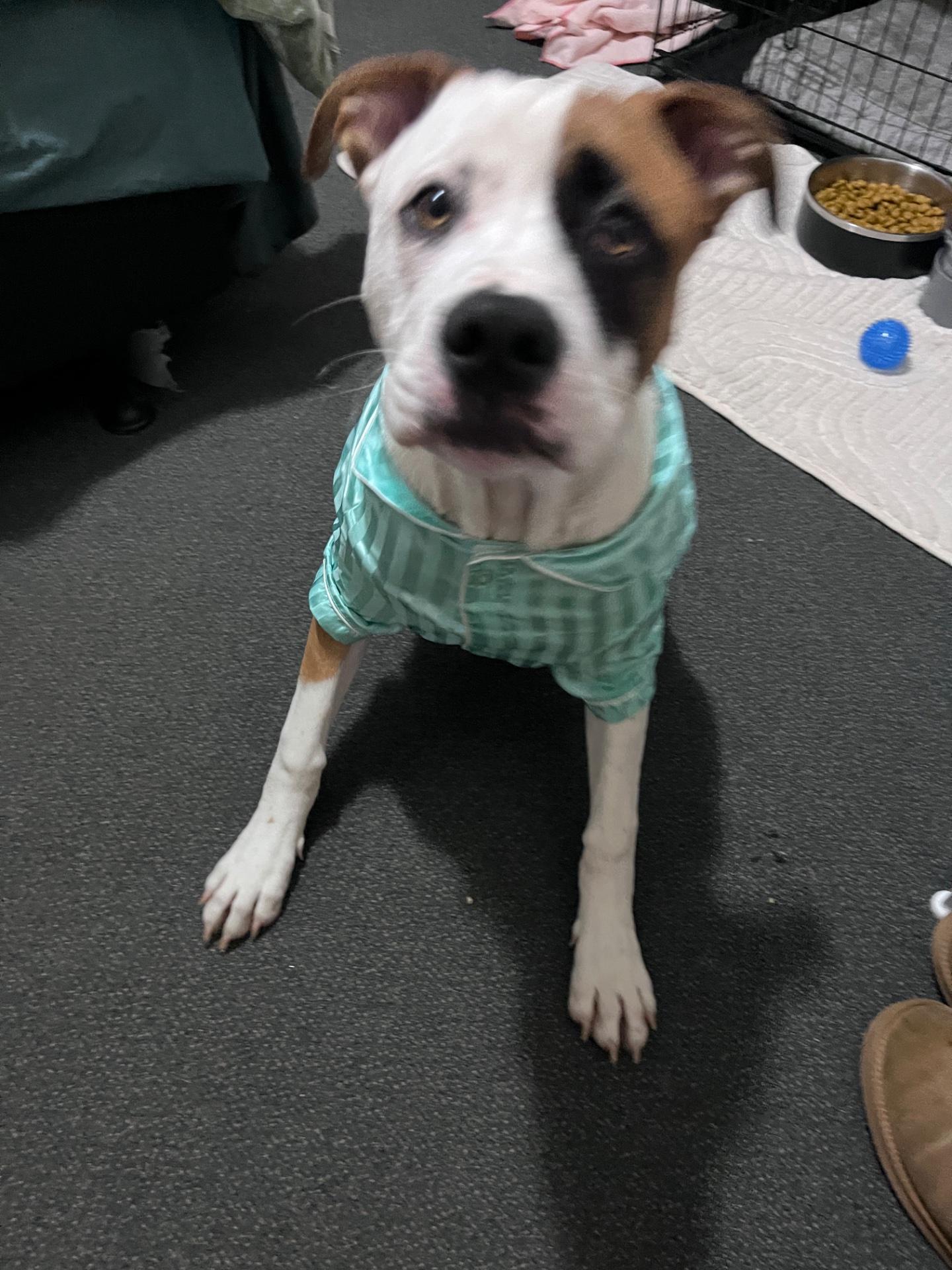
Acorn
4 months • Staffy x Boxer


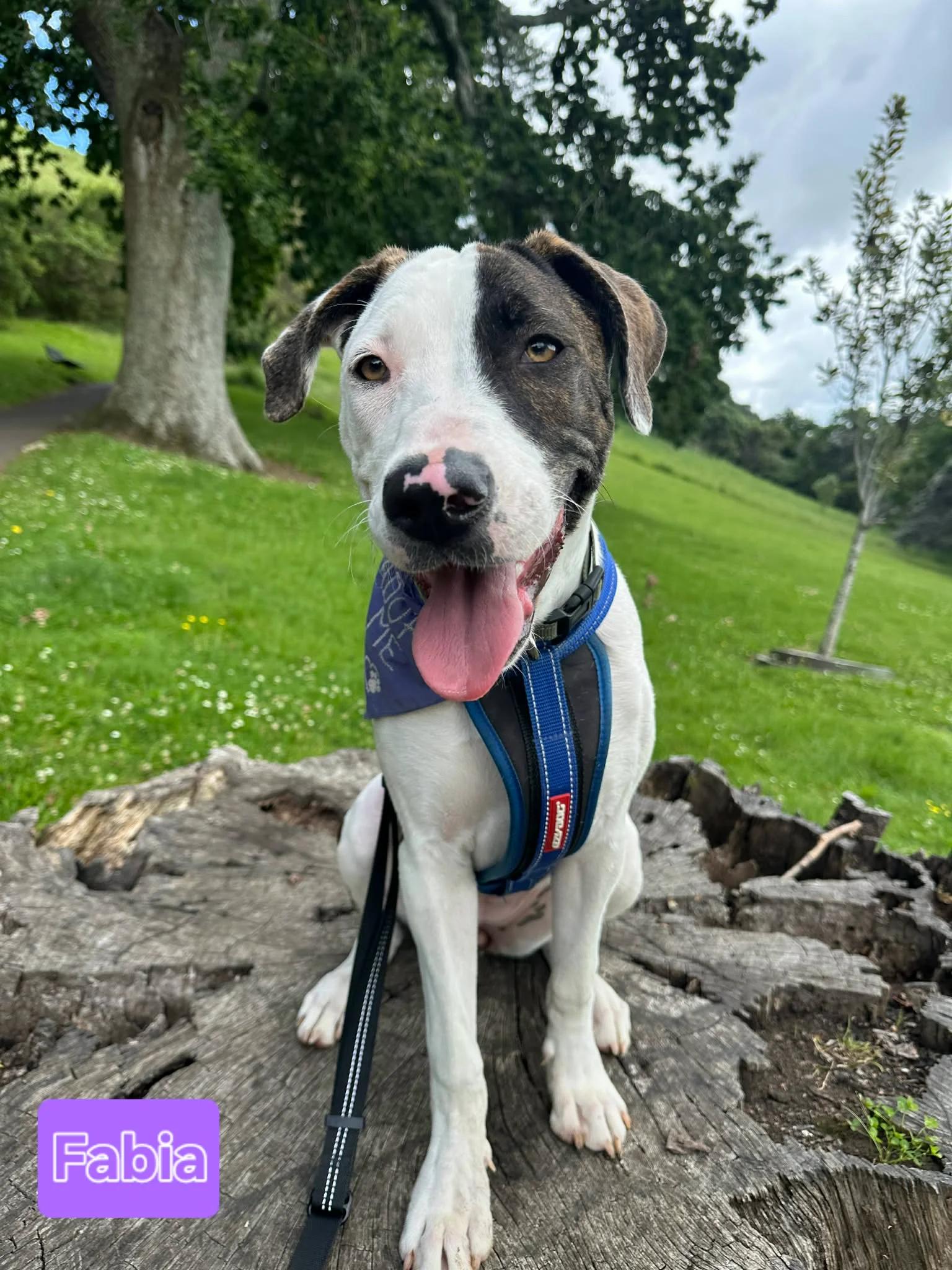
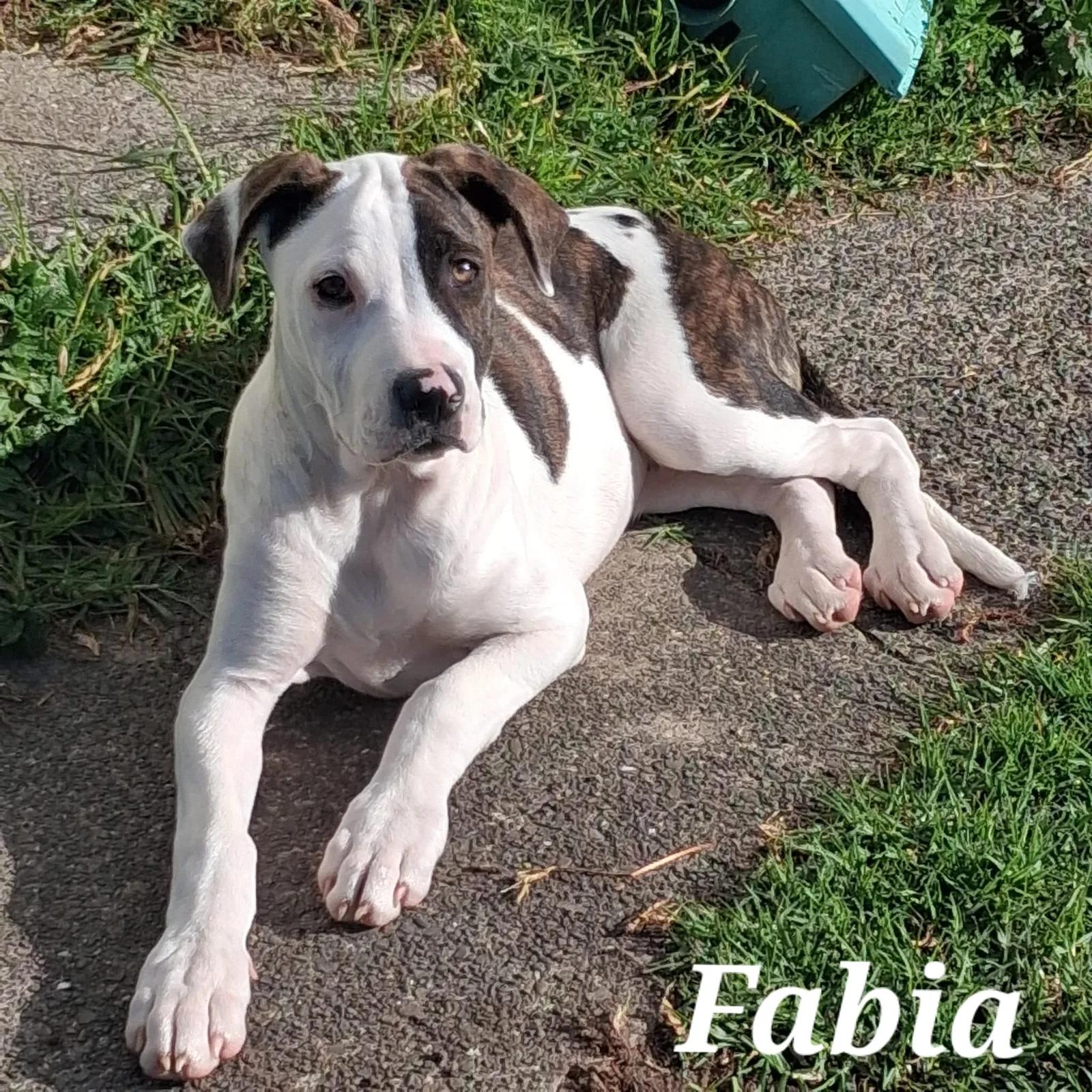
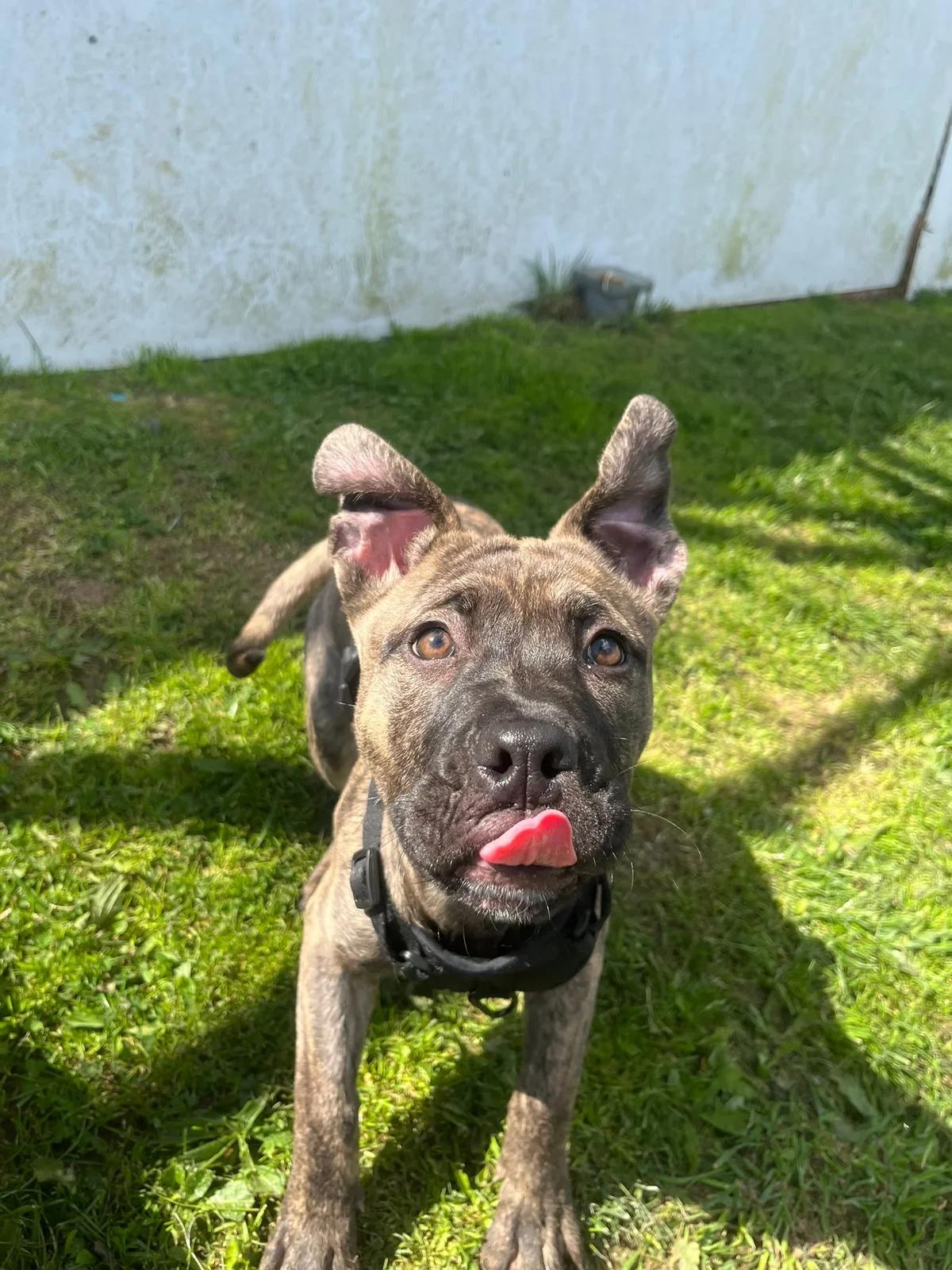
Showing 1-9 of 27 dogs
Get notified about new puppies in Auckland
We will email you when new rescue puppies become available in Auckland, so you can be among the first to meet them.
Browse Auckland Puppies by Breed Type
Most rescue puppies in Auckland are crosses, and across the rescues we aggregate a handful of types come up again and again. Each card opens the Auckland page for that breed, with every age listed, so you can see what is available today and set an alert for the type you want.
Staffy and bull-breed puppies →
The most common puppy type in the rescues we aggregate. Affectionate, strong and people-focused, and worth checking your lease or strata rules before you apply.
Cattle Dog puppies →
Heeler crosses turn up in rescue all year. Whip-smart and nippy as pups, they suit active owners who will give them a job.
Kelpie puppies →
Working-dog energy in a medium body. A Kelpie pup needs daily exercise and training from the first week, and repays it tenfold.
Border Collie puppies →
Among the cleverest dogs there are, and the most demanding. Collie crosses are common in rescue and need mental work every day.
German Shepherd puppies →
Loyal and high drive. Shepherd crosses appear regularly and need early, careful socialisation to grow into steady adults.
Labrador puppies →
The family favourite, and rarer in rescue than most people expect. Set an alert, because a Lab cross pup is usually claimed within hours.
Golden Retriever puppies →
Gentle and eager to please. Seldom in rescue and gone almost as soon as listed, so patience and an alert are the realistic path.
Huntaway puppies →
The New Zealand farm dog, and one of the most common puppy types in New Zealand rescue. Big voice, big heart, needs room to run.
Heading Dog puppies →
Collie-type working dogs bred to think. A Heading Dog pup wants a task every day and thrives with an active, outdoorsy family.
Adopting a puppy from an Auckland rescue is one of the best decisions you can make, both for the puppy and for your family. Unlike buying from a breeder, rescue adoption gives a young dog a second chance while freeing up shelter space for other animals in need. Every puppy listed here comes from an Auckland or New Zealand rescue, a shelter or an owner rehoming them, and rescue puppies have already started veterinary care, vaccination, and often desexing.
That said, puppies are a serious time commitment. They need consistent house training, socialisation during their critical first months, and obedience work to become well-adjusted adult dogs. Expect to invest several hours a day in the first few weeks. Puppies also need more frequent vet visits and may chew furniture, shoes, and anything else they can reach.
Listings below are updated regularly directly from rescue websites. Puppies are in high demand and often receive multiple applications within hours of being posted, so if you see one that matches your lifestyle, apply right away through the rescue.
Popular Puppy Breeds and Types in Auckland Rescues
Rescue puppies in Auckland are overwhelmingly mixed breeds, and that is a good thing. Cross-bred litters draw on more than one breed, which tends to spread out the inherited health problems that concentrate in tightly bred pedigrees. You will regularly see Staffy and bull-breed crosses, Kelpie and cattle-dog types, Border Collie mixes, and the occasional Labrador or Retriever cross. Smaller crosses such as Cavoodle and Maltese types appear too, though they tend to be claimed within hours.
Purebred puppies do turn up in Auckland and New Zealand rescue, but far less often than people expect and never for long. If your heart is set on one specific breed, patience and a saved alert will serve you better than refreshing listings all day. Foster carers assess each puppy as an individual, so the honest description of temperament and likely adult size matters far more than a breed label guessed from a photo.
Adult size is the single hardest thing to predict in a rescue puppy, especially a mixed-breed one from an unknown litter. A good rescue will give you a considered estimate based on the puppy's paws, its parents where known, and the vet's assessment, but treat it as a range rather than a promise. If a strict size limit matters for your home or your lease, an older puppy or a young adult removes the guesswork.
Raising a Puppy in an Auckland Apartment or Unit
A puppy can thrive in an apartment or unit, but it changes how you manage the first few months. Toilet training is slower without a back door to a yard, so you will be carrying your puppy to a designated outdoor spot on a frequent schedule, including overnight at first. A consistent routine and plenty of calm praise for going in the right place shortens the process more than any product ever will.
Noise is the other apartment consideration. Puppies cry when left alone, and thin walls make that everyone's problem. Build up alone-time gradually from very short absences, give your puppy a comfortable crate or pen as a safe den, and tire them out before you leave. Most apartment puppy troubles trace back to a young dog that is under-exercised, under-stimulated and left alone too long too soon.
Before you commit, check your lease and any strata or body-corporate by-laws for pet rules, since these vary between buildings and some cap the number or size of pets you may keep. Confirm the policy in writing before you apply for a puppy, not after you have fallen for one.
Puppy Health, Vaccination and the First Vet Visit
Every puppy listed here leaves its rescue vaccinated appropriately for its age, microchipped, and started on parasite prevention, with desexing either done or arranged as part of the adoption. You should still book your own vet within the first week so your puppy gets a baseline health check and you can set up the ongoing vaccination and parasite schedule your vet recommends for where you live.
Puppies need a course of vaccinations over their first months rather than a single shot, and their immunity is not complete until that course is finished. Ask your vet when it is safe for your puppy to socialise on the ground in public places, because the timing balances protecting them from disease against the equally important job of socialising them during a short, critical window.
Do not improvise products or doses for a small puppy; your vet will match the prevention to your puppy's weight and your local risks.
Puppy Training and Socialisation in the First Months
The first few months shape the adult dog more than any other period. Socialisation means calm, positive exposure to as many everyday sights, sounds, surfaces and friendly people and dogs as you can manage while your puppy is young. The goal is a confident dog that takes the world in its stride, and the window for building that easily is short, so start gently from day one.
Keep training sessions short, frequent and rewarding. Five to ten minutes a few times a day beats one long, frustrating session. Focus on toilet training, a reliable name response, sit, and coming when called, and reward the behaviour you want rather than punishing mistakes. Reward-based methods are what modern trainers and animal welfare bodies recommend, and they build a dog that wants to work with you.
A structured puppy class is one of the best early investments you can make. Beyond the basics, it gives your puppy safe, supervised socialisation with other dogs and people, and gives you a professional to answer the small questions before they become habits. Ask your vet or your rescue to point you to a reward-based puppy class near you.
The Truth About Rescue Puppy Availability
Puppies are the most in-demand animals in rescue, and popular ones receive multiple applications within hours of being listed. That is worth knowing before you set your heart on one particular pup. Being ready to apply the moment a puppy appears, with your household in agreement and your questions prepared, matters far more than luck.
Because puppies move so fast, the single best strategy is to widen your criteria and set up an alert. A slightly older puppy, a young adult, or a cross rather than a purebred will all give you the same years of companionship, often with a known temperament and adult size into the bargain. Rigid criteria simply mean a longer wait.
It is also worth being realistic about the workload. A puppy is months of broken sleep, toilet training, chewing and constant supervision before it becomes the easy adult dog you pictured. If that season of life does not suit you right now, an adult rescue dog gives you the companionship without the intensive early stage, and adult dogs wait far longer for homes.
Costs, Registration and Bringing Your Puppy Home
A rescue puppy's adoption fee is typically a few hundred dollars (the exact fee is on each profile), and it already bundles in desexing or a desexing plan, vaccination to date, microchipping and a vet check. Bought from a breeder, the same puppy commonly runs into the thousands with none of that vet work included, so adoption is both the kinder and the cheaper path to a well-started puppy.
Councils in New Zealand require dogs to be microchipped and registered, and a desexed dog usually attracts a lower registration fee, so keep your desexing paperwork. Your rescue will transfer the microchip into your name, and you should make sure your details on the microchip registry stay current, because that chip is how a lost dog finds its way home.
Budget for the ongoing costs before you adopt, not after. Quality food, year-round parasite prevention, the remaining vaccination course, training and routine vet care all add up, and a puppy will also cost you a crate, bedding, a lead and safe chew toys up front. Planning for the real cost of the first year is part of being ready for a puppy.
Where Auckland rescue puppies come from
Most of the puppies we list for Auckland come from the SPCA, whose Auckland centre is on Westney Road in Māngere, and from Saving Hope Foundation, a no-kill rescue that keeps its dogs in foster homes and names the suburb on each profile. A foster carer can tell you how a puppy sleeps, travels and copes with visitors, so ask before you apply.
The SPCA adopts by appointment: you register to adopt, apply for a specific animal and then book a time to meet it. Litters are often spoken for within days, so register in advance, set an alert here, and check more than one rescue rather than waiting on a single listing.
What a rescue puppy costs in Auckland
The SPCA charges the same fees at every centre: $399 for a puppy under five months, with a $2.50 service charge added. That fee covers desexing, microchipping and vaccinations, and it includes a $15 one-off lifetime registration on the New Zealand Companion Animal Register. Adopting two animals together takes 15% off. Saving Hope Foundation does not publish a flat fee, so read the amount on each puppy's profile.
Compare that with a private sale: a puppy bought from a classified listing usually still needs desexing, its microchip and the rest of its vaccinations, and every one of those is a separate vet bill.
Registration and microchipping under the Dog Control Act
Under the Dog Control Act 1996, every dog older than three months must be registered with its local council, and a dog first registered must be microchipped within two months of registration. The SPCA registers a dog before it goes to a new home. When ownership changes, the previous owner and the new owner must each tell the council in writing within 14 days.
Auckland Council sets its own fees, and they are cheaper for a desexed dog and cheaper again if you hold a Responsible Dog Owner Licence. The registration year runs from 1 July to 30 June, with a discount for paying early, so check the current figures on the council's dog registration page rather than relying on an old number.
Buying a puppy on Trade Me or privately
New Zealand has no national dog breeder register, so there is no breeder number to look up. Your checks are practical ones: see the puppy with its mother, in person, and ask for its microchip and vaccination records. A seller who will only courier the puppy, or wants a deposit before you have met it, fits the classic puppy-scam pattern, so treat any classified listing, Trade Me included, with that in mind.
Rescue puppies sidestep most of this, because the rescue has already met the puppy, started its vet care and registered it. If a private deal feels rushed, walk away; another puppy will come.
A puppy's first months in Auckland
Follow your vet's vaccination schedule and keep the puppy away from places where unknown dogs gather until it is complete. There is no paralysis tick in New Zealand, so prevention in Auckland's mild climate is about year-round fleas and worms. Humid summers call for early-morning walks and water on hand, and wet winters for drying the coat and checking ears, especially on Labradors and spaniels.
If your puppy falls ill after hours, Animal Emergency at VSA runs a 24-hour, 7-day emergency service at its Sylvia Park hospital in Mt Wellington; its Henderson hospital in West Auckland takes emergencies out of hours only. Call ahead so they are ready for you.
Walking, training and where puppies can go
In Auckland Council parks and public places where dogs are allowed, a dog must be under control with its owner carrying a lead, and on-leash unless the area is listed as off-leash. Many beaches have time-of-day and seasonal limits, and large parts of the Waitākere Ranges are closed to protect kauri from dieback. The council's where you can walk your dog page is the place to check before you go.
Start reward-based training on day one with toilet routines, name response and short spells alone. Once your vet clears it, a puppy class is the simplest way to cover socialisation. If you rent or live in an apartment, confirm your lease or body corporate rules allow a dog before you apply, and ask the rescue whether a puppy is likely to bark when left.
Puppy Adoption FAQ
Tap a question to expand