The short answer
If you hold a pension or concession card, start with the National Desexing Network directory, run by Animal Welfare League Queensland. Its published recommended concession prices were $140 to $250 for a cat and $220 to $370 for a dog, by sex and size, when we checked in November 2026, though each vet sets its own. Some charity programs list lower prices: at the lowest published program prices we found, a cat was $75 and a dog $175. Free desexing exists but is local and limited. Without a card, wait for National Desexing Month in July, or check a charity clinic that serves everyone.
These are reference prices from each clinic's or program's own published list, checked November 2026. They are not a quote: prices change, extras vary, and the price your vet quotes for your pet is the one that applies.
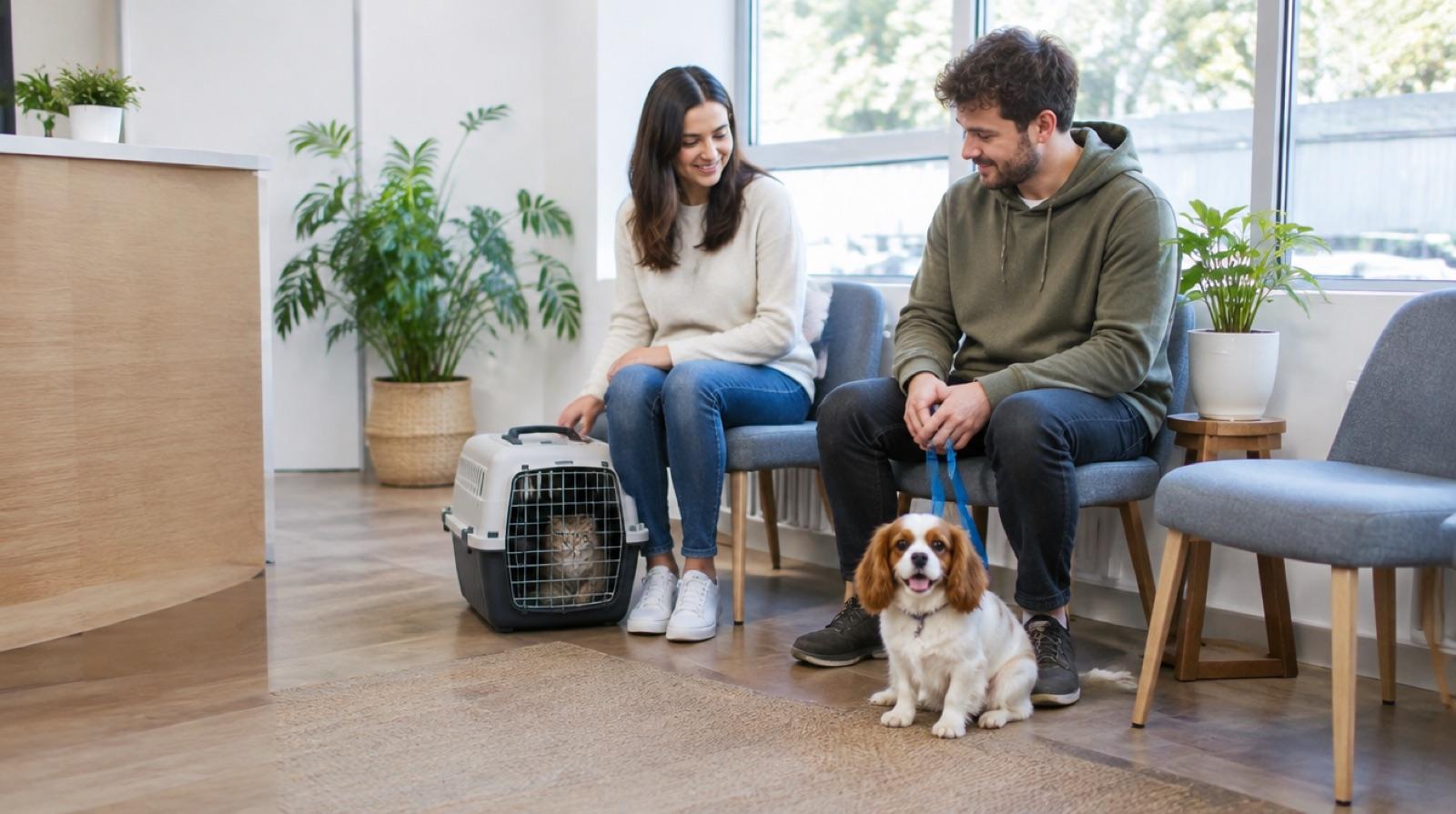
Where to get cheap or free desexing in Australia
There is no single national subsidy that pays for desexing. Help comes from a patchwork, and which piece fits you depends on where you live and whether you hold a pension, concession or health care card.
- The National Desexing Network (NDN): a referral service listing vets who discount desexing for card holders all year, and run special offers every July.
- Charity and RSPCA clinics and programs: some run their own low-cost clinics, desexing days or payment plans.
- Your council: some councils run rebates or discounted desexing days for residents, and most charge less to register a desexed pet.
- National Desexing Month: July each year, when some vets drop their prices for every owner, card or not.
The prices on this page are program prices only. For what desexing costs at a regular vet, see our guides to dog desexing cost and cat desexing cost.
The National Desexing Network: who runs it and how it works
The National Desexing Network is run by Animal Welfare League Queensland (AWLQ), which describes it as “an Australia-wide referral system giving pet owners in financial need access to low-cost desexing.” It is a referral service, not a clinic. The surgery is done by an ordinary registered vet who has agreed to list a discounted price.
One detail surprises people: the vets in the year-round program get no subsidy. NDN says they discount out of goodwill. That is why NDN asks owners who can afford normal fees to pay them, and why the program is not open to anyone breeding cats or dogs to sell.
How to get an NDN desexing voucher
- Search the directory. On the NDN desexing directory, enter your suburb and state, set a search radius and search. The map shows vets offering year-round concession discounts and other organisations that help local residents.
- Check the listing. Each clinic sets its own prices and eligibility. Some list a fixed price, some list a percentage off, and some do not desex every type of animal.
- Apply for the voucher. Follow the listing's instructions. You need one application for each animal, and the voucher is emailed to you.
- Book with the vet. Phone the clinic and say you have an NDN voucher when you book.
- Bring the voucher and your card. The voucher carries your concession card number, and the vet can ask to see the card. NDN tells vets they can refuse a voucher if the owner has no valid card.
If you cannot use the website, NDN can help over the phone on 1300 368 992 (the number AWLQ and NDN publish for voucher help).
What changed on 31 August 2026
For years, a number of councils paid NDN to run subsidised desexing for their residents, with the council covering part of the vet's fee. The NDN home page now says the council-funded voucher program “concluded on 31 August 2026” and that council-funded vouchers are no longer available. When we checked in November 2026, the program listings on NDN's council programs page showed a mix of statuses (closed, paused, a few with limited vouchers left, and some still marked open), and several were last updated before the program ended. Treat any listing as a lead, not a promise, and phone NDN to check what is still available for your council area.
What still works is the year-round program through participating vets, and National Desexing Month in July. If your council used to fund cheap desexing through NDN, phone the council and ask whether it runs anything directly now.
Low-cost desexing prices from programs and charities
These are published program prices from the named organisations, read on 7 November 2026. They are not quotes. Extras such as blood tests, or a pet that is pregnant or in season, can cost more, and programs change, so confirm with the organisation before you book.
| Program (source) | Who can use it | Cat | Dog |
|---|---|---|---|
| National Desexing Network recommended prices (Australia-wide, updated 27 August 2024) | Pension or concession card holders, at participating vets. A guide only: each vet sets its own price. | Male $140, female $250 | Male $220 (up to 10kg), $250 (11 to 25kg), $290 (26 to 40kg). Female $280, $320, $370 by the same sizes. |
| AWLQ Community Vet Clinics (Brisbane, Gold Coast, Ipswich; 2026 schedule) | All pet owners. No voucher or card needed, per AWLQ's NDN listing. | Male $147, female $189 | Male from $262.50, female from $315 (under 10kg; more by weight) |
| Pets of the Homeless Fix-A-Friend (Victoria) | Victorian residents with a Seniors, Pensioner Concession or Health Care Card. Two pets per household, lifetime. | $75, including microchip | $175, including microchip |
| Animal Aid desexing Mondays (Coldstream, Victoria) | Pension concession card holders, Mondays only. | Male $100, female $150 | Not offered |
| RSPCA Tasmania cat desexing program | Concession card holders, at participating vets. | $50 upfront, then Centrepay from $40 a fortnight | Not offered |
| Liverpool City Council desexing subsidy (Sydney) | Liverpool residents with a pension card, applying within 30 days of desexing and registering. | Rebate of up to $100 toward the vet bill | |
These are reference prices from each clinic's or program's own published list, checked November 2026. They are not a quote: prices change, extras vary, and the price your vet quotes for your pet is the one that applies.
Checked November 2026. The published program prices above ranged from $75 to $250 for a cat and $175 to $370 for a dog; that range is simply the lowest and highest figure in this table, not a national average. AWLQ's prices are from its February 2026 schedule; its NDN listing shows $154.50 for a male cat, $198.50 for a female cat, and dogs from $275 (male) and $330 (female), so confirm the current price with the clinic. For full-price figures at regular vets, see the dog and cat desexing cost guides.
RSPCA desexing: what each branch offers
“RSPCA desexing” is a common search, but the RSPCA runs as separate state and territory bodies, and each decides its own program. What we could confirm on their own sites in November 2026:
- RSPCA Tasmania runs a cat desexing program for concession card holders. You pick a participating vet, apply online with your card and photo ID, and the program asks for $50 upfront (checked November 2026), with the rest through Centrepay from $40 a fortnight or upfront by card at a discounted rate.
- RSPCA ACT runs a desexing clinic in Canberra, with dog prices set by weight. The RSPCA NSW directory notes payment help for Centrelink card holders there. Bookings were by phone on 02 6287 8100 when we checked.
- RSPCA NSW publishes a community vet assistance directory listing desexing help by NSW council area, from AWL NSW branches to council desexing days. The page asks you to contact each organisation for current details and costs.
If your state is not listed, check your state RSPCA's own website or phone them. Do not assume a program in one state runs in another.
Other charities that help with desexing costs
- Animal Welfare League Queensland runs community vet clinics in Brisbane, the Gold Coast and Ipswich with one lower desexing price for everyone. Its Last Litter program (South East Queensland only) takes in an unplanned litter of kittens or puppies for a listed $80 surrender fee (checked November 2026) and gives the owner a free voucher to desex the mother at an AWLQ clinic.
- Cat Protection Society of NSW runs Op Cat programs with several Sydney and regional NSW councils for eligible low-income residents, and its welfare office (02 9519 7201) helps with discount cat desexing. Programs are announced through the year, so check before you call.
- Animal Welfare League NSW branches offer subsidised desexing for pensioners, low-income earners and people in hardship in many areas, according to the RSPCA NSW directory. Each branch runs its own scheme.
- Pets of the Homeless, a registered charity in Victoria, runs Fix-A-Friend desexing days across the state, aimed at lower-income areas and places with few vets. Places are capped by its yearly budget, and sold-out days cannot be moved.
- Animal Aid in Coldstream, Victoria, offers discounted cat desexing on Mondays to pension concession card holders.
- Cat Haven in Perth says it occasionally offers discounted sterilisation and points owners to NDN and their council for subsidies. It notes the service is not always available in kitten season.
Skip the desexing bill: adopt a pet that is already done
Rescue cats and dogs are usually desexed, microchipped and vaccinated before adoption, so the fee covers what this page is trying to save you. See the cats listed across the Sydney rescues we aggregate.
See adoptable cats in Sydney →Council desexing subsidies and rebates
Councils are the most local option and the hardest to generalise, because each sets its own rules. Two Sydney examples show the range:
- Liverpool City Council lists a rebate of up to $100 for a resident with a pension card (checked November 2026). You desex and register the pet first, then apply within 30 days with the desexing certificate and the paid invoice.
- The City of Sydney offers a desexing discount to residents with a concession or health care card, and also points owners to the RSPCA, the Cat Protection Society and NDN.
Many councils also run discounted desexing and microchipping days, and the RSPCA NSW directory lists several of them for NSW. Outside NSW, search your council's website for “desexing” or phone its animal management team.
One saving applies almost everywhere: a desexed pet is cheaper to register with the council than one that is not. The dog and cat desexing cost guides cover registration and the state desexing laws.
National Desexing Month: July every year
National Desexing Month is the National Desexing Network's yearly campaign, held in July, before the spring breeding season. Participating vets choose their own offer (a fixed price, a percentage off, or a deal for card holders only) and whether it is open to the general public. That last part matters: July is the main time someone without a concession card can find a discount through NDN.
- July offers appear in the NDN directory during July only.
- You do not need an NDN voucher for a July offer. Phone the vet directly, though some clinics ask you to fill in a short registration form first.
- Places can be limited, so NDN recommends booking early.
National Desexing Month 2026 has finished. If you are not eligible for concession pricing and your pet is not yet old enough to desex, July 2027 is worth planning around. If it is already old enough, talk to your vet about timing rather than waiting months for a discount.
Cheap and free cat desexing
Cat programs outnumber dog programs, because cats breed fast and unwanted kittens fill shelters each spring. Most of the free and cheapest offers we found were cat-only: the Animal Aid Mondays and the RSPCA Tasmania program above, the free Community Cat Desexing Clinics that the AWLQ Cat Assistance Team lists in the NDN directory for Ipswich, and the Cat Protection Society of NSW Op Cat programs.
Many councils that funded free or cheap cat desexing did so through NDN, and those vouchers ended on 31 August 2026. So if you read about a free cat desexing program on an older page, check it is still running before you rely on it. Some states and territories also require cats to be desexed by a set age; the cat desexing cost guide sets out where.
Cheap dog desexing
Free dog desexing is uncommon. For dogs, help is mostly a discount: an NDN concession price, a charity clinic price such as AWLQ's, or Fix-A-Friend's published $175 in Victoria. Dog prices rise with weight and are higher for females, so the gap between a program price and a regular vet's price is often bigger for a large female dog. See the dog desexing cost guide for what drives the price.
What to ask before you book low-cost desexing
A low program price is the desexing itself. NDN says outright that its directory prices cover the desexing only, and that pregnancy, being in season or an undescended testicle can add to the bill, as can optional extras like pre-anaesthetic blood tests, fluids, extra pain relief and a cone collar. Before you book, ask:
- What exactly is included in this price, and what would cost extra for my pet?
- Do you recommend a pre-anaesthetic blood test for my pet, and what does it cost?
- Is take-home pain relief included?
- Is a post-operative check included?
- What do I need to bring: voucher, concession card, photo ID?
- Can you microchip at the same time if my pet is not chipped?
Questions about whether a particular extra is right for your pet, and about recovery, are for your vet.
Adopting a desexed rescue pet versus paying for desexing
This is where the rescues we aggregate come in. Rescues usually desex, microchip and vaccinate an animal before it goes home, and many say so on their fee pages: RSPCA ACT says every animal it rehomes is desexed and microchipped, and the Bendigo Animal Relief Centre and Canberra Street Cat Alliance both list desexing in what the fee covers. The adoption fee usually covers a bill you would otherwise pay yourself.
Compare the published numbers. The Cat Protection Society of NSW lists $150 per cat, including desexing, a microchip and first vaccination; RSPCA NSW lists $220 for an adult cat with desexing included. The National Desexing Network's recommended concession price to desex a female cat was $250 on its own when we checked in November 2026. In Victoria, the Bendigo Animal Relief Centre lists $390 for a dog aged 6 months to 7 years, desexing included, which is close to NDN's recommended concession price for desexing a large female dog. Adoption fees and what they include vary by rescue, so read the fee page of the rescue you choose.
If you have not chosen a pet yet, browse dogs in Sydney, cats in Melbourne, dogs in Brisbane or cats in Brisbane. Desexing status is shown on each profile.
Desexing costs in your city
We also have city guides to dog desexing costs, with local councils and registration rules:
- Dog desexing cost in Sydney
- Dog desexing cost in Melbourne
- Dog desexing cost in Brisbane
- Dog desexing cost in Perth
- Dog desexing cost in Newcastle
- Dog desexing cost in Wollongong
- Dog desexing cost in Coffs Harbour
See all our Australia-wide guides.
Frequently asked questions
What is the National Desexing Network?▼
The National Desexing Network (NDN) is an Australia-wide referral service that connects pet owners in financial need with vets who offer reduced-price desexing. It does not do the surgery itself. Its online directory lists participating vet clinics and other organisations, and pension or concession card holders can use it to get a desexing voucher for a participating vet. The National Desexing Network says more than 200 veterinary clinics are listed in its directory.
Who runs the National Desexing Network?▼
Animal Welfare League Queensland (AWLQ) runs it. The NDN website describes the network as an initiative and program of Animal Welfare League Queensland, a Gold Coast based animal welfare charity. AWLQ also runs its own community vet clinics in Brisbane, the Gold Coast and Ipswich, which are listed in the NDN directory.
How do National Desexing Network vouchers work?▼
You search the NDN directory for a participating vet near you, check that vet's prices and eligibility, then apply for a voucher online or by contacting NDN. The voucher is emailed to you. You then book with the clinic yourself, mention the NDN voucher when you book, and bring the voucher and your pension or concession card on the day. The vet can refuse the voucher if you cannot show a valid card. You need a separate application for each animal.
Are NDN council desexing vouchers still available?▼
Not the council-funded ones. The National Desexing Network says its council-funded voucher program concluded on 31 August 2026, so the council-subsidised NDN vouchers that some areas offered are no longer available. The year-round program still runs through participating vets who discount their own prices for pension and concession card holders. If your council used to run an NDN program, ask the council directly whether it now offers its own subsidy.
Who is eligible for cheap desexing in Australia?▼
Most programs are for pension, concession or health care card holders, and some also take people on a low income or in financial hardship. The NDN year-round program is for pension and concession card holders, and the National Desexing Network asks owners who can afford normal vet fees to pay them. It is not available to intentional breeders. A few charity clinics, such as the AWLQ community vet clinics in South East Queensland, offer their lower prices to every pet owner with no card needed.
How much does desexing cost with a concession card?▼
When we checked in November 2026, the National Desexing Network's published recommended concession prices for participating vets were $140 for a male cat, $250 for a female cat, and $220 to $290 for a male dog or $280 to $370 for a female dog depending on size. Each vet sets its own price, so check the directory listing. Some charity programs listed lower prices: Pets of the Homeless listed $75 for a cat and $175 for a dog in Victoria, including a microchip. Ask the vet for a quote before you book.
Does the RSPCA do cheap desexing?▼
Some RSPCA branches do, but it is not one national scheme. RSPCA Tasmania runs a cat desexing program for concession card holders, where the program asks for $50 upfront and Centrepay instalments from $40 a fortnight (checked November 2026). RSPCA ACT runs a desexing clinic in Canberra with payment help for Centrelink card holders. RSPCA NSW publishes a directory of desexing help by council area. Check your own state RSPCA for what it offers now, and ask the vet for a quote.
Is there free cat desexing in Australia?▼
Sometimes, but free programs are local, limited and often paused. Examples include the free Community Cat Desexing Clinics that the AWLQ Cat Assistance Team lists in the NDN directory for Ipswich, and AWLQ's Last Litter program, which gives owners who surrender an unplanned litter a free voucher to desex the mother. Many council-funded free or cheap cat programs ran through the National Desexing Network, and those vouchers ended on 31 August 2026. Ask your council and local cat rescue what runs in your area now.
Is there free dog desexing in Australia?▼
Free dog desexing is rarer than free cat desexing. Most help for dogs is a discount rather than a free operation, such as an NDN concession price or a charity clinic price. The RSPCA NSW community vet assistance directory lists the programs it knows about in each NSW council area, including a few free ones, so start there if you are in NSW, and ask your council elsewhere.
When is National Desexing Month?▼
July, every year. The National Desexing Network runs it, and during July participating vets offer special prices, and some of those offers are open to all pet owners rather than only concession card holders. For a National Desexing Month offer you phone the vet directly and do not need an NDN voucher, although some clinics ask you to register first. National Desexing Month 2026 has finished; the next one is July 2027.
Do councils subsidise desexing?▼
Some do, and the details are set by each council. Liverpool City Council in Sydney listed a contribution of up to $100 toward desexing (checked November 2026) for a resident with a pension card who applies within 30 days of desexing and registering the pet. The City of Sydney offers a desexing discount to residents with a concession or health care card. Many councils also charge less to register a desexed pet, which saves money every time you register.
What does a cheap desexing price not include?▼
Usually the extras. The National Desexing Network says its directory prices cover the desexing only, and that a pet that is pregnant, in season or has an undescended testicle may cost more. Optional extras such as pre-anaesthetic blood tests, fluids, extra pain relief and a cone collar are at your expense. Ask the clinic for a full quote before you book so the bill does not surprise you.
Is it cheaper to adopt a pet that is already desexed?▼
Often, yes. Rescue dogs and cats are usually adopted already desexed, microchipped and vaccinated, so the adoption fee covers a desexing bill you would otherwise pay. The Cat Protection Society of NSW listed $150 per cat including desexing (checked November 2026), which is less than the $250 the National Desexing Network recommends vets charge a concession card holder to desex a female cat. Check the fee page of the rescue you are adopting from for what its fee includes.
Sources
- National Desexing Network: home and program changes
- National Desexing Network: apply for low-cost desexing
- National Desexing Network: desexing directory
- National Desexing Network: information for vets (recommended prices)
- National Desexing Network: National Desexing Month 2026
- National Desexing Network: council desexing programs
- NDN directory: AWLQ Brisbane Community Vet Clinic
- Animal Welfare League Queensland: 2026 community vet clinic schedule of services (PDF)
- Animal Welfare League Queensland: too many animals to care for?
- Animal Aid: discount desexing Mondays
- Pets of the Homeless: Fix-A-Friend
- RSPCA Tasmania: cat desexing program
- RSPCA NSW: community vet assistance directory
- RSPCA ACT: desexing clinic
- Cat Protection Society of NSW: desexing
- City of Sydney: dog and cat desexing
- Liverpool City Council: application for desexing subsidy
- Cat Haven: sterilising and microchipping your cat
Keep reading
Dog desexing cost in Australia
What desexing a dog costs at a regular vet, male versus female, by size, and what the quote should include.
Cat desexing cost in Australia
What desexing a cat costs, the age to do it, and where the law makes cat desexing compulsory.
Cats for adoption in Sydney
Rescue cats listed across the Sydney shelters we aggregate, refreshed regularly. Most come desexed and microchipped.
Dogs for adoption in Melbourne
Rescue dogs from the Melbourne shelters we aggregate, with desexing and microchip status on each profile.