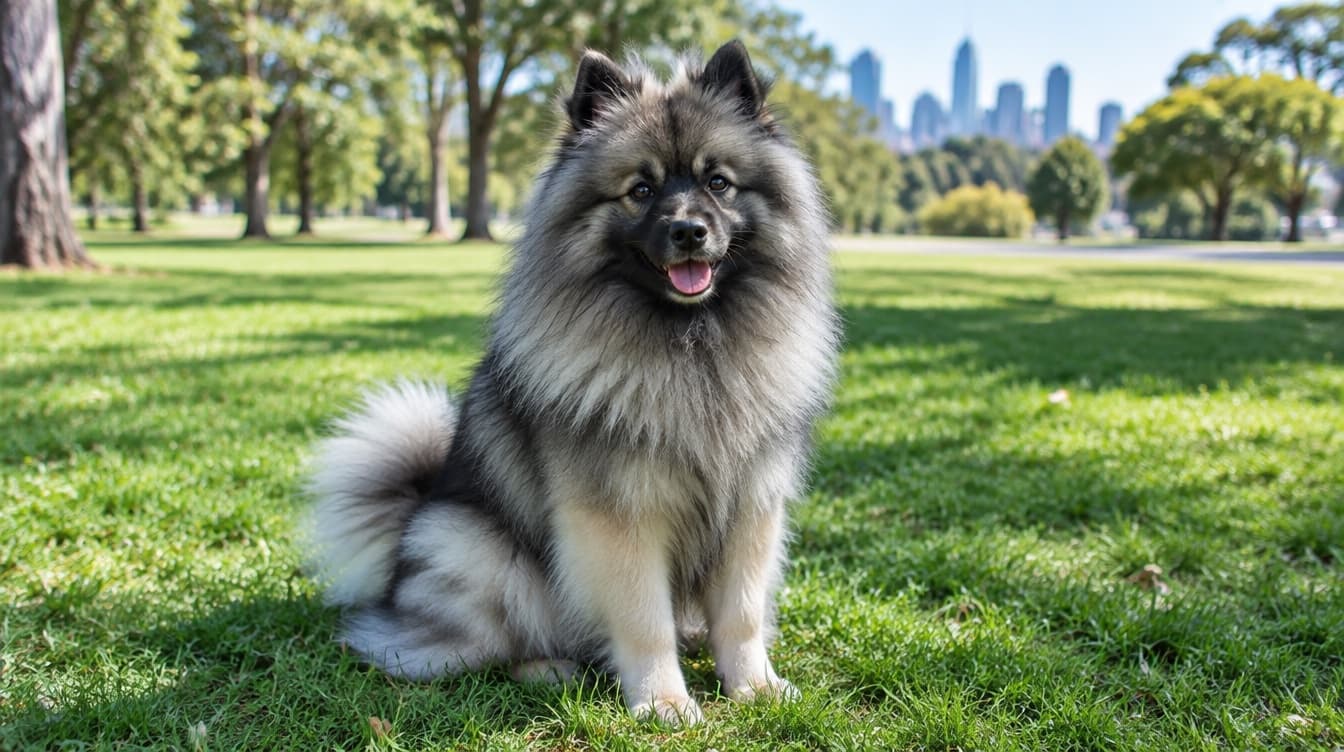
The short answer
You can adopt a Keeshond in Perth, though as an uncommon breed it appears in rescue only occasionally, so set alerts across Dogs' Refuge Home WA at Shenton Park, RSPCA WA at Malaga, the foster-based SAFE Perth and SAFE, and PetRescue, be application-ready, and stay open to a Keeshond cross or an older dog. Adoption runs about $600 for an adult, all-inclusive, against several thousand dollars from a breeder, and the breed is not restricted in WA. The honest part is the upkeep: a thick double coat sheds heavily and needs regular brushing, and a Keeshond is a vocal companion that wants to be with its people rather than left alone. Meet those needs and you have a cheerful, affectionate family dog.
Why Keeshonds end up in Perth rescue
The coat is a lot of dog to maintain. A Keeshond wears a thick, stand-off double coat that sheds heavily year round and blows out in big seasonal moults. It needs regular brushing to stay free of mats, and owners who pictured a low-effort fluffy companion can find the shedding and grooming more than they bargained for.
They are vocal. The Keeshond was bred as a watchdog and likes to announce visitors and comings and goings. In a close Perth suburb or a strata scheme, barking is one of the fastest routes to complaints and, eventually, a surrender, especially when the dog is left alone and bored.
They want company. This is a true companion breed that bonds closely to its household and does not cope with being shut in a yard all day. A lonely Keeshond barks and frets, which compounds the noise problem above.
Housing and life changes. As with most dogs in WA, a good share reach rescue through a move to a rental or strata scheme that will not take the dog, a relationship breakdown, or a budget that could not stretch to grooming. A Keeshond in rescue is usually a friendly dog whose coat care and voice outran its last home.
Where to adopt a Keeshond in Perth
Because Keeshonds are uncommon in general rescue, a wide alert net is the right approach. Set listing alerts on every rescue you would consider. For a fuller directory, see our Perth adoption resources hub.
1. Dogs' Refuge Home WA
A dogs-only, not-for-profit shelter at Shenton Park in inner Perth, running since 1935 and one of Australia's oldest animal welfare agencies. A broad mix of breeds and crosses means a Keeshond or spitz cross appears from time to time. Adoption includes desexing, vaccination, microchipping and a vet check. Browse the current dogs at dogshome.org.au.
2. RSPCA Western Australia
The state welfare body, running since 1892, with its Animal Care Centre at 108 Malaga Drive in Malaga, northern Perth. Every animal is health- and behaviour-checked before it is listed, so you get an honest read on a dog before you commit. Apply at rspcawa.org.au.
3. SAFE Perth and SAFE
Both run a foster-care model rather than a central metro shelter, so a Keeshond cross lives in a home while it waits. Because the dog lives in foster, the notes on its coat, shedding, barking and behaviour with people and other animals tend to be detailed and honest. SAFE Perth lists at safeperth.com.au and SAFE at safe.org.au. Confirm which organisation holds a given dog rather than assuming they are the same office.
4. PetRescue
A national aggregator that lists Keeshonds and spitz crosses from many smaller WA rescue groups in one searchable place, at petrescue.com.au. It is the fastest way to scan many WA rescues at once.
Be wary of any group that asks for money before you have confirmed a real address, a current adoptable-dog list and registered status. Browse the current Keeshonds and spitz crosses on the Perth Keeshond listings.
What a Keeshond costs: adopt versus buy
Adoption is far cheaper at the outset. A rescue fee for an adult Keeshond or Keeshond cross through a Perth rescue commonly runs about $600, and the rare puppy usually more, and that fee already covers desexing, vaccination, microchipping, worm and flea treatment and a vet check. A Keeshond from a breeder in WA, by contrast, often runs to several thousand dollars, with none of that vet work done yet.
Council registration is a separate legal step set by your local council rather than a single Perth figure. Under the Dog Act 1976, a dog must be microchipped by 3 months and before it changes hands, and registered with your local council from 3 months. A desexed and microchipped Keeshond pays a substantially reduced registration fee, and concession card holders commonly get a further discount. Check the WA Government dog ownership hub and your own council for the current amount.
The ongoing cost to plan for is coat care: regular brushing at home, a groomer to tidy the coat (not clip it down), routine parasite prevention, and pet insurance taken out while the dog is young. Adopting an assessed adult also lets you see the real coat and temperament rather than gamble on a puppy.
Keeshonds and Western Australian dog law
The Keeshond is not a restricted breed in Western Australia. Under the Dog Act 1976, only five breeds are restricted: the American Pit Bull Terrier, Dogo Argentino, Fila Brasileiro, Japanese Tosa and Perro de Presa Canario. A Keeshond is legal to own and rehome normally, and simply needs to be microchipped by 3 months of age and before it changes hands, and registered with your local council from 3 months, with a substantially reduced fee for a desexed and microchipped dog. One practical note for a vocal breed: the Dog Act gives councils powers over persistent nuisance barking, so early training to settle the watchdog voice is worth the effort in a close suburb.
Browse adoptable Keeshonds in Perth
Keeshonds are uncommon in rescue, so crosses and older dogs appear more often than purebred puppies. Browse live WA listings and set an alert so you hear the moment one comes in.
See Available Keeshonds →If you have been searching “Keeshond for sale Perth”
Plenty of people arrive here after searching for a Keeshond to buy, because the for-sale listings outnumber the rescue ones for an uncommon breed. Reputable breeders exist, but any scarce, higher-value purebred is a target for backyard breeders and online scams. A cheap puppy, or a deposit request for a dog you have not met in person, is a warning sign rather than a bargain, and Scamwatch has documented deposit scams for puppies that do not exist.
A seller who will not show you both healthy parents at their property is a red flag rather than a mark of quality. WA does not run a Pet Exchange Register or a breeder supply-number scheme, so there is no source number to look up here. The practical safeguard is the microchip: a dog sold or given away legally in WA must be microchipped and registered, so ask to see the microchip paperwork before you pay anything. Adoption sidesteps much of that: it costs a fraction of a breeder price and gives a vet-checked dog a home. The RSPCA Australia Knowledgebase has good general guidance on choosing a dog and avoiding poorly bred puppies.
Adult or puppy, and how to choose
For almost every adopter an assessed adult is the better choice, and Keeshond puppies are rare in rescue anyway. An adult shows you the real coat, size and temperament rather than a gamble, often has some training in place, and comes with a lower adoption fee. The rescue has evaluated it, so they can tell you how the dog is with people, other dogs, barking and being left alone.
When you choose, read the foster carer's notes closely. They will tell you how a specific dog does with children, cats, other dogs, visitors and being left alone, and how vocal it is, and that record predicts the fit far better than the breed average. A friendly, well-matched adult Keeshond is a cheerful, affectionate companion.
Frequently Asked Questions
Where can I adopt a Keeshond near me in Perth?
Start with the main Perth shelters and rescues: Dogs' Refuge Home WA at Shenton Park, RSPCA WA at Malaga, and the foster-based rescues SAFE Perth and SAFE. Be realistic about supply, because the Keeshond is an uncommon breed in Australia, so a purebred appears in rescue only occasionally and a Keeshond cross more often. Set listing alerts across every rescue you would consider, have your application ready, and stay open to a cross or an older dog. PetRescue lists dogs from many smaller WA rescues in one place. Never send money before you have confirmed a real, registered rescue.
Why do Keeshonds end up in rescue?
Usually because the coat and the voice were underestimated, not because of temperament. A Keeshond carries a thick, double spitz coat that sheds heavily, especially when it blows its coat, and needs regular brushing to stay free of mats, so owners who pictured a low-effort fluffy dog can be caught out. Keeshonds are also alert, vocal watchdogs that like to announce visitors, which becomes a problem in a close Perth suburb or a strata scheme. They are companion dogs that want to be part of the household, so one left alone in a yard all day can bark and become anxious. Add the usual life changes, a move to a rental or strata that will not take the dog, or a budget that could not stretch to grooming, and a steady number reach rescue.
How much does it cost to adopt a Keeshond versus buy one?
Adoption is far cheaper up front. A rescue fee for an adult Keeshond or Keeshond cross through a Perth rescue commonly runs about $600, and the rare puppy usually more, and that fee already includes desexing, vaccination, microchipping, worm and flea treatment and a vet check. A Keeshond from a breeder in WA, by contrast, often runs to several thousand dollars, with none of that vet work done yet. So adopting is many times cheaper at the outset and the dog arrives already vetted. The ongoing costs to plan for are grooming and coat care, routine parasite prevention, and pet insurance taken out while the dog is young.
Are Keeshonds restricted in Western Australia?
No. The Keeshond is not a restricted breed in WA. The five restricted breeds under the Dog Act 1976 are the American Pit Bull Terrier, Dogo Argentino, Fila Brasileiro, Japanese Tosa and Perro de Presa Canario. A Keeshond is legal to own and to rehome normally. Like any WA dog it needs to be microchipped by 3 months of age and before it changes hands, and registered with your local council from 3 months, with a substantially reduced fee for a desexed and microchipped dog.
Does a Keeshond cope with the Perth climate?
It can, but the thick double coat needs management in summer. On hot, dry Perth days a Keeshond needs shade, fresh water and walks timed for the cool of early morning or evening, never the middle of a hot day. Do not shave the double coat, because it insulates against heat as well as cold and protects the skin from sunburn; instead keep it well brushed and free of mats so air can move through it, and let a groomer tidy rather than clip it down. Watch for snakes in the warmer months and 1080 baiting in some bush areas, and keep the dog on lead where those are a risk.
Are Keeshonds good family dogs?
Generally yes. The Keeshond is an outgoing, friendly, affectionate companion often called the smiling Dutchman, and a well-raised one is typically good with the children it lives with and happy to be in the middle of family life. It is a true companion breed that does not do well left alone for long stretches, and it is vocal, so early training to settle the barking helps in a close suburb. As always, a foster carer's notes on a specific dog with children, cats and other dogs predict the fit far better than the breed average, so ask.
Should I adopt an adult Keeshond or a puppy?
For most adopters an adult is the better choice, and Keeshond puppies are rare in rescue anyway. An adult shows you its real coat, size and temperament, often has some training in place, and comes with a lower adoption fee. A vet-checked, foster-assessed adult Keeshond, matched to the right home, is the sensible way into an uncommon breed.
Is it safe to buy a Keeshond online?
Be careful. Any uncommon, higher-value purebred attracts backyard breeders and online scams. A cheap puppy, a deposit request for a dog you have not met in person, or a seller who will not show you both healthy parents is a warning sign rather than a bargain, and Scamwatch has documented deposit scams for puppies that do not exist. WA does not run a breeder source-number register, so the practical safeguard is the microchip: a dog sold or given away legally in WA must be microchipped and registered, so ask to see the microchip paperwork before you pay anything. Adoption sidesteps most of that risk.
Keep reading
Adoptable Keeshonds in Perth
Live listings of Keeshonds and spitz crosses across Perth and WA rescues.
Best Dog Rescues in Perth
The verified WA shelters and foster rescues to set alerts with.
Registering a Dog in Perth
Microchipping, council registration and the WA rules for a new dog.
All Dogs for Adoption in Perth
Every adoptable dog we track across Perth and WA shelters and rescues.