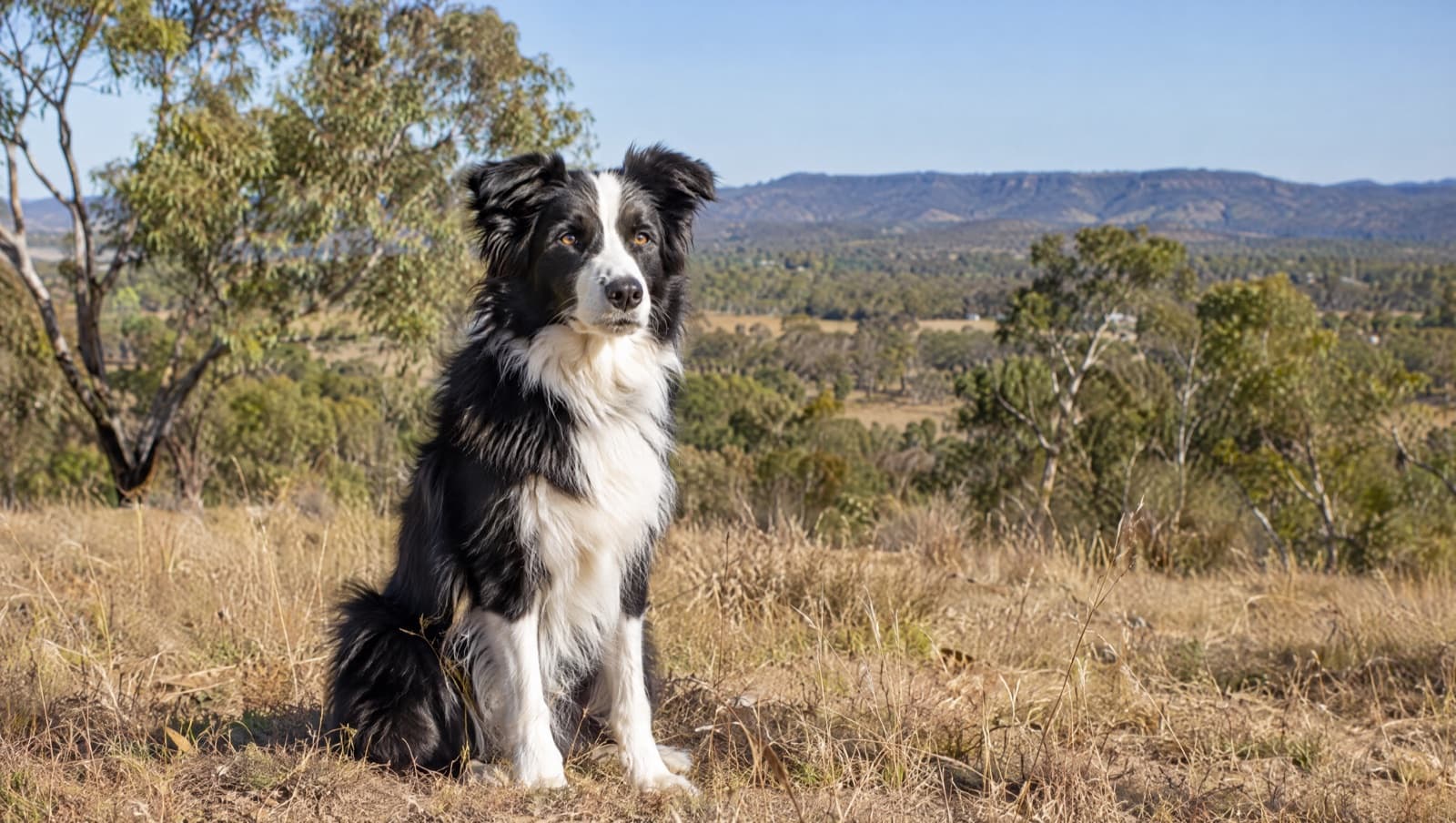
The short answer
Border Collies appear in Perth rescue regularly through Dogs' Refuge Home WA at Shenton Park, RSPCA WA at Malaga, the foster-based rescues SAFE and SAFE Perth, and PetRescue, because the breed is bought widely and surrendered when its drive overwhelms a household. Adoption fees are $300 to $600 for an adult with all-inclusive vet care, against $1,000 to $3,500 for a breeder puppy. Most rescue BCs are 1-to-4-year-old adolescents or young adults surrendered for underestimated energy and mental needs. The breed is the most intelligent there is and needs hours of exercise plus serious mental work every day, which makes it a poor first dog but a brilliant one in an active, committed home. In Perth the heat is the limiter, so exercise in the cool hours, watch for snakes in the warmer months, and know the 1080 bushland hazard.
Why so many Border Collies are in WA rescue
The Border Collie was developed on the Scottish and English border to work sheep, and it was selected for exactly the traits that make it hard as a pet: relentless drive, intense focus, quick problem-solving and a need to work. Modern BCs, whether from working or show lines, still carry that, and the gap between the clever, beautiful dog people imagine and the demanding working animal they get is what sends so many to rescue.
Drive and mental needs underestimated.
This is the big one. A Border Collie needs hours of physical exercise and serious mental work every day, and it is the mental side that catches people out. A BC that is walked but bored is still a bored BC, and boredom in this breed turns into obsessive behaviours, noise sensitivity, shadow-chasing and anxiety rather than simple mischief. Families who took one on expecting an easy, clever dog often surrender within the first year or two.
The adolescent phase.
Border Collies hit a demanding adolescence from around six to eighteen months, when the drive ramps up faster than the self-control, and it is the point at which many are surrendered. It is also entirely workable with the right structure, which is covered in the adolescence and training guide.
Farm and working surrenders.
Some WA rescue BCs come from farms and the rural fringe beyond Perth, including the Wheatbelt and the South West, where a dog that did not make the grade for stock work is rehomed, or where a working home changed circumstances. These dogs are often highly biddable and suit active, experienced adopters or dog-sport homes.
Where to actually look in Perth
- Dogs' Refuge Home WA. A dogs-only, not-for-profit shelter at Shenton Park in inner Perth, running since 1935 and one of Australia's oldest animal welfare agencies. It houses up to around 150 dogs under a pro-life policy, and Border Collies and BC crosses are a regular feature. Every adoption covers desexing, vaccination, microchipping and a vet check. Listings at dogshome.org.au.
- RSPCA Western Australia. The state welfare body, running since 1892, with its Animal Care Centre at 108 Malaga Drive in Malaga, northern Perth. Adoptions run by appointment, and every animal is health- and behaviour-checked before listing. Border Collies and BC crosses come through year-round. Apply at rspcawa.org.au.
- SAFE Perth and SAFE. Two foster-based rescues operating under the SAFE banner in WA: SAFE Perth, a Perth-metro no-kill rescue running since 2005, at safeperth.com.au, and SAFE, WA's largest foster-based rescue with a statewide network, at safe.org.au. Because dogs live in foster homes rather than kennels, you get a clear picture of the real personality and drive level, which matters more for a Border Collie than almost any other breed. Confirm which organisation holds a given dog rather than assuming they are the same office.
- PetRescue. A national aggregator that lists Border Collies and BC crosses from many smaller WA rescues in one searchable place, at petrescue.com.au. The single most efficient browse for every available BC.
A foster carer who has lived with the dog can tell you exactly how much drive it has, which is the single most useful thing to know about a rescue BC. Lean on those notes when you choose.
The honest cost comparison
| First-year cost | Rescue BC | Breeder BC |
|---|---|---|
| Adoption fee or purchase price | $300 to $600 | $1,000 to $3,500 |
| Desexing | Included | $400 to $600 |
| Microchipping | Included | $60 to $80 |
| First-year vaccinations | Included | $150 to $250 |
| Initial vet check | Included | $100 to $200 |
| Council registration (reduced fee if desexed and microchipped) | Set by your local council | Set by your local council |
| Year 1 food | $700 to $1,200 | $700 to $1,200 |
| Parasite prevention (flea, worm, heartworm) | $200 to $400 | $200 to $400 |
| Reward-based training class | $200 to $400 | $200 to $400 |
| Dog sport or enrichment | $200 to $600 | $200 to $600 |
| Pet insurance (recommended) | $700 to $1,300 | $700 to $1,300 |
| Year 1 total (excluding council fee) | $2,300 to $4,500 | $3,710 to $8,530 |
Rescue saves roughly $1,400 to $4,000 in year one, and the training and dog-sport lines are worth prioritising for this breed, because the mental outlet is what keeps a BC balanced. Council registration sits outside the total because it is set by your local council, with a substantially reduced rate for a desexed and microchipped dog, so a rescue BC always registers at the lower amount. The health detail, including why pet insurance is worth taking out early, is in the Border Collie health guide for Perth.
Browse Border Collies available in Perth rescue
Live listings from Perth shelters and WA rescues. Foster carer notes describe an individual dog's drive level and household fit, which is exactly what you need to match a BC to your life.
See Available Border Collies →What to expect from a rescue BC
- Exceptional intelligence and trainability. A BC learns fast and thrives on training and dog sports. That same brain gets into trouble when idle.
- Very high drive. Hours of exercise plus mental work daily, not a walk and a backyard.
- Herding instinct. May try to herd running children, cyclists, cars or other pets by circling, staring and nipping at heels. Manageable with training but worth knowing.
- Noise and movement sensitivity. Many BCs are sensitive to storms, fireworks and sudden movement.
- People-focused and sensitive, so they need reward-based handling and can struggle with long hours alone.
- Mostly house-trained, sometimes needing a refresh for the new routine.
The first month home is a decompression period. The 3-3-3 rule applies: three days to decompress, three weeks to start showing personality, three months to fully settle.
Heat, snakes and registering in WA
Perth has a Mediterranean climate: hot, dry summers and mild, wet winters. For a driven dog like a Border Collie, the summer is the thing to manage. On the long runs of 35 to 40-degree days Perth gets, a BC will run itself into heatstroke if you let it, so exercise only in the cool of early morning or after sundown, never the middle of a hot day, and press the back of your hand to the footpath or sand first: if you cannot hold it there for five seconds, it is too hot for paws. Keep water available, provide shade, and never leave a dog in a parked car even for a few minutes. The afternoon “Fremantle Doctor” sea breeze gives some relief later in the day, but it is not a substitute for timing walks well.
Two WA-specific hazards matter for a dog that ranges outdoors. Snakes, mainly dugites, gwardars and tiger snakes near water, are active around Perth's bushland corridors, wetlands and the Swan and Canning river foreshores in the warmer months, roughly September to April. A quick, curious BC that chases or disturbs a snake can be bitten and needs an emergency vet fast, so teach a firm leave-it and keep the dog under control near long grass and water. The other is 1080 (sodium fluoroacetate) baiting: the state's Western Shield program lays fox and feral-cat baits across many reserves and bushland, and the WA Government advises treating every baited area, signposted “1080 POISON”, as dangerous to pet dogs at all times. Check for signage before bushland walks and know your nearest 24/7 emergency hospital, such as Perth Vet Emergency at Cannington. One thing you can worry less about than on the east coast is paralysis ticks, which are not established in WA, so local risk is low and prevention is mainly a question for before you travel east with your dog.
On the law, Western Australia's companion-animal law is the Dog Act 1976. A dog must be microchipped by 3 months of age and before any sale or transfer, and registered with your local council from 3 months of age. Registration is council-based, with terms of 1 year, 3 years or lifetime and a substantially reduced rate for a desexed and microchipped dog, so a rescue BC always registers at the lower amount. Perth is not one council but dozens of local governments, so check the current figure with yours and on the WA Government dog ownership hub. On scams, WA does not run a Pet Exchange Register or breeder supply number you can look up, so the practical safeguard is the microchip: ask to see the microchip paperwork before you pay, and report anything that feels off to Scamwatch. Adopting through a verified WA rescue avoids the problem entirely. For where to run a BC, WA off-lead areas are set by each council, so confirm the current status on your council's dog exercise areas index, for example the City of Stirling list, which includes Peasholm Dog Beach at Scarborough.
Frequently Asked Questions
Can you actually find a Border Collie in Perth rescue?
Yes, regularly. The Border Collie is one of the more common working breeds in WA rescue, because it is bought widely for its looks and intelligence and then surrendered when the drive overwhelms a suburban home. They come through Dogs' Refuge Home WA in Shenton Park, RSPCA WA at Malaga, the foster-based rescues SAFE and SAFE Perth, and PetRescue listings from many smaller WA rescues. Most rescue BCs are adolescents or young adults, roughly 1 to 4 years, surrendered because their energy and mental needs were underestimated. Heeler, Kelpie and other working crosses turn up as often as purebreds.
How much does it cost to adopt a Border Collie in Perth?
Adoption fees run about $300 to $600 for an adult and $400 to $800 for a younger dog, with desexing, microchipping, vaccination and a vet check already included. A breeder Border Collie puppy costs roughly $1,000 to $3,500 depending on the lines, before any of that vet work. On top of the adoption fee you pay council registration, which carries a substantially reduced rate for a desexed and microchipped dog, so a rescue BC always registers at the lower fee. The exact amount is set by your local council, so check yours. The adopted dog also usually arrives with an assessed temperament and often some training already in place.
Why do so many Border Collies end up in rescue?
Because the breed is far more dog than most households expect. The Border Collie is widely called the most intelligent dog breed, and that intelligence comes with a working drive that needs hours of exercise and serious mental work every day. Bought for its looks and cleverness by a family expecting an easy pet, an under-stimulated BC becomes anxious, obsessive and destructive, and is surrendered, often as an adolescent. A number also come from farms and the rural fringe when a dog does not make the grade for stock work. None of it reflects the dog, which in the right active home is a wonderful working partner.
Are Border Collies good first dogs in Perth?
Usually not, unless you are genuinely committed to the exercise and training a working breed needs. The Border Collie's intelligence and drive make it one of the harder breeds for an inexperienced owner, because it needs a real daily outlet and clear, kind, consistent training, and it notices and reacts to everything. An older, calmer rescue BC with a very committed owner can work, but a young working-line dog is one of the most demanding first dogs there is. If you are new to dogs and set on the breed, look at an older foster-assessed dog and commit to reward-based training from day one.
Are Border Collies restricted in Western Australia?
No. The Border Collie is not a restricted breed in WA. The five restricted breeds under the Dog Act 1976 are the American Pit Bull Terrier, Dogo Argentino, Fila Brasileiro, Japanese Tosa and Perro de Presa Canario. Border Collies are subject to ordinary WA dog law: microchipping by 3 months and before any sale or transfer, and registration with your local council once the dog is 3 months old. Desexing is not compulsory for an ordinary Border Collie, but a desexed dog pays a much lower council registration fee.
How can I tell if a Border Collie advertised online is a scam?
WA does not run a source-number register you can look up, so the practical safeguard is the microchip. Under the Dog Act 1976, a dog sold or given away legally must be microchipped and registered before it changes hands, so ask to see the microchip paperwork before you commit any money, and treat a seller who cannot produce it as a red flag. A cheap or free Border Collie with a story about the dog being interstate, a deposit or a transport fee is the classic setup Scamwatch warns about. Adopting through a verified WA rescue avoids the problem entirely, because the rescue has already done the checks.
Keep reading
Adoptable Border Collies in Perth
Live listings with foster carer notes on drive and household fit.
Adolescence and Training
The hard 6-to-18-month phase, mental work, and training a sensitive breed in the Perth heat.
Border Collie Health Issues
Eyes, hips, epilepsy, the MDR1 gene, and the vet budget.
All Dogs for Adoption in Perth
Every adoptable dog we track across Perth and WA shelters and rescues, updated regularly.