The short answer
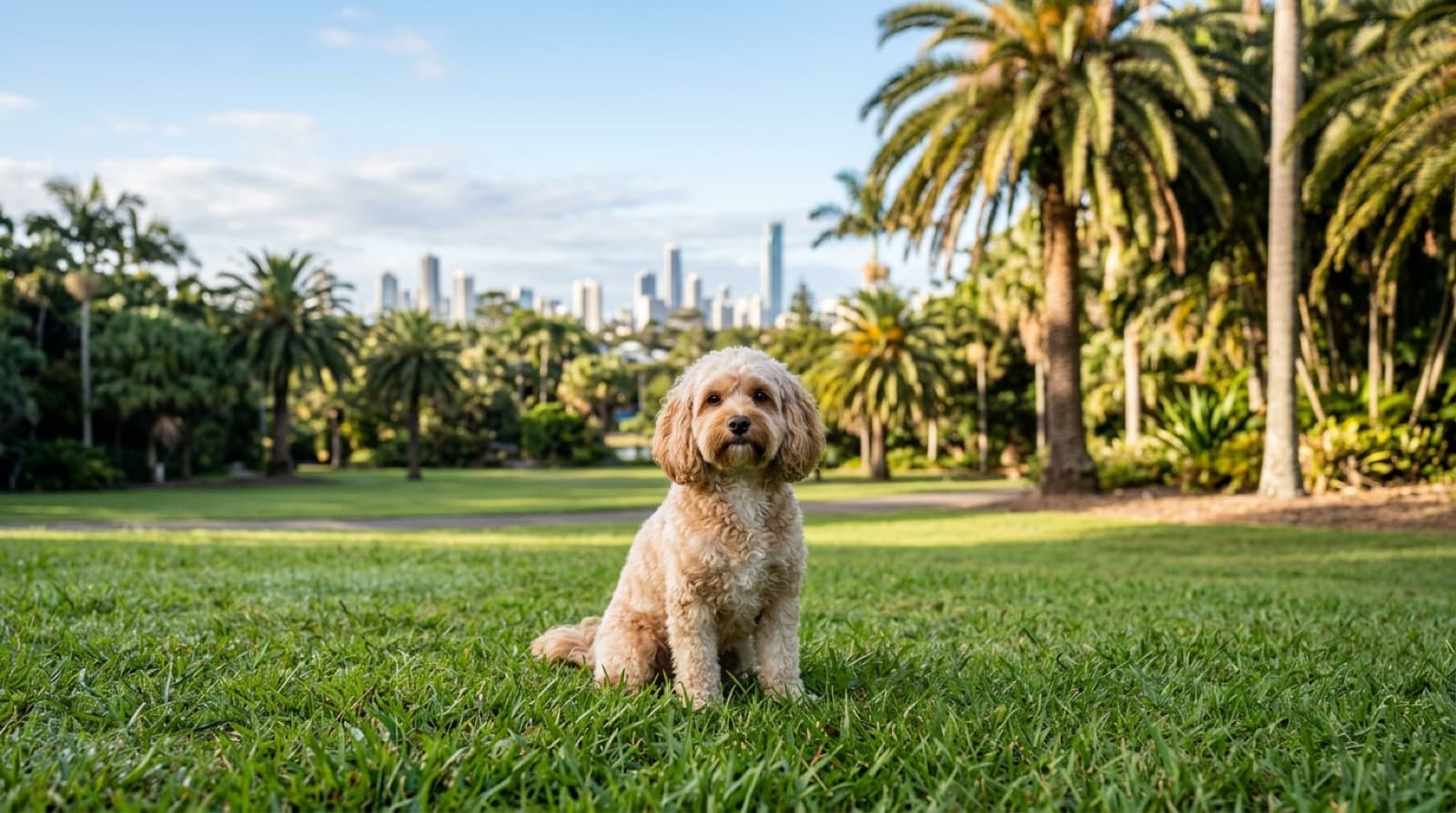
Rescue Cavoodles exist in Hobart but are uncommon, so plan on two to six months of patient watching across the Dogs' Homes of Tasmania at Risdon Vale, the state's foster-based rescues and RSPCA Tasmania's online listings. Most rescue Cavoodles are adolescents or adults rather than puppies, surrendered for grooming overwhelm, separation anxiety or owner life changes. The adoption fee is $450 for an adult or $550 for a puppy at the Dogs' Homes of Tasmania against several thousand for a breeder pup, and the dog comes already desexed, vaccinated, microchipped and temperament-assessed. A small clipped Cavoodle feels a Hobart winter, so it needs a coat on frosty mornings and a towel-down after wet walks, and you should ask a Hobart vet whether tick prevention is needed where you walk. Because Cavoodles are valuable and heavily targeted by resellers, and Tasmania has no breeder register to check a seller against, see any puppy with its mother and never pay for a dog you have not met.
The demand-versus-supply reality
Cavoodles are among the most-wanted small dogs in Hobart by a wide margin. The breeder waiting list for a quality Cavoodle puppy commonly runs six months to two years, and prices have climbed to several thousand dollars for a first-cross puppy from a reputable breeder, with some charging well above that for specific colours or generations.
That imbalance creates two things. First, almost every available Cavoodle puppy is bought rather than ending up in rescue. Second, the post-purchase reality (the grooming, the separation anxiety, the life changes) does push some Cavoodles into rescue, but they are absorbed quickly because demand comfortably exceeds supply.
Three implications for the adopter:
- Patience is the strategy. A rescue Cavoodle will not appear the week you start looking. Plan on two to six months, and know that the ones that do come through are matched fast.
- Adolescents and adults, not puppies. Most rescue Cavoodles are 1 to 5 years old. Cavoodle puppies are almost never available through rescue, because their commercial value means they get rehomed privately or sold rather than surrendered.
- Be flexible on appearance. Adopters who insist on a specific colour, generation or weight wait much longer. Focusing on temperament fit instead dramatically shortens the search.
Where to actually look in Hobart
Cavoodles surface at the Dogs' Home and at the smaller foster-based groups. Set up alerts at each and check listings weekly. Fees and current availability change, so confirm on each site directly.
- Dogs' Homes of Tasmania. The Hobart Dogs' Home at Risdon Vale is the city's shelter, run by a registered charity that takes no State Government funding and also runs homes at Launceston, Devonport and Burnie. Small crosses turn up now and then, and every dog is temperament tested, health checked, desexed, vaccinated, microchipped and treated for fleas and worms before it is offered. Adoptions are by appointment, seven days, and you view all the available dogs rather than reserving one, so bring the whole household, including an existing dog, if you plan to adopt that day. Renters need a letter from the landlord, and a home that already has two dogs needs a council kennel licence first. Listings at dhot.com.au.
- RSPCA Tasmania. The state body has no adoption centre in or near Hobart (its only care centre is at Devonport), but it lists adoptable animals from across the state online, and the occasional Cavoodle or Cavoodle cross appears there. Browse via rspcatas.org.au.
- Foster-based rescues. Tasmania's smaller volunteer rescues place dogs in foster homes and see Poodle crosses more often than the shelter does. Because the dog lives in a foster home, the carer can tell you exactly how it is with children, other pets, being left alone and its coat, which matters a lot for this breed.
One thing to avoid: backyard breeders and online classifieds advertising “rescue Cavoodles” or “rehoming our Cavoodle” through Gumtree and Facebook Marketplace. Many are commercial sellers in rescue clothing, or private rehomes asking several thousand dollars. Going through a legitimate rescue means the dog has been vet-checked, desexed and temperament-assessed, and the section below covers the checks that separate a genuine listing from a scam.
The honest cost comparison
The financial maths favours rescue heavily. Real first-year costs for each path in Hobart:
| First-year cost | Rescue Cavoodle | Breeder Cavoodle |
|---|---|---|
| Initial cost (fee or purchase) | $450 adult or $550 puppy at the Dogs' Homes of Tasmania | Several thousand dollars |
| Desexing | Included | $300 to $700 |
| Microchipping | Included | Paid separately |
| First-year vaccinations | Included | $200 to $400 |
| Initial vet check | Included | $100 to $200 |
| Council registration (reduced fee if desexed and microchipped) | Set by your council (much cheaper for a desexed dog) | Set by your council (much cheaper for a desexed dog) |
| Year 1 food, parasite prevention (flea, worm, heartworm, tick where your vet advises), basics | $1,000 to $1,600 | $1,000 to $1,600 |
| Initial gear (bed, lead, crate, bowls, winter coat) | $300 to $500 | $300 to $500 |
| Grooming year 1 (4 to 6 visits) | $400 to $900 | $400 to $900 |
| Year 1 total (excluding council fee) | The adoption fee plus the everyday costs above | Several thousand dollars more, with the vet work still to pay |
A rescue Cavoodle saves several thousand dollars in the first year, and the ongoing yearly costs are identical regardless of where the dog came from. The other factor breeder buyers underestimate: a puppy has an unknown adult temperament and an unknown adult coat, while an adopted adult Cavoodle has a known size, a known shedding pattern and a known personality, which is genuinely valuable information.
Browse Cavoodles available in Hobart rescue
Live listings from Hobart shelters and Tasmanian rescues. Cavoodles go fast, so set up alerts and apply quickly when one appears.
See Available Cavoodles →Checking a seller before you buy
Because a Cavoodle is worth thousands, it is one of the breeds scammers and unscrupulous sellers most love to fake. Tasmania has no breeder register of the kind some mainland states run, so there is no source number to look a seller up against, and that makes the old rules matter more. See the puppy with its mother at the seller's property, get the microchip number and vaccination record in writing, and never pay a deposit or a transport fee for a dog you have not met, least of all for a puppy supposedly on the mainland that needs a ferry or a flight.
A “Cavoodle” advertised on Gumtree or Facebook Marketplace with a request for payment before you meet the dog, or a story about the dog being interstate, is almost certainly a scam of the kind the ACCC's Scamwatch warns about. Going through the Dogs' Home or a verified Tasmanian rescue sidesteps this risk entirely, because the dog is already vet-checked, desexed and microchipped.
Council registration and Tasmanian law
One cost the adoption fee does not cover is council registration, a separate legal step. Tasmania's dog law is the Dog Control Act 2000. A dog must be registered with your council by six months of age and microchipped from six months (the government has proposed bringing the microchip age down to 12 weeks, so check the current rule), and you must tell the council within 14 days if the dog changes hands, moves or dies.
Each council sets its own fee, and a desexed dog pays a fraction of the entire-dog rate, so a rescue Cavoodle, already desexed and microchipped, registers at the low end. The current City of Hobart table is on the council site. Restricted breeds under the Act are the dogo Argentino, fila Brasileiro, Japanese tosa, pit bull terrier types and the Presa Canario; a Cavoodle is nowhere near the list.
Why Cavoodles end up in rescue
Understanding why Cavoodles get surrendered helps you judge what kind of dog you might be adopting, and what to expect in the first weeks.
Grooming overwhelm.
The single most common reason. A Cavoodle's curly coat mats easily and needs weekly brushing at a minimum, plus a professional groom every six to eight weeks, and a wet Hobart winter makes matting worse because a damp coat tangles faster. Owners who did not grasp the commitment surrender matted adolescent Cavoodles within the first year. The fix is simple: commit to coat care from week one, dry the dog after wet walks, and if you keep the coat clipped short, put a coat on the dog for frosty mornings.
Separation anxiety.
The 2020 to 2022 puppy boom produced a generation of dogs rarely left alone as puppies, because their owners were home. When normal work patterns resumed, many of these dogs, Cavoodles disproportionately because they bond hard to their person, developed serious separation anxiety, and some were surrendered as a result. A rescue Cavoodle may or may not have this, and the foster carer's notes will tell you.
Life changes.
Relationship breakdown, illness, moving interstate, a new baby alongside an existing dog, a move into a rental that refuses pets. These ordinary life events account for many adult Cavoodle surrenders, and with so many Hobart homes rented, the housing one comes up often. The dogs are usually well-trained and well-socialised, and the surrender is not the dog's fault.
Health issues.
Cavoodles can inherit conditions from both parents: mitral valve disease and syringomyelia from the Cavalier side, hip dysplasia and patellar luxation from the Poodle side. A dog whose health costs exceed what the owner can afford sometimes ends up surrendered. Rescue Cavoodles are vet-checked before adoption, and any known condition is disclosed in the listing. The detail is in our national Cavoodle breed guide.
What to expect from a rescue Cavoodle
A typical rescue Cavoodle in Hobart is:
- 1 to 5 years old. Adolescents and young adults are the most common bracket. Puppies are basically never available, and senior Cavoodles (8+) appear occasionally.
- 5 to 12 kg adult weight. Cavoodles vary with which parent they took after and whether the Poodle parent was Toy or Miniature. The listing gives the actual adult weight, which beats a puppy guess.
- Already house-trained. Most adolescent and adult Cavoodles from rescue are fully house-trained from their previous home.
- Friendly with people and other dogs in most cases. Cavoodles are sociable by nature, though a specific dog may have triggers the foster notes will list.
- Coat that needs maintenance from day one. Expect to book the first groom within the first month.
- Possibly mild separation anxiety. Some settle quickly, some need work. Plan a careful transition routine for the first two to four weeks.
The first fortnight home is often the most surprising, as the dog adjusts from a kennel or foster home and may seem quieter or more anxious than its long-term self. The 3-3-3 rule is a useful frame: three days to start unwinding, three weeks to start showing personality, three months to fully settle.
A small companion dog in the Hobart climate
Hobart asks the opposite of a small single-coated dog from what a mainland city does. Winters are cold and wet, with frosts in the suburbs and snow on kunanyi, and a clipped Cavoodle has little insulation, so a coat on frosty mornings is sensible rather than fussy. The curly coat and the drop ears from the Cavalier side both need drying after a wet walk, because a damp coat mats and damp ears get infected. Summers are mild, with the odd hot day and strong sun, so shade and water are enough, and never leave a dog in a parked car on a sunny day. For walking, the City of Hobart lists every off-lead park and beach, and the hours that apply, on its dog exercise areas page; John Turnbull Dog Park at Lenah Valley is fenced, with a smaller section for small or nervous dogs that suits a Cavoodle well. Beaches are off-lead only in the evening and early morning, with the hours changing between daylight saving and winter, most bushland reserves are on-lead on managed tracks, and kunanyi and Wellington Park have their own rules.
The parasite picture is milder here than on the mainland. The paralysis tick that dominates mainland east-coast dog care is a coastal mainland species, and Tasmania's tick risk is lower, but it is not zero in every part of the state, and a small dog's curly coat hides a tick easily, so ask a Hobart vet whether tick prevention is needed for the places you walk. Fleas and intestinal worms still need year-round cover, and the RSPCA Knowledgebase has sound general guidance on both. If something goes wrong after hours, Animal Emergency Service at Moonah runs after hours on weekdays and around the clock at weekends, so know the route before you need it.
The strategy that works for finding a rescue Cavoodle
- Watch the Dogs' Homes of Tasmania. Check the Risdon Vale listings weekly and ask to be told when a small breed comes in.
- Watch RSPCA Tasmania's online listings. They cover the whole state in one place.
- Add a foster-based Tasmanian rescue. The smaller groups see Poodle crosses more often than the shelter does.
- Prepare your application now. A landlord letter if you rent, a vet contact, and a couple of references. Cavoodles get adopted within days, so a complete application ready to go gives you a real chance.
- Be flexible on appearance. Specific colour, exact size, gender or generation each adds weeks or months. Focus on temperament fit.
- Consider Cavoodle-adjacent breeds. Spoodles, smaller Groodles, Maltese-Poodles, Bichon Frises and Maltese all have a similar size and temperament, and the wait is often shorter.
- Stay patient. Most successful Cavoodle adopters waited two to six months.
Frequently Asked Questions
Can you actually find a Cavoodle in Hobart rescue?
Yes, but expect to wait. Cavoodles turn up in Tasmanian rescue intermittently, usually adolescents or adults rather than puppies. The Hobart Dogs' Home at Risdon Vale, run by the Dogs' Homes of Tasmania, sees them occasionally, foster-based Tasmanian rescues a little more often, and RSPCA Tasmania lists animals from across the state online. The winning strategy is to set up alerts, keep your application ready, and apply the moment one is listed. Most adopters wait roughly two to six months from registering interest to a suitable dog appearing, because demand for the breed far outstrips the rescue supply.
How much does a rescue Cavoodle cost compared with a breeder one?
The Dogs' Homes of Tasmania charge $450 for an adult dog and $550 for a puppy of six months or under, and that fee already covers desexing, vaccination, microchipping, flea and worm treatment, a health check and a behaviour assessment. Foster-based rescues set their own fee and show it on each listing. A breeder Cavoodle puppy runs to several thousand dollars, and higher for sought-after colours or first-cross lines. The rescue dog also comes with an assessed adult temperament and a known adult coat instead of a puppy unknown. On both cost and certainty the maths favours rescue heavily.
Why are Cavoodles in rescue when they cost so much new?
Mostly grooming overwhelm, separation anxiety, and life changes. Cavoodles need weekly to daily coat care plus a professional groom every six to eight weeks, and owners who underestimated that surrender matted adolescents. Many were bought on impulse during the 2020 to 2022 boom, never taught to cope alone, and later developed serious separation anxiety when normal work patterns resumed. Ordinary life events (relationship breakdown, illness, moving interstate, downsizing into a place that will not take a dog) account for many adult surrenders. The dog is rarely the problem.
Are rescue Cavoodles purebred or crosses?
Almost every Cavoodle is a cross by definition, a Cavalier King Charles Spaniel bred with a Poodle. The generation matters: F1 (first cross) Cavoodles are 50/50 with variable coats; F1B (crossed back to Poodle) tend to have tighter, lower-shedding coats; F2 (second cross) are more variable again. Rescue listings sometimes name the generation and sometimes do not. The foster carer's notes on the individual dog's shedding, coat and temperament are more useful to you than the generation label.
Are Cavoodles a good choice for first-time owners or renters in Hobart?
Generally yes on both counts. They are friendly, trainable, sociable and the right size for most Hobart homes, including the older weatherboard houses with small yards that are the norm here. The two genuine considerations are coat work (weekly brushing or a paid groom, plus drying the coat after a wet Hobart walk) and separation-anxiety risk, since they bond hard and can struggle alone if not taught to cope. Plenty of Hobart homes are rented, so if you rent, get the landlord's permission in writing before you apply; the Dogs' Home asks for the letter.
Should I adopt or buy a Cavoodle, and how do I avoid a scam?
For most Hobart households, adopt. The same designer cross comes through either door, and rescue is far cheaper and comes assessed. Because Cavoodles are valuable, they are a favourite target for scammers, and Tasmania has no breeder register of the kind some mainland states run, so there is no source number to check. Rely on the basics instead: see the puppy with its mother at the seller's property, get the microchip number and vaccination record in writing, and never pay a deposit or a transport fee for a dog you have not met, least of all a puppy supposedly on the mainland that needs a ferry or a flight. A cheap or free Cavoodle on Gumtree or Facebook with a story is the classic setup Scamwatch warns about. Adopting through the Dogs' Home or a verified Tasmanian rescue avoids the problem entirely.
Keep reading
Adoptable Cavoodles in Hobart
Live listings filtered to Cavoodles and Cavoodle crosses across Tasmanian rescues.
Cavoodle Breed Guide
Mitral valve disease, syringomyelia, patellas, eyes, ears and skin: what a Cavoodle inherits from each parent breed, and the grooming routine that keeps the coat out of trouble.
Best Family Dogs in Hobart
The family-friendly rescue dogs available across Hobart right now, small Poodle crosses among them.
Hobart Adoption Resources
Guides on adopting, costs, council rules and settling a rescue dog in Hobart.