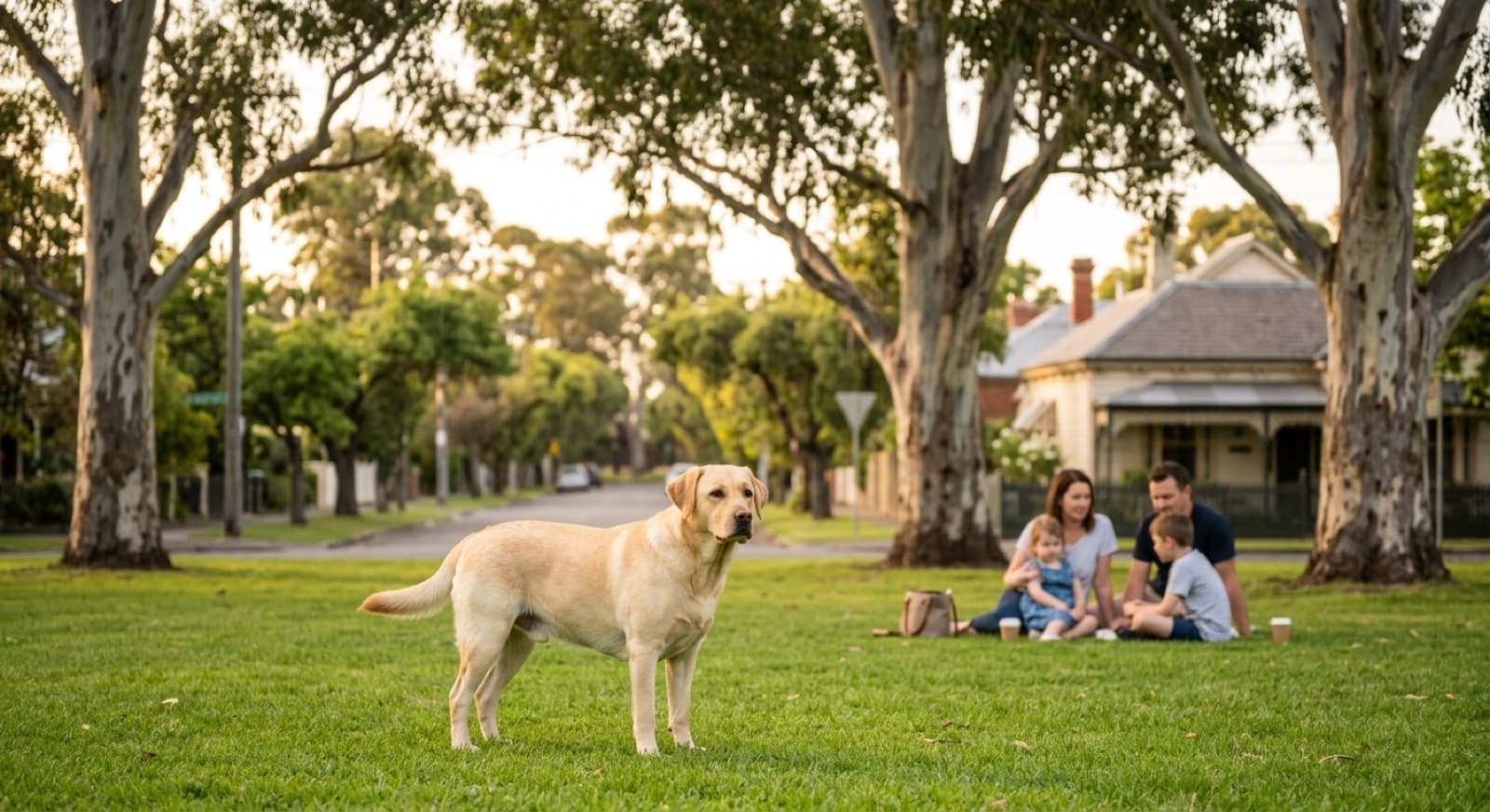
The short answer
You can adopt a Labrador in Adelaide, and they appear in rescue regularly, so set alerts across the main South Australian rescues and be application-ready. A rescue adoption fee already covers desexing, vaccination, microchipping and a vet check, against several thousand dollars from a breeder, and the breed is not restricted in South Australia. The honest part is the breed: a Labrador is a strong, high-energy working retriever that needs real daily exercise, eats anything it can reach, and puts on weight fast, so it needs a committed owner and portion-controlled feeding. An older, settled adult is one of the easier first dogs; a young adolescent is one of the harder. Match the household to the breed and a rescue Lab is a sociable, affectionate, family-friendly companion.
Why Labradors reach Adelaide rescue
Labradors are the most popular dog breed in Australia, and that popularity produces a steady pipeline into South Australian rescue, along with Lab crosses. The reasons repeat, and almost none are about a bad dog.
Energy underestimation. A young adult Lab needs an hour or more of vigorous exercise a day plus mental work. Many families buy a puppy expecting a calm companion and discover an adolescent that chews, steals food off the counter and runs the household ragged. The adolescent stretch, roughly eight months to two years, is when most surrenders happen.
Allergy and life changes. Labradors shed year-round, so a family member who develops a dog allergy after the dog is settled sometimes cannot keep it. Add ordinary life changes, moves, illness, new babies, relationship breakdowns and older owners moving into care, and a steady number of well-loved Labs reach rescue each year through no fault of their own.
Where to adopt a Labrador in Adelaide
Labradors come through general rescue regularly, so a wide alert net matters. Set listing alerts on every rescue you would consider, and check council pounds too. For a fuller directory, see our guide to the best dog rescues in Adelaide.
1. RSPCA South Australia
The state body runs its main shelter and adoption centre at Lonsdale, with animals also in foster care across Adelaide. Dogs of all sizes come through via owner surrender and stray intake, and every adoption includes desexing, vaccination, microchipping, a vet workup and a behavioural assessment. Apply at rspcasa.org.au.
2. Animal Welfare League SA
South Australia's largest animal welfare organisation, based at Wingfield with a strong foster network. It handles a large intake of surrendered and stray dogs, so Labradors and Lab crosses turn up regularly, always with a behavioural assessment, and adoption includes desexing, vaccination, microchipping and a vet check. Listings at awl.org.au.
3. Paws and Claws Adoptions
A foster-based South Australian rescue that rehomes a broad mix of dogs and crosses. Because dogs live in foster, you get a clear picture of the real temperament before you commit, which matters for a Labrador, where energy level, recall and how the dog copes with being left alone are exactly the things a carer can describe. The application usually includes a home check. More at pawsandclawsadoptions.com.au.
Beyond these, the fastest way to scan many South Australian rescues at once is PetRescue, a national aggregator that lists animals from hundreds of member rescues in one searchable place. Browse the current Labradors and Lab crosses on the Adelaide Labrador listings.
What a Labrador costs: adopt versus buy
Adoption is far cheaper at the outset. A rescue adoption fee already covers desexing, vaccination, microchipping, worm and flea treatment and a vet check, so the dog arrives ready to bring home and, if you adopt an adult, with a known temperament.
A purebred Labrador puppy from a breeder, by contrast, runs into the thousands with none of that vet work done yet. So adopting is many times cheaper up front. Separately from the adoption fee, in South Australia you register and microchip the dog through Dogs and Cats Online, the state-wide database, and your local council sets the registration fee, which is reduced for a desexed dog, so there is no single Adelaide-wide figure.
The ongoing cost is a large-dog one, with one Labrador-specific line: keep the dog lean. Obesity is the breed's biggest day-to-day health risk, so portion-controlled food, preventatives, routine vet care and large-breed feeding are the typical outgoings. Pet insurance taken out while the dog is young is genuinely worth having, because hip and elbow issues, ear infections and cruciate injuries are all breed-relevant.
Living with a retriever, and the health picture
The Labrador is sociable, friendly and highly trainable, usually excellent with children and other dogs, and one of the most adaptable family dogs there is. The trade-off is energy and appetite: this is a working retriever that needs real daily exercise, loves water, and will eat anything within reach. It needs a committed owner, portion-controlled feeding and enrichment at home. Get the exercise and the feeding right and the Lab settles quickly into family life, and the 3-3-3 rule holds: three days to decompress, three weeks to show personality, three months to fully settle.
On health the breed is generally robust, but hip and elbow dysplasia, ear infections, cruciate ligament injuries, some cancers and exercise-induced collapse in certain lines are all worth planning around. Obesity is the single biggest risk and worsens joint problems, so keep the dog lean. A rescue Labrador arrives vet-checked, so ask the rescue what the in-care assessment found, and keep summer walks to the cool of the day on Adelaide heatwave days.
Labradors and South Australian dog law
The Labrador is not a restricted or prescribed breed in South Australia and is legal to own and rehome normally. Under the Dog and Cat Management Act 1995, a dog must be microchipped and, for dogs born after mid 2018, desexed by six months of age unless a vet grants an exemption, and registered through Dogs and Cats Online with your local council each year. A rescue Labrador arrives already desexed and microchipped, so you simply transfer it into your name on Dogs and Cats Online. The one practical thing to sort out is housing rather than law: a Lab is a large, active, shedding dog, so if you rent or live under a body corporate, confirm a dog of that size is allowed before you apply.
Browse adoptable Labradors in Adelaide
Labs appear in rescue regularly, and an adult lets you see the temperament and energy level before you commit. Browse live South Australian listings now.
See Available Labradors →If you have been searching “Labrador puppies for sale”
Plenty of people arrive here after searching for a Labrador puppy to buy, because the breed is bred and sold in numbers and the online listings are full while rescue supply is quieter. Buying can feel like the only route, but it is not, and the online market for popular dogs is a hotspot for scams and poorly bred animals, where a cheap puppy or a deposit request for a dog you have not met is a warning sign rather than a bargain. In South Australia a dog must be microchipped and registered through Dogs and Cats Online, so ask any seller for the microchip number and confirm it before you pay, and cross-check anything that feels off against Scamwatch.
Adoption costs a fraction of a breeder price and gives a vet-checked dog a home, and an older rescue Labrador asks far less guesswork about health and temperament than a puppy. Set alerts, be application-ready, and be patient; the right dog does come up.
Adult or puppy, and is a Labrador right for you?
For almost every adopter an adult is the better choice, and Labrador puppies are uncommon in rescue anyway. Labrador adolescence runs roughly eight months to two years and stacks strength, food-stealing, chewing and endless energy all at once, where an adult shows you a settled temperament, established manners, a known medical history and a lower adoption fee. An older, settled Lab is one of the easiest first dogs there is.
Be honest about whether the breed fits your life. A Labrador is a sociable, affectionate, family-friendly dog for a household that can offer real daily exercise, portion-controlled feeding, training and tolerance for shedding. It is not the dog for an owner who wants a low-effort, low-energy pet or who is away all day. If you can offer what the breed needs, a rescue Labrador is a wonderful companion.
Frequently Asked Questions
Where can I adopt a Labrador near me in Adelaide?
Start with the live listings on this page, which pull Labradors and Labrador crosses from shelters and foster-based rescues across South Australia, then widen out. RSPCA South Australia, the Animal Welfare League SA and Paws and Claws Adoptions all rehome a broad mix of dogs including Labradors and Lab crosses, and PetRescue aggregates many smaller South Australian rescues in one place. Most rescue Labs are adolescents or adults rather than puppies. Set listing alerts across every rescue you would consider, have your application ready to send the same day, and stay open to an older dog and to collecting from regional South Australia, not just metropolitan Adelaide.
Why do Labradors end up in Adelaide rescue?
Few surrenders are about a bad dog; most reflect a mismatch between the household and the breed. Energy underestimation is the big one: people buy a Labrador puppy expecting a calm couch companion and find a strong, food-driven adolescent that needs an hour or more of real exercise a day. Allergy realisation is another, when a family member develops a dog allergy after the Lab is already home. And ordinary life changes account for the rest: moves, illness, new babies, relationship breakdowns, and older owners who can no longer manage a large active dog. The dogs themselves are almost always friendly, sociable and good with families.
How much does it cost to adopt a Labrador in Adelaide versus buying one?
Adoption is far cheaper at the outset. A rescue adoption fee already covers desexing, vaccination, microchipping, worm and flea treatment and a vet check, so the dog arrives ready to bring home and, if you adopt an adult, with a known temperament. A purebred Labrador puppy from a breeder, by contrast, runs into the thousands with none of that vet work done yet. Separately from the adoption fee, in South Australia you register and microchip the dog through Dogs and Cats Online and your local council sets the registration fee, which is reduced for a desexed dog, so there is no single Adelaide-wide figure. On top of that, budget for everyday setup and large-breed food.
Are Labrador crosses good rescue dogs?
Yes, often, and they are at least as common in South Australian rescue as purebred Labs. Lab crosses tend to inherit the friendly, trainable Labrador temperament alongside whatever the other parent brings, and common ones include Labrador x Staffy, Lab x Kelpie and Lab x Border Collie. Each cross has its own characteristics, so the foster or shelter notes on a listing describe temperament, energy and compatibility far better than any breed generalisation. If a carer has lived with the dog, ask them directly about energy level and how it is with children and other animals.
Are Labradors good for first-time owners?
An adult Lab, often yes; an adolescent Lab, often no. The breed is friendly and trainable, which helps a first-timer, but an adolescent Labrador is physically strong, food-motivated to the point of stealing, and needs serious daily exercise. An older, settled Lab from rescue is one of the easier first dogs you can adopt, because the temperament is known and the early chaos is behind it. A young, high-drive Lab is one of the harder. Being honest with the rescue about your experience helps them match you to the right dog.
Do Labradors need a lot of exercise?
Yes. A Labrador is a working retriever with real stamina, and an under-exercised Lab is a bored, destructive one. Plan at least an hour a day for a young adult, split between a walk and active play, plus some mental work. Labs love water, and swimming tires them faster than walking while being gentler on the joints, so a dog beach or a securely fenced area to run is worth having. Scatter-feeding and puzzle feeders at home help drain the energy that otherwise turns into chewing and counter-surfing.
What health problems do Labradors have?
Labradors are generally robust, but a few issues are worth planning around. Hip and elbow dysplasia, ear infections, cruciate ligament injuries and some cancers are all breed-relevant, and exercise-induced collapse appears in some lines. The single biggest day-to-day risk is obesity, driven by that famous appetite, so keep the dog lean with measured, portion-controlled meals. A rescue Labrador arrives vet-checked, so ask the rescue what the in-care assessment found, and keep summer walks to the cool of the morning or evening on Adelaide heatwave days.
I keep seeing Labrador puppies for sale. Is adopting really an option?
It is, and it is worth understanding the market first. The Labrador is bred and sold in numbers because demand is high, so the online listings are full of puppies for sale while rescue supply is quieter, which makes buying feel like the only route. It is not the only route, and the online market for popular dogs is a hotspot for scams and poorly bred animals, where a cheap puppy or a deposit request for a dog you have not met is a warning sign rather than a bargain. In South Australia a dog must be microchipped and registered through Dogs and Cats Online, so ask any seller for the microchip number and confirm the dog is registered before you pay anything. Adoption costs a fraction of a breeder price, gives a vet-checked dog a home, and an older rescue Labrador asks far less guesswork about health and temperament than a puppy. Set alerts, be application-ready, and be patient.
Keep reading
Adoptable Labradors in Adelaide
Live listings with foster carer notes on energy, recall and temperament.
Best Dog Rescues in Adelaide
The verified shelters and foster rescues to set alerts with across South Australia.
Dog Adoption in Adelaide
Browse adoptable dogs and every breed guide for Adelaide.
Adelaide Adoption Resources
Guides on adopting, costs, council rules and settling a rescue dog in Adelaide.