The short answer
You can adopt a Dalmatian in Adelaide. Set alerts across the main South Australian rescues and be application-ready. A rescue adoption fee already covers desexing, vaccination, microchipping and a vet check, against several thousand dollars from a breeder, and the breed is not prescribed in South Australia. The honest part is the commitment: a Dalmatian needs well over an hour of hard exercise every day plus training, sheds heavily year round, and comes with two breed health matters to manage, a high rate of congenital deafness and a tendency to urinary stones. Meet the energy need and a Dalmatian is a loyal, joyful, devoted companion.
Why Dalmatians reach Adelaide rescue
Dalmatians reach South Australian rescue less often than some breeds, and almost always for the same reason: a powerful, high-energy dog placed in a home that was not ready for it.
Energy underestimated. Drawn by the looks and the films, people take on a Dalmatian without grasping how much exercise and mental work it needs, and a bored, under-exercised dog becomes destructive and is surrendered, often as an adolescent.
Shedding and management. The short white coat sheds heavily all year, which surprises owners, and deafness that the owner did not plan for or could not manage leads to some surrenders.
Impulse breeding and buying. The breed's screen fame has long driven impulse purchases and backyard breeding without health testing or socialisation, and rescues take in the dogs that result.
Where to adopt a Dalmatian in Adelaide
Set listing alerts on every rescue you would consider. For a fuller directory, see our guide to the best dog rescues in Adelaide.
1. RSPCA South Australia
The state body runs its main shelter and adoption centre at Lonsdale, with animals also in foster care across Adelaide. Dalmatians and Dalmatian crosses come through from time to time, often adolescents, and every adoption includes desexing, vaccination, microchipping, a vet workup and a behavioural assessment. Apply at rspcasa.org.au.
2. Animal Welfare League SA
South Australia's largest animal welfare organisation, based at Wingfield with a strong foster network, so you get honest notes on a Dalmatian's energy level, hearing and how it is around children and other dogs. Adoption includes desexing, vaccination, microchipping and a vet check. Listings at awl.org.au.
3. Paws and Claws Adoptions
A foster-based South Australian rescue that rehomes a broad mix of dogs and crosses. Because dogs live in foster, you get a clear picture of the real energy level, temperament and any hearing issue before you commit, and the application usually includes a home check to make sure the match is right. More at pawsandclawsadoptions.com.au.
Beyond these, the fastest way to scan many South Australian rescues at once is PetRescue, a national aggregator that lists animals from hundreds of member rescues in one searchable place. Browse the current Dalmatians and Dalmatian crosses on the Adelaide Dalmatian listings.
What a Dalmatian costs: adopt versus buy
Adoption is far cheaper at the outset. A rescue adoption fee already covers desexing, vaccination, microchipping, worm and flea treatment and a vet check, so the dog arrives ready to bring home and, if you adopt an adult, with a known temperament, energy level and hearing status.
A purebred Dalmatian puppy from a breeder, by contrast, runs to several thousand dollars with none of that vet work done yet. Separately from the adoption fee, in South Australia you register and microchip the dog through Dogs and Cats Online, the state-wide database, and your local council sets the registration fee, which is reduced for a desexed dog, so there is no single Adelaide-wide figure.
The ongoing costs that define this breed are the time and energy for a great deal of daily exercise, and vet care focused on the breed's health matters, particularly urinary health, which can mean a special low-purine diet for dogs prone to stones. Pet insurance taken out while the dog is young is worth having.
Living with a Dalmatian, and the health picture
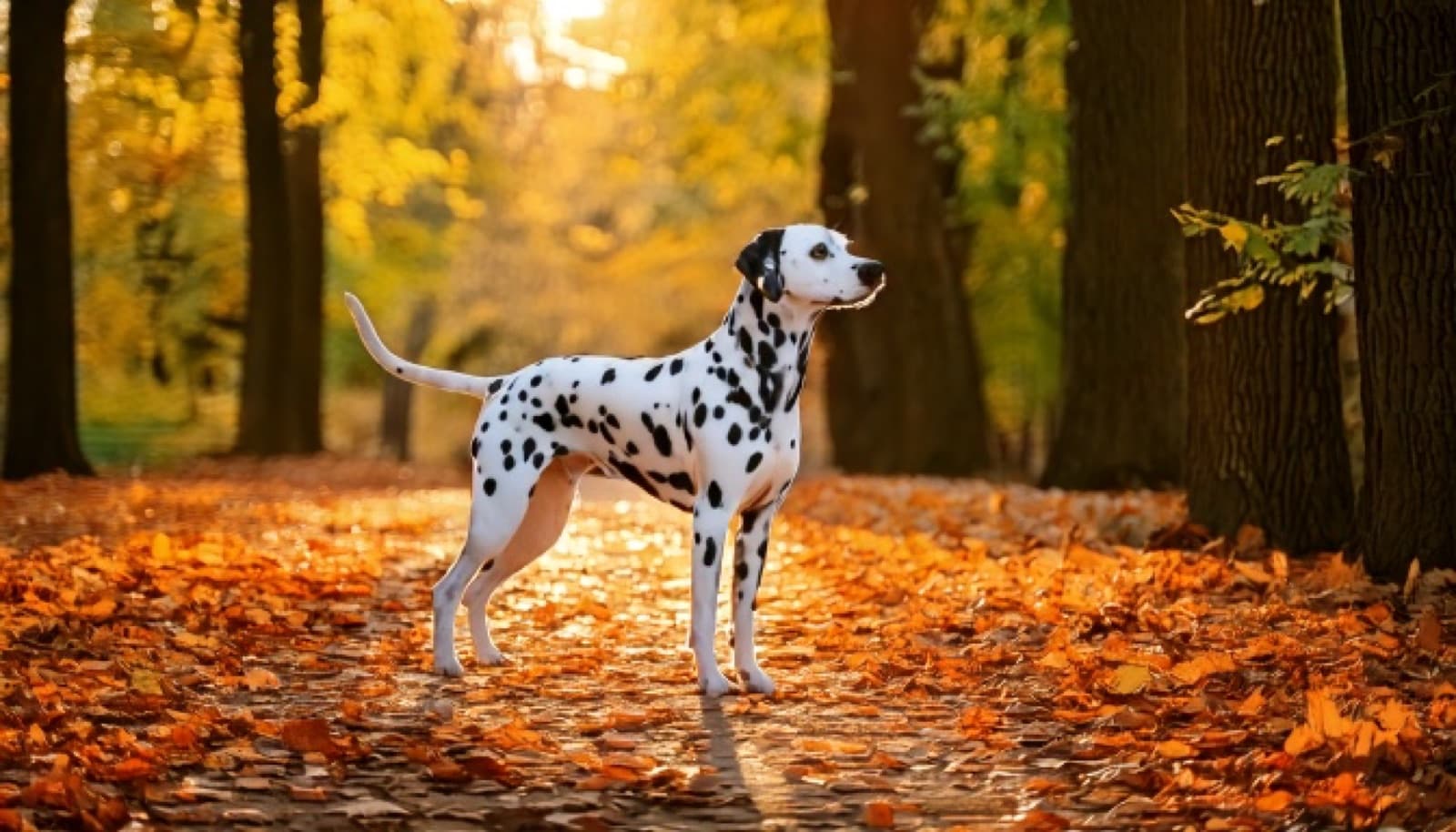
The Dalmatian is loyal, playful, clever and affectionate, a dog that bonds hard with its family and loves to be included in everything. It needs well over an hour of real exercise a day, running as well as walking, plus training and mental work to keep its quick mind occupied, and it can be reserved with strangers so benefits from early, ongoing socialisation. Give it the activity it needs and it is a joyful, devoted companion; leave it under-exercised and bored and it will struggle, which is how so many reach rescue.
On health the breed has two matters to understand. First, a high rate of congenital deafness linked to the coat genetics; a dog may be deaf in one ear or both, and a deaf dog makes a fine pet with hand-signal training and care around traffic. Second, a breed-specific quirk of uric acid metabolism that makes Dalmatians prone to urinary stones, managed with plenty of water, frequent toileting and, for affected dogs, a vet-directed low-purine diet. A rescue Dalmatian arrives vet-checked, so ask the rescue what the in-care assessment found about hearing and health, and insure the dog while it is young.
Dalmatians and South Australian dog law
The Dalmatian is not a prescribed breed in South Australia and is legal to own and rehome normally. Under the Dog and Cat Management Act 1995, a dog must be microchipped and, for dogs born after mid 2018, desexed by six months of age unless a vet grants an exemption, and registered through Dogs and Cats Online with your local council. Any dog of any breed can still be declared a dangerous, menacing or nuisance dog based on its behaviour. A rescue Dalmatian arrives already desexed and microchipped, so you simply transfer it into your name on Dogs and Cats Online.
Browse adoptable Dalmatians in Adelaide
Dalmatians come up for adoption in South Australia, often as adolescents who just need an active home. An adult lets you see the energy level and hearing status before you commit. Browse live listings now.
See Available Dalmatians →If you have been searching “Dalmatian puppies for sale”
Plenty of people arrive here after searching for a Dalmatian puppy to buy, and adoption has a real advantage: an adult rescue Dalmatian lets you see the temperament, the all-important energy level and any hearing issue, where a puppy is a gamble on all three. The breed's screen fame has long driven impulse buying and backyard breeding that skips BAER hearing tests and socialisation, so a cheap puppy or a deposit request for a dog you have not met is a warning sign rather than a bargain. In South Australia a dog must be microchipped and registered through Dogs and Cats Online, so ask any seller for the microchip number and confirm it before you pay, and cross-check anything that feels off against Scamwatch.
Adoption costs a fraction of a breeder price and gives a vet-checked dog a home. Register your interest with rescues, set alerts, and be patient; Dalmatians and their crosses do come up, often as adolescents who simply need an active home.
Adult or puppy, and is a Dalmatian right for you?
For most adopters an adult is the better choice, because an adult shows you the real temperament, the energy level and the hearing status, where a puppy is a gamble on all three. An adult also often has some training in place and a lower adoption fee, and many surrendered Dalmatians are adolescents who simply need the exercise they were not getting.
A Dalmatian suits an active home that can genuinely commit to well over an hour of hard exercise and training every day, cope with heavy shedding, and manage the breed's hearing and urinary health. For that home it is a loyal, joyful, devoted dog. If the daily exercise is not realistic, be honest about whether the breed fits before you adopt, because the mismatch is exactly what fills rescues.
Frequently Asked Questions
Where can I adopt a Dalmatian near me in Adelaide?
Start with the live listings on this page, which pull Dalmatians and Dalmatian crosses from shelters and foster-based rescues across South Australia, then widen out. RSPCA South Australia, the Animal Welfare League SA and Paws and Claws Adoptions all rehome a broad mix of dogs including Dalmatians and their crosses, and PetRescue aggregates many smaller South Australian rescues in one place. Dalmatians come through less often than some breeds, so set listing alerts and have your application ready.
Why do Dalmatians end up in rescue?
Almost always because the energy was underestimated. Films and the breed's striking looks drew people who were not ready for a powerful, high-energy dog that needs a great deal of exercise and mental work, and bored, under-exercised Dalmatians become destructive and are surrendered. Others come in because of the heavy shedding, because of deafness that the owner could not manage, or through a change of circumstances. In an active, committed home a Dalmatian is a loyal, playful and affectionate companion.
How much does it cost to adopt a Dalmatian in Adelaide versus buying one?
Adoption is far cheaper at the outset. A rescue adoption fee already covers desexing, vaccination, microchipping, worm and flea treatment and a vet check, where a purebred Dalmatian puppy from a breeder runs to several thousand dollars with none of that vet work done yet. Separately from the adoption fee, in South Australia you register and microchip the dog through Dogs and Cats Online and your local council sets the registration fee, which is reduced for a desexed dog. Budget for the real ongoing costs of this breed: a lot of exercise, and vet attention to hearing and urinary health.
Are Dalmatians good with children and other pets?
A well-socialised Dalmatian is loyal, playful and affectionate and can be good with children, but it is a large, powerful, bouncy dog, so supervise around very young or small children and teach calm greetings. The breed can be reserved with strangers and needs early socialisation to be reliable with other dogs and animals. A foster carer who has lived with the individual dog can tell you exactly how it is with children, other pets and visitors, which matters more than the breed average.
How much exercise does a Dalmatian really need?
A lot, and this is the single most important thing to understand before adopting one. Dalmatians were bred to run alongside carriages for miles, and they have the stamina to match. An adult needs well over an hour of real exercise every day, running and not just walking, plus training and mental work to keep its clever mind busy. Without it the breed becomes bored, anxious and destructive, which is exactly how so many end up in rescue. In an Adelaide summer, exercise in the cool of the morning or evening.
What is the deafness issue in Dalmatians, and can a deaf dog be a good pet?
Dalmatians have a high rate of congenital deafness linked to their coat genetics; some are deaf in one ear and some in both, and reputable breeders BAER-test puppies. A rescue Dalmatian may be unilaterally or bilaterally deaf, and the rescue should tell you what it knows. A deaf dog makes a wonderful pet; it simply needs training with hand signals and visual cues instead of voice, and care around traffic because it cannot hear a car. Ask the rescue whether the dog has been hearing-tested and plan your training accordingly.
Are Dalmatians a restricted breed in South Australia?
No. The Dalmatian is not a prescribed breed and is legal to own and rehome normally in South Australia. Under the Dog and Cat Management Act 1995 it simply needs to be microchipped and desexed by six months of age unless a vet grants an exemption, and registered through Dogs and Cats Online with your local council. Any dog of any breed can still be declared a dangerous, menacing or nuisance dog based on its behaviour. A rescue Dalmatian arrives already desexed and microchipped.
I keep seeing Dalmatian puppies for sale. Is adopting really an option?
It is. Dalmatians and Dalmatian crosses do turn up in South Australian rescue, often as adolescents surrendered once the energy became too much, and an adult rescue Dalmatian lets you see the temperament, energy level and any hearing issue you are taking on, where a puppy is a gamble. The breed's screen fame has long driven impulse buying and backyard breeding, so a cheap puppy or a deposit request for a dog you have not met is a warning sign rather than a bargain. In South Australia a dog must be microchipped and registered through Dogs and Cats Online, so ask for the microchip number and confirm it before paying anything, and cross-check anything that feels off against Scamwatch.
Keep reading
Adoptable Dalmatians in Adelaide
Live listings with foster carer notes on energy level and temperament.
Best Dog Rescues in Adelaide
The verified shelters and foster rescues to set alerts with across South Australia.
Dog Adoption in Adelaide
Browse adoptable dogs and every breed guide for Adelaide.
Adelaide Adoption Resources
Guides on adopting, costs, council rules and settling a rescue dog in Adelaide.