The short answer
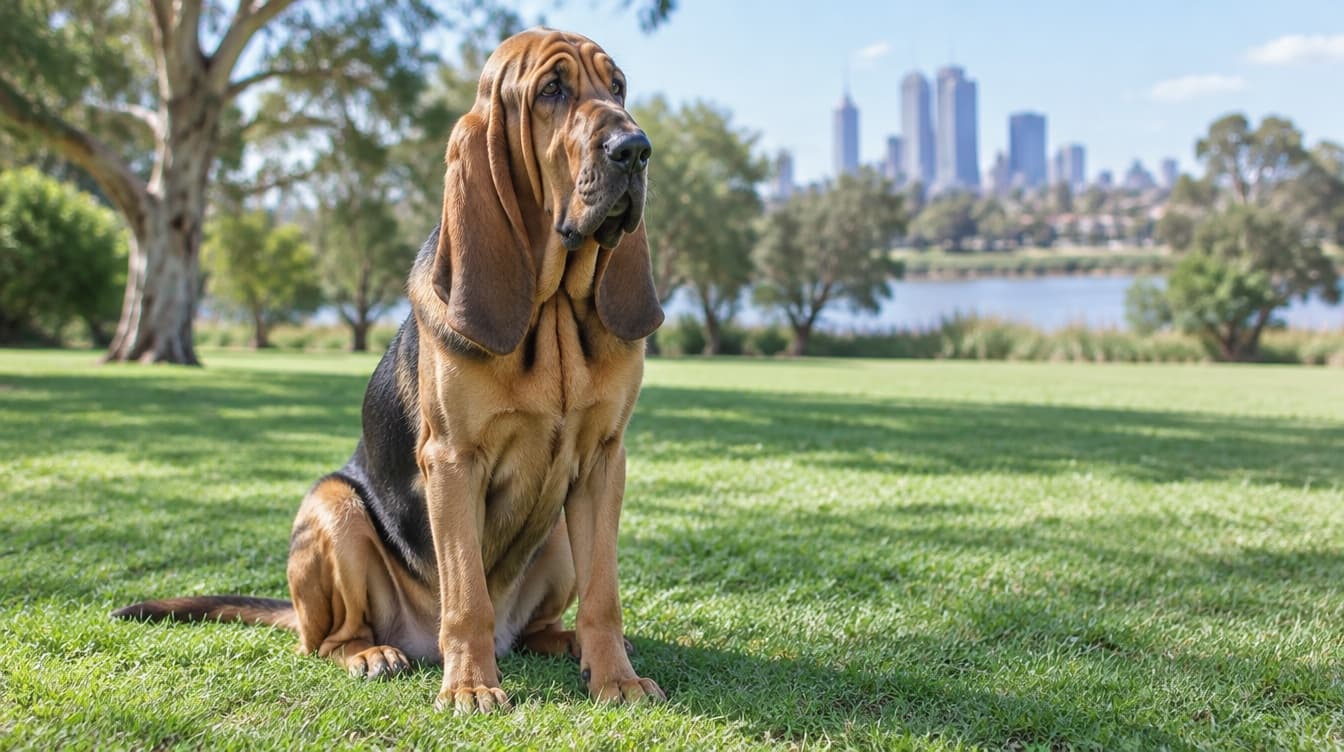
You can adopt a Bloodhound in Adelaide, but the purebred is rare, so cast a wide net, be patient and consider a hound cross. Set alerts across the main South Australian rescues and be application-ready. A rescue adoption fee already covers desexing, vaccination, microchipping and a vet check, against well into the thousands from a breeder, and the breed is not restricted in South Australia. The honest part is the package: a large, mellow, famously stubborn hound that drools, needs space and exercise, and will follow its nose for miles, so it wants a securely fenced yard, a lead in open space and a patient owner. Get that right and a rescue Bloodhound is a gentle, affectionate giant.
Why Bloodhounds reach Adelaide rescue
A purebred Bloodhound is uncommon in South Australian rescue, but a steady few come through, along with hound crosses, almost always for one reason: the breed was taken on without an understanding of its size, nose and stubbornness. Almost none are about a bad dog.
Size and mess underestimated. People are charmed by the gentle, wrinkled look and underestimate how big the dog grows, how much it drools and how much space and food it needs. When the reality lands, the dog is surrendered.
The nose rules. A Bloodhound follows a scent with single-minded focus and little recall, so a dog that keeps escaping or cannot be let off lead is often rehomed, and strays turn up in council pounds, when a secure yard and leash walking would have managed it.
Backyard breeding. The breed is uncommon and valuable, so some are produced by backyard breeders without health testing or socialisation, and rescues take in surrendered and ex-breeding dogs that, in a patient home, become devoted companions.
Where to adopt a Bloodhound in Adelaide
The purebred is rare, so a wide alert net and patience are essential. Set listing alerts on every rescue you would consider, and check council pounds too, because strays are common for this nose-driven breed. For a fuller directory, see our guide to the best dog rescues in Adelaide.
1. RSPCA South Australia
The state body runs its main shelter and adoption centre at Lonsdale, with animals also in foster care across Adelaide. Large dogs and hound crosses come through via owner surrender and stray intake, and every adoption includes desexing, vaccination, microchipping, a vet workup and a behavioural assessment. Apply at rspcasa.org.au.
2. Animal Welfare League SA
South Australia's largest animal welfare organisation, based at Wingfield with a strong foster network. It handles a large intake of surrendered and stray dogs, so a large hound or hound cross turns up from time to time, always with a behavioural assessment, and adoption includes desexing, vaccination, microchipping and a vet check. Listings at awl.org.au.
3. Paws and Claws Adoptions
A foster-based South Australian rescue that rehomes a broad mix of dogs and crosses, including large dogs that need space. Because dogs live in foster, you get a clear picture of the real temperament before you commit, which matters for a large scent hound, where recall, how the dog copes with being left alone and how it is with other animals are exactly the things a carer can describe. The application usually includes a home check. More at pawsandclawsadoptions.com.au.
Beyond these, the fastest way to scan many South Australian rescues at once is PetRescue, a national aggregator that lists animals from hundreds of member rescues in one searchable place. Be wary of any group calling itself a Bloodhound rescue that asks for money before you have confirmed a real address, a current adoptable-dog list and charitable status. Browse the current Bloodhounds and hound crosses on the Adelaide Bloodhound listings.
What a Bloodhound costs: adopt versus buy
Adoption is far cheaper at the outset. A rescue adoption fee already covers desexing, vaccination, microchipping, worm and flea treatment and a vet check, so the dog arrives ready to bring home and, if you adopt an adult, with a known temperament.
A purebred Bloodhound puppy from a breeder, by contrast, runs well into the thousands with none of that vet work done yet. So adopting is many times cheaper up front. Separately from the adoption fee, in South Australia you register and microchip the dog through Dogs and Cats Online, the state-wide database, and your local council sets the registration fee, which is reduced for a desexed dog, so there is no single Adelaide-wide figure.
The ongoing cost is a large-dog one: a lot of food, weight-dosed preventatives, large-dog vet care and secure fencing. Pet insurance taken out while the dog is young is worth having, both for the breed's bloat risk and for the joint and ear conditions that come with a giant, long-eared hound.
Living with a large scent hound, and the health picture
The Bloodhound is gentle, mellow and affectionate, and in a patient home with space it is a wonderful, easygoing giant. But it is a true scent hound, large, strong, famously stubborn and ruled by its nose, so it needs a securely fenced yard, a lead in any open space, patient reward-based training and a tolerance for drool. The ones in rescue usually got there because an owner underestimated the size, mess and nose-driven wandering, not because anything was wrong with the dog.
On health the breed is prone to bloat as a large deep-chested dog, to ear infections from the long heavy ears, and to skin infection in the facial wrinkles if they are not kept clean, along with some eye and joint conditions, and like many giant breeds it has a relatively short lifespan. A rescue Bloodhound arrives vet-checked, so ask the rescue what the in-care assessment found, keep the dog lean, learn the signs of bloat, clean the ears and wrinkles regularly, and keep summer walks to the cool of the day on Adelaide heatwave days.
Bloodhounds and South Australian dog law
The Bloodhound is not a restricted or prescribed breed in South Australia and is legal to own and rehome normally. Under the Dog and Cat Management Act 1995, a dog must be microchipped and, for dogs born after mid 2018, desexed by six months of age unless a vet grants an exemption, and registered through Dogs and Cats Online with your local council each year. A rescue Bloodhound arrives already desexed and microchipped, so you simply transfer it into your name on Dogs and Cats Online. The breed's main practical point is a secure, escape-proof yard and leash walking, because a Bloodhound will follow a scent with little recall, so the containment that keeps the dog safe also keeps you on the right side of the by-laws.
Browse adoptable Bloodhounds in Adelaide
The purebred is rare, so set an alert, be patient and keep an open mind about hound crosses. Browse live South Australian listings now.
See Available Bloodhounds →If you have been searching “Bloodhound puppies for sale”
Plenty of people arrive here after searching for a Bloodhound puppy to buy, and for this breed adoption has a real advantage: an adult rescue Bloodhound lets you see the size and temperament you are taking on, where a puppy is a gamble on a big, stubborn hound. Purebred Bloodhound puppies are rare and command high breeder prices, which attracts backyard breeding and the occasional scam, so a cheap puppy or a deposit request for a dog you have not met is a warning sign rather than a bargain. In South Australia a dog must be microchipped and registered through Dogs and Cats Online, so ask any seller for the microchip number and confirm it before you pay, and cross-check anything that feels off against Scamwatch.
Adoption costs a fraction of a breeder price and gives a vet-checked dog a home. If you have the space and patience a large scent hound needs, register your interest with hound and large-breed rescues, set alerts, and be patient; the right dog does come up.
Adult or puppy, and is a Bloodhound right for you?
For almost every adopter an adult is the better and safer choice, because an adult shows you the real size, temperament and how it is with people and other animals, where a puppy is a gamble on a big, stubborn hound. An adult also often has some training in place and a lower adoption fee. A carefully matched, foster-assessed adult Bloodhound is the sensible way into the breed.
Be honest about whether this breed fits your life. A Bloodhound is a gentle, mellow, affectionate giant for a patient owner with space, a secure yard and a tolerance for drool, who will walk it on lead and not expect quick obedience. It is not an easy first dog, and not suited to a small home or an owner wanting a biddable, off-lead dog. If you can offer the space and patience it needs, a rescue Bloodhound is a devoted, easygoing companion.
Frequently Asked Questions
Where can I adopt a Bloodhound near me in Adelaide?
Start with the live listings on this page, which pull Bloodhounds and hound crosses from shelters and foster-based rescues across South Australia, then widen out. RSPCA South Australia, the Animal Welfare League SA and Paws and Claws Adoptions all rehome dogs including the occasional large hound, and PetRescue aggregates many smaller South Australian rescues in one place. A purebred Bloodhound is genuinely rare, so hound crosses appear more often, and because this breed follows a scent and wanders, strays also turn up in council pounds. Set listing alerts everywhere you would consider and have your application ready.
Why do Bloodhounds end up in Adelaide rescue?
Almost always because the breed was taken on without an understanding of its size, nose and stubbornness, not because of anything wrong with the dog. The Bloodhound is a large, gentle scent hound with the finest nose in dogdom, famous stubbornness, a drooling habit and a tendency to follow a scent for miles with no recall. In a home that underestimated the size, mess and nose-driven wandering it becomes hard to manage, and is surrendered. Hound crosses appear too. In a patient home with a secure yard, the breed is affectionate, mellow and devoted.
How much does it cost to adopt a Bloodhound in Adelaide versus buying one?
Adoption is far cheaper at the outset. A rescue adoption fee already covers desexing, vaccination, microchipping, worm and flea treatment and a vet check, so the dog arrives ready to bring home and, if you adopt an adult, with a known temperament. A purebred Bloodhound puppy from a breeder, by contrast, runs well into the thousands with none of that vet work done yet. Separately from the adoption fee, in South Australia you register and microchip the dog through Dogs and Cats Online and your local council sets the registration fee, which is reduced for a desexed dog, so there is no single Adelaide-wide figure. The real cost of this breed is the ongoing one, because a large hound eats and is vetted at large-dog scale.
Can a Bloodhound ever be trusted off-leash in Adelaide?
For most Bloodhounds, not in an unfenced space. The breed was built to follow a scent for hours with its nose down and its ears switched off, so when a strong smell takes over, recall collapses and the dog keeps going. This is instinct, not disobedience. The practical answer in Adelaide is a securely fenced yard for off-lead freedom and a lead everywhere else, including the parklands, beaches and Hills reserves where wildlife scent is layered everywhere. A fully fenced off-leash dog park is the safe place to let a Bloodhound run loose.
Is a Bloodhound a good first dog?
For most people, honestly, no. The Bloodhound is a large, powerful, famously stubborn scent hound that drools, needs a lot of space and exercise, and will follow its nose with little recall, so training takes patience and a sense of humour. In a patient home that suits its mellow nature it is a gentle, affectionate giant. But the size, mess, stubbornness and nose-driven wandering make it a demanding first dog, and a smaller or more biddable breed will suit most first-time owners far better.
Are Bloodhounds good with children and other dogs?
With the right upbringing and in the right home they generally are, with supervision. A well-socialised Bloodhound is famously gentle, patient and affectionate, and often very good with children, but its sheer size means it can knock over a toddler by accident, so supervision is sensible, and introductions to other pets should be calm. A foster carer who has lived with the individual dog can tell you exactly how it is with children, other animals and visitors, which is the most useful thing to ask before you commit.
What health problems do Bloodhounds have?
As a large, deep-chested dog the Bloodhound is prone to bloat, which is a life-threatening emergency, so learn the signs and feed sensibly. The long heavy ears trap moisture and bring recurring ear infections, so regular ear checks matter, and the famous facial wrinkles need wiping to avoid skin infection. Hip and elbow problems and some eye conditions appear too, and like many giant breeds the Bloodhound has a relatively short lifespan. A rescue Bloodhound arrives vet-checked, so ask the rescue what the in-care assessment found, keep the dog lean, and keep summer walks to the cool of the morning or evening on Adelaide heatwave days.
Do Bloodhounds need a lot of exercise?
A Bloodhound needs steady daily exercise and, above all, space and the chance to use its nose, but it is a mellow dog rather than a tireless one. Plan a good daily walk on lead plus time to sniff and explore in a securely fenced space, and remember that scent work tires a hound more than distance alone. A bored, under-exercised Bloodhound will find a scent trail and try to leave, so enrichment and containment matter as much as the walk. On hot Adelaide days keep exercise to the cool of the day.
Should I adopt a Bloodhound adult or a puppy?
For most adopters an adult is the better choice, and for a large breed a far safer one, because an adult shows you its real size, temperament and how it is with people and other animals, where a puppy is a gamble on a big, stubborn hound. An adult also often has some training in place and a lower adoption fee. A vet-checked, foster-assessed adult Bloodhound, matched to a patient home with space, is the sensible way into the breed.
I keep seeing Bloodhound puppies for sale. Is adopting really an option?
It is, and for this breed adoption has a real advantage, because an adult rescue Bloodhound lets you see the size and temperament you are taking on, where a puppy is a gamble on a big, stubborn hound. Purebred Bloodhound puppies are rare and command high breeder prices, which attracts backyard breeding and the occasional scam, so a cheap puppy or a deposit request for a dog you have not met is a warning sign rather than a bargain. In South Australia a dog must be microchipped and registered through Dogs and Cats Online, so ask any seller for the microchip number and confirm the dog is registered before you pay anything. If you have the space and patience the breed needs, register your interest, set alerts, and be patient.
Keep reading
Adoptable Bloodhounds in Adelaide
Live listings with foster carer notes on temperament and size.
Best Dog Rescues in Adelaide
The verified shelters and foster rescues to set alerts with across South Australia.
Dog Adoption in Adelaide
Browse adoptable dogs and every breed guide for Adelaide.
Adelaide Adoption Resources
Guides on adopting, costs, council rules and settling a rescue dog in Adelaide.