The short answer
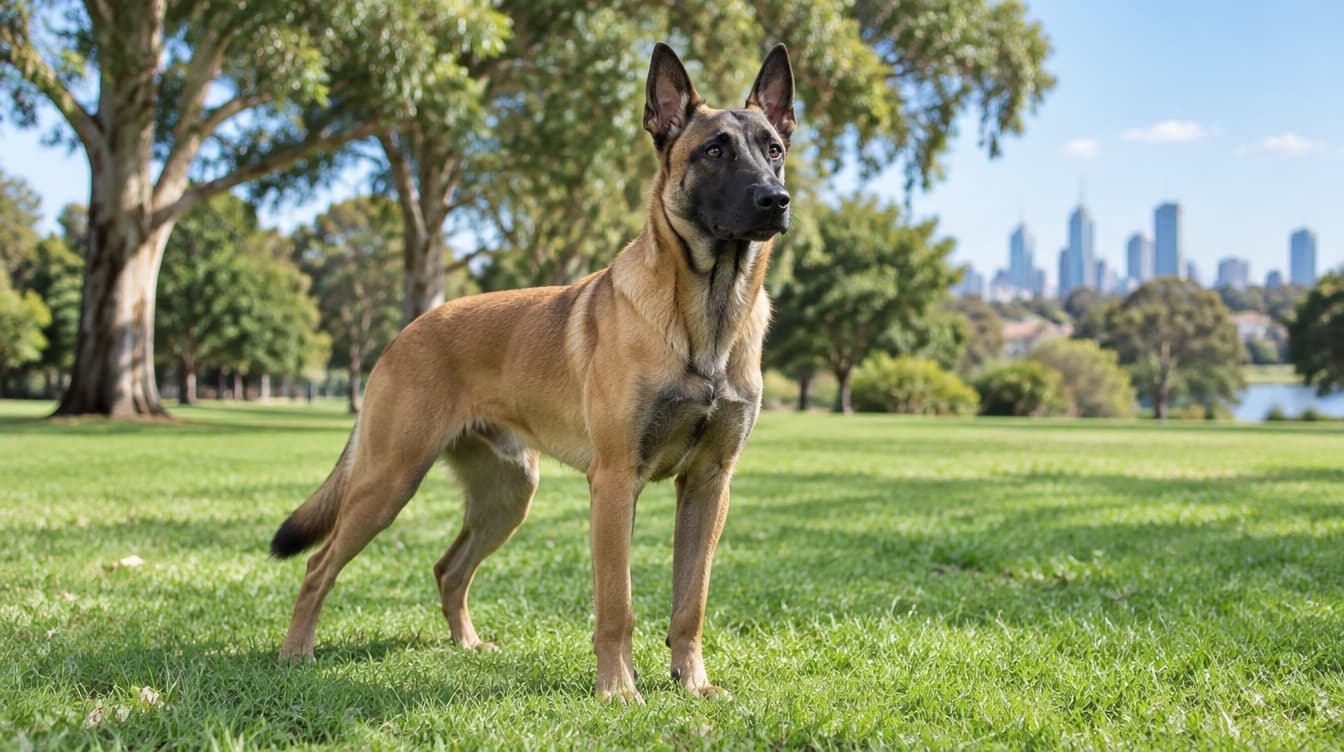
You can adopt a Belgian Malinois in Adelaide, but only if you have the experience, time and commitment a high-drive working breed needs. Set alerts across the main South Australian rescues, be application-ready, and expect detailed questions about your experience and how much work you can give a dog. A rescue adoption fee already covers desexing, vaccination, microchipping and a vet check, against several thousand dollars from a breeder, and the breed is not restricted in South Australia. The honest part is the responsibility: this is an intense, driven dog that needs a job, hours of daily exercise, mental work, an experienced handler and constant training, and it is not a first dog. Get that right and a rescue Malinois is an extraordinary, loyal partner.
Why Belgian Malinois reach Adelaide rescue
A Belgian Malinois is uncommon in rescue, but a steady few reach South Australian rescue, along with Malinois crosses, almost always for one reason: the breed was taken on by someone who could not meet its needs.
Too much dog for a pet home. People are drawn to the breed after seeing it work in the military, in police roles or on screen, and acquire one for protection or sport without understanding the drive, energy, training and experienced handling it demands. When the owner cannot give it a job and the dog becomes anxious, destructive or reactive, it is surrendered, and this is the single most common reason a Malinois reaches rescue.
Time and energy. A Malinois needs hours of exercise and mental work every day, and a change of circumstances, a growing family or a busy season can make that impossible to sustain.
Backyard breeding. Malinois are valuable and in demand, so some are produced by backyard or commercial breeders, often without the health testing or early socialisation the breed needs, and rescues take in surrendered or ex-breeding dogs that, with the right home, often become brilliant partners.
Where to adopt a Belgian Malinois in Adelaide
A Malinois is uncommon in general rescue, so a wide alert net and honesty about your experience are essential. Set listing alerts on every rescue you would consider, and add working-breed and herding-breed networks. For a fuller directory, see our guide to the best dog rescues in Adelaide.
1. RSPCA South Australia
The state body runs its main shelter and adoption centre at Lonsdale, with animals also in foster care across Adelaide. High-drive working dogs come through via owner surrender and stray intake, and every adoption includes desexing, vaccination, microchipping, a vet workup and a behavioural assessment that is especially important for this breed. Apply at rspcasa.org.au.
2. Animal Welfare League SA
South Australia's largest animal welfare organisation, based at Wingfield with a strong foster network. It handles a large intake of surrendered and stray dogs, so a Malinois or working cross turns up from time to time, always with a behavioural assessment, and adoption includes desexing, vaccination, microchipping and a vet check. Listings at awl.org.au.
3. Paws and Claws Adoptions
A foster-based South Australian rescue that rehomes a broad mix of dogs and crosses, including active working-type dogs that need an experienced home. Because dogs live in foster, the notes on a Malinois's drive, training and behaviour with people and other animals tend to be detailed and honest, which is exactly what you need before taking on a working breed. The application usually includes a home check. More at pawsandclawsadoptions.com.au.
Beyond these, the fastest way to scan many South Australian rescues at once is PetRescue, a national aggregator that lists animals from hundreds of member rescues in one searchable place. Be wary of any group calling itself a Malinois rescue that asks for money before you have confirmed a real address, a current adoptable-dog list and charitable status. Browse the current Belgian Malinois and Malinois crosses on the Adelaide Belgian Malinois listings.
What a Belgian Malinois costs: adopt versus buy
Adoption is far cheaper at the outset. A rescue adoption fee already covers desexing, vaccination, microchipping, worm and flea treatment and a vet check, so the dog arrives ready to bring home and, if you adopt an adult, with a known drive and temperament.
A purebred Malinois puppy from a breeder, by contrast, runs into the thousands with none of that vet work done yet. So adopting is many times cheaper up front. Separately from the adoption fee, in South Australia you register and microchip the dog through Dogs and Cats Online, the state-wide database, and your local council sets the registration fee, which is reduced for a desexed dog, so there is no single Adelaide-wide figure.
The ongoing cost is as much time as money: this breed needs daily exercise and mental work and very often professional training or a dog sport to channel its drive. Factor in food, preventatives, routine vet care and training. Pet insurance taken out while the dog is young is worth having.
Living with a high-drive working breed, and the health picture
The Belgian Malinois is intensely intelligent, driven and loyal, and in an experienced, active home it is a phenomenal working and sport dog. But it is a true working breed: it needs a job, hours of daily physical exercise and mental work, early and ongoing socialisation and consistent, reward-based training. Without that it becomes anxious, destructive and reactive, and its herding instinct can turn into chasing and nipping. This is not a dog to leave in a backyard, and it is not a first dog. The responsibility is the point: a well-worked Malinois is a wonderful dog, and the ones in rescue usually got there because that work was not provided.
On health the breed is generally robust but prone to hip and elbow dysplasia and other joint problems, and to some eye conditions. A rescue Malinois arrives vet-checked, so ask the rescue what the in-care assessment found, keep the dog fit and lean, time hard exercise for the cool of the day on Adelaide heatwave days, and insure it while it is young.
Belgian Malinois and South Australian dog law
The Belgian Malinois is not a restricted or prescribed breed in South Australia and is legal to own and rehome normally. Under the Dog and Cat Management Act 1995, a dog must be microchipped and, for dogs born after mid 2018, desexed by six months of age unless a vet grants an exemption, and registered through Dogs and Cats Online with your local council each year. A rescue Malinois arrives already desexed and microchipped, so you simply transfer it into your name on Dogs and Cats Online. It is worth knowing, though, that any dog of any breed can be declared a dangerous or menacing dog by a council based on its behaviour, which is one more reason that responsible ownership, training and socialisation matter so much with a high-drive working breed.
Browse adoptable Belgian Malinois in Adelaide
A Malinois is uncommon in rescue, so set an alert, and an adult lets you see the drive and temperament before you commit. Browse live South Australian listings now.
See Available Belgian Malinois →If you have been searching “Belgian Malinois puppies for sale”
Plenty of people arrive here after searching for a Malinois puppy to buy, often drawn by the working reputation, and for this breed adoption has a real advantage: an adult rescue Belgian Malinois lets you see the drive, temperament and training you are taking on, where a puppy is a gamble on an intensely demanding working breed. The for-sale listings are easy to find, but this valuable breed attracts backyard breeding that skips the health testing and early socialisation the breed needs, along with the occasional scam, so a cheap Malinois puppy or a deposit request for a dog you have not met is a warning sign rather than a bargain. In South Australia a dog must be microchipped and registered through Dogs and Cats Online, so ask any seller for the microchip number and confirm it before you pay, and cross-check anything that feels off against Scamwatch.
Adoption costs a fraction of a breeder price and gives a vet-checked dog a home. If you have the experience, time and commitment a working breed needs, register your interest with working-breed rescues, be honest about your household and how much work you can give a dog, set alerts, and be patient; the right dog does come up.
Adult or puppy, and is a Belgian Malinois right for you?
For almost every adopter an adult is the better and safer choice, because an adult shows you the real drive, temperament and how it is with people and other animals, where a puppy is a gamble on an intensely demanding working breed. An adult also often has some training in place and a lower adoption fee. A carefully matched, foster-assessed adult Malinois is the responsible way into the breed.
Be honest about whether this breed fits your life. A Belgian Malinois is an extraordinary, loyal dog for the right experienced and active owner who will give it a job, hours of exercise and mental work every day, and consistent training. It is not a first dog, not a dog to leave untrained or under-exercised, and not suited to a home that cannot commit to its needs. If you can offer all of that, a rescue Malinois is a devoted partner. If not, a different breed will suit you both far better than adopting and surrendering later.
Frequently Asked Questions
Where can I adopt a Belgian Malinois near me in Adelaide?
Start with the live listings on this page, which pull Belgian Malinois and Malinois crosses from shelters and foster-based rescues across South Australia, then widen out. RSPCA South Australia, the Animal Welfare League SA and Paws and Claws Adoptions all rehome dogs including the occasional high-drive working breed, and PetRescue aggregates many smaller South Australian rescues in one place. A Malinois or Malinois cross comes through from time to time, so set listing alerts, have your application ready, and expect a rescue to ask detailed questions about your experience, because this is a demanding working breed that needs the right home.
Why do Belgian Malinois end up in Adelaide rescue?
Almost always because the breed was taken on by someone who could not meet its needs, not because of anything wrong with the dog. The Belgian Malinois is an athletic herding and working breed with extreme drive, energy and intelligence, and some are acquired for protection or sport, or after seeing one work on screen, without an understanding of the training, exercise and experienced handling it demands. Being too much dog for an ordinary pet home is the single most common reason one is surrendered: when the owner cannot give it a job and the dog becomes intense, destructive or reactive, it is rehomed. Malinois crosses appear too. In an experienced, active home the breed is a brilliant, devoted partner.
How much does it cost to adopt a Belgian Malinois in Adelaide versus buying one?
Adoption is far cheaper at the outset. A rescue adoption fee already covers desexing, vaccination, microchipping, worm and flea treatment and a vet check, so the dog arrives ready to bring home and, if you adopt an adult, with a known temperament. A purebred Malinois puppy from a breeder, by contrast, runs well into the thousands with none of that vet work done yet. Separately from the adoption fee, in South Australia you register and microchip the dog through Dogs and Cats Online and your local council sets the registration fee, which is reduced for a desexed dog, so there is no single Adelaide-wide figure. But the real cost of this breed is the ongoing one in time and training: it needs daily work and often professional training, so budget your hours as well as your dollars whichever way you get one.
Are Belgian Malinois a restricted breed in South Australia?
No. The Belgian Malinois is not a restricted or prescribed breed in South Australia and is legal to own and rehome normally. Under the Dog and Cat Management Act 1995 it simply needs to be microchipped and, for dogs born after mid 2018, desexed by six months of age unless a vet grants an exemption, and registered through Dogs and Cats Online with your local council. That said, any dog of any breed can be declared a dangerous or menacing dog based on its behaviour, so responsible ownership, training and socialisation matter a great deal with a high-drive working breed. A rescue Malinois arrives already desexed and microchipped.
Is a Belgian Malinois a good first dog?
Honestly, for most people, no. The Belgian Malinois is one of the most demanding breeds there is: a high-drive, high-energy, intensely intelligent working dog that needs a serious job, hours of daily exercise and mental work, an experienced handler and constant training. In the right active, committed home it is an extraordinary dog. In the wrong home, or without a job and training, that drive turns into anxiety, destruction and reactivity, which is exactly why some end up in rescue. If you have not owned a working breed before, this is not the dog to start with.
Are Belgian Malinois good with children and other pets?
With the right upbringing and in the right home they can be, but it needs care. A well-trained, well-exercised Malinois can be affectionate and devoted with its own family, but its intensity, herding instinct and tendency to nip or chase mean close supervision around young children and careful introductions to other animals. Early socialisation and ongoing training are essential. A foster carer who has lived with the individual dog can tell you exactly how it is with children, other dogs and visitors, which matters more for this breed than almost any other.
Should I adopt an adult Belgian Malinois or a puppy?
For most adopters an adult is the better choice, and for this breed a far safer one, because an adult shows you its real drive, temperament and how it is with people and other animals, where a puppy is a gamble on an intensely demanding working breed. An adult also often has some training in place and a lower adoption fee. A vet-checked, foster-assessed adult Malinois, matched carefully to an experienced and active home, is the responsible way into the breed.
I keep seeing Belgian Malinois puppies for sale. Is adopting really an option?
It is, and for this breed adoption has a real advantage, because an adult rescue Belgian Malinois lets you see the drive and temperament you are taking on, where a puppy is a gamble on an intensely demanding working breed. The for-sale listings are easy to find, often marketed for protection or sport, but this valuable breed attracts backyard breeding and the occasional scam, so a cheap Malinois puppy or a deposit request for a dog you have not met is a warning sign rather than a bargain. In South Australia a dog must be microchipped and registered through Dogs and Cats Online, so ask any seller for the microchip number and confirm the dog is registered before you pay anything. Adoption costs a fraction of a breeder price and gives a vet-checked dog a home. If you have the experience, time and commitment, register your interest, set alerts, and be patient.
Keep reading
Adoptable Belgian Malinois in Adelaide
Live listings with foster carer notes on drive, temperament and training.
Best Dog Rescues in Adelaide
The verified shelters and foster rescues to set alerts with across South Australia.
Dog Adoption in Adelaide
Browse adoptable dogs and every breed guide for Adelaide.
Adelaide Adoption Resources
Guides on adopting, costs, council rules and settling a rescue dog in Adelaide.